Gardening on a Shoestring
eBook - ePub

Gardening on a Shoestring

100 Fun Upcycled Garden Projects

  1. 160 pages
  2. English
  3. ePUB (mobile friendly)
  4. Available on iOS & Android
eBook - ePub

Gardening on a Shoestring

100 Fun Upcycled Garden Projects

About this book

Growing a pretty garden doesn't have to cost a pretty penny--learn how to create a low-cost garden using a little elbow grease, a lot of creativity, and this book.

Gardening on a Shoestring will ease the tension on any gardener's pocketbook, while inspiring them with fun, creative projects for up-cycling, gardening ideas, tips, and alternative designs that will make gardening a pleasure--and an economical one, to boot!

By combining classic gardening skills with ultra-creative ideas, author Alex Mitchell teaches readers 100 ways to up-cycle their gardens by creating ingenious green-thumb DIY projects and grow lush gardens. From up-cycling common objects (such as tin cans, old potato sacks, and colanders) to revisiting basic garden techniques (growing from seed, for example), a garden's overall cost can drop dramatically. Thanks to photography, illustrations, and plenty of additional tips, this book has plenty of fodder for readers to create a better garden.

Included in Gardening on a Shoestring are outdoor furnishing projects, edible gardening information, and sage advice for garden upkeep. Examples of what you'll find include:

Vintage tin herb garden

Tapestry of succulents

Garden center shopping tips

Water-bottle watering system

Gardening stools from old tires

How to notspend a fortune online

. . . and much more!

Whether you're a new homeowner tackling the mortgage monster, a renter not wanting to leave permanent traces in your temporary home, or a cost-conscious gardener looking for a slew of creative tips, this book belongs on your bookshelf.

Frequently asked questions

Yes, you can cancel anytime from the Subscription tab in your account settings on the Perlego website. Your subscription will stay active until the end of your current billing period. Learn how to cancel your subscription.
No, books cannot be downloaded as external files, such as PDFs, for use outside of Perlego. However, you can download books within the Perlego app for offline reading on mobile or tablet. Learn more here.
Perlego offers two plans: Essential and Complete
  • Essential is ideal for learners and professionals who enjoy exploring a wide range of subjects. Access the Essential Library with 800,000+ trusted titles and best-sellers across business, personal growth, and the humanities. Includes unlimited reading time and Standard Read Aloud voice.
  • Complete: Perfect for advanced learners and researchers needing full, unrestricted access. Unlock 1.4M+ books across hundreds of subjects, including academic and specialized titles. The Complete Plan also includes advanced features like Premium Read Aloud and Research Assistant.
Both plans are available with monthly, semester, or annual billing cycles.
We are an online textbook subscription service, where you can get access to an entire online library for less than the price of a single book per month. With over 1 million books across 1000+ topics, we’ve got you covered! Learn more here.
Look out for the read-aloud symbol on your next book to see if you can listen to it. The read-aloud tool reads text aloud for you, highlighting the text as it is being read. You can pause it, speed it up and slow it down. Learn more here.
Yes! You can use the Perlego app on both iOS or Android devices to read anytime, anywhere — even offline. Perfect for commutes or when you’re on the go.
Please note we cannot support devices running on iOS 13 and Android 7 or earlier. Learn more about using the app.
Yes, you can access Gardening on a Shoestring by Alex Mitchell in PDF and/or ePUB format, as well as other popular books in Biological Sciences & Horticulture. We have over one million books available in our catalogue for you to explore.

Style on a Shoestring

Image
Gardening with a budget in mind doesn’t mean you have to give up on style. Whether you want a family-friendly garden to kick a ball around in, a romantic, informal cottage garden, a modern urban space with clean lines, or a naturalistic prairie swaying with long grasses, you can achieve the look without having to dig deep in your pocket. Here are some ideas…
Image
Image

The cottage garden

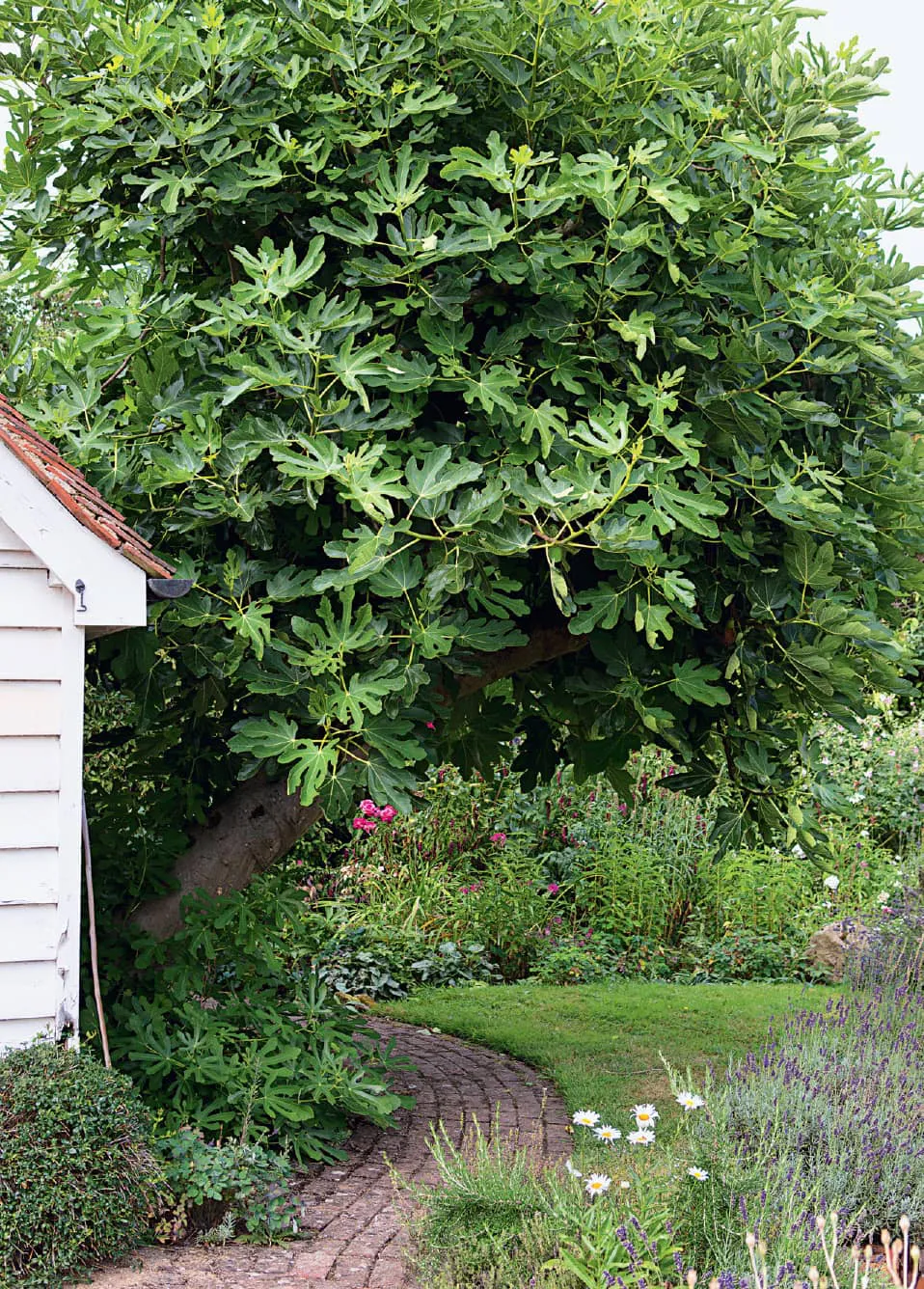
Imagine a thatched cottage with a rose scrambling over the door, a picket fence and a wiggly brick path leading through jumbles of hollyhocks, sweet peas, and love-in-the-mist. That’s a cottage garden. In fact, that’s the picture-book garden—romantic, informal, charming—and you don’t have to live in a thatched cottage to achieve it. Although it wouldn’t hurt…
This style of gardening has evolved from traditional workers’ cottages of generations past, where limited funds and space meant fruit trees and vegetables rubbed shoulders with flowers and medicinal herbs, chickens pecked at snails in the borders, and any hard materials used were local, handmade, or recycled—and kept to a minimum. Paths were usually made from recycled bricks or loose gravel, and fences from bits of local wood or woven panels of willow. If garden furniture was needed, it was dragged outside from the house rather than left out all year.
This sort of garden is all about the plants—and there are lots of them. It doesn’t matter what you grow, but cottage gardens should be colorful, busy, and just a bit chaotic, packed with many different cheerful annuals, biennials, and climbers. Traditionally, plants were grown from seed and left to self-seed where they fell, resulting in a beautiful informality. There are no straight lines and no real rules in cottage gardening, so this style could not be more ideal for the budget-conscious gardener. There is a bare minimum of hard landscaping to fork out for either, leaving lots of space for plants that seed themselves, returning year after year at no cost and no effort.
Image
Image
Five tips to create a cottage garden on a shoestring
1. Keep hard landscaping to a minimum to leave lots of space for plants.
2. Garden furniture doesn’t have to be neat and uniform; sling a tablecloth over any old table and use cheap mismatched wooden chairs. Avoid using plastic pots or furniture in this design; vintage troughs, crates, and other recycled containers are ideal.
3. Grow hedges as boundaries instead of fences; a native mix of hawthorn, holly, field maple, hazel, and beech bought as bare-root plants can be extremely cost effective and will give your garden an informal, rustic character and attract interesting wildlife.
4. Buy seed or collect it and take cuttings and divisions from your friends’ gardens to start off your garden, rather than fork out for relatively expensive young plants. If you sow in mid-spring your borders will be a beautiful orgy of color by midsummer.
5. Don’t mulch and be careful when weeding! Many classic cottage-garden plants spread by self-sowing and mulching can smother these seedlings. It’s all too easy to pull up "weeds" that are actually beautiful flowers-to-be too. You’ll soon learn to recognize the juvenile forms of your favorite plants so you can leave them where they are or move them to a better place, but until then, pause for thought before you pull!

How to plant a cottage garden: design tips

As everyone knows, it’s not easy to make beautiful chaos. Even with a style as informal as cottage gardening, there are a few tips worth considering when planting up your borders.
Avoid planting in rows or geometric blocks. Instead, aim for a random-looking pattern (as if the plants have self-sown naturally). The only exception is down the side of paths, where a line of lavender, for example, c...

Table of contents

  1. Cover
  2. Title Page
  3. Contents
  4. How to be a Shoestring Gardener
  5. Pots for a Pittance
  6. Style on a Shoestring
  7. Grow Food for Peanuts
  8. How to Make New Plants for Free
  9. How Not to Waste Money on Gardening Supplies
  10. Keep Your Garden Healthy for (Almost) Nothing
  11. Resources
  12. Index
  13. Acknowledgments
  14. Dedication
  15. Copyright