CHAPTER 1
Introduction
A time-tested genre, still life painting focuses on the simple beauty of everyday scenes and objects. From gorgeous floral setups to cozy kitchen scenes, this book includes a range of lovely subjects to re-create in acrylic. Before you begin the step-by-step projects, it’s important to acquaint yourself with the materials and techniques you’ll be using. The following chapter covers everything from paints and brushes to color theory and basic drawing, giving you invaluable information as you lift your painting skills to the next level.
Tools & Materials
The vast array of art materials available to artists today can overwhelm beginning and experienced artists alike. The following pages will help you simplify the process of setting up an acrylic workspace. This versatile paint is water-based and nontoxic, so you’ll need only a small selection of materials.
ACRYLIC PAINT
Acrylic is a water-based paint consisting of pigment in a binder of acrylic polymer emulsion. It comes in tubes, tubs, jars, and squeeze bottles. Tubes are generally used for higher-quality, artist-grade paints. You can dilute acrylic with plain water (no solvents needed!), but once it’s dry, the paint is waterproof. You can apply the paint in thin or thick layers, imitating both watercolor and oil paint. But unlike oil, acrylic dries quickly so you don’t have to wait long between layers.
MEDIUMS & ADDITIVES
To thin and clean up acrylic, water is the simplest medium. However, you can also find mediums and additives made specifically for acrylic. A range of gels, pastes, and additives allow artists to alter the behavior and properties of acrylic paint, such as extending the drying time or creating a coarse texture.
PALETTES
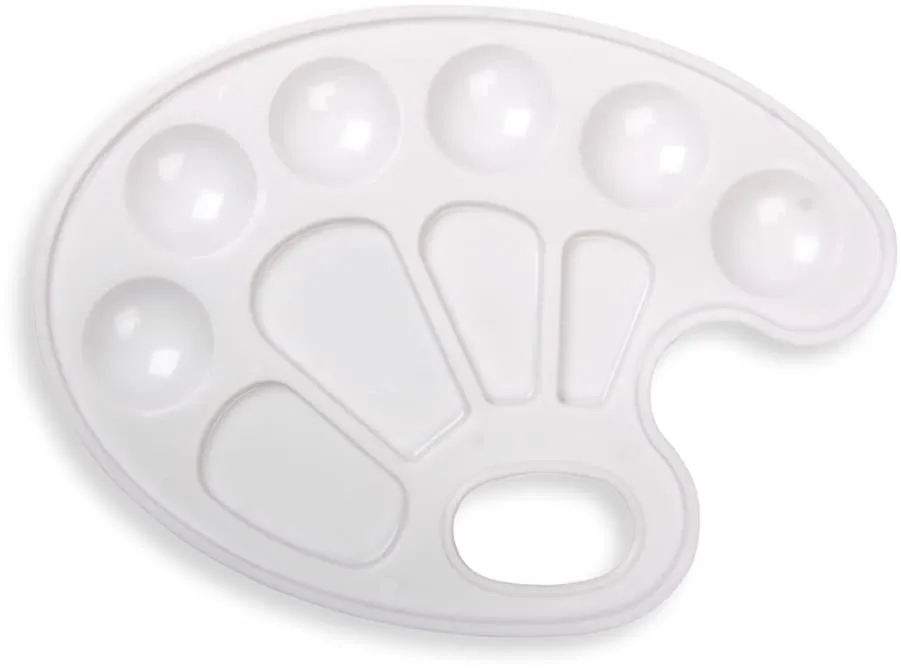
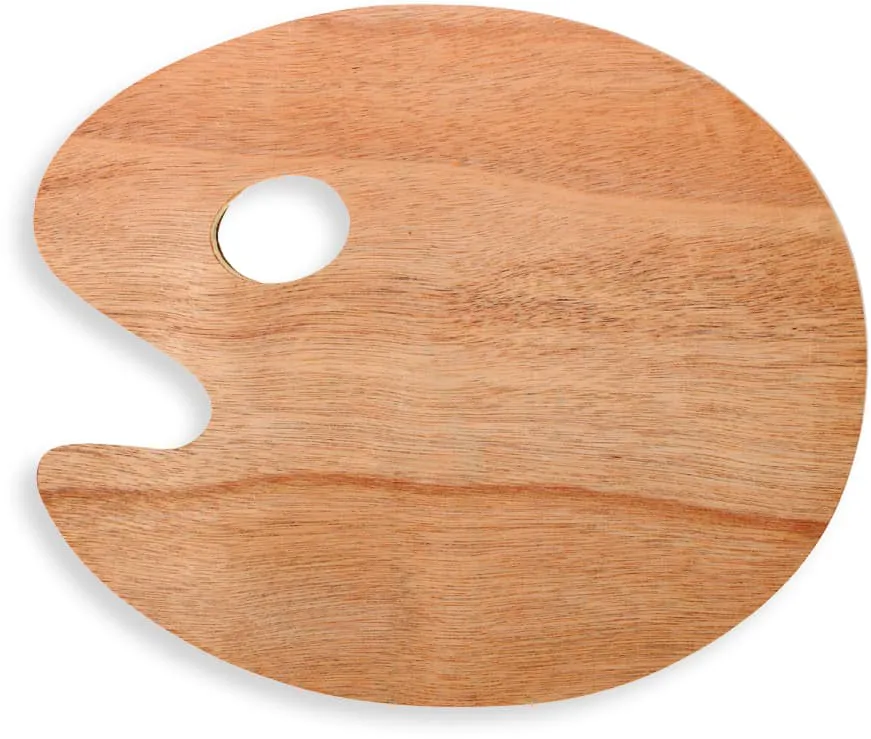
Palettes for acrylic paints are available in many different materials—from wood and ceramic to metal and glass. Plastic palettes are inexpensive, and they can be cleaned with soap and water.
BRUSHES
Synthetic brushes are the best choice for acrylic painting because their strong filaments can withstand the caustic nature of acrylic. Sable and soft-hair synthetic brushes are ideal for watercolor. A selection of hog bristle brushes is a staple for all oil painters. Build your starter set with small, medium, and large flat brushes; a few medium round brushes; a liner (or rigger) brush; a medium filbert brush; and a medium fan brush. Brushes are commonly sized with numbers, although the exact sizes vary between manufacturers. Generally #1 to #5 are small brushes, #6 to #10 are medium brushes, and #11 and up are large brushes. Flat brushes are often sized by the width of the ferrule (or brush base), such as 1/4-inch, 1/2-inch, and 1-inch flat brushes.
SURFACES
Acrylic paint needs a “toothy,” porous, absorbent surface to which it can bind and adhere. For this reason, many surfaces need to be primed first to accept the paint. The most common primer is gesso, which prepares your surface to accept subsequent layers of paint. The most popular acrylic painting surfaces are pictured at right.
Traditional painting surfaces:
A. Canvas paper
B. Masonite or hardboard
C. Pre-primed canvas panels
D. Canvas
E. Watercolor paper
F. Primed mat board
ADDITIONAL SUPPLIES
Some additional supplies you’ll want to have on hand include:
• Paper, pencils, and a sharpener for drawing, sketching, and tracing
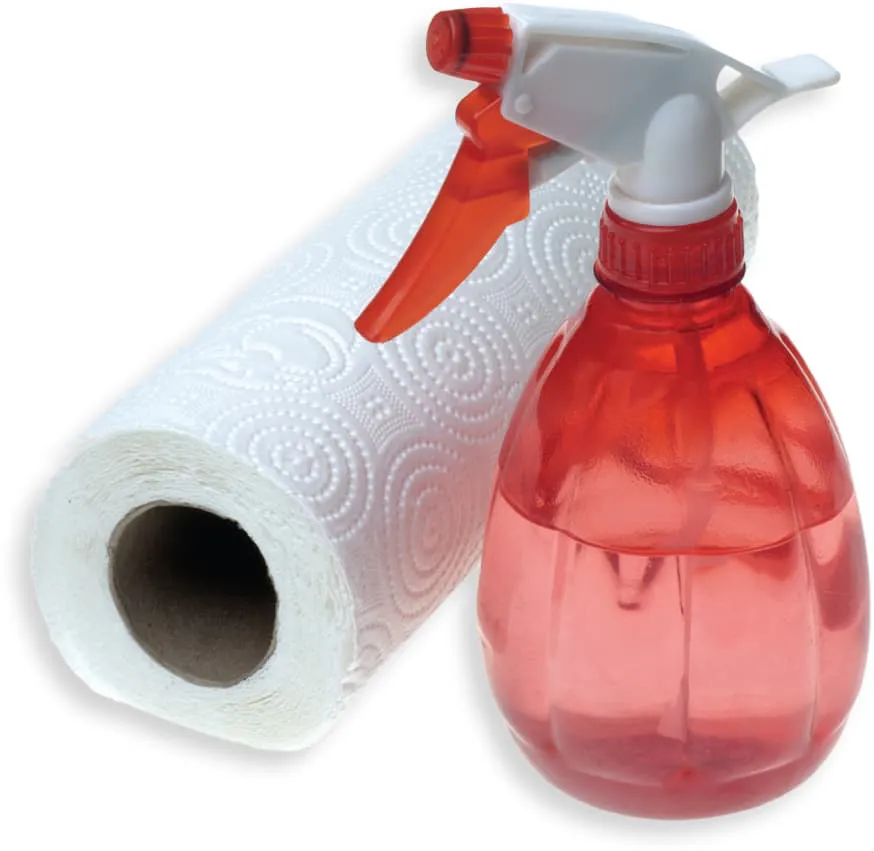
• Jars of water, paper towels, and a spray bottle of water
• Fixative to protect your initial sketches before you apply paint
• Palette knife to mix large quantities of paint or to apply paint creatively to your surface.
Color Theory
Acquaint yourself with the ideas and terms of color theory, which involve everything from color relationships to perceived color temperature and color psychology. In the following pages, we will touch on the basics as they relate to painting.
COLOR WHEEL
The color wheel, pictured to the right, is the most useful tool for understanding color relationships. Where the colors lie relative to one another can help you group harmonious colors and pair contrasting colors to communicate mood or emphasize your message. The wheel can also help you mix colors efficiently. Below are the most important terms related to the wheel.
Primary colors are red, blue, and yellow. With these you can mix almost any other color; however, none of the primaries can be mixed from other colors. Secondary colors include green, orange, and violet. These colors can be mixed using two of the primaries. (Blue and yellow make green, red and yellow make orange, and blue and red make violet.) A tertiary color is a primary mixed with a near secondary, such as red with violet to create red-violet.
COMPLEMENTARY COLORS
Complementary colors are those situated opposite each other on the wheel, such as purple and yellow. Complements provide maximum color co...