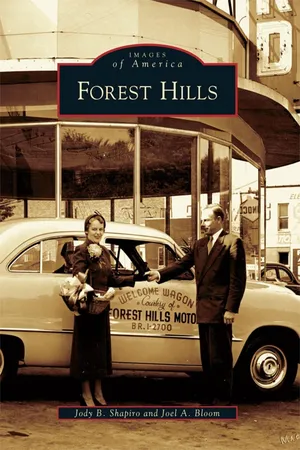
Aptly named because of its hilly terrain and abundance of trees, the area now known as Forest Hills was a dusty coal mining community in the late 1800s. Centered between two major roads, the Lincoln Highway (Ardmore Boulevard/U.S. Route 30) and the Greensburg Pike, Forest Hills was incorporated in 1919 in order to gain better representation for tax money. Technology put the town on the map with the first commercial licensed radio station broadcast in 1920 and the Westinghouse Atom Smasher, built in 1937. As the borough grew with new houses, schools, and parks, so did traditions such as the Fourth of July celebration at Forest Hills Park and the Bryn Mawr Corn Roast. Many who live in the community are third or fourth generation residents. Using vintage photographs, Forest Hills presents the untold story of this tight-knit community.
- 128 pages
- English
- ePUB (mobile friendly)
- Available on iOS & Android
eBook - ePub
Forest Hills
About this book
Trusted by 375,005 students
Access to over 1.5 million titles for a fair monthly price.
Study more efficiently using our study tools.
Information
Topic
HistoriaSubtopic
Historia de NorteaméricaEight
FACES, PLACES, TRADITIONS, AND CIVIC PRIDE
Forest Hills residents have never had to travel far to shop, bank, get a haircut, enjoy a meal in a restaurant, watch movies, play outside in parks, or make a difference in their community. Faces, places, traditions, and civic pride are what make the borough the special place it is.
Over the years, people shopped for fruit at Spinelli’s or groceries at small markets like Dicoskey’s Triangle Market or Krek’s Market. Larger chain grocers became popular, and A&P, Giant Eagle, Thoroughfare, Foodland, and Shop ’n Save all had their turn here. The weekly farmers’ market, run by the Late Bloomers Club since 2004 to benefit local causes, provides a venue for local farmers and other merchants to sell their goods.
Residents bowled at Forest Hills Auditorium and in the winter ice-skated at Forest Hills Park. Five generations roller-skated at Ardmore Roller Palace (formerly Memory Lane), eight decades of Bryn Mawr residents have celebrated the harvest every September with a corn roast. Dennis’ Restaurant (later renamed Drew’s) is still popular, and residents miss Sweet Williams, Village Dairy, and the Plaza Restaurant.
With several parks to choose from, residents did not have to go far to play on swings, toss a baseball, or just enjoy a picnic. In the 1960s and early 1970s, families would pack up the kids and watch the latest movies at the Ardmore Drive-In Theatre. Clubs have always been an important way for people to socialize and to help make the borough a better place. Throughout the years, residents belonged to one of two women’s clubs, one of two mothers’ clubs, one of three mothers’ leagues, a men’s club, a golf club, and other civic organizations, including AARP, Kiwanis, Lions, and Rotary Clubs. Many of the groups are still active. Children belonged to Camp Fire Girls, International Order of the Rainbow for Girls, Cub Scout packs, and Brownie, Boy, and Girl Scout troops.

Those who want a sunny day for their outdoor event can take note of the annual Bryn Mawr Community Corn Roast. Held the Saturday after Labor Day since 1916, the event has been rained upon less than a handful of times. The Bryn Mawr Men’s Club started the community corn roast. The women’s club took over the tradition for a number of years, and later the residents hosted the event. Early locations were backyards. Later the roast moved to Woodside Elementary School’s field, and it now is held, block party–style, on Sylvan Road. These two pictures are from the 1917 corn roast, when admission was $1. In 2006, admission was up to $5 a person. The menu at the event is usually corn on the cob, ham barbecue, hot dogs, lemonade, coffee, and ice cream.


When Forest Hills started the Civilian Defense Council in 1942, over 300 residents joined. Committee members are, from left to right, R. N. Cambridge, John Logan Jr., Frank Kelley, Fred Hastings (chairman), and Edward Hawkens. Not shown are Dr. F. V. Longphre, Robert Critchlow, L. C. Whitney, Walter Keyser, Charles Lavish, Thomas Passant, Frank Kovalovsky, and Edward Lamberger.
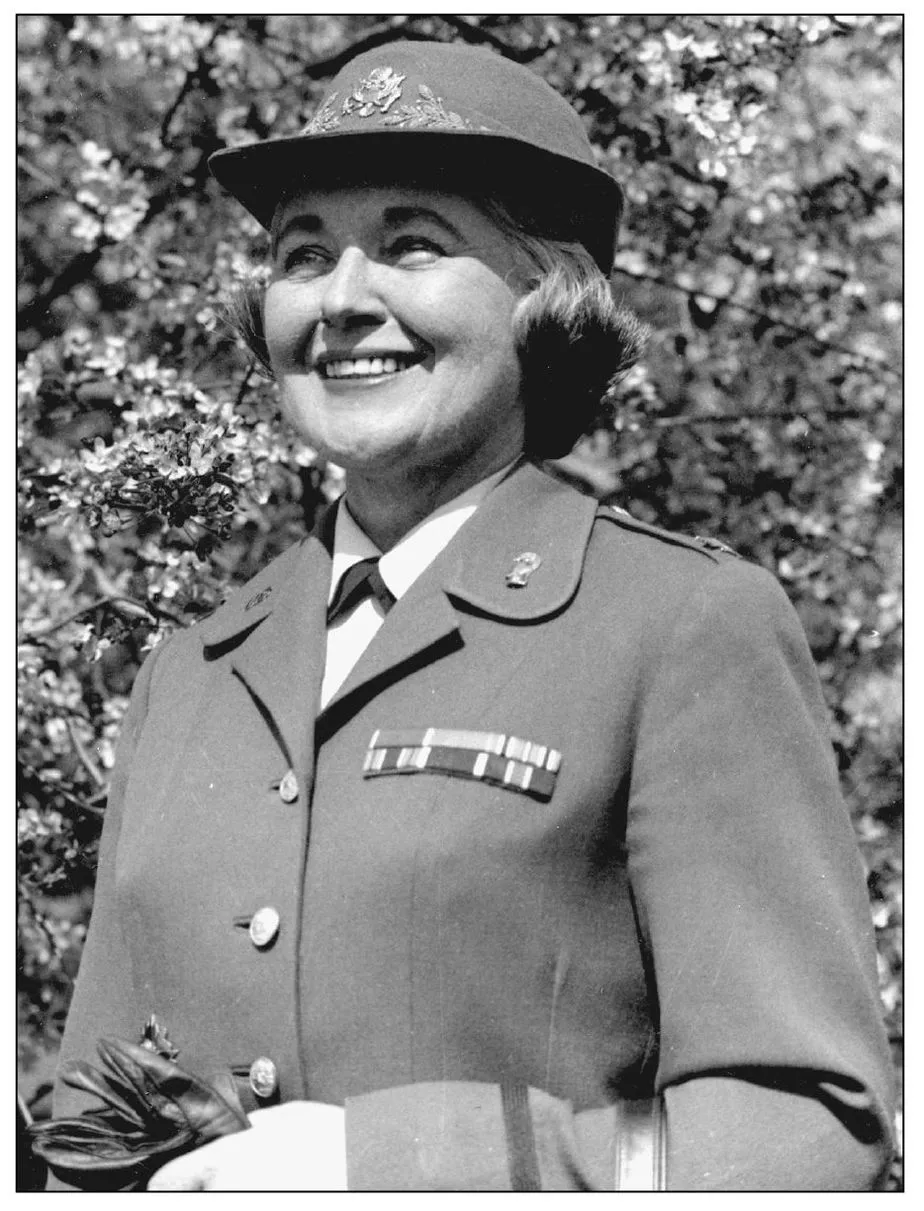
Former Forest Hills educator and assistant supervising principal Mary Louise Milligan Rasmuson is pictured in the late 1950s. She served the district from 1932 to 1942. Rasmuson joined the army in 1942, retiring as a colonel in 1962 and moving to Anchorage, Alaska. As of 2006, she is active in the Rasmuson Foundation, named for her late father-in-law, E. A., promoting a better life for Alaskans.
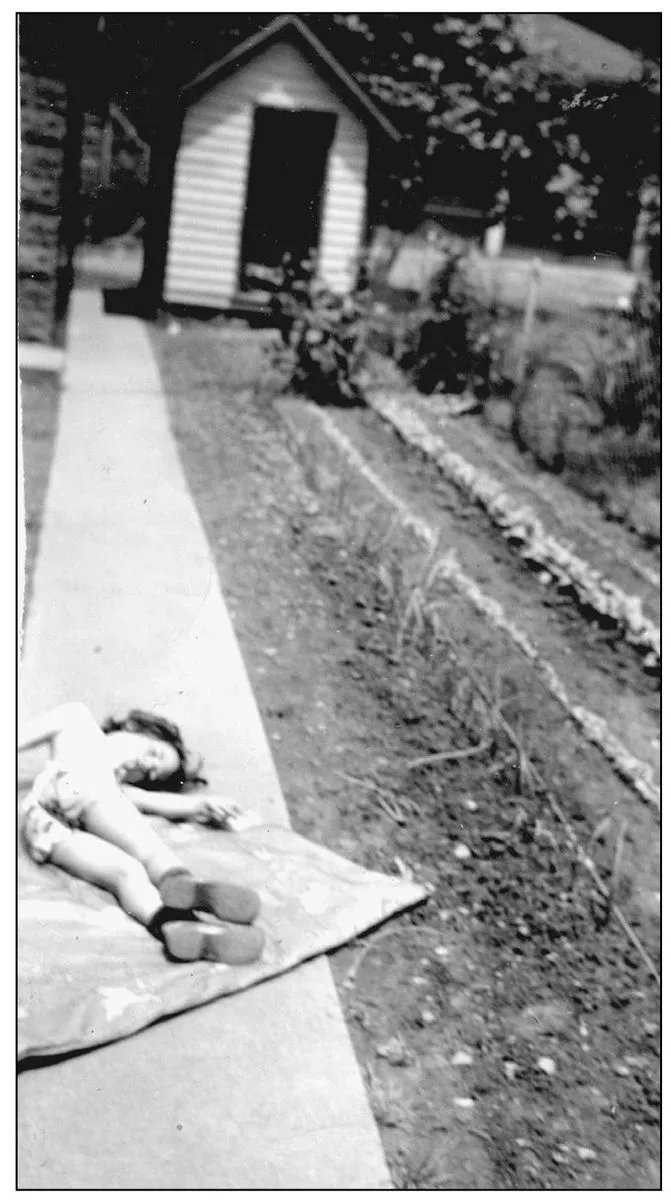
Just about everyone in the borough did his or her part during World War II. Victory gardens were abundant, as residents worked to cope with rationing and the fear of the unknown. One of the largest gardens in the area was one located just above Ardmore Boulevard, at what is now Drew’s Restaurant. Shirley Roth is pictured in 1944 at her family’s Sumner Avenue victory garden.
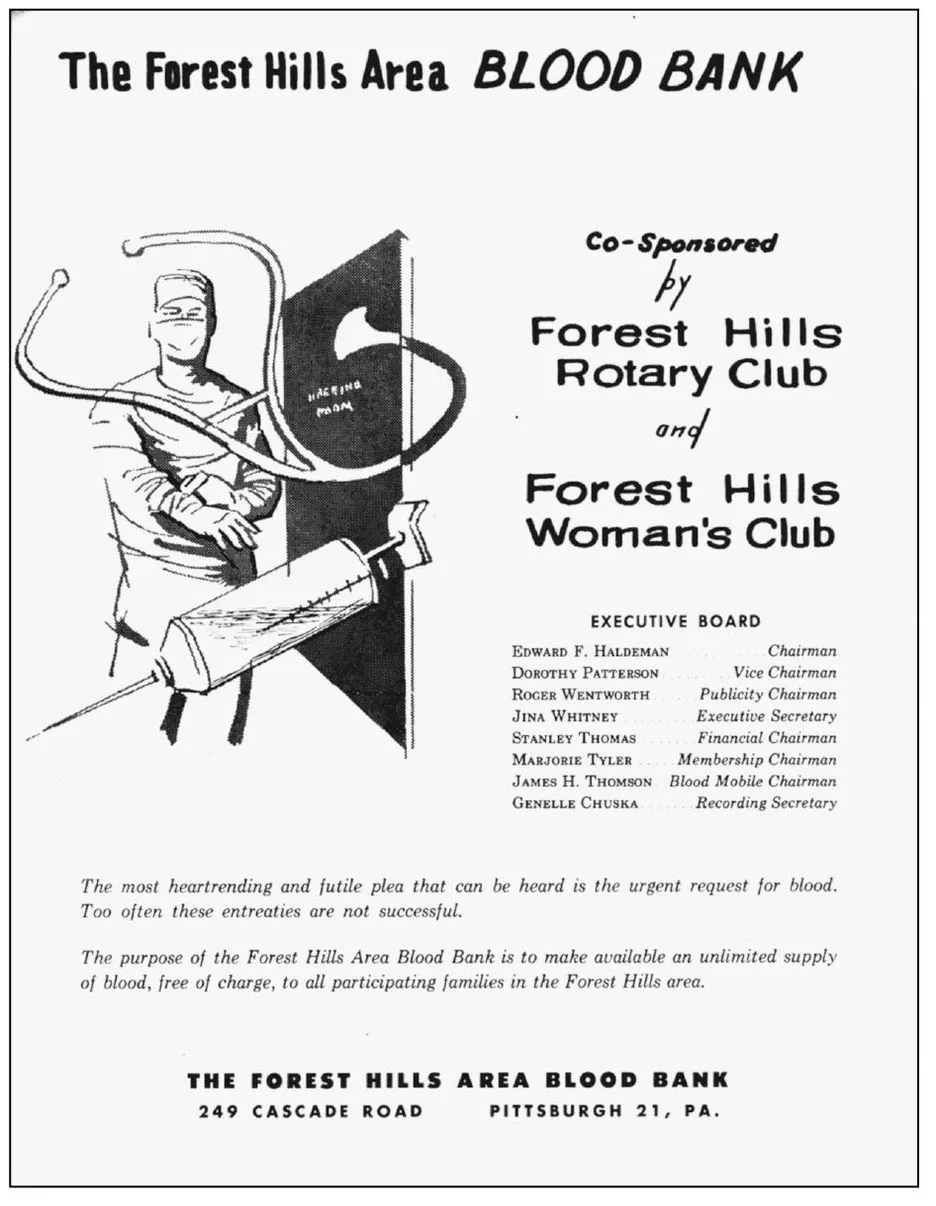
During World War II, Forest Hills residents were appointed air raid wardens, held scrap drives, purchased war savings stamps and bonds, and volunteered for the Red Cross. The patriotism did not stop when the war ended. The Forest Hills Woman’s Club and Rotary joined forces in 1958 to sponsor blood drive...
Table of contents
- Title Page
- Copyright Page
- Dedication
- Table of Contents
- ACKNOWLEDGMENTS
- INTRODUCTION
- One - BUILDING A BOROUGH
- Two - HORSES’ POWER TO HORSEPOWER
- Three - WESTINGHOUSE, AND KDKA
- Four - SCHOOL DAYS
- Five - NURTURING THE SPIRIT
- Six - POLICE, FIRE, AND RESCUE
- Seven - GOLDEN JUBILEE
- Eight - FACES, PLACES, TRADITIONS, AND CIVIC PRIDE
Frequently asked questions
Yes, you can cancel anytime from the Subscription tab in your account settings on the Perlego website. Your subscription will stay active until the end of your current billing period. Learn how to cancel your subscription
No, books cannot be downloaded as external files, such as PDFs, for use outside of Perlego. However, you can download books within the Perlego app for offline reading on mobile or tablet. Learn how to download books offline
Perlego offers two plans: Essential and Complete
- Essential is ideal for learners and professionals who enjoy exploring a wide range of subjects. Access the Essential Library with 800,000+ trusted titles and best-sellers across business, personal growth, and the humanities. Includes unlimited reading time and Standard Read Aloud voice.
- Complete: Perfect for advanced learners and researchers needing full, unrestricted access. Unlock 1.5M+ books across hundreds of subjects, including academic and specialized titles. The Complete Plan also includes advanced features like Premium Read Aloud and Research Assistant.
We are an online textbook subscription service, where you can get access to an entire online library for less than the price of a single book per month. With over 1.5 million books across 990+ topics, we’ve got you covered! Learn about our mission
Look out for the read-aloud symbol on your next book to see if you can listen to it. The read-aloud tool reads text aloud for you, highlighting the text as it is being read. You can pause it, speed it up and slow it down. Learn more about Read Aloud
Yes! You can use the Perlego app on both iOS and Android devices to read anytime, anywhere — even offline. Perfect for commutes or when you’re on the go.
Please note we cannot support devices running on iOS 13 and Android 7 or earlier. Learn more about using the app
Please note we cannot support devices running on iOS 13 and Android 7 or earlier. Learn more about using the app
Yes, you can access Forest Hills by Jody B. Shapiro,Joel A. Bloom in PDF and/or ePUB format, as well as other popular books in Historia & Historia de Norteamérica. We have over 1.5 million books available in our catalogue for you to explore.