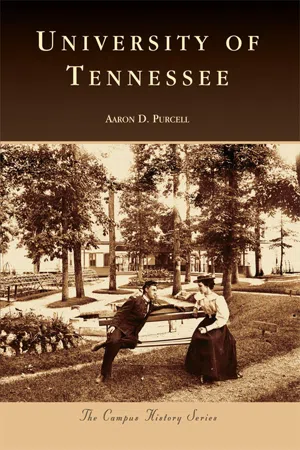
In 1794, two years before Tennessee became a state, the legislature of the Southwest Territory chartered Blount College in Knoxville as one of the first three colleges established west of the Appalachian Mountains. In 1807, the school changed its name to East Tennessee College. The school relocated to a 40-acre tract, known today as the Hill, in 1828 and was renamed East Tennessee University in 1840. The Civil War literally shut down the university. Students and faculty were recruited to serve on battlefields, and troops used campus facilities as hospitals and barracks. In 1869, East Tennessee University became the states land-grant institution under the auspices of the 1862 Morrill Act. In 1879, the state legislature changed the name of the institution to the University of Tennessee. By the early 20th century, the university admitted women, hosted teacher institutes, and constructed new buildings. Since that time, the University of Tennessee has established campuses and programs across the state. Today, in addition to a rich sports tradition, the University of Tennessee provides Tennesseans with unparalleled opportunities.
- 128 pages
- English
- ePUB (mobile friendly)
- Available on iOS & Android
eBook - ePub
University of Tennessee
About this book
Trusted by 375,005 students
Access to over 1.5 million titles for a fair monthly price.
Study more efficiently using our study tools.
Information
Three
CREATION OF A MODERN UNIVERSITY 1879–1904

THE UNIVERSITY OF TENNESSEE FROM ACROSS THE TENNESSEE RIVER, 1890S. The latter part of the 19th century brought enormous changes to East Tennessee University. In 1879, the state legislature changed the school’s name to the University of Tennessee. Pres. Charles Dabney ushered in the modern era of the school. During his tenure, the school attracted nationally known faculty, admitted women, hosted teacher institutes, doubled enrollment, and constructed new buildings.

THE WEEKLY BULLETIN, MARCH 1883. In the early 1880s, Pres. Thomas Humes was at odds with the board of trustees. In 1882, Charles Humes, the president’s nephew and the editor of the Chi-Delta Crescent, published several articles on religion and sex. Faculty objections led to Charles Humes resigning as editor of the publication. The next year, Charles retaliated by publishing the Weekly Bulletin. The paper appeared 10 times between February 12 and April 23, 1883, and contained jokes, humorous advertisements, cartoons, and attacks on specific faculty. Outraged faculty and university officials spearheaded an effort to expel Charles and ultimately to force the resignation of President Humes. After learning of his nephew’s expulsion, President Humes announced that he would fire the faculty responsible for the hasty action, but by that time, the board had already planned to remove Humes as president. Humes resigned a few weeks later.
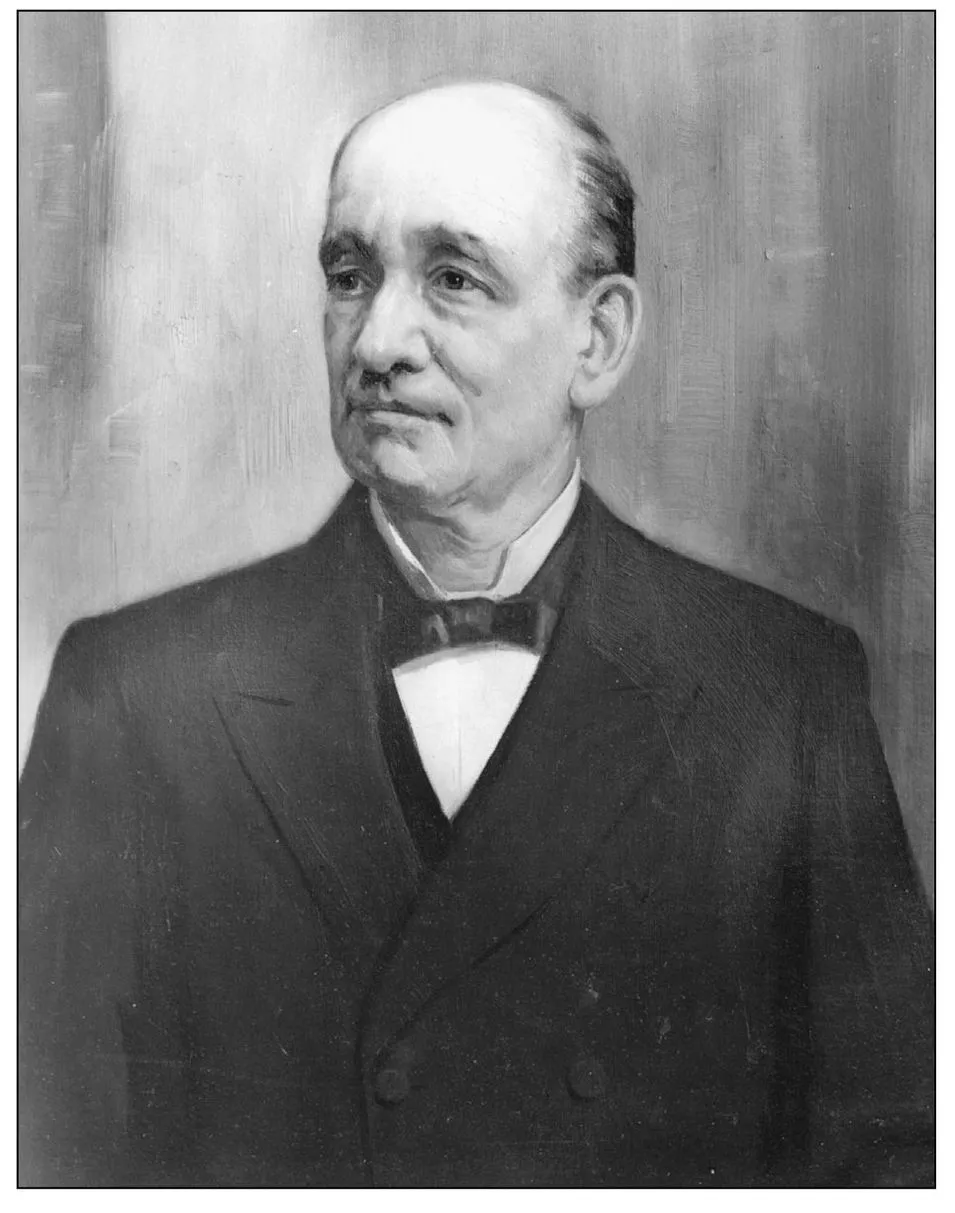
OLIVER PERRY TEMPLE. A lawyer and industrialist, Temple played an important role in the growth of the University of Tennessee after the Civil War. He served as trustee of the University of Tennessee from 1854 until his death in 1907. Temple also served as the first president of the East Tennessee Farmer’s Convention, helped found the Knoxville and Ohio Railroad, and worked with Thomas Hughes in founding the Rugby colony.
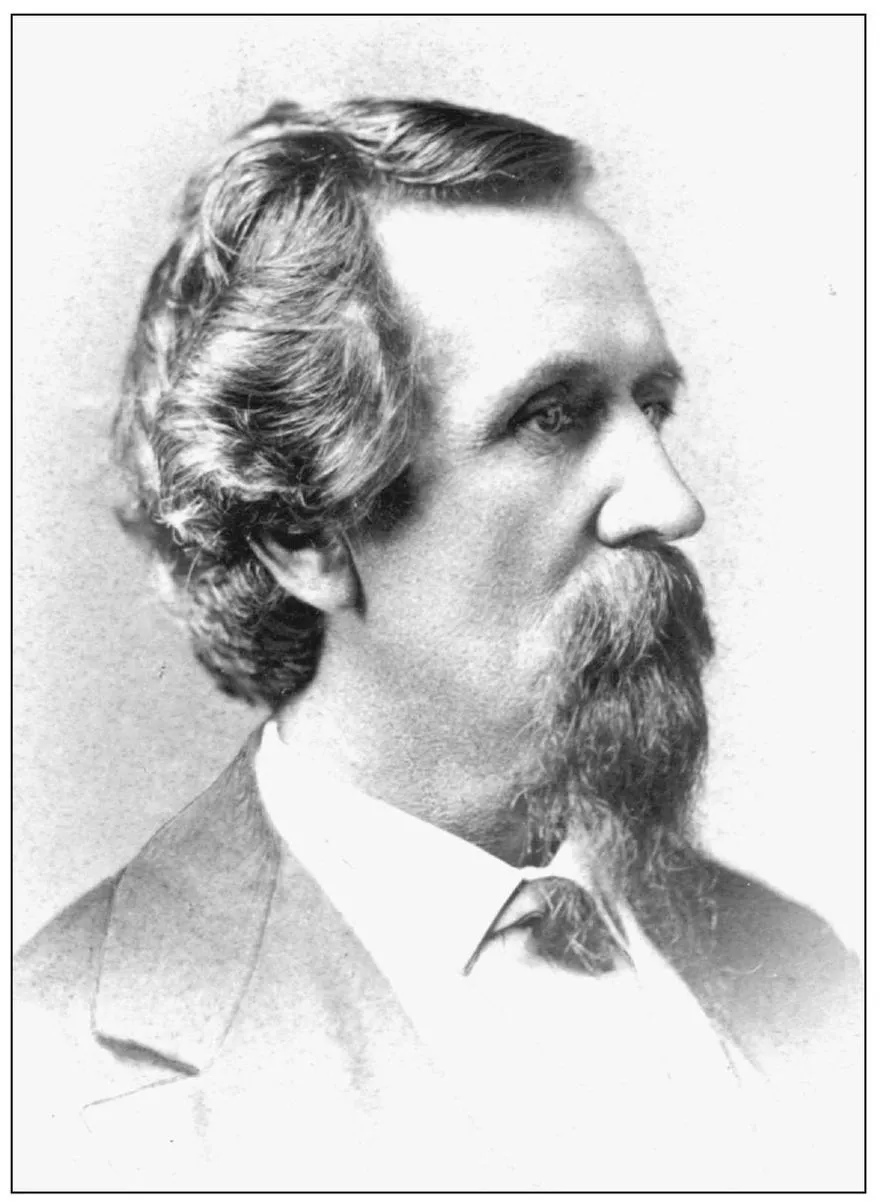
MOSES WHITE. Born in Knoxville, Moses White graduated from East Tennessee College in 1850. He was a member of the board of trustees from 1877 until his death in 1907. At the 1879 commencement, White delivered a lengthy address on the school’s history, which was published as The Early History of the University of Tennessee and still serves as a landmark work.

WOODROW WILSON VISITS THE UNIVERSITY OF TENNESSEE. On June 17, 1890, future president Woodrow Wilson came to Knoxville. As part of spring commencement exercises, Wilson spoke to students and faculty on the topic of leadership. The one-and-a-half-hour address, well attended by students, examined how a man of letters could become a politician in a popular democracy.
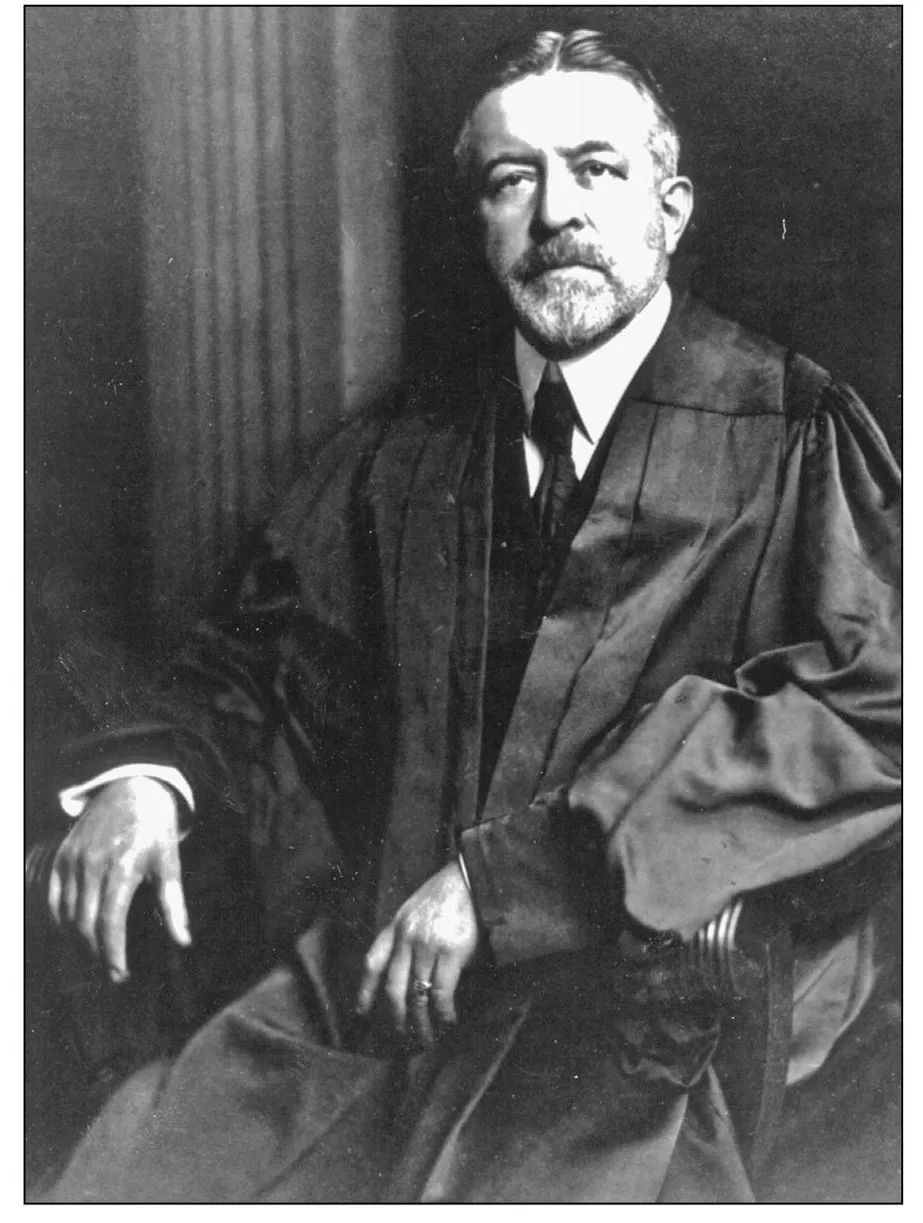
EDWARD TERRY SANFORD. Born in Knoxville, Sanford graduated from the university in 1883 and went on to complete degrees at Harvard. An authority on early university history, in 1894, he delivered an address at the institution’s centennial celebration. Sanford served on the board of trustees from 1897 until 1923. That year, he became an associate justice of the U.S. Supreme Court, serving until his death in 1930.

CHARLES W. DABNEY. In 1887, after four years without a president, the board of trustees appointed Charles Dabney, a young chemist from North Carolina. A Virginia native, Dabney held a Ph.D. in chemistry from the University of Göttingen in Germany. Previous work as state chemist and director of the experiment station in North Carolina prepared him well to lead the University of Tennessee. During Dabney’s 17-year tenure, the university grew exponentially. He hired nationally known professors, reorganized the curriculum to give better attention to agricultural and mechanical arts, relaxed the mandatory military requirement, admitted female students, secured the first direct state appropriation of funds, established a graduate school and law department, and doubled enrollment to over 700. Dabney also built new buildings and increased the value of the physical plant to ...
Table of contents
- Title Page
- Copyright Page
- Dedication
- Table of Contents
- ACKNOWLEDGMENTS
- INTRODUCTION
- One - INAUSPICIOUS BEGINNINGS 1794–1840
- Two - YEARS OF TUMULT AND REORGANIZATION 1840–1879
- Three - CREATION OF A MODERN UNIVERSITY 1879–1904
- Four - A PROGRESSIVE UNIVERSITY, 1904–1940
- Five - EXPANDING HORIZONS 1940–1980
- Six - PREPARATIONS FOR THE FUTURE 1980–PRESENT
- BIBLIOGRAPHY
- INDEX
Frequently asked questions
Yes, you can cancel anytime from the Subscription tab in your account settings on the Perlego website. Your subscription will stay active until the end of your current billing period. Learn how to cancel your subscription
No, books cannot be downloaded as external files, such as PDFs, for use outside of Perlego. However, you can download books within the Perlego app for offline reading on mobile or tablet. Learn how to download books offline
Perlego offers two plans: Essential and Complete
- Essential is ideal for learners and professionals who enjoy exploring a wide range of subjects. Access the Essential Library with 800,000+ trusted titles and best-sellers across business, personal growth, and the humanities. Includes unlimited reading time and Standard Read Aloud voice.
- Complete: Perfect for advanced learners and researchers needing full, unrestricted access. Unlock 1.5M+ books across hundreds of subjects, including academic and specialized titles. The Complete Plan also includes advanced features like Premium Read Aloud and Research Assistant.
We are an online textbook subscription service, where you can get access to an entire online library for less than the price of a single book per month. With over 1.5 million books across 990+ topics, we’ve got you covered! Learn about our mission
Look out for the read-aloud symbol on your next book to see if you can listen to it. The read-aloud tool reads text aloud for you, highlighting the text as it is being read. You can pause it, speed it up and slow it down. Learn more about Read Aloud
Yes! You can use the Perlego app on both iOS and Android devices to read anytime, anywhere — even offline. Perfect for commutes or when you’re on the go.
Please note we cannot support devices running on iOS 13 and Android 7 or earlier. Learn more about using the app
Please note we cannot support devices running on iOS 13 and Android 7 or earlier. Learn more about using the app
Yes, you can access University of Tennessee by Aaron D. Purcell in PDF and/or ePUB format, as well as other popular books in History & Education General. We have over 1.5 million books available in our catalogue for you to explore.