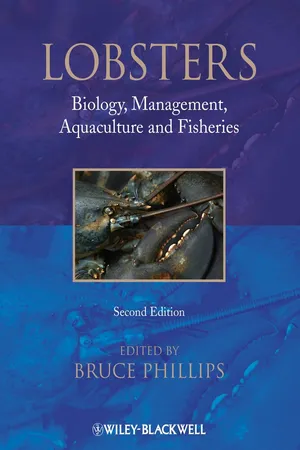
This expanded and fully updated Second Edition of the most comprehensive and successful book on lobsters, comprises contributions from many of the world's experts, each providing core information for all those working in lobster biology, fisheries research and management and lobster aquaculture.
Under the editorship of Bruce Phillips, the Second Edition of Lobsters: Biology, Management, Fisheries and Aquaculture delivers exhaustive coverage of these fascinating creatures, stretching from growth and development to management and conservation. A number of chapters from the First Edition covering Growth, Reproduction, Diseases, Behaviour, Nutrition, Larval and Post-Larval Ecology and Juvenile and Adult Ecology have been replaced by new chapters including Lobsters in Ecosystems, Genetics, Translocation, Climate Change, Ecolabelling of Lobsters, Casitas and Other Artificial Shelters, Systems to maximise Economic Benefits.. These new chapters reflect changes that are occurring in lobster management and new research developments brought on by social, climatic and economic changes.
As well as information from new research output, information in each chapter is also included on individual commercial Genera, including aspects of Species and distribution, Predators and diseases, Ecology and behaviour, Aquaculture and enhancement, Harvest of wild populations and their regulations, Management and conservation. The chapter on slipper lobsters has also been expanded to include Thenus and Ibacus species which are now subject to commercial fisheries. The changes that have occurred in some lobster fisheries, the new management arrangements in place, the status of stocks and the current economic and social situation of each fishery have also been covered and discussed in great detail.
Fisheries scientists, fisheries managers aquaculture personnel, aquatic and invertebrate biologists, physiologists, ecologists, marine biologists and environmental biologists will all find Lobsters Second Edition to be a vital source of reference. Libraries in all universities and research establishments where biological and life sciences and fisheries and aquaculture are studied and taught will find it an extremely valuable addition to their shelves.