Chapter 1: Introduction to Knitting
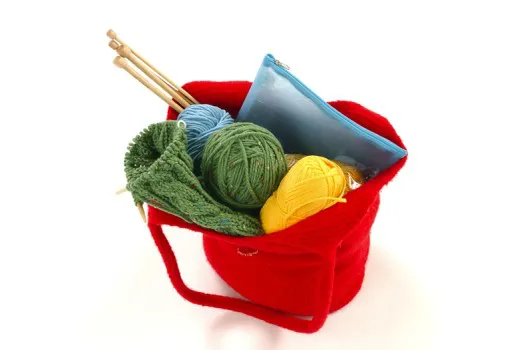
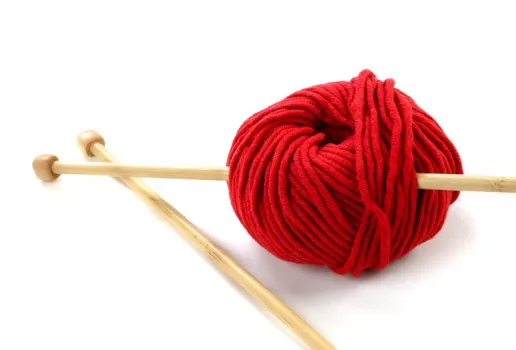
Are you ready to learn how to knit? Before you put any stitches on a needle, you need to gather materials: yarn, needles, and a few essential tools. There’s such a variety of yarns and tools that it’s a good idea to understand your options before you stock up on supplies.
Getting Started
Yarn Types
How to Read Yarn Labels
Care Instructions and Symbols
Needles and Accessories
Getting Started
Get yourself some yarn and needles and let this book walk you through the basics of knitting. By the end of the first few chapters, you will be proficient enough to create a beautiful scarf, a bag, or even a hat.
Once you begin to get into a knitting rhythm, you’ll discover one of the most relaxing and satisfying of hobbies. Sitting down and taking up your knitting—the feel of soft, warm wool running through your fingers, the look of vivid color against color, the excitement of watching your fabric grow—will become one of the highlights of your day.
Grandmothers are not the only ones who know the joy of knitting. Knitting has grown so much in popularity that there are knitting groups, knitting Web sites, and pattern books geared toward knitters of all ages and sensibilities. Children and teens are knitting in after-school groups, twenty-somethings are holding knitting circles in cafes, and new mothers are celebrating the births of their babies by knitting for them.
As more people have taken up knitting, the selection of yarns and tools has grown by leaps and bounds. Walk into any yarn shop, and the riot of texture and color will overwhelm and entice you. You’ll discover what seasoned knitters mean when they talk about the tremendous “stashes” of yarn hidden under their beds and in their closets.
What’s also wonderful about knitting is that you can take it with you everywhere. You may even begin to look forward to time spent in the doctor’s waiting room, or at your daughter’s violin lesson, or on a long train ride. You won’t be able to leave for vacation until you have packed a selection of knitting projects.
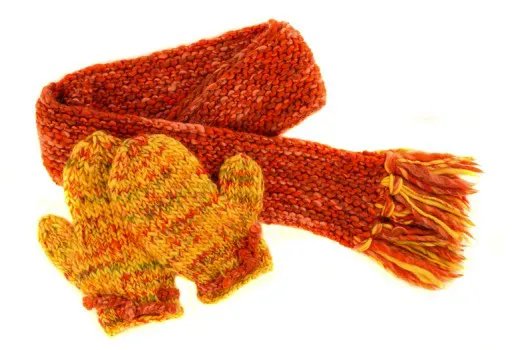
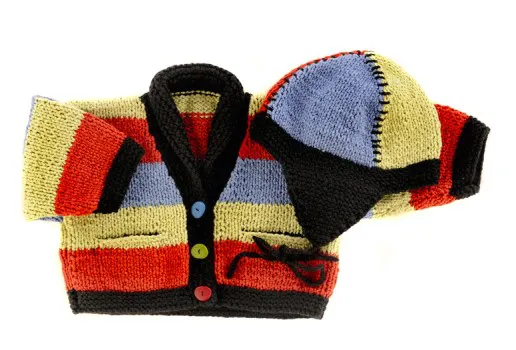
A hand-knit gift has extra meaning for both the person giving and the one receiving. When you knit a special hat, scarf, or baby sweater for someone, you weave your love into the fabric, and the person receiving your gift will know it and appreciate it.
It’s no wonder that people have been knitting for centuries. Even now, when sweaters can be mass-produced by machine, people are still choosing to create by hand. Hand knitting is a creative outlet that satisfies the senses and soothes the nerves. It’s good for you. Did you know that the rhythmic repetition of hand knitting can induce brain waves similar to those achieved through meditation? Once you learn the basic techniques that follow—and they’re easy—you, too, can let your needles fly and your mind wander.
Yarn Types
Knitting yarns come in so many fibers, weights, and textures that you may be overwhelmed when you first walk into a yarn shop. You can use the guide that follows to help choose yarns.
Natural Fibers
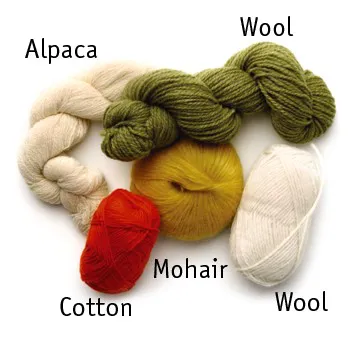
Yarns spun from animal fibers, like wool, alpaca, mohair, cashmere, and angora, are generally the warmest to wear and hold their shape well. Wool comes in a range of textures, from sturdy Shetlands to soft merinos. Alpaca is a sumptuous fiber with a lot of drape. Mohair is hairier than wool, and mohair-only garments have a fuzzy halo. Cashmere comes from goats and is buttery soft, but expensive. Angora, spun from rabbits, is also supple and fuzzy. Silk is warm, but not as elastic as wool. Garments knit in cotton, linen, bamboo, and hemp yarns are good for warm weather wear. These yarns, however, are less stretchy than wool. Sweaters knit in these fibers can lose their shape over time. Soft but strong, yarn made from soy has the look of silk.
Synthetic Fibers
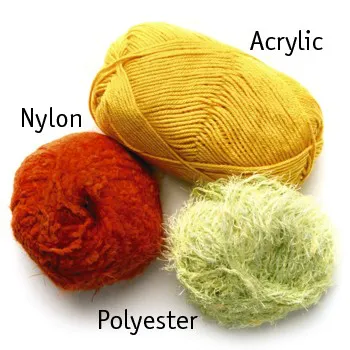
Synthetics include acrylic, nylon, and polyester. These yarns are human-made and often less expensive than natural fibers. Many are machine-washable.
Blends
Two or more fibers can be combined and spun into one yarn; these yarns are called blends. Certain...