Part I
Windows 7 Stuff Everybody Thinks You Already Know
In this part . . .
Most people are dragged into Windows 7 without a choice. Their new computers probably came with Windows 7 already installed. Or maybe the office switched to Windows 7, and everyone has to learn it except for the boss, who still doesn’t have a computer. Or maybe Microsoft’s marketing hype pushed you into it.
Whatever your situation, this part gives a refresher on Windows basics and buzzwords like dragging and dropping, cutting and pasting, and tugging at vanishing toolbars.
This part explains how Windows 7 has changed things for the better, and it warns you when Windows 7 has messed things up completely.
Chapter 1
What Is Windows 7?
In This Chapter
Getting to know Windows 7
Discovering the new features in Windows 7
Understanding how Windows 7 affects your old programs
Figuring out whether your PC is powerful enough to run Windows 7
Knowing which version of Windows 7 you need
Chances are good that you’ve heard about Windows: the boxes and windows and mouse pointer that greet you whenever you turn on your computer. In fact, millions of people all over the world are puzzling over it as you read this book. Almost every new computer sold today comes with a copy of Windows preinstalled — cheerfully greeting you when first turned on.
This chapter helps you understand why Windows lives inside your computer and introduces Microsoft’s latest Windows version, called Windows 7. I explain how Windows 7 differs from previous Windows versions, whether you should upgrade to Windows 7, and how well your faithful old PC will weather the upgrade.
What Is Windows 7, and Why Are You Using It?
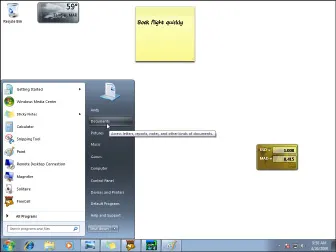
Created and sold by a company called Microsoft, Windows isn’t like your usual software that lets you write term papers or send angry e-mails to mail-order companies. No, Windows is an operating system, meaning it controls the way you work with your computer. It’s been around for more than 20 years, and the latest whiz-bang version is called Windows 7, shown in Figure 1-1.
Figure 1-1: Windows 7, the newest version of Microsoft Windows, comes preinstalled on most new PCs today.
Windows gets its name from all the cute little windows it places on your monitor. Each window shows information, such as a picture, a program that you’re running, or a baffling technical reprimand. You can put several windows on-screen at the same time and jump from window to window, visiting different programs. You can also enlarge a window to fill the entire screen.
Like the mother with the whistle in the lunch court, Windows controls every window and each part of your computer. When you turn on your computer, Windows jumps onto the screen and supervises any running programs. Throughout all this action, Windows keeps things running smoothly, even if the programs start throwing food at each other.
In addition to controlling your computer and bossing around your programs, Windows 7 comes with a bunch of free programs. Although your computer can run without these programs, they’re nice to have. These programs let you do different things, like write and print letters, browse the Internet, play music, and even create a slide show from your vacation photos and burn it to a DVD — automatically.
And why are you using Windows 7? If you’re like most people, you didn’t have much choice. Nearly every computer sold since October 22, 2009 comes with Windows 7 preinstalled. A few people escaped Windows by buying Apple computers (those nicer-looking computers that cost a lot more). But chances are good that you, your neighbors, your boss, your kids at school, and millions of other people around the world are using Windows.
Microsoft took pains (and several years of work) to make Windows 7 the most secure version of Windows yet. (Just ask people who upgraded from previous versions.)
Windows makes it easy for several people to share a single computer. Each person receives his or her own user account. When users click their name at the Windows opening screen, they see their own work — just the way they left it. Windows 7 includes controls for parents to limit the time their kids spend on the PC, as well as what programs they can open.
Windows includes a new backup program that makes it easier to do what you should have been doing all along: Make copies of your important files every night, a task I describe in Chapter 12.
The powerful new search program and library system in Windows 7 mean that you can forget about where you’ve stored your files. To find a missing file, just click the Start menu and type what that file contained: a few words in a document, the name of the band singing the song, or even the year your favorite jazz albums were released.
Should I Bother Switching to Windows 7?
Microsoft hopes everybody will immediately switch to Windows 7. Because people buying new PCs automatically already receive Windows 7 preinstalled on their PC, Microsoft is targeting two other groups: people using Windows XP and people using Windows Vista.