![]()
Chapter 1
Why You Should Test That
Almost everything that distinguishes the modern world from earlier centuries is attributable to science, which achieved its most spectacular triumphs in the seventeenth century.
—Bertrand Russell
What is optimization? The word optimization has become extremely popular in digital marketing in recent years, which has led to some confusion as well as a plethora of acronyms.
There’s conversion-rate optimization (CRO), also known as conversion optimization (CO); landing-page optimization (LPO), which is really a subset of CRO; marketing optimization (MO); business process optimization (BPO); search engine optimization (SEO); website optimization (WSO); social media optimization (SMO); and now, apparently, video search engine optimization (VSEO) and more!
In Internet marketing circles, conversion-rate optimization is too often confused with SEO. I think the repeated use of optimization makes sense, but it can also be distracting. If we were in the business of pancake optimization, we would probably be pursuing the perfect pancake, right? Likewise, conversion-rate optimization is the pursuit of the optimal conversion rate, not a higher search-engine ranking or any other type of optimization or efficiency.
For the purpose of this book, we’ll define conversion-rate optimization (or conversion optimization) as the science and art of getting more revenue-generating actions from the same numberof visitors. If that goal sounds good to you, read on!
This chapter looks at how conversion-rate optimization can benefit your business: the importance of your website to your business and the likelihood that it may be underperforming for you; the importance of designing for effectiveness and not slavishly following “best practices”; and more. You’ll see how conversion-rate optimization can increase revenue without increasing advertising spend, and finally how CRO can work together with SEO.
Your Website Is Crucial to Your Business
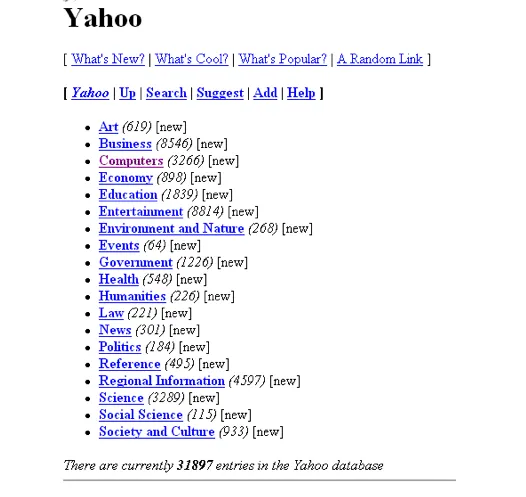
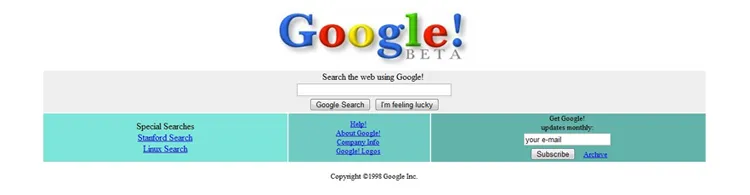
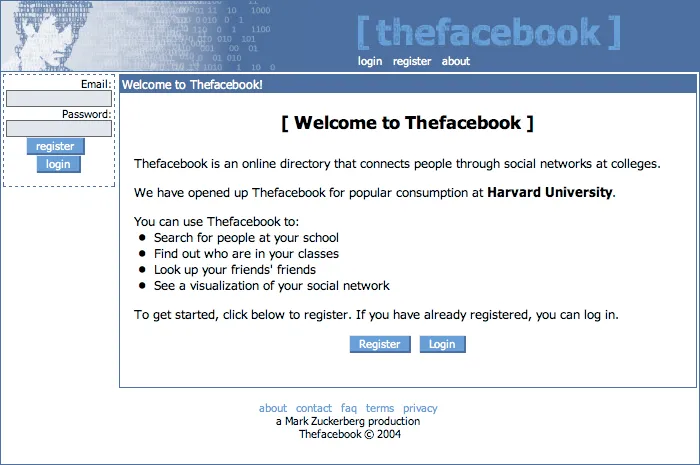
Do you remember what the Web looked like in 1994? Most people don’t. Many were just starting to read about the coming “information superhighway.” Some of the most popular websites didn’t even exist. Google.com and Dell.com both launched in 1996. Facebook.com didn’t show up in its original university-only version until 2004, and it was still called The Facebook. MySpace.com hadn’t yet had its explosive growth or its implosive decline. Here you can see examples of how some of the most popular sites originally looked.
start figure end figure start figure end figure start figure end figure Back then, when I began my first web-design business, websites didn’t get a lot of attention. Many of the businesses that hired me considered their sites inconsequential novelties or, at best, “brochures” that most customers would never see or interact with.
Businesses could afford to ignore the Web then. Only the geeky few of us with our plodding dial-up modems were online to see their websites, anyway!
Today, everything has changed. The Web is our daily companion. We connect with friends through social networks and get product and business information wherever we are with our mobile devices. The Web is our most important source of information and social interaction.
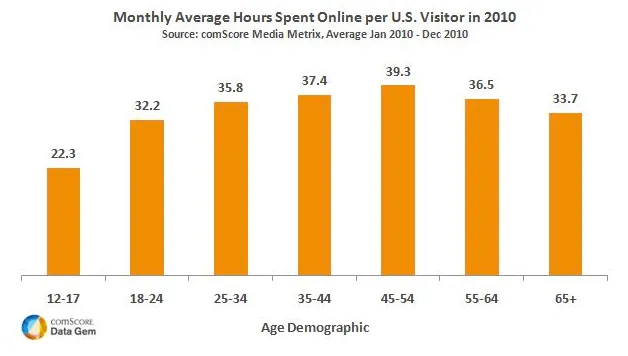
The average American spends between 22 and 34 hours per month online, and that number jumps much higher if you count mobile web browsing. Consider the Media Metrix research by comScore.
start figure end figure Not only is the Web ubiquitous, but it’s also highly influential. Up to 90 percent of purchasers are influenced by online research before making an offline purchase, according to a study by Experian.
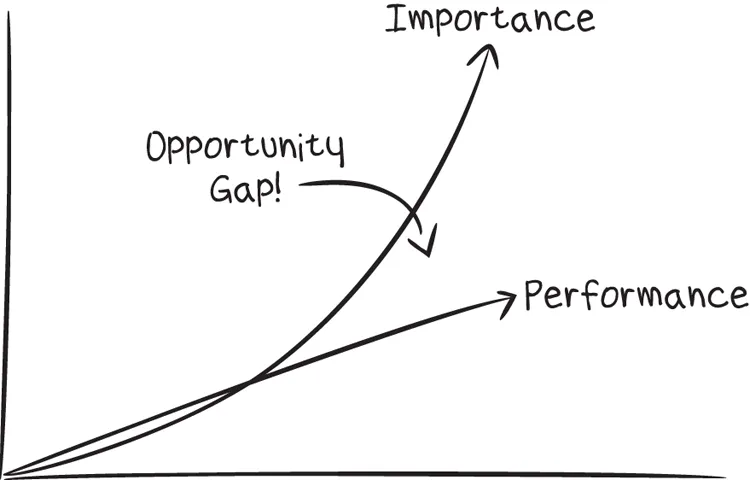
We have a unique situation right now: the importance of the Web is still in a dramatic upswing, but the performance of most website experiences is still severely below potential. In other words, the experience and results of websites aren’t living up to their owners’ expectations and their performance potential. This translates to your online business getting fewer actions than you deserve.
The good news is that this has created a huge and growing opportunity gap. The potential to get more actions and better return on investment (ROI) is very real. Better yet, the book you’re holding can give you a framework to get the extra revenue your customers want to give you!
start figure end figure This is one reason I’m excited about the long-term prospects for careers in conversion-rate optimization. The discipline, processes, and skill set needed to consistently improve web experiences will be valuable for a long time to come, and the necessary skills are also highly adaptable to other media.
Your Website Is Underperforming
To tell you that your website is underperforming is a pretty bold claim because I may have never even seen your website, much less analyzed your performance metrics. Nevertheless, I can confidently tell you exactly that: your website is underperforming its potential.
All Websites Can Be Improved
I’ve never seen a website that couldn’t be improved. In fact, the best online companies in the world are committed to continuous improvement on their websites. Some of the best-known examples include Google constantly tweaking and testing its algorithm and website design, Facebook testing, releasing, and modifying new features rapidly, and Amazon, which is well known for evolving its website through testing.
More important, let’s think about you. What is your conversion rate for new visitors right now? 1 percent, 3 percent, 20 percent, 30 percent? Whatever it is, I’m willing to bet that you don’t have a 100 percent conversion rate.
start feature
What Is a Conversion Rate?
Conversion rate represents the percentage of visitors who complete your desired action, which may be to fill out a contact form, purchase a product, or call the sales phone number. It’s calculated as follows: Conversion Rate (%) = Conversions (#) / Unique Visitors (#) × 100%
end feature If your company is like most, the vast majority of visitors leave without indicating the most basic level of interest. Are you satisfied that the majority of your expensive traffic is being wasted? Should you be allocating the majority of your scarce marketing budget to driving more people to this underperforming website?
The sad fact is that your website is turning away most of your prospects and customers in disappointment. The good news is that your competitors are probably in just as bad shape. Let’s hope they’re not reading this book like you are. You may have a window of opportunity to gain a strong lead!
The Halo Effect of Underperformance
The halo effect is a psychological bias in which our perception of someone’s strengths or weaknesses influences our perception of their other attributes. For example, if we have a favorite sports celebrity, our admiration of their sports talent will spill over into other areas, so we accept their product recommendations as valuable. That’s why celebrity endorsements have worked so well.
Unfortunately, when your website is underperforming, it has a halo effect on your prospects’ perception of your product performance.
Are You Fast?
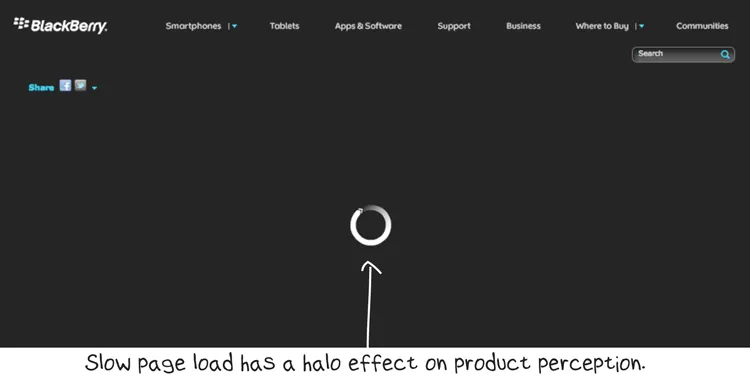
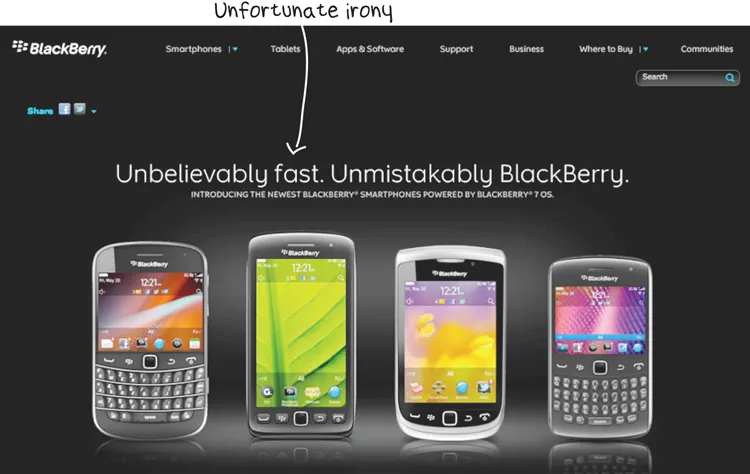
For example, if you want to communicate that your product is fast, how quickly should your website load? Let’s look at the website for BlackBerry smartphones. The home page includes complex hover effects with large background images and textures. The download requirements to fulfill the designer’s vision cause a very slow load time. Here’s what I saw for the first few seconds on the page:
start graphic end graphic start graphic end graphic Do you see the irony of the headline that appeared once the page loaded? The website experience is negatively affecting the exact value-proposition point that this company wants to promote.
Is It Easy?
If you claim that your product or service is easy, take a look at how easy your website is to understand and use:
- How many steps are in your signup process?
- How many fields of information are required in your purchase process?
- How easy is it to find your shipping information?
- Is your product information understandable?
We’ll get into more detail about how to identify these types of issues and more in Chapter 7, “Optimize for Clarity,” Chapter 8, “Optimize for Anxiety,” and Chapter 9, “Optimize for Distraction.” The important point to understand is that the halo effect from your website’s usability is influencing your prospects’ perception of your product.
An Example: Rotating Offers, the Scourge of Home-Page Design
In WiderFunnel’s conversion-rate optimization work, one of the most common elements we come across is the rotating home-page offer banner, or slideshow. It’s a great example of how typical websites evolve common features that are harmful to business results. We have tested rotating offers many times and found them to be a poor way of presenting home-page content.
...