Anche i giuristi e i filosofi del diritto hanno da lungo tempo dimestichezza con quelle "verità artificiali" che essi sono soliti chiamare «dogmi». Il fenomeno della volontà interpretativa che forzi a considerare fatto ciò che di per sé non sarebbe empiricamente verificabile – tuttavia – si rivela presto ben più esteso e radicale di quanto possa manifestarsi nel solo àmbito giuridico. Persino l'evidenza apparentemente più indiscutibile del Pianeta – vale a dire quella del divenire delle cose, del loro venire dal e del loro andare nel nulla – potrebbe infatti rivelarsi non un'innegabile verità, bensì una semplice fede. E "follia", frutto d'un nichilismo inconsapevole, diverrebbe allora anche la credenza – sulla quale, tra l'altro, poggia pure l'intero edificio della scienza giuridica – di poter in qualche modo cambiare il corso degli eventi, plasmandolo secondo una propria volontà demiurgica.
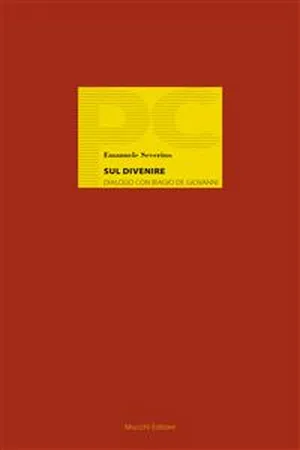
Gli "abitatori del tempo" vivono nella convinzione che tutto, al mondo, sia legna che brucia, la quale più o meno lentamente diventa cenere. Ed essi credono inoltre che la prova irrefutabile di tale caducità – genus di cui la mortalità dell'uomo è semplice species – possa essere (e in concreto sia) offerta, banalmente, dall'esperienza. Ma la stessa "morte", scavando al sottosuolo del problema, è fatto o interpretazione? Questo capitolo del dialogo fra Emanuele Severino e Biagio de Giovanni – che le Piccole Conferenze si pregiano qui d'ospitare per il suo universale valore teorico – racchiude così in un'unica domanda, solo in apparenza provocatoria, l'estrema sfida lanciata a tutte le categorie filosofiche del Pensiero Occidentale.
- English
- ePUB (mobile friendly)
- Available on iOS & Android
eBook - ePub
About this book
Information
Topic
PhilosophySubtopic
Public LawTable of contents
- Collana
- Frontspizio
- Colophon
- Prefazione
- I. Attualismo e tecnica
- II. Monocromia
- III. Divenire e destino
- IV. L'apparire della morte
- V. L'accadimento dell'errare
- VI. Il linguaggio
- VII. Sulla potenza della volontà
- VIII. Essere e pensiero
- IX. "Logica dell'astratto"
- X. La struttura originaria del destino e le sue implicazioni
- XI. Il domandare e la struttura originaria del destino
- XII. Contraddizione dialettica e struttura originaria del destino
- XIII. La Gloria e la Gioia
- XIV. Simmetrie
Trusted by 375,005 students
Access to over 1.5 million titles for a fair monthly price.
Study more efficiently using our study tools.
Frequently asked questions
Yes, you can cancel anytime from the Subscription tab in your account settings on the Perlego website. Your subscription will stay active until the end of your current billing period. Learn how to cancel your subscription
No, books cannot be downloaded as external files, such as PDFs, for use outside of Perlego. However, you can download books within the Perlego app for offline reading on mobile or tablet. Learn how to download books offline
Perlego offers two plans: Essential and Complete
- Essential is ideal for learners and professionals who enjoy exploring a wide range of subjects. Access the Essential Library with 800,000+ trusted titles and best-sellers across business, personal growth, and the humanities. Includes unlimited reading time and Standard Read Aloud voice.
- Complete: Perfect for advanced learners and researchers needing full, unrestricted access. Unlock 1.5M+ books across hundreds of subjects, including academic and specialized titles. The Complete Plan also includes advanced features like Premium Read Aloud and Research Assistant.
We are an online textbook subscription service, where you can get access to an entire online library for less than the price of a single book per month. With over 1.5 million books across 990+ topics, we’ve got you covered! Learn about our mission
Look out for the read-aloud symbol on your next book to see if you can listen to it. The read-aloud tool reads text aloud for you, highlighting the text as it is being read. You can pause it, speed it up and slow it down. Learn more about Read Aloud
Yes! You can use the Perlego app on both iOS and Android devices to read anytime, anywhere — even offline. Perfect for commutes or when you’re on the go.
Please note we cannot support devices running on iOS 13 and Android 7 or earlier. Learn more about using the app
Please note we cannot support devices running on iOS 13 and Android 7 or earlier. Learn more about using the app
Yes, you can access Sul Divenire by Emanuele Severino in PDF and/or ePUB format, as well as other popular books in Philosophy & Public Law. We have over 1.5 million books available in our catalogue for you to explore.