- English
- ePUB (mobile friendly)
- Available on iOS & Android
eBook - ePub
QuickBooks Online For Dummies (UK)
About this book
Effectively manage business finances with Quickbooks If you need a guide for essential bookkeeping, QuickBooks Online For Dummies, UK Edition helps you get finances under control. This book offers guidance in the areas of budgeting, payroll, taxes, inventory, accounts and more. It assists small business owners, accountants and bookkeepers who could benefit from QuickBooks Online tutorials. It provides easy-to-follow and practical instruction using the QuickBooks cloud-based solution. Track and control finances alerts, reminders, and detailed reports for a clear view into the financial status of your business.
Information
Part 1
Getting Started with QBO and QBOA
IN THIS PART …
Examine what QBO is and what it isn’t.
Learn the requirements to use QBO.
Meet the QBO interface.
Chapter 1
Introducing QBO and QBOA
IN THIS CHAPTER

QuickBooks Online (QBO) and QuickBooks Online Accountant (QBOA) are web-based products you can use to manage your business’s accounting. This chapter introduces these products and discusses whether you should move into the cloud to manage your accounting. It also examines the system requirements for these products.
QBO for the Client and QBOA for the Accountant
QuickBooks Online offers you the ability to manage your business’s accounting in the cloud. The software is divided into two products: one for end users and the other for accountants. Interfaces for both products are available on multiple platforms.
QuickBooks Online (QBO) is the cloud-based product for end users who need to perform typical accounting tasks. QBO is based on the same principles as the QuickBooks Desktop product – that is, it uses lists to, for example, manage customers and vendors, and it includes transactions similar to the ones found in the QuickBooks Desktop product. But, QBO is not simply a ‘rewrite’ of the QuickBooks Desktop product for the web. It was designed and developed as a new product, optimized for web-based usage.
QuickBooks Online Accountant (QBOA) is the cloud-based portal that accountants use to access client QBO companies, work in them, and communicate with clients. QBOA also includes a QBO company in its Your Books section that accountants can use to track the accounting of their own businesses.
Comparing interfaces
QBO and QBOA were initially written and optimized to be used in the major web browsers – Chrome, Firefox, Safari, Microsoft Edge, and Internet Explorer. Later, Intuit added QBO apps that you can use to work in QBO on iOS and Android mobile devices. Intuit also offers a desktop version of QBO referred to in this book as, cleverly, QBO Desktop; this version is not a mobile app (it won’t work on phones and isn’t available in the Google Play Store or the Apple App Store) but it will work on any Mac or Windows computer, including ‘portable’ computers like laptops and tablets, making it somewhat mobile. It also is not the QuickBooks Desktop product, which is not a cloud-based product.
In this section of the book, you explore what QBO and QBOA look like in a browser; the next section explores what the QBO Desktop edition looks like as well as detailing some of the things you can do in the iOS and Android mobile app versions of QBO.
In a browser, an open company in QBO looks similar to the one shown in Figure 1-1. I cover the interface in more detail in Chapter 3, but for the time being, the most important thing to notice is the Navigation bar that runs down the left side of the screen. If you’ve been a QuickBooks Desktop user and you’ve used the Left Icon Bar in that product, you might find the Navigation bar a familiar tool. The Left Icon Bar and the Navigation bar work the same way; you click a link in either of them to navigate to a portion of the program.
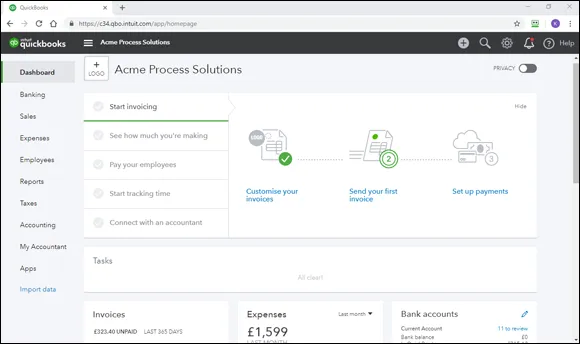
FIGURE 1-1: An open company in QBO.
Clicking the three-striped button beside the QuickBooks logo above the Navigation bar enables you to collapse the Navigation bar to view just the icons (and clicking it again expands the Navigation bar back to the view in Figure 1-1). When you collapse the Navigation bar (you see an example of it collapsed in Chapter 3), you have more screen real estate to view the right side of the QBO interface.
At the top of the screen, you see tools that help QBO users create transactions, search for existing transactions, and view settings for the QBO company.
Figure 1-2 shows what an accountant sees immediately upon logging in to QBOA. The Navigation bar changes to support an accountant’s needs, showing a Your Practice section and a Your Clients section; you can read more about the QBOA interface in Chapter 11.
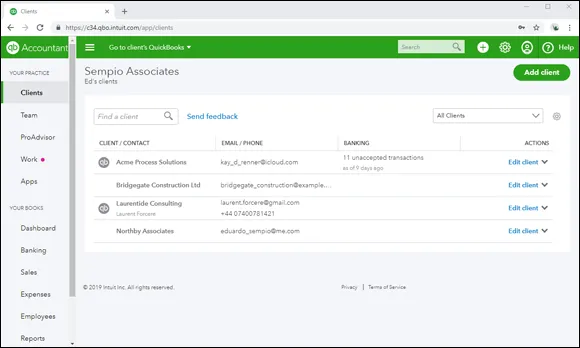
FIGURE 1-2: The first view an accountant has when he opens QBOA.
When an accountant opens a client’s company from within QBOA (see Figure 1-3), the interface resembles what a client sees, with some minor differences. Compare Figure 1-1 with Figure 1-3. First, you know you’re using QBOA because the top of the Navigation pane shows QB Accountant. Second, the Accountant Tools menu (the briefcase icon) displays tools not found in QBO that help accountants manage client companies.
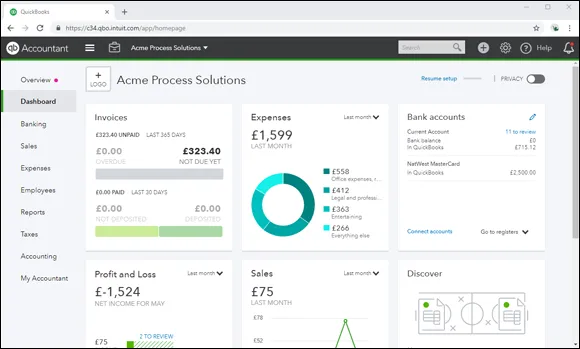
FIGURE 1-3: An open company in QBOA.
Even though an open company looks a bit different depending on whether you open it using QBO or QBOA, the basic functionality doesn’t really change, other than accountants have more options than end users have.

Taking a look at QBO Desktop and QBO Mobile
You can work with QBO and QBOA without a browser by using QBO Desktop or the iOS or Android apps.
Introducing QBO Desktop
If you prefer, you can work with QBO using QBO Desktop; it’s purported to run faster than QBO in your browser, but I’ll let you judge for yourself. To download QBO Desktop, use your browser to navigate to the QBO sign-in page:
http://quickbooks.intuit.com/apps. On the page that appears, you’ll see a Free Download button; click it and follow the onscreen instructions to download and install QBO Desktop.
Figure 1-4 shows QBO Desktop with a QBO company open, and Figure 1-5 shows QBOA just after opening it in QBO Desktop (but before opening any client company).
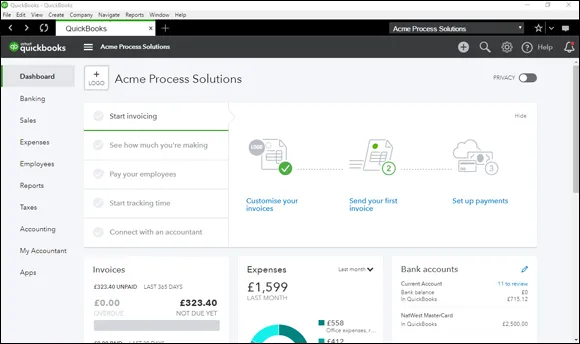
FIGURE 1-4: QBO while working in QBO Desktop.
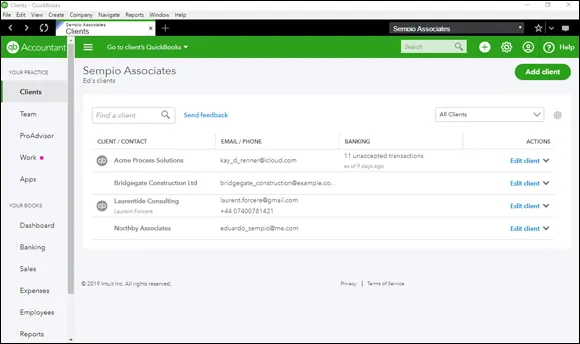
FIGURE 1-5: QBOA while working in QBO Desktop.
If you compare Figure 1-5 to Figure 1-1, you’ll notice that, once again, QBOA users have the same additional options in QBO Desktop that they have ...
Table of contents
- Cover
- Table of Contents
- Introduction
- Part 1: Getting Started with QBO and QBOA
- Part 2: Managing the Books for the End User
- Part 3: Managing the Books for the Accountant
- Part 4: The Part of Tens
- Appendix A: QBO, QuickBooks Desktop, and Data Conversion
- Index
- About the Author
- Connect with Dummies
- End User License Agreement
Trusted by 375,005 students
Access to over 1.5 million titles for a fair monthly price.
Study more efficiently using our study tools.
Frequently asked questions
Yes, you can cancel anytime from the Subscription tab in your account settings on the Perlego website. Your subscription will stay active until the end of your current billing period. Learn how to cancel your subscription
No, books cannot be downloaded as external files, such as PDFs, for use outside of Perlego. However, you can download books within the Perlego app for offline reading on mobile or tablet. Learn how to download books offline
Perlego offers two plans: Essential and Complete
- Essential is ideal for learners and professionals who enjoy exploring a wide range of subjects. Access the Essential Library with 800,000+ trusted titles and best-sellers across business, personal growth, and the humanities. Includes unlimited reading time and Standard Read Aloud voice.
- Complete: Perfect for advanced learners and researchers needing full, unrestricted access. Unlock 1.5M+ books across hundreds of subjects, including academic and specialized titles. The Complete Plan also includes advanced features like Premium Read Aloud and Research Assistant.
We are an online textbook subscription service, where you can get access to an entire online library for less than the price of a single book per month. With over 1.5 million books across 990+ topics, we’ve got you covered! Learn about our mission
Look out for the read-aloud symbol on your next book to see if you can listen to it. The read-aloud tool reads text aloud for you, highlighting the text as it is being read. You can pause it, speed it up and slow it down. Learn more about Read Aloud
Yes! You can use the Perlego app on both iOS and Android devices to read anytime, anywhere — even offline. Perfect for commutes or when you’re on the go.
Please note we cannot support devices running on iOS 13 and Android 7 or earlier. Learn more about using the app
Please note we cannot support devices running on iOS 13 and Android 7 or earlier. Learn more about using the app
Yes, you can access QuickBooks Online For Dummies (UK) by Elaine Marmel in PDF and/or ePUB format, as well as other popular books in Computer Science & Financial Accounting. We have over 1.5 million books available in our catalogue for you to explore.