![]()
Part II
General Examination
A general look at the patient may be extremely useful in defining the cause, associated complications, or assist in the differential diagnosis. In the following section, relevant physical signs are discussed in general, and especially in relation to pulmonology.
Anemia
It is a decrease in hemoglobin with or without a corresponding decrease in the total red blood cell count below a normal range given for the age, sex, and race. Normal hemoglobin in adult males is 14 to 18 gm%, while in females, it is 12.5 to 16.5 gm%.
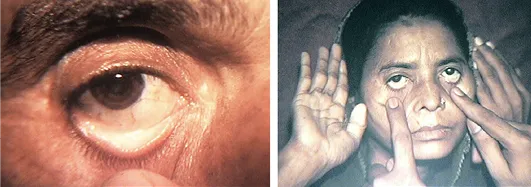
Figure 1 Gross anemia (pale complexion is best seen under the lower eyelid)
Examination: The conjunctiva under the lower eyelids, tongue, hands, nails, and general complexion of the patient indicates the amount of pallor (Figure 1), which is usually proportional to the extent of anemia. Pale complexion without anemia is seen with severe vasoconstriction seen in advanced heart failure.
History: A good history can only be taken while keeping the etiological causes in mind. One can ask direct questions pertaining to each cause. In relation to pulmonology, a detailed history of dietary habits, episodes of any blood loss (especially hemoptysis), drug intake (especially immunosuppressants and anti-cancer drugs), diseases associated with hemoptysis, especially tuberculosis (see section on hemoptysis), and AIDS.
Etiology: Anemia may be classified according to etiological and pathological causes. Morphological classification is based on the size and chromatin content of red cells. Hypochromic and microcytic anemia is classically seen in iron deficiency (blood loss) and thalassemia (rarely with sideroblastic anemia and chronic disorders). Macrocytic anemia is seen with megaloblastic marrow in B12 and folic acid deficiency. Hemolysis may be seen in congenital hemolytic anemias, autoimmune hemolytic anemia, and infections like mycoplasma pneumonia, bacterial endocarditis, malaria, clostridia, hemophilus, salmonella, and meningococcus. A normochromic and normocytic anemia is associated with chronic disorders, infections, malignancy, CRF, endocrine disorders, and connective tissue disorders.
Clinical Features
These are best divided into...