Nearly 200 beautiful examples of wrought iron gates, screens, balustrades, and other architectural adornments.
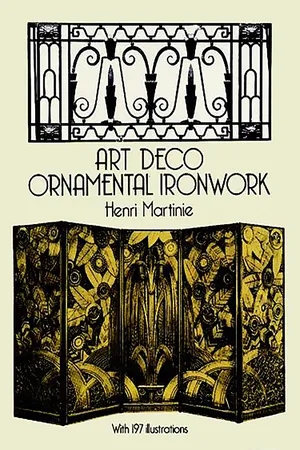
- 112 pages
- English
- ePUB (mobile friendly)
- Available on iOS & Android
eBook - ePub
Art Deco Ornamental Ironwork
About this book
Information
Print ISBN
9780486285351
PUBLISHER’S NOTE
The Exposition Internationale des Arts Décoratifs et Industriels Modernes, held in Paris in 1925, had such impact that its name was applied to the modernist movement in decorative arts—Art Deco. With pavilions devoted to départements of France, colonies and foreign countries, the fair attracted 16 million visitors.
One of the most impressive aspects of the exhibition was the profusion and extraordinarily high quality of the ironwork displayed. During the Middle Ages and Renaissance, European wrought iron had attained an artistic inventiveness that had lapsed in modern times. In the exhibition, wrought iron, especially the work of Edgar Brandt (amply illustrated on these pages), awakened in craftsmen, particularly in the United States, a new appreciation of this versatile, durable material. It enjoyed a widespread popularity through the building boom that lasted until about 1930, combining utility and beauty in public and private structures.
The illustrations reproduced here are taken from two portfolios: La Ferronnerie, consisting of 58 loose plates (1-58 in the present edition), with an introduction by Henri Martinie, published by Editions Albert Levy, Paris, 1926; and La Ferronnerie: Deuxième Série, consisting of 48 loose plates (59-106 in the present edition), with an introduction by A.-H. Martinie (the same person), also published by Levy, 1929. The first volume is devoted to the work shown at the exposition; the second to works the locations of which are, for the main part, unidentified.
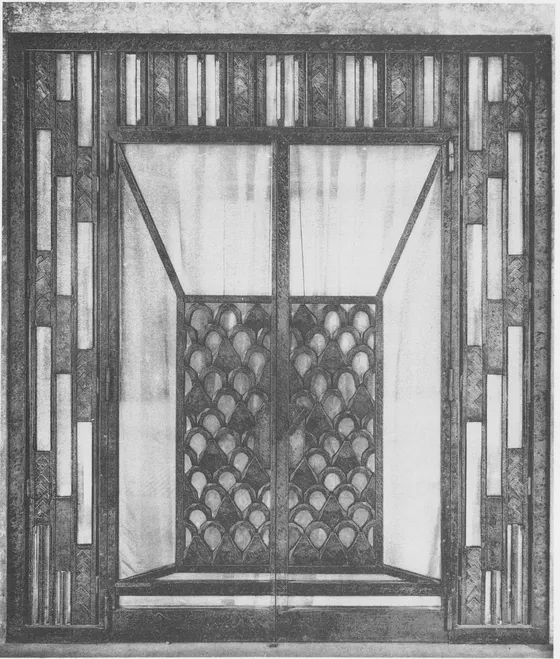
Plate 1. Interior doorway, Nancy Pavilion. (Ironwork by Jean Prouvé.)
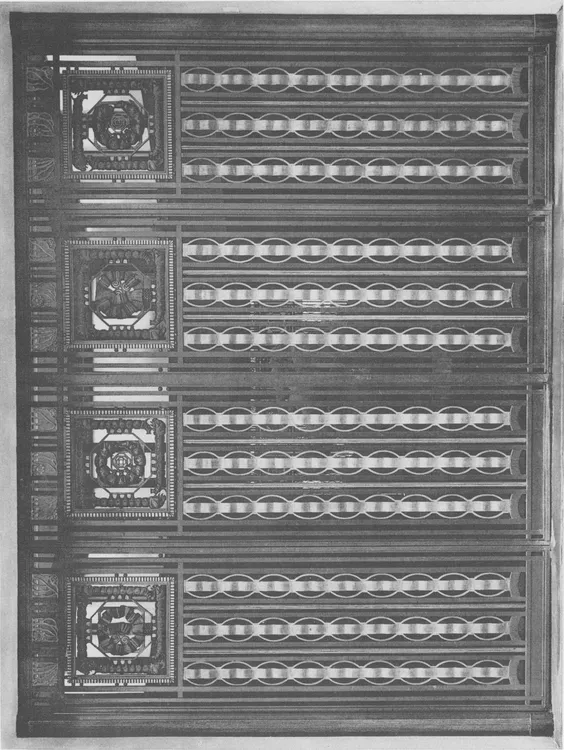
Plate 2. Entrance of the Rhône-et-Loire Pavilion. (Tony Garnier, architect; ironwork by Charles Piguet.)
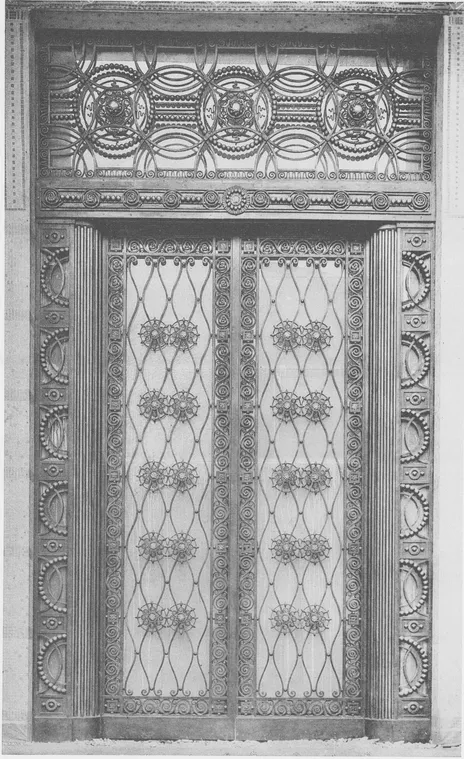
Plate 3. Door, Reims Library. (M. and L. Sainsaulieu, architects; ironwork by Schwartz-Haumont.
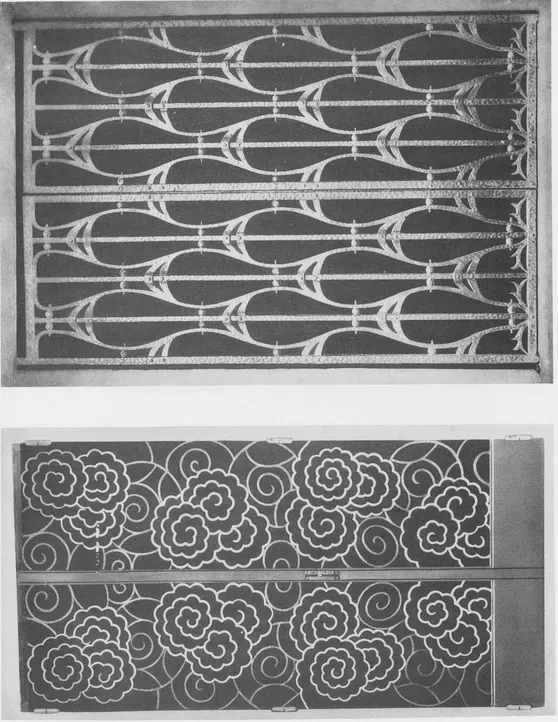
Plate 4. LEFT: Door, Perfumes Fantanis Pavilion. (Eric Bagge. Archirect; ironwork by E. Schenck, ) RIGHT: Door, mausoleum for the dead of the Region of Champagne. (Adolphe Prost, architect; ironwork Decrion.)
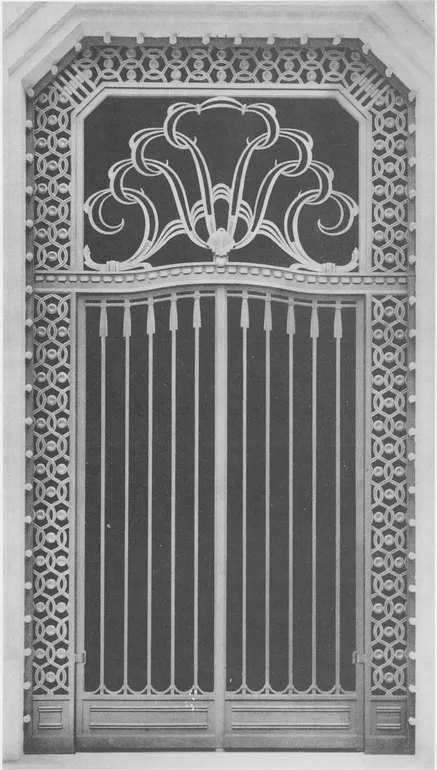
Plate 5. Door, Pavilion of the City of Paris. (Ironwork by Baguès Frères.)
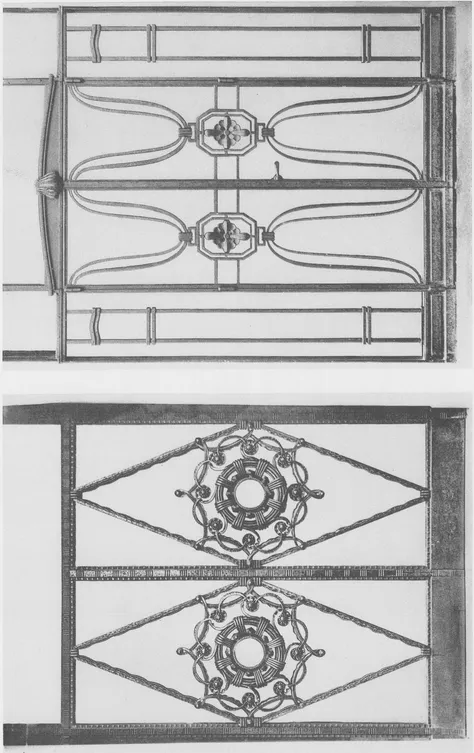
Plate 6. LEFT: Entrance, Pavilion of Fully Qualified Architects. (Tournon, architect; ironwork by Raymond Subes, executed by Borderel and Robert.) RIGHT: Samll side door, Pavilion of the City of Paris. (Roger Bouvard, architect; ir...
Table of contents
- Title Page
- Copyright Page
- Table of Contents
- PUBLISHER’S NOTE
- DOVER BOOKS ON ANTIQUES, COLLECTING
Trusted by 375,005 students
Access to over 1.5 million titles for a fair monthly price.
Study more efficiently using our study tools.