eBook - ePub
Neuropharmacology Methods in Epilepsy Research
- 272 pages
- English
- ePUB (mobile friendly)
- Available on iOS & Android
eBook - ePub
Neuropharmacology Methods in Epilepsy Research
About this book
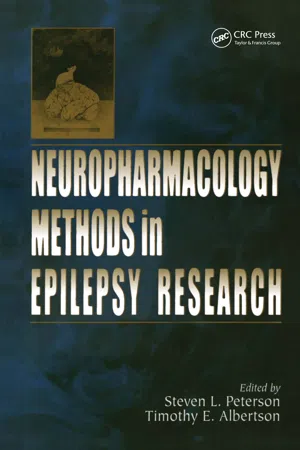
There is an estimated 2.5 million epileptics in the US and perhaps some 40 million worldwide. As research has become increasingly molecular in scope, fewer scientists are trained in the US on basic, integrated epilepsy techniques. One frustration in neuroscience today is the application of state-of-the-art molecular biology techniques to inappropriate animal models of epilepsy - frequently resulting in inconclusive results. Epilepsy research will be increasingly undertaken by scientists well-trained in reductionist methodology, but who may be unfamiliar with integrated, whole-animal techniques. This situation appears even more difficult considering there has been no updated textbook on experimental models of epilepsy over the last twenty years - until now. Neuropharmacology Methods in Epilepsy Research describes fundamental methodologies and procedures in this field, representing the only detailed text concerning experimental models of epilepsy published in the last 20 years. This guide studies the reproduction of well-characterized and readily interpretable experimental models of epilepsy to which state-of-the-art molecular biology techniques can be applied. Each chapter features: Introduction - providing a brief background and historical account of the techniques and their use Methodology - describing equipment, solutions, species, electrodes as well as considering variations of techniques and stimulation parameters Interpretations - demonstrating the relevance of techniques to epilepsy as well as describing what exactly is being studied and how the data is appropriately applied to understanding epilepsy Topics include electroshock, chemoconvulsions, kindling, audiogenic seizures, focal seizures, and brain slice preparations. Discussions also include: Recently developed seizure models, including status epilepticus and massed trial simulations Influence of circadian and diurnal rhythms on convulsive activity Behavior al and cognitive deficits associated with anticonvulsant drug testing Technical approaches, i.e. slice models, microdialysis techniques, intracranial implant surgery, audiogenic seizure testing, kindling paradigms, and the rhythmic nature of seizures This unique text provides a thorough reference for the diverse methodologies within this area of neuropharmacological research - providing the basis for on-going cellular and molecular investigations as well as novel therapeutic approaches to the treatment of epilepsy.
Information
Index
A
Absence seizures, 7, 21, 147-148. see also Generalized absence seizures
Acepromazine anesthesia, 84
Acetozolamine, 105
Acetylcholine, 166, 240
Acoustic priming, 128, 138-140
Acrylic cement, 51, 77
ACSF (artificial cerebrospinal fluid), 116, 213-217, 222-223, 229, 233, 236-237
Activity meters, 181
AD. see Afterdischarge
ADD (Antiepileptic Drug Development) Program, 188
Adenosine, 90
Administration routes of flurothyl, 108
of homocysteine thiolactone, 107
intracerebroventricular (i.e.v.), 98-101
intraperitoneal (i.p.), 99, 103
intravenous (IV), 99
of kainic acid, 98-99
of lithium chloride, 104
microinfusion, 98
microinjection, 98, 144
of pilocarpine, 102-103
protective index and, 188
subcutaneous (s.c), 99, 103
systemic, 99, 102
Adrenergic neuromodulators, 90
ADT (afterdischarge threshold), 53-55, 59-61, 65, 77-78, 112
AEDs. see Antiepileptic drugs
Afterdischarge (AD)
duration (ADD), 57-61, 78-80, 82-83, 88
kindling rate and, 61
primary, 60, 116
rebound, 57
secondary, 57, 60, 78-79, 116
threshold (ADT), 53-55, 59-61, 65, 77-78, 112
Age, response and, 114, 135, 137
Aggregation techniques, 200
Aggression, 59, 102, 105, 113
AGS. see Audiogenic seizures
Alcohol, 49, 221-222
Alternation behavior, 184
Alumina cream, 156
Aluminum, 42, 156
2-Amino-7-phosphoheptanoate (APH), 144-145
2-Amino-5-phosphonovaleric acid, 117
Amphenol pins, 48, 77
Amphibians, kindling in, 64
Amygdala, 53, 56, 60, 100, 103-104, 109
Amygdala kindling
in genetically epilepsy-prone ...
Table of contents
- Cover
- Half Title
- Title Page
- Copyright Page
- The Editors
- Dedication
- Contributors
- Preface
- Table of Contents
- Electroshock
- Chemoconvulsants
- The Kindling Model of Temporal Lobe Epilepsy
- Rapid Kindling: Behavioral and Electrographic
- Experimental Models of Status Epilepticus
- Audiogenic Seizures in Mice and Rats
- Models of Focal Epilepsy in Rodents
- Evaluation of Associated Behavioral and Cognitive Deficits in Anticonvulsant Drug Testing
- Gene Targeting Models of Epilepsy: Technical and Analytical Considerations
- The Hippocampal Slice Preparation
- Microdialysis Techniques for Epilepsy Research
- Methodologies for Determining Rhythmic Expression of Seizures
- Index
Trusted by 375,005 students
Access to over 1.5 million titles for a fair monthly price.
Study more efficiently using our study tools.
Frequently asked questions
Yes, you can cancel anytime from the Subscription tab in your account settings on the Perlego website. Your subscription will stay active until the end of your current billing period. Learn how to cancel your subscription
No, books cannot be downloaded as external files, such as PDFs, for use outside of Perlego. However, you can download books within the Perlego app for offline reading on mobile or tablet. Learn how to download books offline
Perlego offers two plans: Essential and Complete
- Essential is ideal for learners and professionals who enjoy exploring a wide range of subjects. Access the Essential Library with 800,000+ trusted titles and best-sellers across business, personal growth, and the humanities. Includes unlimited reading time and Standard Read Aloud voice.
- Complete: Perfect for advanced learners and researchers needing full, unrestricted access. Unlock 1.5M+ books across hundreds of subjects, including academic and specialized titles. The Complete Plan also includes advanced features like Premium Read Aloud and Research Assistant.
We are an online textbook subscription service, where you can get access to an entire online library for less than the price of a single book per month. With over 1.5 million books across 990+ topics, we’ve got you covered! Learn about our mission
Look out for the read-aloud symbol on your next book to see if you can listen to it. The read-aloud tool reads text aloud for you, highlighting the text as it is being read. You can pause it, speed it up and slow it down. Learn more about Read Aloud
Yes! You can use the Perlego app on both iOS and Android devices to read anytime, anywhere — even offline. Perfect for commutes or when you’re on the go.
Please note we cannot support devices running on iOS 13 and Android 7 or earlier. Learn more about using the app
Please note we cannot support devices running on iOS 13 and Android 7 or earlier. Learn more about using the app
Yes, you can access Neuropharmacology Methods in Epilepsy Research by Steven L. Peterson, Steven L. Peterson,Timothy E. Albertson, Steven L. Peterson, Timothy E. Albertson in PDF and/or ePUB format, as well as other popular books in Biological Sciences & Mathematics General. We have over 1.5 million books available in our catalogue for you to explore.