Staircases - Structural Analysis and Design
eBook - ePub

Staircases - Structural Analysis and Design

  1. 348 pages
  2. English
  3. ePUB (mobile friendly)
  4. Available on iOS & Android
eBook - ePub

Staircases - Structural Analysis and Design

About this book

In recent years both free-standing and geometric staircases have become quite popular. Many variations exist, such as spiral, helical, and elliptical staircases, and combinations of these. A number of researchers have come forward with different concepts in the fields of analytical and numerical design and of experimental methods and assessments. The aim of this book is to cover all these methods and to present them with greater simplicity to practising engineers.

Staircases is divided into five chapters: Specifications and basic data on staircases; Structural analysis of staircases – Classical methods; Structural analysis of staircases – Modern methods; Staircases and their analysis – A comparative study; Design analysis and structural detailing. Charts and graphs are included and numerous design examples are given of freestanding and other geometric staircases and of their elements and components. These examples are related to the case studies which were based on staircases that have already been constructed. All examples are checked using various Eurocodes.

The book includes bibliographical references and is supported by two appendices, which will be of particular interest to those practising engineers who wish to make a comparative study of the different practices and code requirements used by various countries; detailed drawings are included from the USA, Britain, Europe and Asia. Staircases will serve as a useful text for teachers preparing design syllabi for undergraduate and post graduate courses. Each major section contains a full explanation which allows the book to be used by students and practising engineers, particularly those facing the formidable task of having to design/ detail complicated staircases with unusual boundary conditions. Contractors will also find this book useful in the preparation of construction drawings and manufacturers will be interested in the guidance given.

Frequently asked questions

Yes, you can cancel anytime from the Subscription tab in your account settings on the Perlego website. Your subscription will stay active until the end of your current billing period. Learn how to cancel your subscription.
No, books cannot be downloaded as external files, such as PDFs, for use outside of Perlego. However, you can download books within the Perlego app for offline reading on mobile or tablet. Learn more here.
Perlego offers two plans: Essential and Complete
  • Essential is ideal for learners and professionals who enjoy exploring a wide range of subjects. Access the Essential Library with 800,000+ trusted titles and best-sellers across business, personal growth, and the humanities. Includes unlimited reading time and Standard Read Aloud voice.
  • Complete: Perfect for advanced learners and researchers needing full, unrestricted access. Unlock 1.4M+ books across hundreds of subjects, including academic and specialized titles. The Complete Plan also includes advanced features like Premium Read Aloud and Research Assistant.
Both plans are available with monthly, semester, or annual billing cycles.
We are an online textbook subscription service, where you can get access to an entire online library for less than the price of a single book per month. With over 1 million books across 1000+ topics, we’ve got you covered! Learn more here.
Look out for the read-aloud symbol on your next book to see if you can listen to it. The read-aloud tool reads text aloud for you, highlighting the text as it is being read. You can pause it, speed it up and slow it down. Learn more here.
Yes! You can use the Perlego app on both iOS or Android devices to read anytime, anywhere — even offline. Perfect for commutes or when you’re on the go.
Please note we cannot support devices running on iOS 13 and Android 7 or earlier. Learn more about using the app.
Yes, you can access Staircases - Structural Analysis and Design by M.Y.H. Bangash in PDF and/or ePUB format, as well as other popular books in Technology & Engineering & Civil Engineering. We have over one million books available in our catalogue for you to explore.

CHAPTER 1

Specifications and basic data on staircases

1.1 Introduction to Staircases

A stair is constructed with steps rising without a break from floor to floor, or with steps rising to a landing between floors, with a series of steps rising further from the landing to the floor above. There are three basic ways in which stairs are planned:
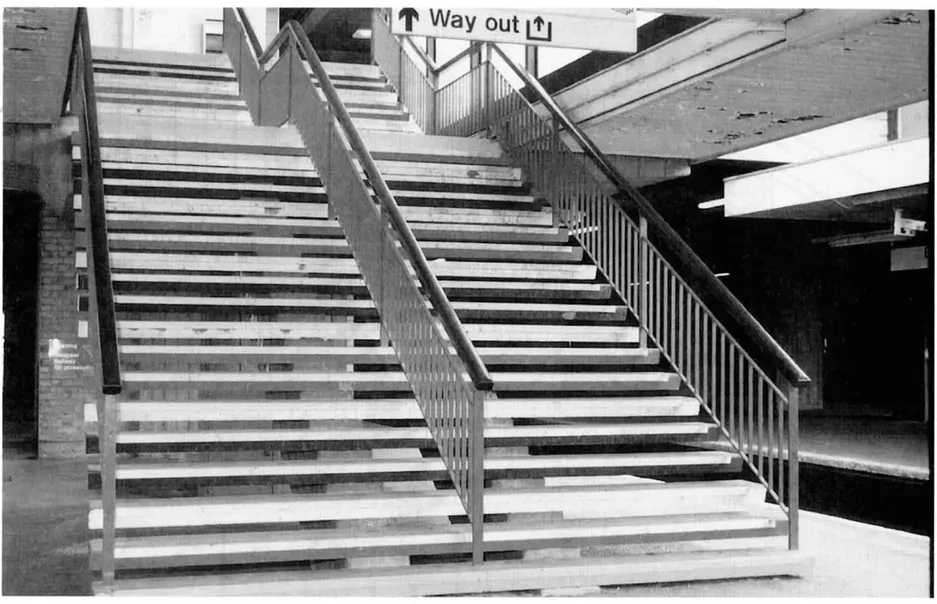
A straight flight stair (Fig. 1.1), which rises from floor to floor in one direction with or without landing.
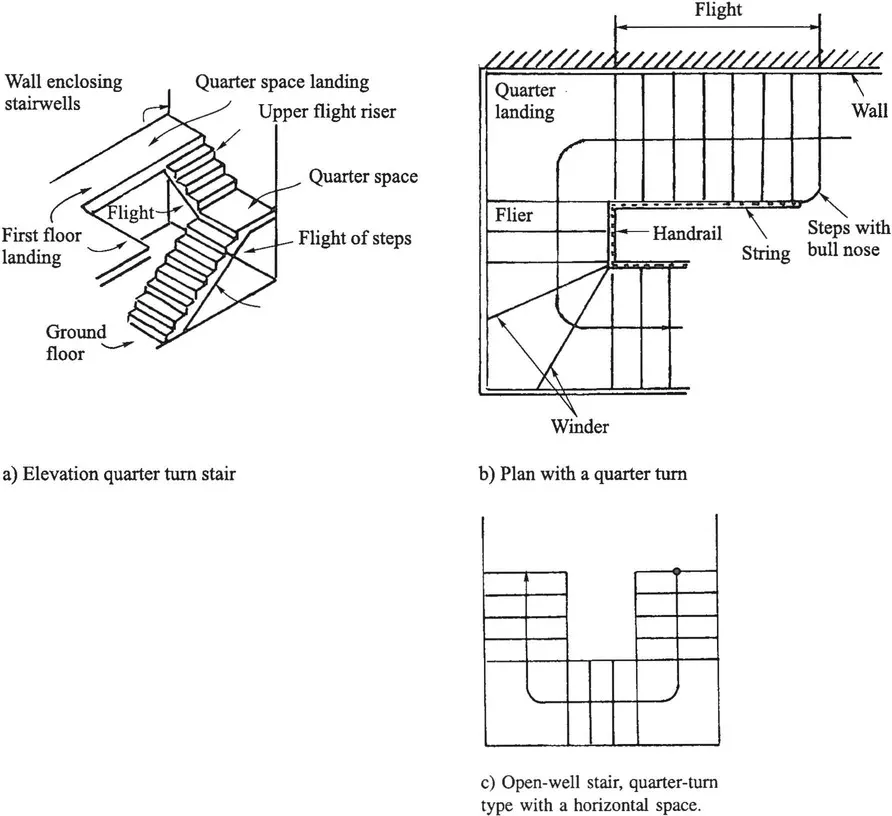
A quarter turn stair (Fig. 1.2), which rises to a landing between floors, turns through 90°, then to the floor above.
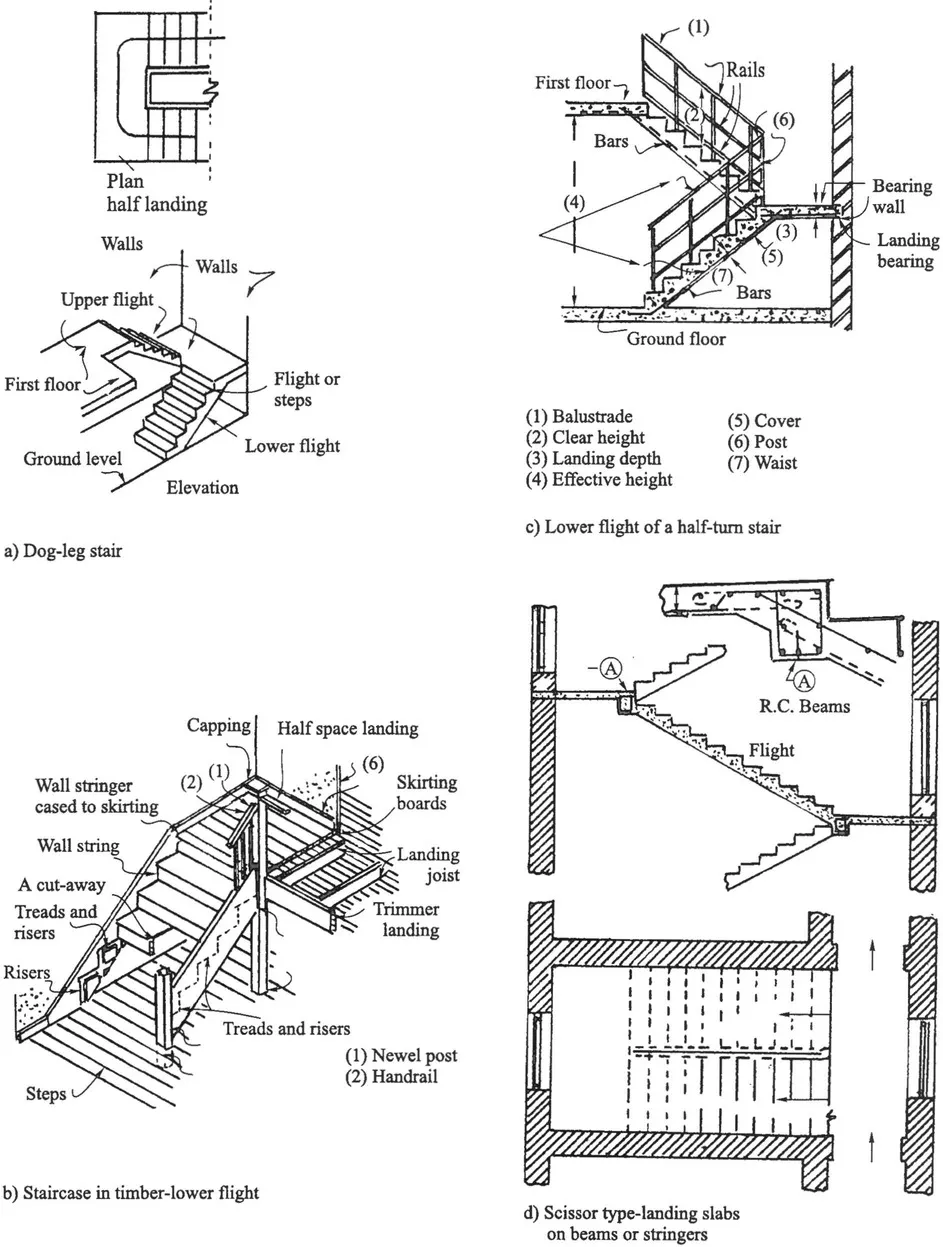
A half turn stair (Fig. 1.3), which rises to a landing between floors, turns through 180°, then rises, parallel to the lower flight, to the floor above. This type of stair is sometimes called ‘dog-leg’ or ‘scissor-type stair’.
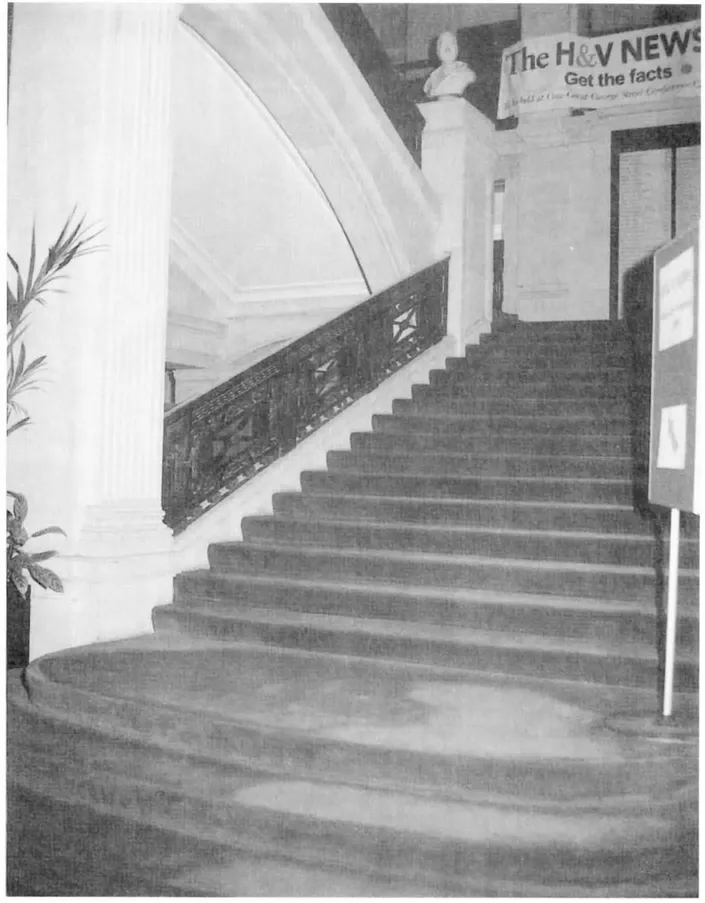
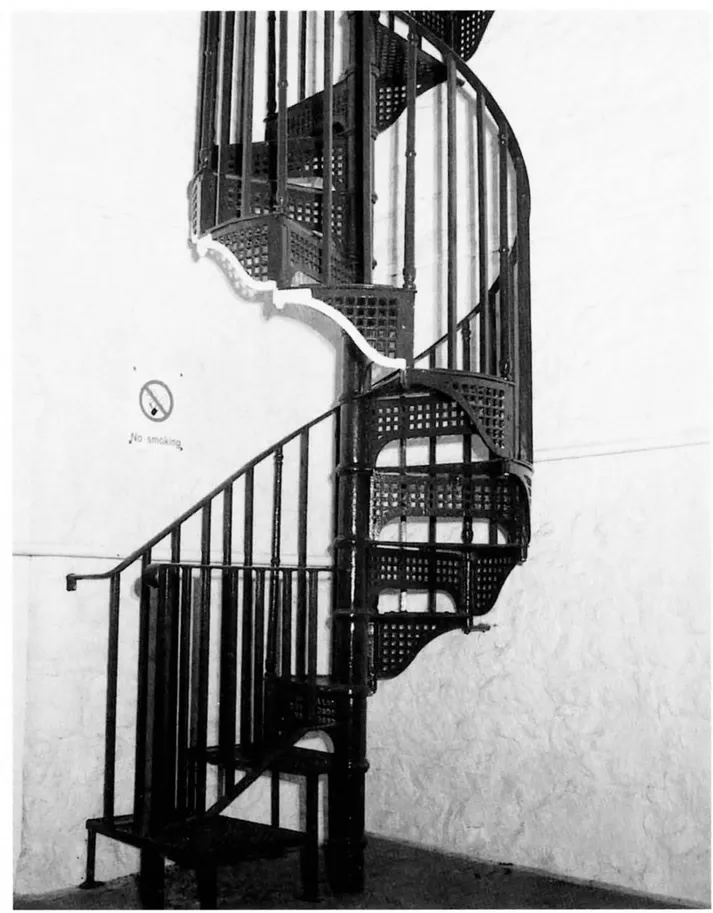
Geometric stairways. The stairs mentioned above are generally freestanding ones. In addition to these, stairs known as geometrical stairs can be designed into spiral, helical, circular, elliptical (Fig. 1.4) and other shapes. They can all be in concrete, steel, timber or combination. The stairs are sometimes described as open well stairs where a space or well exists between flights (Fig. 1.2(c)).
Again in free-standing stairs the main types are:
– Type 1 : Those supported transversely or across the flight. Stringer beams are needed (Fig. 1.1) on one or both sides.
– Type 2: Those spanning longitudinally along the flight of steps (Fig. 1.2) either on walls or on landing beams or on wall beams.
– Type 3: Cantilever type projecting from walls or wall beams (Fig. 1.5) with each step acting as a cantilever.
– Type 4: Combination of Type 2 and Type 3. Every 4th or 5 th step is cantilevered with sloped soffit with a slab continuous between two steps.
The structural details of some of the stairs are given in Appendix 2.
Image
Figure 1.1. Straight flight stairs.
Image
Figure 1.2. Quarter turn stairs.

1.2 Stairway Layouts

Stairway layouts depend on several factors including building type and its layout, choices, material etc. Comfortable stairways should be designed in relation to the dimensions of the human figure. A summary of the American practice for staircases is given in Tables 1.1 and 1.2. The British Standard on stairs BS5395 (1977) defines some of these dimensions in Figure 1.6. The British and the European practices use the following criteria for width, length and headroom etc.:
a) Flats - two storey to four storey wF = 900 mm; more than four storey wF = 1000 mm.
b) Public buildings using each floor - under 200 persons wF = 1 m; 200 to 400 persons wF = 1.5 m; in excess of 400 persons 150 mm to wF > 3 m. Where the width is 1.8 m or over, the width should be divided by a handrail.
c) The length and rise a minimum of 3 steps and a maximum of 16 steps. There must not be more than 36 rises in consecutive flights without a change in the direction of travel of 30° or more. The total rise must not exceed 6 m.
Image
Plate 1.1. Open riser stringer stair straight flight.
Image
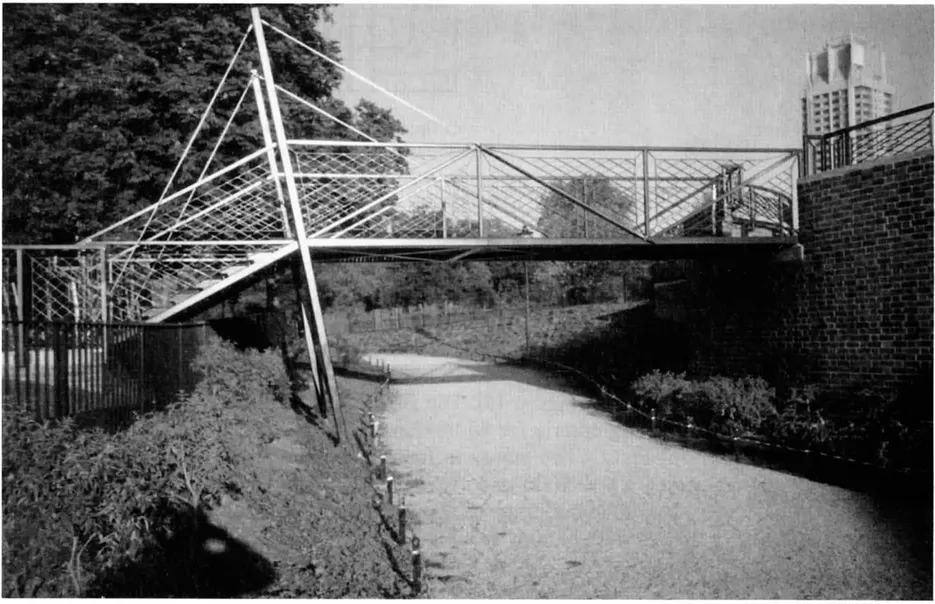
Plate 1.2. Straight stairs and long landing using cable stays.
Image
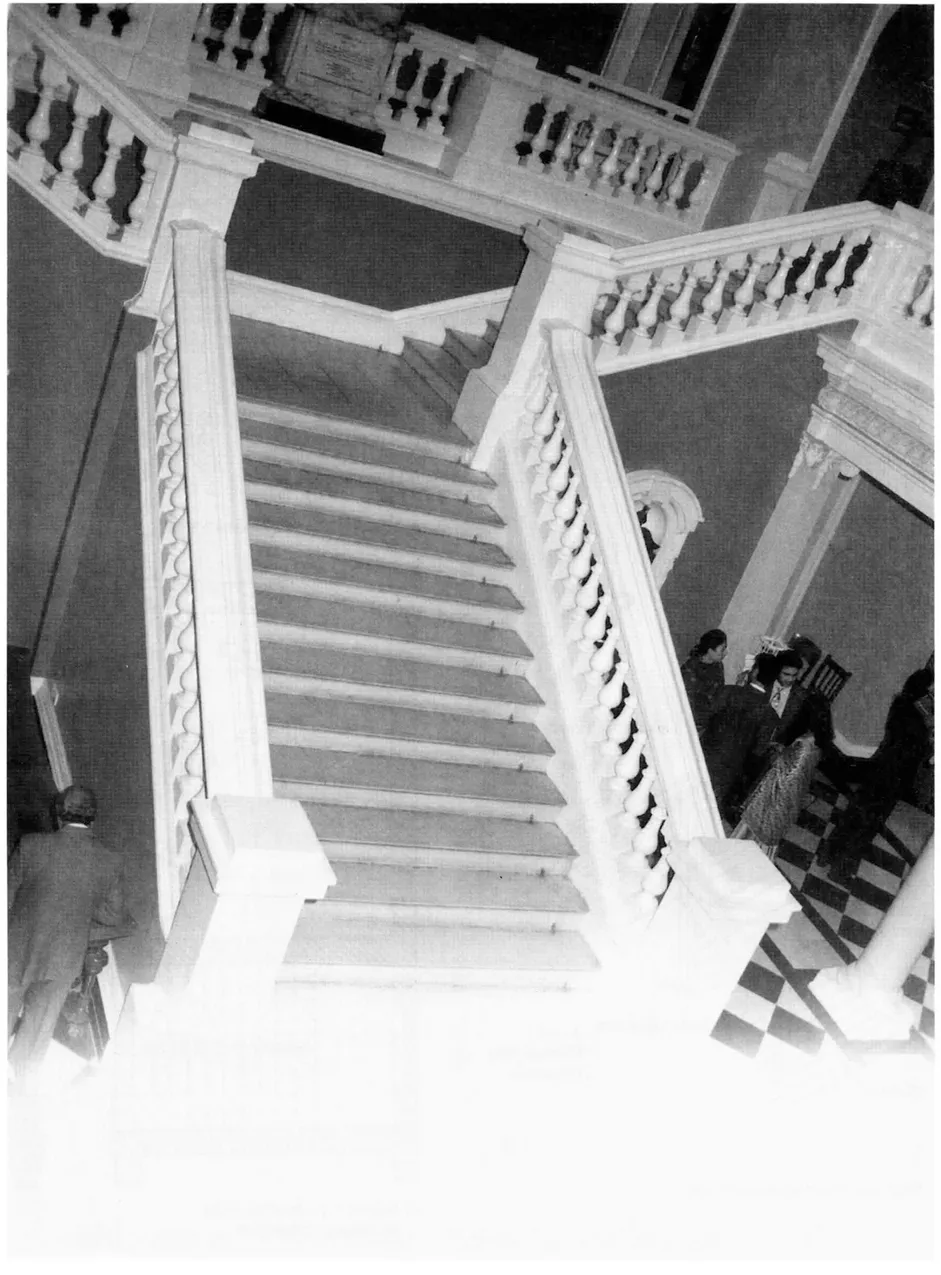
Plate 1.3. Close stringer stairs (quarter turn). (With compliments from the Institution of Civil Engineers, London.)
Image
Figure 1.3. Half turn stairs.
Image
Plate 1.4. Scissor type stairs.

1.2.1 Landings, landing beams and flights

A quarter space landing in wood is generally supported by a newel post carried down to the floor below. In small houses quarter or half turn stairs are sometimes constructed with winders (Fig. 1.2(b)) instead of quarter or half space landings. Winders are triangular shaped steps constructed at the turn from one flight to the next. The landing beams (Fig. 1.9) are designed as rectangular or flanged beams, for the reactions from the two flights or steps on one side and the landing on the other.
Image
Plate 1.5. Helical stair case in steel.

1.2.2 Strings or stringers

These are available in steel, concrete, timber and composite. There are two types of wood string, namely, the open (cut) and the close (closed) strings. The string enclo...
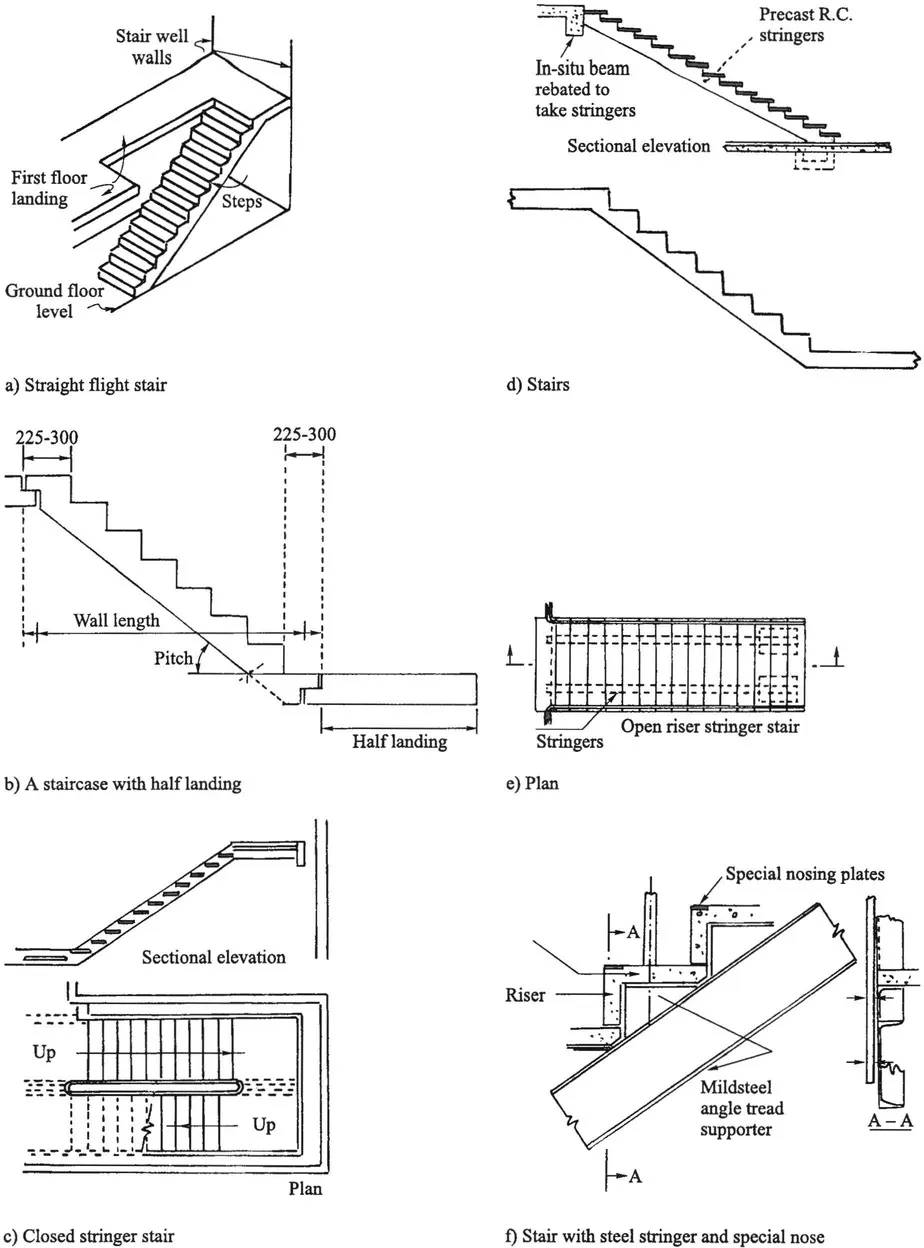
Table of contents

  1. Cover
  2. Half Title
  3. Title Page
  4. Copyright Page
  5. Contents
  6. Preface
  7. Acknowledgements
  8. Definitions
  9. Major notations
  10. Comparison of notations
  11. Conversion factors (units)
  12. 1 Specifications and basic data on staircases
  13. 2 Structural analysis of staircases: Classical methods
  14. 3 Structural analysis of staircases
  15. 4 Staircases and their analyses
  16. 5 Design analysis and structural detailing
  17. Appendix 1 Supporting analyses
  18. Appendix 2 Structural details for practising engineers
  19. References