Designed for introductory research courses in the professional fields and social sciences, this text acquaints students and beginning researchers with a broad view of research methodologies and an understanding of the assumptions that inform each of these approaches. More experienced researchers will also find the book useful in acquainting them with methodologies and theoretical frameworks that are new to them.
The text is distinguished by its avoidance of using the discreet categories of qualitative and quantitative methods to organize the chapters. While some chapter authors rely more on one or the other, many employ multiple methodologies to investigate particular problems and questions. Further, the book is not organized into single, contradictory positivist-interpretivist categories of research; chapter authors often situate methodologies within a variety of, and sometimes multiple, theoretical positions, particularly as these approaches are shaped by the historical context of social science research.
Focus points in Foundations for Research: Methods of Inquiry in Education and the Social Sciences:
*research ethics.
*intertwined relationship of theory and research design.
*systematic examination of ways to design and implement high-quality, trustworthy research across varying research designs.
*specific methods for implementing research within various frameworks.
*pedagogical strategies.

eBook - ePub
Foundations for Research
Methods of Inquiry in Education and the Social Sciences
- 448 pages
- English
- ePUB (mobile friendly)
- Available on iOS & Android
eBook - ePub
Foundations for Research
Methods of Inquiry in Education and the Social Sciences
About this book
Trusted by 375,005 students
Access to over 1.5 million titles for a fair monthly price.
Study more efficiently using our study tools.
Information
1
Introduction
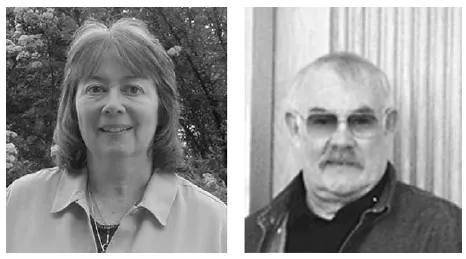
Kathleen deMarrais and Stephen D. Lapan
Research: the systematic investigation into and study of materials and sources in order to establish facts and reach new conclusions; from Old French (late 16th century), re (expressing intensive force) + cerchier, “to search” (The New Oxford American Dictionary, 2001, p. 1448).
As teachers of research methods courses, we may begin by engaging students in thinking about the concept of research. What is research? What is the purpose of research? What are the assumptions that underlie research methodologies? What is the difference between research methodologies and research methods? The above definition of research is typical of most dictionaries and research methods texts in that it emphasizes the systematic and careful nature of the work, and the goal of the work—to discover new understandings or knowledge about a problem. The origins in Old French turn our attention to both the focus on the word search, as well as the intensity of the enterprise. Our work is a thorough and systematic search—we expect an intensive one—to understand a phenomena or a problem and to contribute our learning to an already existing knowledge base in a particular discipline or across disciplines.
We find it helpful to understand students’ conceptions of research to facilitate their processes in developing their own research questions and designs. To assess students’ notions of research, we often ask them to draw a picture of their notions of research. A student may draw a picture of a library setting with piles of books in front of a lone scholar, indicating their notions of research as a search of existing literature. Another depicts a researcher in a white lab coat in front of test tubes and a microscope, where research takes place in the form of scientific experimentation. Students with more extensive research experience may draw pictures in which research is illustrated with people filling in survey forms, a researcher in front of a computer, or a researcher interviewing people or groups of people. Occasionally, a student presents a researcher with notepad taking notes in a setting. We can see in each of these illustrations that one’s previous experience with the research and assumptions about the process shape, and often limit, the way we view research. This book is intended to entice novice researchers into a world of research that is rich with multiple possibilities for systematically exploring problems in education and the social sciences. We anticipate that the research methodologies presented in the following chapters will provide readers with new ways of viewing research, as well as intriguing ways of thinking about the nature of reality, the nature of knowledge, and the complicated role of the researcher in the practice of ethically responsible research with human participants.
Research in education and the social sciences has changed dramatically over the past few decades. With few exceptions, until the 1980s, the typical research training in universities focused on statistics, measurement, and experimental methods, with little or no attention to other approaches to research. As Eisner and Peshkin (1990) reminded us
the psychometric model long dominated educational research, as it has generally dominated the social and behavioral sciences. If professors and their students departed from it, they invited scorn, if not rejection. To conduct experiments and surveys was to be scientific; to do otherwise—and otherwise covered considerable territory—was to be soft-, wrong-, or muddle-headed. (p. 1)
As qualitative research gained more prominence throughout the 1980s, the “paradigm wars” took place, in which scholars heatedly debated the virtues and limitations of quantitative versus qualitative methodologies (see Schutz, Chambless, & DeCuir, Chap. 16, this volume, for more detail and references). These debates are largely over, with researchers in both camps recognizing the value of multiple views and approaches to research practice. Students in professions such as education, business, nursing, and social work, as well as in the social sciences, have access to courses and programs in both qualitative and quantitative approaches to research. Although quantitative courses may dominate in some fields and departments in universities, students do not have to search far for opportunities to study qualitative methodologies and use them in their graduate research. An examination of conference proceedings and journals across the disciplines illustrates a wide range of research methodologies used to contribute new knowledge around human problems. The decade of the 1990s raised new challenges to research practice, with scholarly debates around the power differentials in researcher–participant relationships, ethical issues in the conduct of research, and in ways in which researchers represent participants in written accounts, particularly when participants are women and people of color. Much of this debate was of a philosophical nature based on postmodern challenges to traditional modernist notions of research assumptions and practice (see Lather, Chap. 12; Noblit, Chap. 11; and Preissle and Grant, Chap. 10, in this volume). As we begin the 21st century, these theoretical and methodological debates continue as scholars critique and rethink what has been and explore what might be in social science research. Researchers today are keenly aware of the multiple methodologies available for contributing new knowledge to the disciplines and the challenges entailed in the use of each of those approaches. As Lather (1994) reminded us, “There are many ways to do science” (p. 105).
In designing this book, we wanted to represent the discussions in both theory and method in the research literature today. We believe that in order to prepare new scholars for the multiple paradigmatic perspectives of research, they must be knowledgeable about the historical, philosophical, and moral foundations of inquiry. Paul and Marfo (2001) argued:
Vigorous debates about the dominance of the quantitative tradition in educational research have substantially opened up the conversation regarding what constitutes legitimate research. The debates have taken the discourse about research to a deeper level where topics range from technical issues of representation to the moral force of voice.
It is in this context that we have made the case for expanding the research education curriculum to include an emphasis on the nature of inquiry, including the epistemological, moral, and aesthetic foundations of knowledge and knowing. The narrow focus on methods in traditional research education programs does not prepare researchers for critical understandings of their own research orientation. Furthermore, the continued socialization of students in the view that good science is necessarily quantitative science leaves these future researchers illprepared to participate in informed critique or collaborative inquiry with other researchers who work within different paradigms of knowledge. (Emphasis in original, p. 543)
This volume attempts to do what Paul and Marfo assert is necessary for research training in today’s context of graduate education.We invited research methodologists, many of whom are teachers of research, from diverse research orientations to write essays to encourage novice researchers to examine both the perspectives underlying differing research traditions, as well as the specific methods utilized in particular research approaches. Our goal was to challenge readers to think about their own values and assumptions about the nature of reality, knowledge, and research in relation to those presented in each of the chapters.
A NOTE ABOUT METHODOLOGY AND METHOD
In our own teaching, we have found that students new to research are sometimes unfamiliar with the language of research. New to them are words such as paradigm, theoretical framework, conceptual framework, epistemology, positivism, postpositivism, constructionism, subjectivism, and so forth. Words in research are used to convey specific meanings, but these meanings are not always shared across authors or across disciplines and theoretical perspectives. Readers will encounter these words in the following chapters in ways that will enable them to clearly understand these concepts.
For purposes of clarity as we begin the text, we turn the readers’ attention to two words used throughout these discussions: method and methodology. Although the terms are often used synonymously, it is helpful for novice researchers to understand that the terms carry different meanings. A method is a particular research technique or way to gather evidence about a phenomenon. Methods are the specific research tools we use in research projects to gain fuller understanding of phenomena. Examples of methods include surveys, interviews, and participant observation. These methods or tools can be used in many different approaches to research.
We use methodology to describe “the theory of how inquiry should proceed” that “involves analysis of the principles and procedures in a particular field of inquiry” (Schwandt, 1997, p. 93). Much more than just methods or tools of research, methodology involves the researchers’ assumptions about the nature of reality and the nature of knowing and knowledge. Tuchman (1994) compared the terms method and methodology:
I do not use the term methodology in its current sense of “application of a specific method,” such as analysis of documents or participant observation. Rather, I use methodology in its classic sense: the study of the epistemological assumptions implicit in specific methods. I thus assume that a methodology includes a way of looking at phenomena that specifies how a method “captures” the “object” of study. (p. 306)
Using another approach to the definition, Harding (1987) defined methodology as “a theory and analysis of how research does or should proceed” (p. 3). Methodology encompasses our entire approach to research. Our assumptions about what we believe knowledge is are embedded in methodological discussions and therefore have consequences for how we design and implement research studies. For example, ethnography is a research methodology that is informed by particular theoretical frameworks (such as symbolic interactionism or critical theory). Ethnography also uses particular theoretical assumptions about its core concept of culture. By contrast, the methods used in ethnography are typically participant observation, ethnographic interviews, and document analysis. It will be helpful for readers to keep these distinctions in mind as they move through the text. It is our goal to engage students in the methodologies first and the method in a secondary way. Each of the methodologies presented here is supported by a rich history of scholarship cited by the authors. We urge readers to pursue these readings in more depth as they begin to identify their own research questions and approaches.
KEY THEMES AND CONCEPTS OF THE BOOK
There are several consistent themes evident throughout the chapters, including the following: (1) ethical issues and responsibilities of researchers, (2) researcher– participant relationships, (3) the intertwined nature of theory and research design, (4) the sociohistorical context of particular research methodologies, (5) explanations of research methods used within each methodological approach, and (6) designing high-quality, trustworthy research. Although authors vary in their approaches to these topics, readers will leave the book with a complex understanding of the current issues and controversies within each theme. We have articulated the key concepts and issues raised by each of the authors in Table 1.1.
TABLE 1.1
Key Concepts in Chapters
Key Concepts in Chapters
Following the methodological chapters, we conclude the book with House’s chapter, focused on the issue of retention in Chicago’s city schools to illustrate the use of multiple research methodologies to evaluate and critique the use of retention programs in schools. This chapter provides a practical example of ways researchers might inform public policy to provide appropriate research-based practices and solutions to critical educational problems.
We began this introduction with a definition of the word research, with an emphasis on an intense, systematic search for understanding and knowledge. Another dictionary entry suggests that research is “to travel through”(Webster’s New World College Dictionary, 1997, p. 1141). We invite you to employ this metaphor of traveling through as you begin to explore the methodologies and methods of research presented in the following chapters and expect that you will begin to envision ways to travel through your own research endeavors.
2
Being Vulnerable and Being Ethical With/in Research
Kit Tisdale
University of Georgia

MEET THE AUTHOR
Formerly a professional horseback rider, Kit Tisdale is currently a doctoral candidate in educational psychology at the University of Georgia. Born in New Orleans, she grew up in Jackson, Mississippi, and later moved to Florence, Alabama, to train 3-day event horses and to finish high school. Living in the horse country of Lexington, Tisdale was graduated from the University of Kentucky with a bachelor’s degree in psychology in 1995. The impetus to enroll in graduate school came from a year of studies in psychology at University College, London, in England. After partly analyzing her thesis data from the back of her horse, Tisdale earned a master’s degree in educational psychology from the University of Georgia in 1999.
Tisdale spent 2 years working with emotionally disturbed adolescents at a residential treatment facility in Versailles, Kentucky. She credits her past work as a youth counselor for her current research interests in emotions, disability studies, and qualitative research methods. She has published studies in the journals Educational Psychologist, Journal of Educational Psychology, and Reading Research and Instruction. In her dissertation, Tisdale examined the sense of self of emotionally disturbed adolescents within a Foucaultian archaeology of emotional disturbance. When not working on her research, Tisdale can be found outdoors—hiking with her family, playing Frisbee with her dog, or riding a horse.
Watching other people live their lives, asking people about their experiences, and using words to tell others’ stories are hallmarks of social science research methods. Because of the close relationship of the researcher to the researched forged with these methods, the power of research to both help and harm is often felt acutely by researchers. Ethical responsibilities permeate our lives and implicate us in all sorts of unsavory situations. Even with the best of intentions, we can be blindsided by our carelessness and violence. We strive to do good and to do no harm, but being ethical, it turns out, is not as easy as following the guidelines of one’s profession or institutional review board (IRB). Our diverse ways of conceptualizing protection and goodness leave us without the foundations we may have once believed grounded our ethical decisions. Although the presence of IRBs and professional codes of ethics give the appearance of a common basis to resolve ethical dilemmas, the ground becomes shaky indeed under the feet of social science researchers.
This chapter is about becoming comfortable with that uncomfortable, shaky ground. As researchers, we must do our work—it would be unconscionable to turn our backs on the world just to save our ethical skins. Getting on with it means we must negotiate ethics; we must ask difficult questions of ourselves and of our work. In this chapter, I ask the difficult questions of whether we have different responsibilities to different people and whether we have the potential to harm some people more than others. First, in a brief discussion of various theories of ethics, multiple ways of conceiving of our duties toward one another and of ethical actions are outlined. In the second section, I delineate two ways of conceptualizing what it means to be vulnerable in research. Finally, the diverse ways researchers have used their conceptions of duty and ethical actions within social science research with vulnerable people are discussed.
CONSIDERING ETHICS
Consider the following scenario:
Dr. Patin is studying a group of boys at a juvenile justice facility in a midsized city. After spending 6 months interviewing the boys and observing their interactions in classrooms and during recreational time, Dr. Patin feels that he knows the boys well. He has learned about their family histories, the crimes they committed, their group dynamics, and their hopes for the future. Dr. Patin is planning on using the data for a tradebook on juvenile justice issues and for a series of scholarly articles on peer relationships in institutional settings. Before a 9 a.m. scheduled interview with Jason, one of the participants, Dr. Patin receives a phone call from the facility. He is told that another resident and friend of Jason’s committed suicide in the early morning hours. Jason has been clearly upset since hearing the news. The director of the facility inquires if Dr. Patin wants to proceed with the scheduled interview.
What is the right thing for Dr. Patin to do? What are his duties in this situation? Because there are many ways to understand ethics, there are many ways to answer these questions. The main work in the philosophy of ethics is divided into the general study of goodness and the general study of right action (Deigh, 1995). This chapter will consider both right action and the determiner of right action, goodness. The principles of right and wrong “govern our choices and pursuits” and make up the moral code that “defines the duties of men and women who live together in fellowship” (Deigh, p. 246). But, as I will show, the principle of right and wrong and moral code that defines our duties toward one another is not a monolithic entity; there are various theories to explain what it means to be moral and virtuous. For example, Jacobs (1980) delineated four types or theories of ethics important to social research: utilitarian, Kantian, covenantal, and situational. These theories overlap somewhat with May’s (1980) five types of ethics: teleological, utilitarian, deontological, critical philosophy, and covenantal. An understanding of these diverse and sometimes conflicting ethical theories is necessary for social science researchers who must all negotiate ethics in their work. In an effort to parse out these various theories, I’ll use the delineations made by May and Jacobs to examine various answers to two questions of morality: (1) What are our duties toward one another? and (2) what is right action?
According to teleological, or consequentialist, ethics, we have a responsibility to pursue certain good ends. Alleviating human suffering by curing cancer could be an example of a good end. Right actions are defined as the best way to pursue good ends—simply stated, the ends justify the means. If Dr. Patin in the above scenario subscribed to this belief system, he might decide that collecting this important data is the good end that he must pursue. Because of his interest in peer relationships, Dr. Patin is especially in...
Table of contents
- Cover Page
- Title Page
- Copyright Page
- Preface
- 1: Introduction
- 2: Being Vulnerable and Being Ethical With/in Research
- 3: Historical Research
- 4: Qualitative Interview Studies: Learning Through Experience
- 5: Owning Significance: The Critical Incident Technique in Research
- 6: Focus Groups: More Than a Method of Qualitative Inquiry
- 7: Exploring Life and Experience Through Narrative Inquiry
- 8: Enjoining Positionality and Power in Narrative Work: Balancing Contentious and Modulating Forces
- 9: Ethnomethodological and Conversation Analytic Studies
- 10: Fieldwork Traditions: Ethnography and Participant Observation
- 11: Reinscribing Critique in Educational Ethnography: Critical and Postcritical Ethnography
- 12: Critical Inquiry in Qualitative Research: Feminist and Poststructural Perspectives: Science “After Truth”
- 13: Case Study Research
- 14: Evaluation Studies
- 15: Participatory Evaluation
- 16: Multimethods Research
- 17: Survey Research
- 18: Single-Subject Experimental Research: An Overview for Practitioners
- 19: Experimental Research to Inform Educational Policy
- 20: Using Multiple Methodologies: The Case of Retention in Chicago
- References
Frequently asked questions
Yes, you can cancel anytime from the Subscription tab in your account settings on the Perlego website. Your subscription will stay active until the end of your current billing period. Learn how to cancel your subscription
No, books cannot be downloaded as external files, such as PDFs, for use outside of Perlego. However, you can download books within the Perlego app for offline reading on mobile or tablet. Learn how to download books offline
Perlego offers two plans: Essential and Complete
- Essential is ideal for learners and professionals who enjoy exploring a wide range of subjects. Access the Essential Library with 800,000+ trusted titles and best-sellers across business, personal growth, and the humanities. Includes unlimited reading time and Standard Read Aloud voice.
- Complete: Perfect for advanced learners and researchers needing full, unrestricted access. Unlock 1.5M+ books across hundreds of subjects, including academic and specialized titles. The Complete Plan also includes advanced features like Premium Read Aloud and Research Assistant.
We are an online textbook subscription service, where you can get access to an entire online library for less than the price of a single book per month. With over 1.5 million books across 990+ topics, we’ve got you covered! Learn about our mission
Look out for the read-aloud symbol on your next book to see if you can listen to it. The read-aloud tool reads text aloud for you, highlighting the text as it is being read. You can pause it, speed it up and slow it down. Learn more about Read Aloud
Yes! You can use the Perlego app on both iOS and Android devices to read anytime, anywhere — even offline. Perfect for commutes or when you’re on the go.
Please note we cannot support devices running on iOS 13 and Android 7 or earlier. Learn more about using the app
Please note we cannot support devices running on iOS 13 and Android 7 or earlier. Learn more about using the app
Yes, you can access Foundations for Research by Kathleen B. deMarrais, Stephen D. Lapan, Kathleen B. deMarrais,Stephen D. Lapan in PDF and/or ePUB format, as well as other popular books in Social Sciences & Education General. We have over 1.5 million books available in our catalogue for you to explore.