![]()
1
What is Solar Heating?
This chapter explains what solar energy is about, focusing particularly on solar water heating. It describes what solar energy systems look like, the general principles involved, why it is a good idea and how it fits into the overall matrix of solar energy technologies.
1.1 What Solar Water Heating is about
The sun’s energy is the source of life on the planet. It reaches the Earth’s surface in the form of radiation. Plants harness it via photosynthesis. It provides heat, which can be harvested, and it can be converted into electricity.
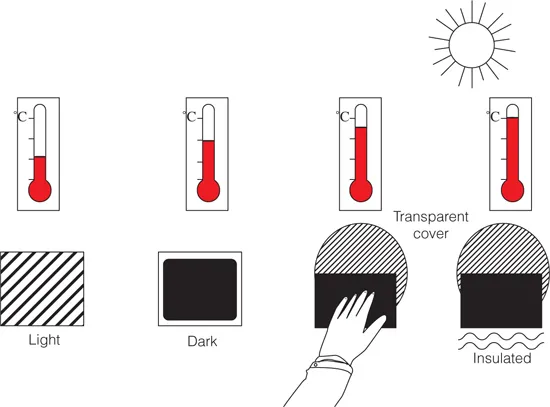
When sunlight falls on a surface, some of the sunlight’s energy is absorbed and the surface warms up. Paint the surface a dark colour and more of the energy is absorbed. Put the surface plate in a box, glaze over the front and insulate the box and less heat will be lost to the surrounding air. This heat can be used to raise the temperature of the water that we use for cleaning, cooking and other processes. Solar-heated water can also be used for swimming pools, space heating and even to help cool buildings. The sun’s energy varies seasonally and, due to daily changes in the weather, is not always reliable. However, solar energy can be stored and used when the sun is not shining.
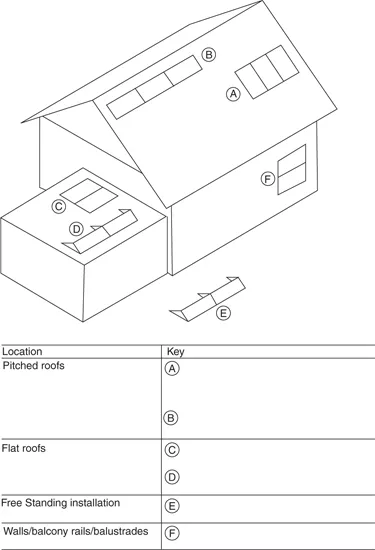
Solar collectors can range from simple flat plate collectors with no glazing, to boxes or tubes covered with glazing, through to complex arrangements of mirrors. Solar collectors are usually found on the roofs of buildings but can also be fixed to vertical walls and balustrades or mounted on the ground. They are usually fixed to face in one direction but can also be fitted onto rotating tracking devices to follow the sun’s movement across the sky.
Inside the solar collector, the dark-coloured absorber plate gets hot and transfers heat to fluids such as air, water or another medium. Through a sequence of pipes and ducts the heat is transferred to a storage vessel of hot water, usually located internally within a building – but it can also be integral to the collector
1.2 A Short History of Solar Water Heating
Since the beginning of recorded history, humans have used hot water. The advent of glass production, from the Roman period onward, gave people the idea that it was possible to ‘catch’ sunshine inside buildings and boxes. Once economic production of flat plate glass and float glazing occurred at the end of the 19th century, solar water heaters began to be produced commercially, often in areas of the world where other methods for heating water were either expensive or inconvenient. Early pioneers were California, Florida, Japan, Israel and Australia.
Figure 1.1 Dark colours and transparent covers increase the temperature of materials heated by the sun
The rapid rise in oil prices in the 1970s led to a particularly significant period of technological development in the field of solar water heating. The 21st century has seen further developments, fuelled by global interest in preserving depleted fossil fuel resources and minimizing carbon dioxide emissions.
1.3 What Do Solar Water Heating Systems Look Like?
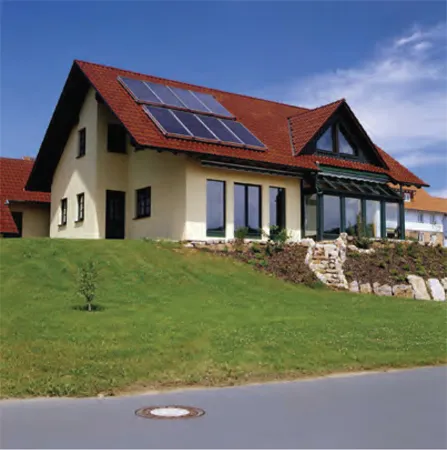
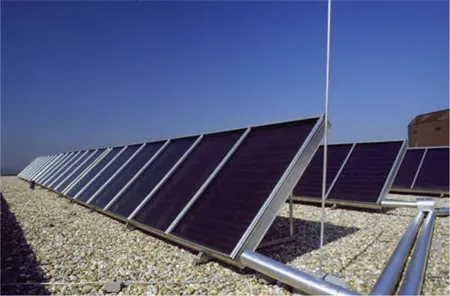
Solar water heating systems can usually be identified from the solar collectors mounted on the roof of a building. Collectors can also be seen erected on frames alongside storage tanks. The large rectangular glazed flat plates or series of glass tubes can appear similar from a distance. They can easily be confused with photovoltaic modules or large skylights. Collectors on commercial or historic buildings may well be hidden from view, placed high up on a flat roof. Sometimes collectors can be difficult to identify as they have been fixed flush with the roof covering and show no protrusions.
Figure 1.2 Solar collectors can be fitted in many positions
Source: www.viessmann.com
Figure 1.3 Evidence of commercially made solar collectors found from the 1900s
Source: © 2010 Butti/Perlin Archive, All Rights Reserved
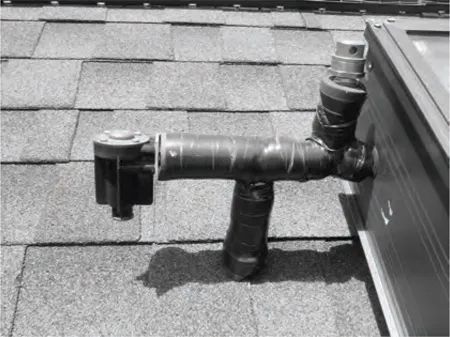
Figure 1.4 A solar collector on a roof is sometimes fitted with accompanying valves
Source: www.ECS-Solar.com
A water storage tank – to store the solar-heated water – is an integral part of a solar water heating system, which, depending on the type of climate and local regulations, is either mounted outside or inside the building. Systems can have more than one storage tank. Other components, such as pumps and electric controls, are usually located inside the building, in lofts, cupboards and service ducts.
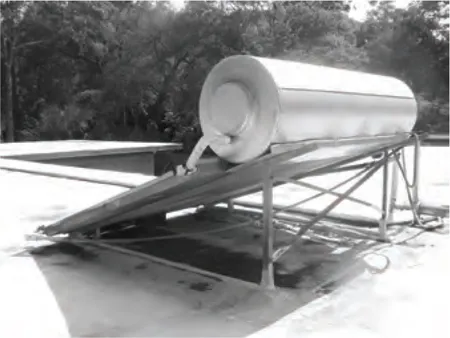
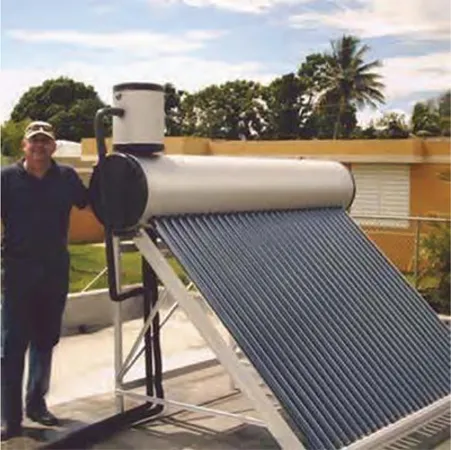
Figure 1.5 A collector with close-coupled storage on free-standing metal frame
Source: www.ECS-Solar.com
1.4 What the Technology can Achieve
Solar domestic water heating can significantly assist with the provision of domestic hot water for homes and places of work. Even in the cloudier and cooler parts of the world, it is reasonable to expect over half the annual demand for domestic hot water (DHW) to be provided. In some places, with suitable equipment, it is even possible to meet all hot water requirements. Most system owners can enjoy somewhere between 40 per cent and 90 per cent of their total annual DHW energy consumption from off-the-shelf solar equipment, depending on location. In summer, they can expect to receive 90–100 per cent of their hot water requirements.
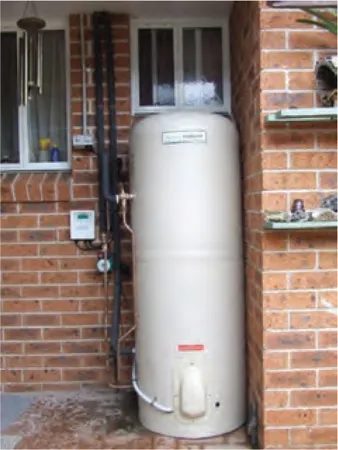
Figure 1.6 In some warmer climates, the solar storage can be located externally on the ground
Source: www.apricus.com
Figure 1.7 In colder climates, the solar storage is mounted internally
Source: German Solar Industry Association (BSW-Solar)
Figure 1.8 In some warmer climates, the solar storage can be located externally on the roof
Source: German Solar Industry Association (BSW-Solar)
Figure 1.9 In very hot climates a simple unglazed system is sufficient
Source: South African Department of Energy
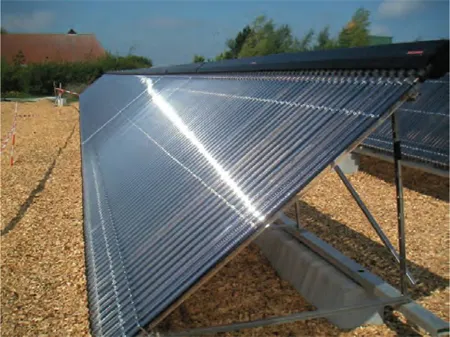
Figure 1.10 The ground can be used as a collector location
Source: Thermomax/ESTIF
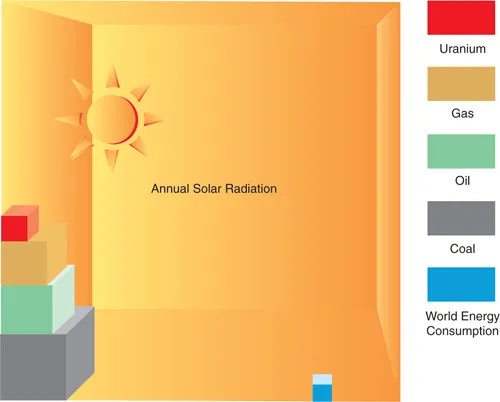
Solar heating systems provide individuals, communities and countries with a measure of fuel security and independence from conventional heating fuel price fluctuations. For example, Australia’s total current energy consumption per annum could be met by an area of 4000km2 (1544 sq. miles) of solar collectors.
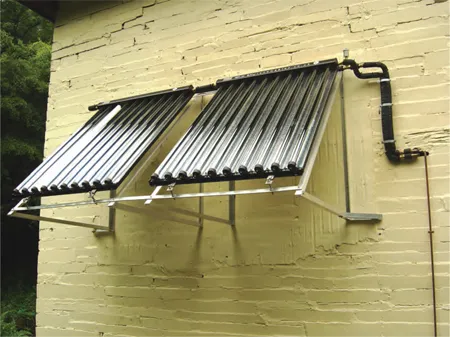
Figure 1.11 A vertical wall can be used as a collector location
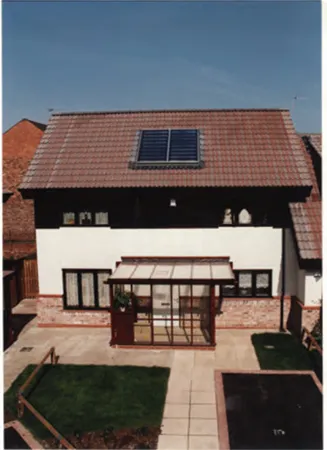
Figure 1.12 The collector can be mounted flush with the roof line with no tiles beneath
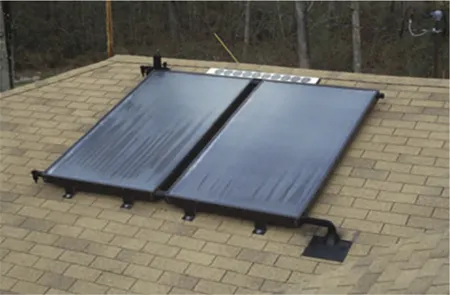
Figure 1.13 A typical flat plate collector fitted on top of the tiles
Source: www.ECS-Solar.com
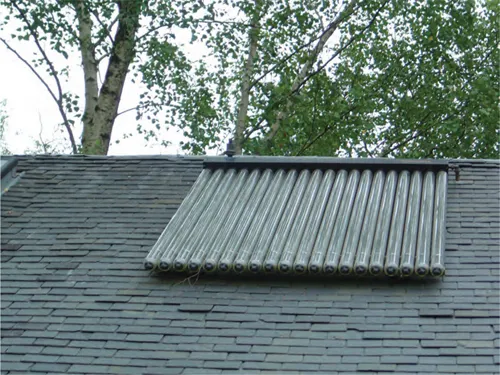
Figure 1.14 A typical tube collector fitted on top of slates
Figure 1.15 The world’s primary energy consumption is easily exceeded by the solar energy received in one year by a factor of 10,000
Source: DGS
Figures 1.16 Solar collector arrays can be few or many, depending on if they are heating just domestic hot water or space heating as well
Source: www.Wagner-Solar.com
If this were constructed as a real-life power station (with approximately 20 per cent r...