![]()
1
The benefits of parental participation
There are many benefits of parental participation in the activities of an early years setting, for children, parents and staff. Children are happier, more settled and able to achieve at a higher level when all of their carers share and integrate co-operatively. If settings and homes work together, both parents and practitioners know that their children are accessing the best experiences.
A learning community is a place in which children and their families, carers and practitioners can work and play together to support each other in developing increasing skills and confidence. Working with parents, carers and families is an opportunity for practitioners to share excellent childcare and education practice and to extend learning further into the community.
When parents and practitioners feel comfortable talking to each other, forming constructive, friendly and professional relationships, parents are more likely to co-operate to solve a problem; to offer help; to come in for advice; and to support their children’s other carers consistently. When parents are involved in their children’s learning, the children learn and progress more quickly. Both adults and children also benefit from improved relationships and gain greater confidence, which creates a happier experience for everyone.
Encouraging involvement
There are many ways in which parents may participate in the activities of an early years setting, to help to promote their children’s learning and development, and early years practitioners should always encourage this. An open door policy, which allows parents to spend time with their children in the setting whenever they wish, enables parents and practitioners to spend quality time together and to feel more relaxed and able to get to know one another. Setting staff should invite parents into the setting at specific times and for special events, but let them know that they are also welcome to stay whenever it suits them.
It may not be practical to allow parents completely free access throughout the day. For example, it may not be possible to accommodate them within the setting while the children are eating lunch or taking a nap, unless they are prepared to be included in a rota to take a turn to help with some domestic tasks, such as washing up, cleaning tables or sweeping floors. But they should always feel welcome to stay during free flow playtimes to read stories, play games, draw pictures, build models or take part in physical, construction or small world play.
When parents see the activities on offer and absorb the atmosphere and expectations of the setting, they may more fully understand how and why they should play and talk with their children, and can develop a new understanding of how children learn and the wide range of ability levels that all fall within the normal range of development. They may be inspired to provide more quality play and learning experiences at home, to meet a child’s needs appropriately and to avoid unrealistic expectations or unhelpful teaching methods.
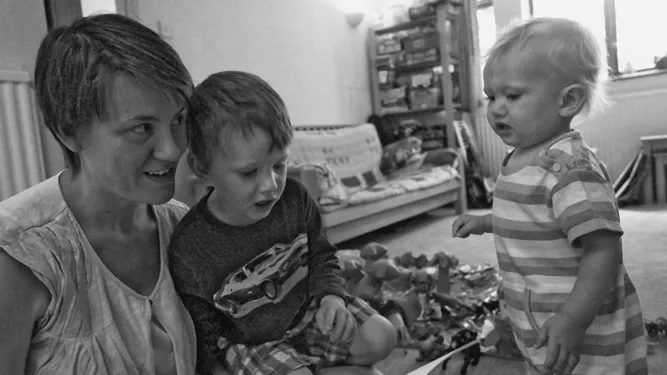
Figure 1.1 Parents should feel welcome to stay at the setting with their children to read stories and play games.
This may reduce the numbers of children entering settings who have learned to write their names in capital letters or developed a habit of forming some letters backwards, who have developed no independence skills in putting on their own clothes or shoes or using the toilet, who have no experience of observing acceptable table manners or of using a knife, fork or spoon, who shout and demand instead of asking for what they want and who have no idea how to share toys or adult attention with their peers. Parents who are doing too much or too little for their children can be helped to understand how to gradually move them to a more appropriate level of independence.
Practitioners may often observe children while they feel more confident and settled if a parent is present with them, and also notice the various parenting styles and relationships between parents and children, while proving that they are proud to display and share the care and guidance they offer within their setting. This can be a good opportunity to demonstrate appropriate methods of positive discipline and how to encourage children to get on with their siblings and other children, through parallel or shared play, negotiation and group work. Children will settle more happily into a routine of shared care if they see that all the adults in their lives have good relationships with each other and work together. Consistency between the home and the early years setting is crucial for a child’s happiness, development and well-being.
An early years setting can encourage parents and other primary carers to participate in activities by giving them regular information and asking for their support. There could be letters describing events at the beginning and end of each term and at any other appropriate times, information included within the brochures and policies that parents are given, regular informal questionnaires and a variety of notices on the welcome board near the front door. However, it is important to be aware of any families who cannot access information in this way, due to language or literacy needs.
Practitioners were concerned that a child never seemed to be prepared for activities or events or to have the clothes or equipment she needed. Clearly, messages were not being received by her family and communication between setting and home was not effective.
Her key person greeted her Granny, who was her primary carer, at the end of a session and chatted with her, explaining that the children were going to perform a play and asking if she could provide a plain t-shirt for the child to wear. She also warmly invited her to watch the play the following week. Granny responded eagerly and said that she could not understand the newsletters or notices because she had never learned to read fluently, but, if somebody would tell her what was needed, she would always try to supply the right things for her granddaughter and she would love to come and watch if she really would be welcome.
The child was delighted to be praised by her key person when she brought in her t-shirt the very next day. She was thrilled when her Granny came to watch the play and her working mother was able to re-arrange her schedule and come too.
If staff greet children and their parents and carers warmly and say goodbye personally every day, all family members will come to feel comfortable about arriving and leaving and also confident that they know who they can talk to about anything and that they are able to do so easily. Staff should find the beginnings and ends of sessions good times to make themselves available to talk and they will then be ideally placed to answer questions and queries and to give information and enough notice and reminders of forthcoming events to parents.
Conversations between parents and practitioners are vital and should happen naturally when they choose to stay to help at the setting or to play with their children and whenever there is an opportunity for a friendly chat. Parents will be able to share information about their children’s current interests and latest achievements, which may be influenced by siblings, friends, other settings, groups or clubs, family members or other carers, and they may wish to ask for guidance regarding any issues or concerns in areas of health, development or discipline.
Following interests and choosing themes
Early years practitioners should include children’s interests in their planning, as they learn more when they are stimulated and engaged. Themes and topics can come from one or more children and will usually also be enjoyed by many of their peers.
Practitioners need to find out, and then make a note of and remember, which special skills and abilities parents have and what experiences they could offer, or whether they would like to help in the setting more often than any allotted rota times they may be given. Armed with that knowledge, it is very important to thank parents for each piece of help they give or offer, to accept all reasonable offers of help promptly and to take them up within a sensible time, sticking to the times and schedules that are arranged and agreed together. It is also important to remember to thank them warmly for their time and effort at the end of each session and to encourage the children to say thank you too, perhaps by making some pictures, clapping their hands or singing a song.
Parents can also be asked for more ideas on how to develop themes. They might be able to think of specific special activities, events to attend or outings to appropriate places, or come in to talk to the group of children and show them things. They may have a van of interesting tools, a police car, uniform and equipment, a traditional sari and veil that they could demonstrate or they could possibly bring in small animals or birds, well-behaved cats or dogs, or a guide dog or hearing dog. Some parents or other relatives might like to lead some cooking with small groups of children, especially of traditional food from other cultures or foods for special occasions.
Parents and carers should feel that their occupations, skills, talents and hobbies are valued. Children are interested in people’s costumes, uniforms, equipment and animals and in seeing the things that people have made or photographs of them. They enjoy watching demonstrations of skills, such as how to build a low wall, bath a baby or mend a bicycle puncture. They find it stimulating to work with other adults who are experts in their own fields and can lead activities such as painting and drawing, needlework, collage, tie dying, pottery, modelling, music, singing, dance, drama, gardening, cookery or any sport.
If any parents own farms, allotments or large fruit and vegetable gardens, it may be possible to arrange to take the children there. If they work in factories or on building sites, in zoos or wildlife parks, in museums or art galleries or at country parks or forests, they may be able to arrange for the children to visit.
Planning events to suit family patterns
It is necessary to find out about the working patterns and other commitments of the children’s parents and which other forms of childcare are used by families, so that events can be planned to suit as many parents and families as possible. Offering activities at different times and on different days of the week or different parts of the weekend should allow a large number to be involved, at least occasionally.
It is valuable to plan events which whole families can be invited to attend, but some parents might prefer to leave a baby, a child with special needs or an older relative with a carer, so planned times should take this possibility into account. Nannies and childminders may be very happy to attend and support events at the setting, but they may have responsibilities to other children and families that they have to take into equal account when planning their time, so as much notice as possible will be appreciated.
Separated or divorced parents who share parental responsibility, custody and access should both feel welcome to attend and participate, whether they prefer to come together or to take turns to be there. Any parent who is unable to participate in person in any activities could be offered the opportunity to appoint another family member or a nanny or childminder to do so on their behalf, to express the parent’s opinions and to show notes, photographs or anything else relevant.
Offering a range of different times for more formal consultations with parents and guardians can be successful in accommodating the needs of almost all clients and mean that most choose to attend. Working parents often need appointments late enough in the evening, while single parents and those with babies may prefer to speak privately with their child’s key person before or after a session, or during a morning that their child attends the setting. People also need a choice of days of the week and more than a week’s notice of such an appointment.
Practitioners must always be prepared to make themselves available for these extra hours at certain times of the year, to promote the full involvement of families in their children’s learning and development.
Considering individual needs
It is important when making any arrangements to consider the individual needs of the children and families within the group. There may be allergies or intolerances that would prevent some children from taking part in certain types of cookery or from being present if animals entered the setting. Some parents may also have strong preferences that their children do not engage in particular activities, for cultural or religious or any other personal reasons. Parents must be kept informed of plans for the setting and encouraged to talk to staff if they have any particular wishes or concerns.
Simple adaptations or extra care and sensitivity around a particular child or group of children is often all that is needed to make an activity possible or to reassure a parent and allay their concerns. If a child has particular needs and would be unable to take part safely in an activity or visit without one-to-one support from an adult, consider whether the appropriate key person would be able to offer this if enough staff were available, or whether a parent or other relative or carer would prefer to be present and take responsibility themselves, to avoid the child missing out on the experience.
While taking care to be fully inclusive, practitioners must also respect parents’ wishes and feelings. If they say politely but firmly that they prefer their child not to take part in a particular activity, learn about a certain topic or participate in an outing, they should be thanked for their honesty and reassured that the child will be given other things to do or advised that they will need to make other arrangements for their child on the day of the trip. Adults have different ideas, hold different opinions and see things in different ways, usually due to their various situations, beliefs and personalities, and neither parent nor practitioner should become frustrated or consider that the other is wrong, but accept each other’s rights and viewpoints in a mature and tolerant manner.
If the practitioners within a setting agree that a child is feeling left out or unhappy and missing out on valuable activities and experiences due to a parent refusing to allow participation too frequently, they need to talk about why they think this is happening. A parent may be over-protective or under-confident for a variety of reasons and may just need a chat, some encouragement or an invitation to take part alongside the child to gradually improve the situation. More complex reasons may require sympathetic and sensitive handling or a particular approach tailored to a family’s needs.
If a family makes no effort to participate in any community activity, staff should consider all possible reasons for this. They might be too busy, over-worked and stressed, struggling financially but unwilling to admit that they are worried about paying a requested contribution or shy and nervous about meeting new people and other families. It is also possible that they may have a language barrier or another communication difficulty, an illness, a disability or special needs of their own to consider. A trusted practitioner can help by explaining and talking activities through, identifying potential problems and finding solutions, welcoming in another relative or friend who can translate or provide support, or helping families to befriend each other at the setting.
Some parents may be naturally more reserved and prefer to avoid large group social situations. This must be respected, but, after appropriate explanations and reassurance, they may be willing to allow their children to attend some events without them, either with a friend’s family or just with the setting staff. This may be the best outcome for these children as it will allow them to be as sociable as they wish and to continue to develop their own confidence within group situations.
Constructive links between home and setting
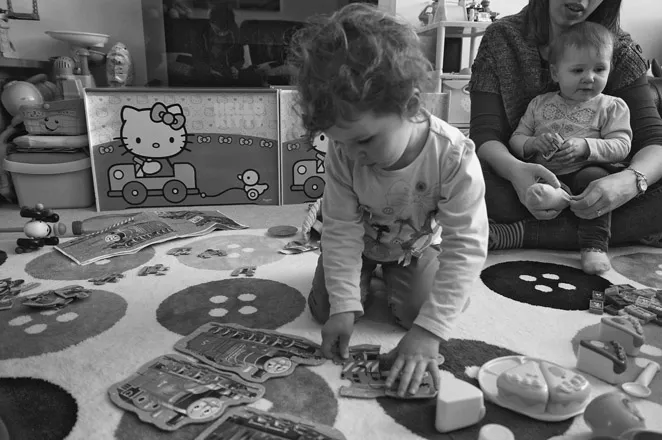
Figure 1.2 Encourage families to offer their children’s favourite activities at home.
Practitioners should encourage all families to follow up the setting’s activities at home. By showing photographs, making displays and sending out letters and information sheets, they can make parents feel that it would be fun to participate in their children’s learning and development in this way. When talking to parents, setting staff can tell them which activities their children enjoyed most and which helped them to develop new skills. They may offer materials to take or to borrow, or lists of the recycled or easily available resources needed, along with instructions and suppliers.
It is important that families are helped to understand that simple household items have at least as much value as potential tools for play and learning as expensive new toys and that they can be less limiting. Young c...