![]()
PART I
Introduction and context: ICOM’s commitment to museum ethics
![]()
1
ICOM TURNS 70
Ethics and the value creation role of museums
Hans-Martin Hinz President of ICOM
1946–2016: In 2016 the International Council of Museums commemorates seven decades of work for the global museum community, for the protection of cultural heritage in and outside of museums, and as a forum of international dialogue among museum professionals from all over the world. It is a timely review for ICOM in 2016 to analyze: what has been achieved over seven decades; what have been the most critical successes; and what can be done to build on the best of ICOM’s potential in a new century.
Such an anniversary is also a timely opportunity to describe ICOM’s present context and to map the organization’s continuing contribution to the future development of museums, especially in their social service commitment to interpret, share, protect and develop nature and culture for a more peaceful global world.
In the twenty-first century, the role of museums in the service of society – a phrase that sits at the heart of ICOM’s definition of a museum, and shapes its existence as an organization – must be continually discussed among museum professionals, politicians and owners or boards of museums, in order to ensure that museums strive to be frontrunners in promoting knowledge and dialogue about history, culture and nature, as well as fostering sustainable practices and ongoing educational enrichment through use of their resources. Responding to social change around them, museums have for several decades been developing their skills and harnessing their resources to act as forums for reconciliation between communities.
This has long been a core task for museums, especially in countries that have experienced the historical burden or indeed been active participants in colonialism in all its forms. However, recent years have witnessed museums’ innovation in programs that seek to build bridges of cultural and social understanding across differences in the fast-changing populations of modern cities globally. In addition to these serious social purposes, museums have also been steadily improving their programs and amenities to ensure they are welcoming to visitors, useful to their supporting communities and places of enjoyment and stimulation for all ages! In their key tasks of providing value through their resources and programming, museums aim to develop an inquiring consciousness that stimulates us all to understand the world and each other, and to share in the democratic values of our societies and diverse cultures.
As President of the International Council of Museums, I strongly support the international dialogue of the global museums community, which ICOM’s many National and International Committees, Regional Alliances and Affiliated Organizations pursue year by year. This has a strong impact on our strategic thinking, our ethical behavior, our programs, and can advance the quality and variety of our daily work for museums of all kinds.
It is worth recalling that ICOM was founded only one year after UNESCO, and was envisaged as pursuing a key NGO role as a partner to UNESCO, at a time when the world was trying to repair the vast devastation after years of war and political conflict. Museum colleagues were among the first activists for meeting the challenges of the post-war era in rebuilding a better world.
ICOM began on a rather modest scale in November 1946, but with an expansive vision led by the American museum personality from Buffalo, Chauncey Hamlin (founding President of ICOM), supported by Georges Salles, then Director of French Museums (and later to become second President of ICOM). At a gathering in Paris chaired by Hamlin, representatives from fourteen countries first came together in a meeting at the Louvre Museum. This was the beginning of – what in terms of membership today has become – the largest international cultural organization, with its membership and networks including museum colleagues in almost 140 countries.
The founding purpose of ICOM was to create an international organization for cooperation among museums following the terrible period of militant nationalism, fascism, the Holocaust, multiple wars and their accompanying destruction on a previously unimaginable scale of global consequences. This international museum organization was conceived in its early years as a council of museum leaders from various countries, who would build a structure of professional interactions outside of governmental bodies representing the political sphere of international relations.
Museums were recognized as having specialized knowledge, unique cultural resources, trained staff and ethical values that could be coordinated to promote better understanding of an interconnected human history beyond nationalism, ideological divisions and militant politics, while also acting to protect a shared heritage internationally: the heritage of all humankind.
A fundamental aspiration of the founders of ICOM as an international museum organization was, and remains, the promotion of high standards of principled conduct in museums, including strong values of cooperative endeavor and public service. After years of intensive distortion of human values in many countries, museums after the Second World War wanted to revalidate ethical standards of heritage care and use of their resources in support of long-lasting values of an interconnected and shared heritage for all nations.
Museums all over the world were challenged to explain where we come from and our place in nature; to explore who we are, and how we can develop a shared future; to examine changes from inequality to equality in human history and our present relations; and to illuminate where and why human conduct failed or changed positively over time. Through international cooperation, this affirmative effort of museums was directed to assisting visitors to understand the past and advance society in its sustainable, democratic development, seeking a high degree of participation based on full respect for human values for all to share.
Seventy years of sustained international dialogue among museum professionals is a great record of success for ICOM. Today ICOM numbers more than 35,000 members (embracing both museums and individuals) all over the world. The common ground of ICOM’s work is a strong moral purpose to maintain positive cooperation between diverse peoples and nations, to be valid everywhere and well recognized by individual societies and their political representatives, such as parliaments or governments.
The most important tool in advancing and protecting ICOM’s shared goals is the ICOM Code of Ethics for Museums, which presents a set of base-standards for pursuing museum values and visions, as well as setting out clearly the responsibilities we have for preserving the cultural and natural heritage, both tangible and intangible.
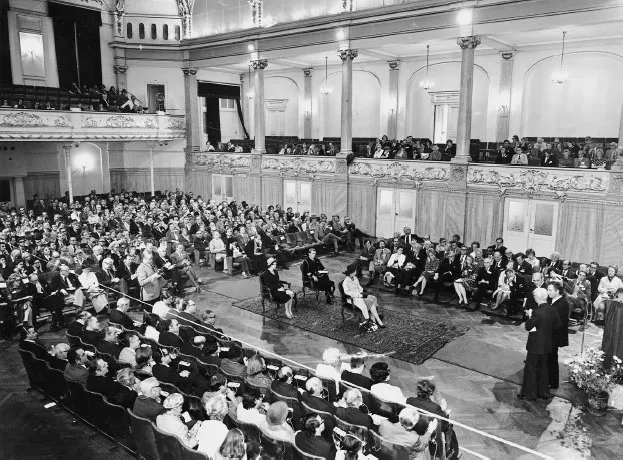
FIGURE 1.1 Tenth ICOM General Conference opening at Copenhagen, performed by H.M. the Queen of Denmark ©ICOM.
These standards include clear principles for the governance and operation of museums and the preservation of their collections. They provide frameworks for mediation of conflicts concerning interpretation and ownership of cultural property. The standards also include principles of ethical behavior of employees, guiding the conduct of all people working in and for museums, which is increasingly understood as including all volunteers and supporters of museums’ programs.
Ethical codes of professional practices on a national basis are much older than ICOM’s code, and go back to the early twentieth century. What makes the ICOM Code of Ethics for Museums so distinctive, however, is its international, global reach. It aims to provide standards underpinning and linking all other national or more discipline-specific codes – some developed in recent years by ICOM’s own specialist International Committees – and therefore providing a unifying framework for the protection of standards in museums everywhere. ICOM Code has also been accepted as the international reference document for museum work of various countries in their own museum laws, often acknowledged in the documents of parliaments and governments at a national level.
Guided by this international ethical standards framework, museums are increasingly taking an active role in protecting important parts of the global world heritage: in their collections and cooperative programs multilaterally; but also beyond museums, especially when cultural heritage is at risk – which is increasingly occurring as a result of social uprisings, armed conflicts and natural disasters.
I just want to highlight here the work of ICOM’s Ethics Committee, which has met regularly since the late 1980s to deal with ethical matters of concern within and beyond ICOM, including disputes involving conflict between different parties about cultural property rights.
I also want to mention ICOM’s programs developed in recent years against illicit trafficking in cultural goods – for example, the publication of the ICOM Red Lists since the year 2000, profiling significant objects at risk of being sold on the illegal market for art and antiquities. Similar efforts were carried forward with ICOM’s One Hundred Missing Objects series in the 1990s (focused on regions), while these two series of publications, jointly, have resulted in a surprising number of identifications of stolen objects and restitutions to their countries of origin. Such programs and activities further demonstrate the ethical mission guiding us all as museum professionals in our global commitment to continuing care and protection of culture and heritage.
The discussion about museum values and standards within ICOM, which intensified in the late 1960s and gathered strength again in the 1980s leading to the first comprehensive ICOM Code, has never ceased. It continues today in many ICOM gatherings around the globe, including the long-standing discussion about updating the ICOM museum definition, and the continuing identification of new tasks that our institutions have today.
In our fast-changing world, the challenges facing museums in the digitally driven environment of communications today are also modifying the way museums carry out their work and engage multiple audiences. Museums compete with numerous media forces today, while themselves incorporating social media and new communications platforms in their aim to be inclusive in terms of broad content and target groups. This also means continuing to protect the public values of culture among minorities, and beyond solely market-driven forces in the arena of commercial exchange.
What is the perception of museums today, and how will they change tomorrow? What will make museums attractive to visitors and online audiences in ten or twenty years’ time? What continuing and new roles will they play for local populations, for visitors and tourists, for regions, nations and international communities? For example, what kinds of programs will affirm museums as well-accepted places of dialogue and communication between disparate groups of society in the cause of social integration; in promoting reconciliation of differences after civil conflict; and in rebuilding respect and mutual understanding after armed conflicts internationally?
Over the past decades museum professionals have acquired many new skills and positive experiences through visitor-oriented museum policy in exhibitions and online presentations. Museums have become more participatory and inclusive institutions, producing multi-viewpoint explanations of nature, history and culture. ICOM and museums in many areas have strengthened links between groups, communities and nations through cross-border activities and international cooperative programs. Many new directions have been included in recent years, such as participating in the formation of the Blue Shield internationally, of which ICOM forms one of the four ‘Pillar’ organizations for global protection of heritage in the face of armed conflict and natural disasters.
Museums today are often among the first cultural stakeholders committing their institutions, knowledge and resources to take action when it comes to dealing with a tragic past – for example, fostering the new beginnings to be established for many nations after the end of the Cold War, or other far-reaching political changes in other continents over decades. Museums have crucial skills and resources for creating new dialogues among former enemy states or mutually estranged groups on a cultural level, as they did within the Balkans following the wars of neo-nationalist conflict and ethnic genocide during the 1990s. Even in more recent international political conflicts, museums are again renewing their best efforts and long-standing links to maintain international dialogue through their NGO networks, and to maintain cooperation around high ethical standards and heritage conservation goals binding us all to strive to overcome continuing difficulties and crisis points in international cultural relations.
ICOM can take heart and strength from so many positive achievements in recent decades, through cross-border projects that help people to understand differing viewpoints and multiple currents forming the background of conflicts that have occurred, and highlighting the strong actions needed to rebuild positive links between communities divided across diversity and difference.
What is different from earlier times, however – and we have to take this into sharpened consideration today – is the greater public awareness and media interest in museum work: in escalating prices for cultural objects and in governance of museums; in exhibitions and public programs interpreting culture, social history, science and the natural world; in museum collections and their provenance histories; and in heritage ideas and multiple values carried by culture in the world around us. The communications-driven environment of daily life now accelerates all discussions exponentially and challenges museums’ work in all parts of the world.
Nevertheless some things have not changed. The plumb line for future development of our work will continue to be ethical values, and the ethical responsibilities we share in our work on behalf of the natural and cultural heritage of all. Affirming this durable framework of values, we must review, extend and renew the et...