![]()
Annotation for P levels 1 to 3
Context
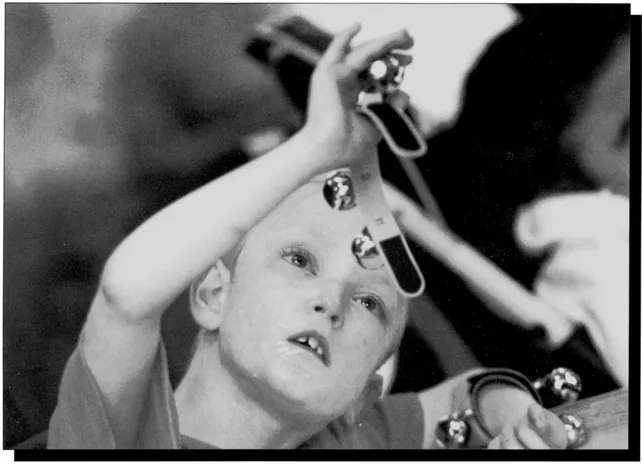
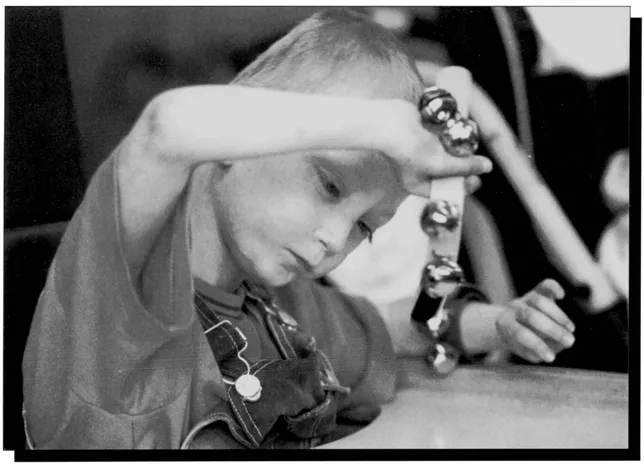
Music session focusing on loud/soft sounds
Evidence
Sam became very excited during the loud periods and then stilled when the instruments were played quietly.
Performance criteria
P1(i) Pupils encounter activities and experiences. They may be passive or resistant. They may show simple reflex responses, for example, starting at sudden noises or movements. Any participation is fully prompted.
P1(ii) Pupils show emerging awareness of activities and experiences. They may have periods when they appear alert and ready to focus their attention on certain people, events, objects or parts of objects, for example, becoming still in a concert hall. They may give intermittent reactions, for example, sometimes becoming excited at repeated patterns of sounds.
P2(i) Pupils begin to respond consistently to familiar people, events and objects. They react to new activities and experiences, for example, turning towards unfamiliar sounds. They begin to show interest in people, events and objects, for example, smiling at a familiar person. They accept and engage in coactive exploration, for example, being encouraged to stroke the strings of a guitar.
Key elements
- Encounter
- Emerging awareness
- Intermittent reaction
Next steps
- Vocalisation
- Expressing likes and dislikes
- Smiling, crying and other expressions of feelings
Context
- Communication
- 1:1 intensive interaction time
Comments/Evidence
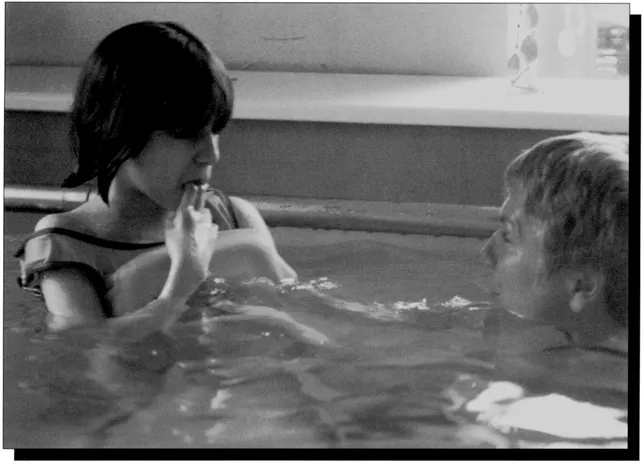
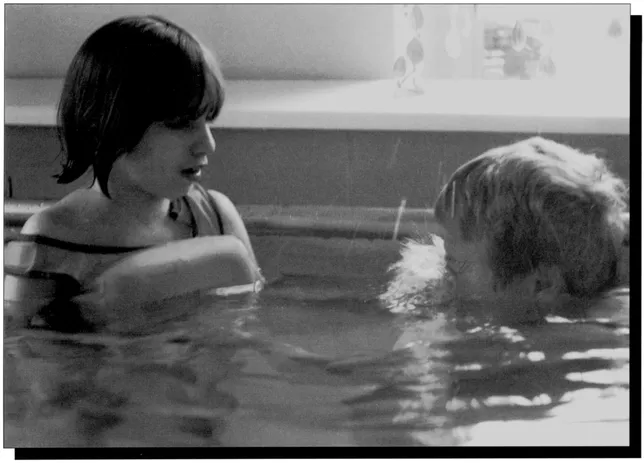
While in the hydrotherapy pool Jane reached out and touched Sarah as she was blowing bubbles and making funny/silly noises and using her name.
Performance criteria
P1(i) Pupils encounter activities and experiences. They may be passive or resistant. They may show simple reflex responses, for example, starting at sudden noises or movements. Any participation is fully prompted.
P1(ii) Pupils show emerging awareness of activities and experiences. They may have periods when thev appear alert and ready to focus their attention on certain people, events, objects or parts of objects, for example. attending briefly to interactions with a familiar person. They may give intermittent reactions, for example, sometimes becoming excited in the midst of social activity.
P2(i) Pupils begin to respond consistently to familiar people, events and objects. They react to new activities and experiences, for example, withholding their attention. They begin to show interest in people, events and objects, for example, smiling at familiar people. They accept and engage in coactive exploration, for example, focusing their attention on sensory aspects of stories or rhymes when prompted.
Key elements
- Encounter
- Emerging awareness
- Intermittent reactions
Next steps
- Awareness of objects as well as people
- Visual tracking
- Turning head towards person, sound
Context
- Communication
- Getting ready for lunch
Evidence
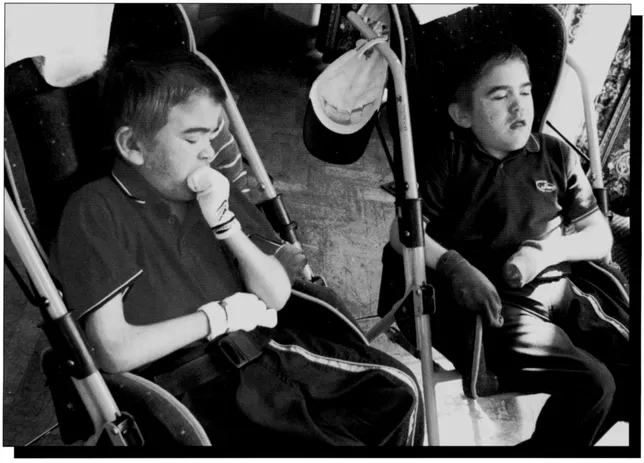
John was sitting in the circle as the adults were putting aprons on the children for lunch. A door banged as a lunch supervisor entered the room. John jumped at the sound and began to whine and then cry.
Performance criteria
P1(i) Pupils encounter activities and experiences. They may be passive or resistant. They may show simple reflex responses, for example, starting at sudden noises or movements. Any participation is fully prompted.
P1(ii) Pupils show emerging awareness of activities and experiences. They may have periods when they appear alert and ready to focus their attention on certain people, events, objects or parts of objects, for example, starting at sudden noises or movements. They may give intermittent reactions, for example, sometimes becoming excited in the midst of social activity.
P2(i) Pupils begin to respond consistently to familiar people, events and objects. They react to new activities and experiences, for example, withholding their attention. They begin to show interest in people, events and objects, for example, smiling at familiar people. They accept and engage in coactive exploration, for example, focusing their attention on sensory aspects of stories or rhymes when prompted.
Key elements
- Encounter - passive or resistant
- Reactive
Next steps
- Reacting with a positive response, e.g. smiling
- Reacting to the same stimulus consistently
Context
Communication
Evidence
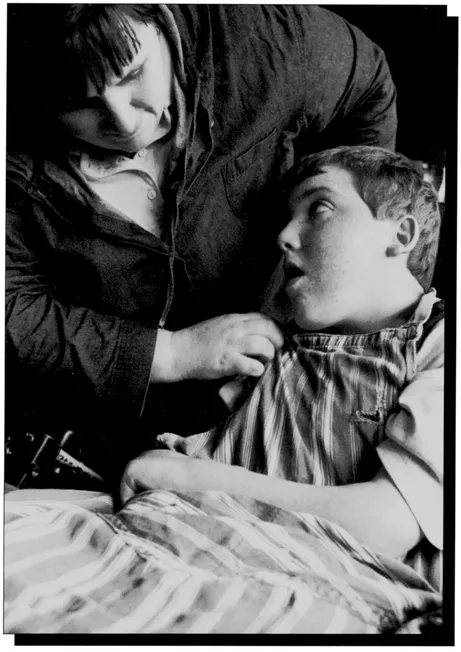
During the morning 'hello' session Thomas began to smile and vocalise when adults sang to him.
Performance criteria
P1(i) Pupils encounter activities and experiences. They may be passive or resistant. They may show simple reflex responses, for example, starting at sudden noises or movements. Any participation is fully prompted.
P1(ii) Pupils show emerging awareness of activities and experiences. Thev may have periods when they appear alert and ready to focus their attention on certain people, events, objects or parts of objects, for example, attending briefly to interactions with a familiar person. They may give intermittent reactions, for example, sometimes becoming excited in the midst of social activity.
P2(i) Pupils begin to respond consistently to familiar people, events and objects. They react to new activities and experiences, for example, withholding their attention. They begin to show interest in people, events and objects, for example, smiling at familiar people. They accept and engage in coactive exploration, for example, focusing their attention on sensory aspects of stories or rhymes when prompted.
Key elements
- Emerging awareness
- Intermittent reactions
Next steps
- Anticipation of routines
- Turn taking
- Selection of vocalisations and facial expressions
- Responses to objects as well as people
Context
Group of three pupils working with two adults in an Art session
Comments/Evidence
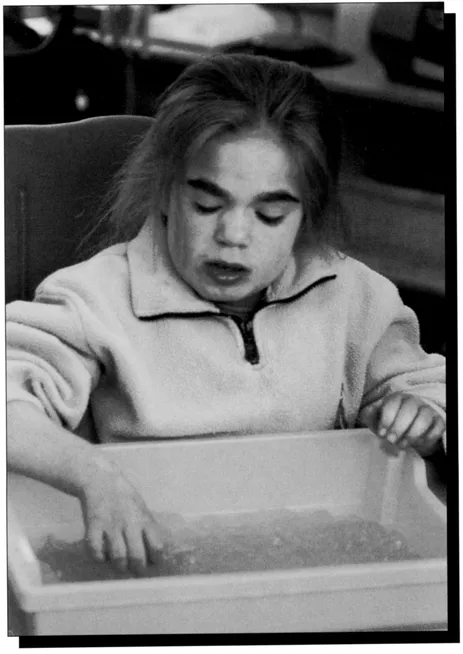
Mary moved her hands in a bowl of jelly. She began to vocalise and showed an enjoyment of the experience.
Performance criteria
P1(ii) Pupils show emerging awareness of activities and experiences. They may have periods when they appear alert and ready to focus their attention on certain people, events, objects or parts of objects, for example, looking briefly at brightly coloured objects. The...