This dual-language text provides theory and methodology for teaching reading in Spanish to Spanish/English bilingual or Spanish-dominant students. The goal is to help educators teach these students the skills necessary to become proficient readers and, thus, successful in the school system.
At the very core of the book are the hispano-parlantes--the Spanish-speaking children--who bring to the schools, along with their native language and cultures, a wealth of resources that must be tapped and to whom all educators have a responsibility to respond.
True to the concepts of developing bilingual educators to serve bilingual students, the text presents chapters in English and Spanish. Each chapter is written in only one language at the preference of the author. Thus, to be successful with this book, the reader must be bilingual.
Themes emphasized in the text include current reading methodologies, the concept of reading as developmental literacy skills, reading in the content areas, new views of the development of proficiency in the second language, issues related to students with special learning needs, assessment, and the uses of technology in the delivery of instruction.
Never losing sight of its goal--to teach reading in Spanish to bilingual or Spanish-dominant students--the book includes a series of focusing questions and follow-up activities; these are not simply translations of existing activities, strategies, and techniques intended for monolingual English students, but specifically designed to be appropriate for Spanish-speaking students.
Directed to university preservice and in-service instructors of reading and bilingual education as well as administrators and district- and school-level staff developers who work with Hispanic populations, the book is sensitive at all times to nuances of the languages and cultures of the intended audiences.
eBook - ePub
The Teaching of Reading in Spanish to the Bilingual Student: La Enseñanza de la Lectura en Español Para El Estudiante Bilingüe
- 238 pages
- English
- ePUB (mobile friendly)
- Available on iOS & Android
eBook - ePub
The Teaching of Reading in Spanish to the Bilingual Student: La Enseñanza de la Lectura en Español Para El Estudiante Bilingüe
About this book
Trusted by 375,005 students
Access to over 1.5 million titles for a fair monthly price.
Study more efficiently using our study tools.
Information
Topic
EducationSubtopic
Education General1
Bases Teóricas para la Enseñanza de la Lectura en Español
Reading instruction plays an important role in the school curriculum. Teaching reading in the student's native language is highly recommended in bilingual programs. There are several psychological, linguistic, and sociocultural reasons for recommending the use of the native language in the teaching of reading. This chapter discusses research and theory that recommends teaching reading in the students' native language. It also discusses the implications of these theories and propositions on the teaching/learning process. A set of recommendations for the classroom teacher and the teacher trainer are included at the end of the chapter.
OBJETIVOS
Al terminar la lectura y estudio de este capítulo, el lector podrá:
- Enumerar las razones por las cuales se dice que la lectura es un proceso complejo.
- Identificar pre-requisitos necesarios a considerar en el acto de leer.
- Establecer semejanzas y diferencias de varios tipos de estudiantes bilingües, en términos de su lengua nativa/dominante, grupo étnico y experiencia educativa.
- Explicar por qué es necesario que el niño aprenda a leer a una edad temprana.
- Mencionar razones psicológicas, lingüísticas y culturales por las cuales se recomienda que el niño bilingüe aprenda a leer en su lengua nativa/dominante.
PREGUNTAS GUÍAS
- ¿Por qué se dice que leer es un proceso complejo?
- ¿Qué competencias tiene que traer el lector al acto de leer?
- ¿Por qué se dice que leer es algo más que descifrar símbolos escritos?
- ¿Por qué es importante que el estudiante aprenda a leer a una edad temprana?
- ¿Qué generalizaciones comunes se podrían considerar de los tres estudiantes bilingües presentados en el capítulo? En qué son diferentes?
- ¿Menciona tres razones psicológicas por las cuales se recomienda enseñar a leer en la lengua que el estudiante domina?
- ¿Que relación existe entre las áreas que forman la estructura de la lengua española y el grado de dominio de éstas por un niño de habla española?
- ¿Enumera tres razones sociológico-culturales por las cuales se recomienda aprender a leer en español a un niño que hable ese idioma.
EL PROCESO DE LEER
La lectura es vehículo primordial en el desarrollo formativo e intelectual de del estudiante. A pesar de que se han dado muchas definiciones acerca de “qué es leer” y se ha considerado la lectura en diferentes etapas filosóficas, es un consenso común que leer es un proceso complejo. Leer es un mecanismo psíquico-sensorial que envuelve una serie de procesos mentales, ambientales y psicológicos que ocurren a la vez (Carrasquillo, 1978, 1990; Cummins, 1981; Engle, 1975; Gómez del Manzano, 1986; Modiano, 1973). La mayoría de las autoridades reconocen que hay pasos/etapas a seguir en el proceso de leer y que estas etapas están íntimamente entrelazadas:
- El lector reconoce la palabra por medio de unos mecanismos sensoriaales (visuales, auditivos y del tacto) y, haciendo uso de procesos cerebrales, le da significado a esa palabra o grupo de palabras.
- Para darle significado a esa palabra, el lector hace uso de su memoria para relacionarla con el concepto que la misma expresa. Este concepto se deriva de un almacén mental y de unos conocimientos previamente adquiridos.
- El lector capta la información inmediata de ese pasaje, ya que sin comprensión no hay significado y sin significación no hay comprensión.
- El lector utiliza esa información inmediata (comprensión) para extraer unas implicaciones o un razonamiento abstracto (interpretación).
- El lector interpreta esa información en la medida en que sus sentimientos (actitudes, valores y características personales) se lo permitan.
- El lector realiza una evaluación de esa información, con el propósito de determinar en qué medida es vàlida o adecuada la información provista o el intento del escritor.
Leer requiere interacción de las cuatro áreas de la comunicación: oír, hablar, leer y escribir. Esta interacción depende además, de una serie de factores que los estudiantes traen al proceso de leer. Estos factores individuaales varían de individuo a individuo. La siguiente figura menciona cuatro de estos factores.
Leer es un proceso activo y dinámico donde el lector construye el sentido del contenido a medida que avanza en el texto (Condemarín, 1989; Fabregat, 1989; Smith, 1988). La comprensión de la lectura depende de dos factores interdependientes: (a) las caraterísticas del texto, y (b) los conocimientos, habilidades y estrategias del lector. El lector tiene que traer ciertas competencias al acto de leer; entre éstas están:
1. El estudiante ha de tener un vocabulario adecuado y una buena estructura lingüística. Se dice que cuando el niño llega al primer grado debe tener un vocabulario oral mínimo de 3,728 palabras (Kaluger &
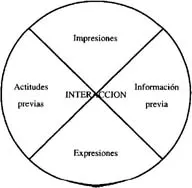
FIG. 1.1. Interacción de las Áreas de la Comunicación.
Kolson, 1969). Necesita conocer el significado de estas palabras y ser capaz de utilizarlas en sus conversaciones. El estudiante precisa entender lo que se le dice para poder hablar y ser entendido. Necesita saber que los símbolos escritos que él/ella ve, se corresponden en cierta forma, con su lengua hablada.
2. El estudiante necesita demostrar madurez perceptiva y conceptual. Debe traer una reserva de experiencias adecuadas para poder darle sentido al símbolo escrito. Necesita capacidad mental para poder trabajar con ideas y abstracciones, además de la madurez suficiente para concentrarse en el problema que se plantea. No se puede empezar a leer si el estudiante no reconoce de 40 a 100 palabras a primera vista.
3. El lector tiene que tener la suficiente habilidad para memorizar o retener las formas estructurales de las palabras en orden de secuencia. El estudiante necesita establecer semejanzas y diferencias en las formas visuales y auditivas de las palabras. Estas habilidades no se desarrollan en un año, ni en dos. El estudiante va haciendo uso del análisis estructural durante los primeros años de su niñez y va familiarizándose con el mundo escrito hasta dominar las seis etapas del proceso de leer.
Leer es más que descifrar el signifciado del texto. Leer es examinar un texto con varios propósitos, entre otros, para:
|
|
La lectura en sí es un instrumento de aprendizaje que sirve para comprender la información, conceptos y contenido de cada una de las áreas del cunículo. Se aprende a leer para conocer sobre historia, arte, ciencias y fantasías. La lectura informa, enseña, distrae y hasta permite el gozo y el placer por la lectura misma (Fabregat, 1989; Gago, 1982; Smith, 1982).
IMPORTANCIA DE DOMINAR LA LECTURA A UNA EDAD TEMPRANA
La mayor parte del conocimiento impartido en la escuela se adquiere a través de la lectura. La sociedad en general le ha dado a la escuela la gran responsabilidad de enseñar a leer. A través de la clase de lectura, y de todo el currículo escolar, el estudiante continua desarrollando aquellas destr ezas lingüísticas y gráficas que necesitará para adquirir los conceptos y las destrezas de las otras asignaturas del currículo, tales como estudios sociales, ciencias, gráficas y matemáticas (Gómez del Manzano, 1986; Smith, 1982; Weaver, 1988). Si el estudiante no sabe manejar el contenido literal y su significado, ni evaluar o predecir información, no podrá obtener resultados satisfactorios en estas áreas del currículo. Por lo tanto, la escuela deberá desarrollar buenos lectores tan pronto como le sea posible. En el año 1969, el entonces Comisionado de Educación de los Estados Unidos, James E. Allen, decía que la responsabilidad principal de la escuela era enseñar al estudiante a leer. Esa preocupación, además de comprobar que los estudiantes no estaban demostrando buenos resultados en los exámenes estandardizados, lo motivó a iniciar la campaña del “Derecho a leer” (Right to Read). Era su propósito el conseguir que todo niño terminara el primer nivel escolar como un lector independiente. Este proyecto fue financiado por el Gobierno Federal, ya que oficiales del mismo, especialmente la Oficina Federal de Educación, vieron la necesidad de promover la lectura de forma inmediata, a fin de que la escuela pudiera cumplir su función educativa. Ese programa ayudó a los niños de las minorías étnicas y lingüísticas en los Estados Unidos, especialmente a negros y a latinos (hispano-parlantes) a desarrollar destrezas básicas de lectura.
Nadie niega la importancia de la lectura. Varias organizaciones profesionales y educativas existen hoy día para fomentar la lectura y la enseñanza de la misma. Entre ellas, la Asociación Internacional de la Lectura (IRA); el Concilio Nacional de Maestros de Inglés (NCTE), y la Asociacion de Maestros de Español y Portugues (AATSP). En el área de las investigaciones, la lectura es una de las asignaturas que más se investiga. Un vistazo a las disertaciones doctorales en las escuelas de pedagogía revela que el tema sobre la lectura es el tópico primordial de investigación de los estudiantes doctorales. Instituciones y organizaciones sin fines de lucro continúan proveyendo incentivos para el estudio de la lectura, especialmente en la etapa inicial.
El leer puede considerarse también como una de las destrezas de la comunicación (Flores, K. Goodman, & Y. Goodman, 1979; Hymes, 1971). El individuo expande conocimientos previos a través de la lectura. Leyendo, el individuo conoce el mundo a su alrededor. Es así como empieza a discernir entre lo que es correcto o no lo es; entre lo que es meramente opinión o un hecho científicamente probado. El hombre y la mujer no podrán conocer y darse a conocer si no pueden leer.
La pobreza en la lectura puede limitar el potencial del estudiante (Anderson, 1977; Dubois, 1995; Pérez & Torres-Guzmán, 1996; Smith, 1988). Se ha dicho muchas veces que la lectura es la base del conocimiento. Cuando un estudiante no puede leer al nivel de su grado, tampoco podrá hacer el trabajo que ese grado requiere que haga. Por lo tanto, no se le podrá exigir que haga el trabajo requerido en ese nivel, ya que no tiene las destrezas requeridas en la lectura. Cuando el estudiante se da cuenta de esta realidad, inmediatamente empieza a perder interés en el trabajo escolar, su asistencia a clases también se afecta, y poco a poco, su potencial mental va desapareciendo.
EL ESTUDIANTE BILINGÜE: TRES CASOS DIFERENTES
Al enseñar a leer, hay que reconocer que cada estudiante es un individuo con características y necesidades diferentes. Esta aseveración es todavía más cierta cuando se habla del “estudiante bilingüe.” La siguiente ilustración muestra la dificultad que puede encontrar un maestro o el supervisor escolar cuando enseñan a estudiantes bilingües.
Imagínese por un momento que Ud. es un maestro bilingüe del nivel elemental/primario. Ud. trabaja en un programa bilingüe (inglés/español), en una comunidad que se caracteriza por tener un por ciento alto (la mayoría) de habitantes de habla española. El director de la escuela quiere pedirle asesoramiento sobre tres estudiantes que se matricularon hoy, y vendrán mañana por primera vez al salón de clases. El principal no les asignó clase específica a estos tres estudiantes, ya que quería discutir con Ud. dónde colocar a estos estudiantes, además del tipo de programa corresspondiente a cada uno. El principal lo cita a usted, a una reunión y al llegar a la reunión, usted se encuentra con un resumen del perfil descriptivo de cada uno de los estudiantes. ¿Qué programa de lectura recomendaría usted para cada uno de ellos?
Los tres estudiantes identificados indican un tipo de estudiante bilingüe diferente. Sin embargo, hay ciertas generalizaciones que se podrían aplicar a los tres casos. Los tres estudiantes han obtenido la mayor parte de su aprendizaje preescolar en español. Por tanto, el español viene a ser el mejor
Estudiante 1
Jesús es un niño de origen mejicano. Tiene 10 años. Llegó a los Estados Unidos hace cuatro años. Pertenece a un nivel socio-económico pobre. Es dominante en español pero se comunica en inglés, aunque con un poco de dificultad. Est...
Table of contents
- Cover
- Half Title
- Title Page
- Copyrigh Page
- Table of Contensts
- Preface
- Introduction
- Poem: Punto Y Coma
- 1 Bases Teóricas para la Enseñanza de la Lectura en Español
- 2 Research Summary on the Teaching of Reading in Spanish to Bilingual Students
- 3 The Teaching of Spanish Literacy Development
- 4 Teaching Reading Comprehension Skills
- 5 Integrando la Fonética en el Proceso de la Lectura en Español
- 6 Métodos Más Conocidos en la Enseñanza de Lectura en Español
- 7 Spanish Literacy Development in the Content Areas
- 8 Teaching Reading to Bilingual Students With Disabilities
- 9 Recursos a Utilizar en la Enseñanza de la Lectura en Esparñol
- 10 Spanish Reading Assessment
- Appendix 1: Competencies for Teaching Reading and Language Arts in Spanish
- Apéndice 2: Vocabulario Básico Relacionado con la Enseñanza de la Lectura en Español
- Author Index
- Subject Index
- Indice de Palabras
Frequently asked questions
Yes, you can cancel anytime from the Subscription tab in your account settings on the Perlego website. Your subscription will stay active until the end of your current billing period. Learn how to cancel your subscription
No, books cannot be downloaded as external files, such as PDFs, for use outside of Perlego. However, you can download books within the Perlego app for offline reading on mobile or tablet. Learn how to download books offline
Perlego offers two plans: Essential and Complete
- Essential is ideal for learners and professionals who enjoy exploring a wide range of subjects. Access the Essential Library with 800,000+ trusted titles and best-sellers across business, personal growth, and the humanities. Includes unlimited reading time and Standard Read Aloud voice.
- Complete: Perfect for advanced learners and researchers needing full, unrestricted access. Unlock 1.5M+ books across hundreds of subjects, including academic and specialized titles. The Complete Plan also includes advanced features like Premium Read Aloud and Research Assistant.
We are an online textbook subscription service, where you can get access to an entire online library for less than the price of a single book per month. With over 1.5 million books across 990+ topics, we’ve got you covered! Learn about our mission
Look out for the read-aloud symbol on your next book to see if you can listen to it. The read-aloud tool reads text aloud for you, highlighting the text as it is being read. You can pause it, speed it up and slow it down. Learn more about Read Aloud
Yes! You can use the Perlego app on both iOS and Android devices to read anytime, anywhere — even offline. Perfect for commutes or when you’re on the go.
Please note we cannot support devices running on iOS 13 and Android 7 or earlier. Learn more about using the app
Please note we cannot support devices running on iOS 13 and Android 7 or earlier. Learn more about using the app
Yes, you can access The Teaching of Reading in Spanish to the Bilingual Student: La Enseñanza de la Lectura en Español Para El Estudiante Bilingüe by Angela Carrasquillo, Philip Segan, Angela Carrasquillo,Philip Segan in PDF and/or ePUB format, as well as other popular books in Education & Education General. We have over 1.5 million books available in our catalogue for you to explore.