![]()
A Viking celebration
Create a Viking celebration through drama and dance
This card can be used alone, or to follow ‘Building a Settlement’ as a basis for a drama lesson or a class presentation.
The Vikings were fond of feasting, dance and music. First, pupils should decide on the reason for the celebration. Ideas could include:
• one year of safety and prosperity in the new settlement
• honouring the gods for protecting them from disease
• celebrating the fertility of the land, in thanks for a successful harvest
• success of a trading voyage and the safe return of the ship
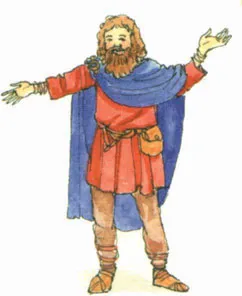
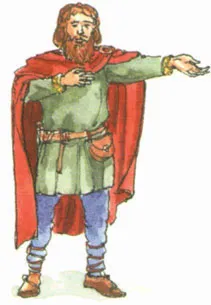
The teacher, in role as the jarl, or leader of the settlement, can then announce:
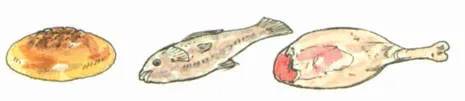
‘Men, women and children, we must prepare for our celebration. There is fine food to be made. Our clothing must be of high quality, our homes swept and tidy, and we ourselves clean and well groomed.’
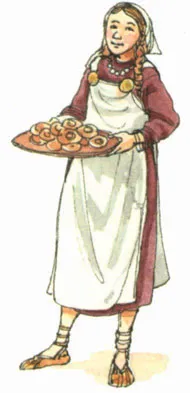
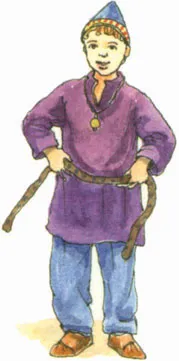
Pupils then decide what tasks to engage in: women would make special loaves in shapes relevant to the celebration; men would brew large vats of ale. Wool would be washed, dyed, spun and woven into new garments, leather shoes sewn and bone combs used on the hair. Mattresses would be stuffed with fresh straw, and weapons polished with sand.
These preparations should be enacted as accurately as possible. Encourage careful miming so that the task can be clearly recognised.
Pupils can then choose between the four following options to provide entertainment for the celebration:
1. Singing: Viking folk songs were sung by whole households. Encourage the children to write a simple song on the theme of the celebration. It should have a clear rhythm and an uncomplicated tune. A suitable format might be two four-line verses and a chorus.
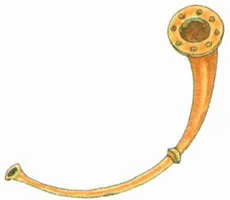
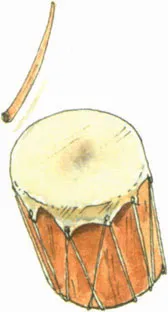
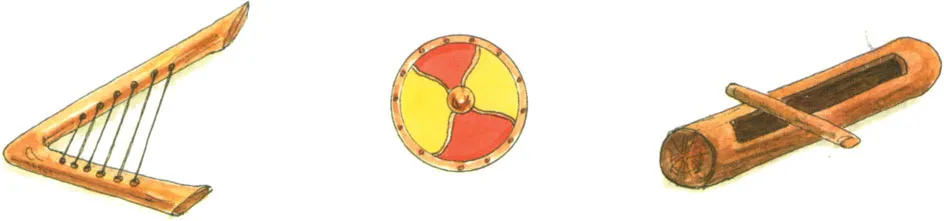
2. Instruments: Popular Viking instruments included lyres, harps, flutes and trumpets, but any instruments pupils can play, e.g. violin, recorder, percussion, can be used to create a simple celebratory rhythmic piece for a short performance.
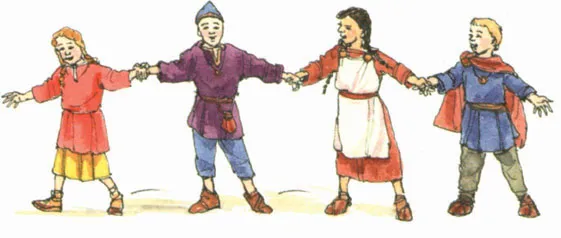
3. Dancing: Children can perform a simple dance to 1 or 2 above, or to a recorded piece. It can be based on traditional country dance steps (e.g. circle left, circle right), or it can be a movement piece expressing the growth of crops or a successful sea voyage, etc.
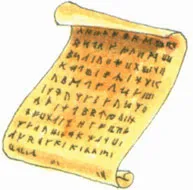
4. Drapas: If you have worked on pieces of writing (see ‘Kennings and Drapas’ card), these can be read aloud as part of the celebration.
The jarl, or a pupil, announces each item, and each performance ends in applause from the onlookers.
![]()
Building a settlement
Explore the Viking lifestyle through drama
The teacher takes the role of the jarl, or leader, and sets the scene with an introduction:
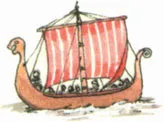
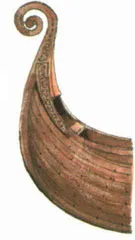
‘May the gods be thanked for guiding our ship, the Wave-walker, to this new land of England. The ship, built with our own hands, has carried us safely from Denmark. Young and old, no-one has perished. Now we will have better land, better crops, greater wealth and a fine future.’
Help the pupils to get themselves into family groups, ready to establish the settlement. They must decide on who they are, their ages and relationships, e.g. a grandmother, mother, father, two children.
TIP: Make a rule that pupils can only take on the role of someone their own age or above – never below.
Once the groups are formed, the jarl continues:
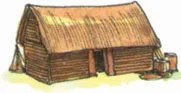
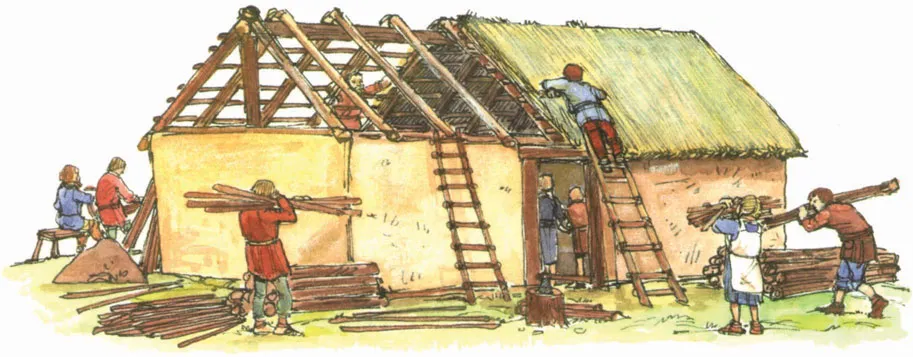
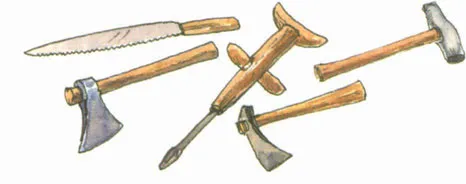
‘Men, women and children, we have much work to do. We cannot shelter many more nights in the ship. I have found fine trees growing yonder, and good clay in the river bank. We must build longhouses as we did in our own country. You older ones know well how they are built, but you children must learn the skills.’
The jar...