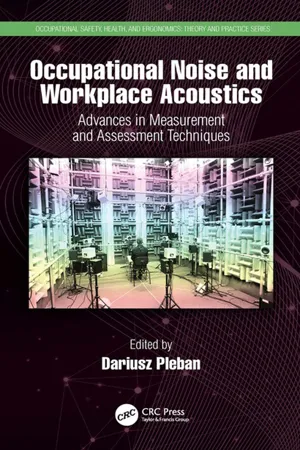
Modern noise research and assessment techniques are commonly used in the workplace and our personal living environment. Occupational Noise and Workplace Acoustics presents new, innovative, advanced research and evaluation methods of parameters characterizing acoustic field and noise in the working environment, as well as acoustic properties of rooms and noise reduction measures. This includes acoustic field visualization methods, field imaging techniques, wireless sensor networks, and the Internet of Things (IoT); optimization methods using genetic algorithms; acoustic quality assessment methods for rooms; and methods for measuring ultrasonic noise in the frequency range of 10-40 kHz.
This book is a valuable resource for individuals and students interested in the areas of acoustic and sound engineering as it provides:
- The latest techniques and methods in the field of noise reduction and improvement of acoustic comfort,
- Innovative and advanced acoustic field visualization techniques for those with an auditory impairment,
- Explains noise reduction through proper workplace design,
- Discusses use of wireless sensor networks and the IoT for monitoring noise, and
- Provides acoustic quality assessment methods.
"The authors' intention to expound on advanced issues in a lucid and accessible way was rewarded with success. In the book, an expert will find a number of hints helpful in solving actual problems, whereas a layperson will be able to form a view on challenges facing contemporary technology. What should also be emphasized is the book's soundness in documenting these advanced theses and postulates with diligently conducted empirical research.
Despite a wide thematic range, the book is written consistently and under no circumstances can be considered a collection of randomly selected problems. The content corresponds fully to the title. The authors are consistent in acquainting the reader with topical scientific issues concerning assessment of acoustic hazards and the methodology of combating them."
—Professor Zbigniew D?browski, BEng, PhD, DSc, Warsaw University of Technology