- 488 pages
- English
- ePUB (mobile friendly)
- Available on iOS & Android
eBook - ePub
Proteomic and Metabolomic Approaches to Biomarker Discovery
About this book
Proteomic and Metabolomic Approaches to Biomarker Discovery demonstrates how to leverage biomarkers to improve accuracy and reduce errors in research. Disease biomarker discovery is one of the most vibrant and important areas of research today, as the identification of reliable biomarkers has an enormous impact on disease diagnosis, selection of treatment regimens, and therapeutic monitoring. Various techniques are used in the biomarker discovery process, including techniques used in proteomics, the study of the proteins that make up an organism, and metabolomics, the study of chemical fingerprints created from cellular processes.
Proteomic and Metabolomic Approaches to Biomarker Discovery is the only publication that covers techniques from both proteomics and metabolomics and includes all steps involved in biomarker discovery, from study design to study execution. The book describes methods, and presents a standard operating procedure for sample selection, preparation, and storage, as well as data analysis and modeling. This new standard effectively eliminates the differing methodologies used in studies and creates a unified approach. Readers will learn the advantages and disadvantages of the various techniques discussed, as well as potential difficulties inherent to all steps in the biomarker discovery process.
A vital resource for biochemists, biologists, analytical chemists, bioanalytical chemists, clinical and medical technicians, researchers in pharmaceuticals, and graduate students, Proteomic and Metabolomic Approaches to Biomarker Discovery provides the information needed to reduce clinical error in the execution of research.
- Describes the use of biomarkers to reduce clinical errors in research
- Includes techniques from a range of biomarker discoveries
- Covers all steps involved in biomarker discovery, from study design to study execution
Information
Chapter 1
Biomarker Discovery
Study Design and Execution
Haleem J. Issaq and Timothy D. Veenstra, Laboratory of Proteomics and Analytical Technologies, Advanced Technology Program, Frederick National Laboratory for Cancer Research, Frederick, MD, USA
Outline
Abbreviations
Introduction
Definitions
Biomarker
Sensitivity
Specificity
Positive Predictive Value (PPV)
Negative Predictive Value (NPV)
Proteomics
Profiling
Metabolomics
The Current State of Biomarker Discovery
Study Design and Execution
Study Design
Study Execution
Personnel and Instrumentation
Errors in Study Design
The Sample
Cancer Type and Stage
Sample Type
Selection of Patients and Controls
Number of Samples
Ethnicity, Sex, and Age
Sample Collection, Handling, and Storage
Method of Sample Analysis
Errors in Study Execution
Sample Preparation
Methods of Analysis
Number of Replicates
Effect of Mass Spectrometer Type on the Results
Effect of Separation Instrumentation on the Results
Errors in Measurements
Personnel and Experimental Validation
Specificity of Proteins as Biomarkers
Published Results Comparison
Statistical Data Analysis
Recommendations
Concluding Remarks and Recommendations
Acknowledgments
References
Abbreviations
LC liquid chromatography
HPLC high performance LC
UPLC ultra-high-pressure LC
CE capillary electrophoresis
GC gas chromatography
MS mass spectrometry
SDS-PAGE sodium dodecyl sulfate-polyacryl gel electrophoresis
Acknowledgments
This project has been funded in whole or in part with federal funds from the National Cancer Institute, National Institutes of Health, under Contract HHSN261200800001E. The content of this publication does not necessarily reflect the views or policies of the Department of Health and Human Services, nor does mention of trade names, commercial products, or organizations imply endorsement by the United States Government.
Introduction
Diseases result in specific changes in the molecular profiles of biological fluids and tissue. These changes can be detected by analyzing the genetic, proteomic, or metabolomic composition of samples. Proteomic and metabolomic analysis provides the opportunity to detect diseases as they occur; genetic analyses identify individuals with predispositions to certain diseases and aid in the determination of long-term risk. Therefore, direct measurement of genes, proteins, and metabolites is essential for the understanding of biological processes in disease and normal states.1 Molecules produced by the body’s metabolic processes may distinguish between two different sample sets obtained from, for example, cancer and non-cancer-bearing individuals. These distinguishing compounds are known as biomarkers. Because the majority of published studies deal with the discovery of cancer biomarkers, the discussions in this chapter are limited to cancer biomarker discovery. Many of the methods described, however, are also applicable to other diseases.
A biomarker is a substance that is overexpressed in biological fluids or tissues in patients with a certain disease. A biomarker can include patterns of single-nucleotide polymorphisms (SNPs), DNA methylation, or changes in mRNA, protein, or metabolite abundances. The important point is that these patterns correlate with the characteristics of the disease.2 Biomarkers are used to examine the biological behavior of a disease and predict the clinical outcome. The biomarker should be disease specific and not due to environmental conditions or biological perturbations. To be clinically acceptable, a diagnostic biomarker should possess a sensitivity and specificity as close to 100% as possible and be measured within a noninvasive (urine) or semi-invasive (blood) collected specimen. In addition, the test should be accurate, economical, easy to perform, and reproducible by different technicians across different laboratories. A description of an ideal description of diagnostic methods is provided in Figure 1. Although some biomarkers have been approved by the Food and Drug Administration (FDA) as qualitative tests for monitoring specific cancers (e.g., nuclear matrix protein-22 for bladder cancer), the majority of discovered potential biomarkers (proteins or metabolites) are not sensitive and/or specific enough to be used for population screening.
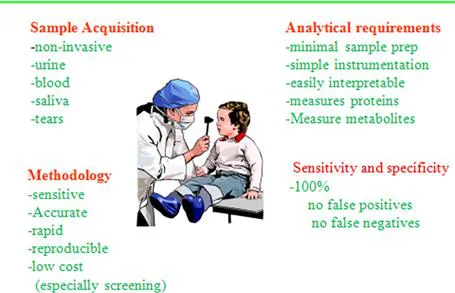
FIGURE 1 Description of ideal methods for disease diagnosis.
Definitions
Biomarker
A biomarker is an objectively measured molecule substance that indicates the presence of an abnormal condition within a patient. A biomarker can be a gene (e.g., SNP), protein (e.g., prostate-specific antigen), or metabolite (e.g., glucose, cholesterol, etc.) that has been shown to correlate with the characteristics of a specific disease.2 A biomarker in clinical and medical settings can be used for many purposes, including early disease detection, monitoring response to therapy, and predicting clinical outcome. Biomarkers can be categorized according to their clinical applications. In cancer, diagnostic markers are used to initially define the histopathological classification and stage of the disease, and prognostic markers can predict the development of disease and the prospect of recovery. Based upon the individual cases, the predictive markers can be used for the selection of the correct therapeutic procedure. The potential biomarker should be confirmed that it is indeed specific to the disease state and is not a function of the variability within the biological sample of patients due to differences in diet, genetic background, lifestyle, age, sex, ethnicity, and so on.
Sensitivity
Sensitivity of a test or marker is defined as the percentage of positive samples identified by a model as true positive. The false negative rate is the percent of patients with the disease for whom the test is negative.
Specificity
Specificity is defined as the percentage of negative samples (individuals without the disease) identified by a model as true negative. False positive is the number of individuals without the disease in whom the test is positive.
Positive Predictive Value (PPV)
Positive predictive value (PPV) is defined as the percent of individuals in whom the test is positive and the disease is present.
Negative Predictive Value (NPV)
Negative predictive value (NPV) is defined as the percent of individuals in whom the test is negative and the disease is not present.
Proteomics
Proteomics is the study of all proteins in a biological sample. The complexity and dynamic concentration range of the proteins, along with the dynamic nature of the proteins that constitute the proteome, makes the detection and quantitation of each protein virtually impossible. In general, most biomarker discovery studies aim to characterize as many proteins as possible.
Profiling
Profiling is the detection of panels of biomarkers (proteins or metabolites) that may provide higher sensitivities and specificities for disease diagnosis than is afforded with a single marker. Proteomic and metabolomics pattern analysis relies on comparison of differences in relative abundance of a number of polypeptides/proteins and metabolites (mass-to-charge ratio [m/z] and intensity) within the mass spectrum or the nuclear magnetic resonance (NMR) spectrum of two sample sets.
Metabolomics
Metabolomics, also known as metabonomics, is the study of a complete set of small molecules (less than 1,500 Daltons [Da]) found within a biological system for the understanding of biological processes in normal and disease states. Direct quantitative measurements of metabolite expressions in urine, serum, plasma, and tissue are essential but extremely difficult due to the complexity and concentration dynamic range of the metabolites in a biological sample. The difference between metabolomics and metabonomics is that metabolomics is the qualitative and quantitative measurement of all metabolites in a system, and metabonomics is the comparison of metabolite levels (profiles) found in two different samples: healthy and diseased.
The Current State of Biomarker Discovery
Examination of the scientific and medical literature clearly indicates that most protein and metabolite biomarkers presently in use are inadequate to replace an existing clinical test, or their only utility is for detecting advanced stage cancers, for which the survival rate is low. Many molecular biomarkers have been suggested for the detection of cancer and other diseases; however, none possess the required sensitivity and specificity. The state of biomarker research may be illustrated by using bladder cancer biomarkers as an example. Bladder cancer is selected because of its recurring nature and the three- to six-month monitoring requirements, making it a very expensive disease to treat. It is disheartening that a lot of effort and funds have been spent on finding a biomarker for bladder cancer without resulting in an acceptable test to replace cystoscopy, voided urine cytology, and imaging studies—the current standards of care for the detection and monitoring of bladder tumors. A literature search indicates the presence of many molecular biomarkers for bladder cancer3; however, none of the molecular markers have proven to be sensitive and specific enough to replace cystoscopy.4 Another reason why most published proteomic and metabolomic studies have not provided results that have progressed from the laboratory to the clinic is that the majority of studies stopped at the discovery phase and never progressed onto the necessary verification or validation phases.
The following biomarkers have been approved by the U.S. FDA as qualitative tests for bladder cancer: nuclear matrix protein (NMP22) with 56% sensitivity; bladder tumor antigen (BTAstat) with 58% sensitivity; and UroVysion with 36% to 65% sensitivity,5 and hyaluronic acid and hyaluronidase measurements have a sensitiv...
Table of contents
- Cover image
- Title page
- Table of Contents
- Copyright
- Preface
- List of Contributors
- Chapter 1. Biomarker Discovery: Study Design and Execution
- Chapter 2. Proteomic and Mass Spectrometry Technologies for Biomarker Discovery
- Chapter 3. Tissue Sample Preparation for Proteomic Analysis
- Chapter 4. Sample Preparation in Global Metabolomics of Biological Fluids and Tissues
- Chapter 5. Serum and Plasma Collection: Preanalytical Variables and Standard Operating Procedures in Biomarker Research
- Chapter 6. Current NMR Strategies for Biomarker Discovery
- Chapter 7. Using Data-Independent Mass Spectrometry to Extend Detectable Dynamic Range without Prior Fractionation
- Chapter 8. Gas Chromatography/Mass Spectrometry-Based Metabonomics
- Chapter 9. Liquid Chromatographic Methods Combined with Mass Spectrometry in Metabolomics
- Chapter 10. Capillary Electrophoresis–Mass Spectrometry for Proteomic and Metabolic Analysis
- Chapter 11. Current Gel Electrophoresis Approaches to Low-Abundance Protein Marker Discovery
- Chapter 12. Two-Dimensional Difference in Gel Electrophoresis for Biomarker Discovery
- Chapter 13. Affinity Targeting Schemes for Biomarker Research
- Chapter 14. Asp-Selective Microwave-Supported Acid Proteolysis
- Chapter 15. Sample Depletion, Fractionation, and Enrichment for Biomarker Discovery
- Chapter 16. Protein and Metabolite Identification
- Chapter 17. Quantitative Proteomics in Development of Disease Protein Biomarkers
- Chapter 18. Mass Spectrometry and NMR Spectroscopy–Based Quantitative Metabolomics
- Chapter 19. Multivariate Analysis for Metabolomics and Proteomics Data
- Chapter 20. Top-Down Mass Spectrometry for Protein Molecular Diagnostics and Biomarker Discovery
- Chapter 21. A Role for Protein–Protein Interaction Networks in the Identification and Characterization of Potential Biomarkers
- Chapter 22. Reverse Phase Protein Microarray Technology: Advances into the Clinical Research Arena
- Chapter 23. Autoantibodies and Biomarker Discovery
- Chapter 24. MicroRNAs and Biomarker Discovery
- Chapter 25. Imaging Mass Spectrometry of Intact Biomolecules in Tissue Sections
- Chapter 26. Mass Spectrometry–Based Approach for Protein Biomarker Verification
- Chapter 27. Mass Spectrometry Metabolomic Data Handling for Biomarker Discovery
- Chapter 28. Analytical Methods and Biomarker Validation
- Index
Trusted by 375,005 students
Access to over 1.5 million titles for a fair monthly price.
Study more efficiently using our study tools.
Frequently asked questions
Yes, you can cancel anytime from the Subscription tab in your account settings on the Perlego website. Your subscription will stay active until the end of your current billing period. Learn how to cancel your subscription
No, books cannot be downloaded as external files, such as PDFs, for use outside of Perlego. However, you can download books within the Perlego app for offline reading on mobile or tablet. Learn how to download books offline
Perlego offers two plans: Essential and Complete
- Essential is ideal for learners and professionals who enjoy exploring a wide range of subjects. Access the Essential Library with 800,000+ trusted titles and best-sellers across business, personal growth, and the humanities. Includes unlimited reading time and Standard Read Aloud voice.
- Complete: Perfect for advanced learners and researchers needing full, unrestricted access. Unlock 1.5M+ books across hundreds of subjects, including academic and specialized titles. The Complete Plan also includes advanced features like Premium Read Aloud and Research Assistant.
We are an online textbook subscription service, where you can get access to an entire online library for less than the price of a single book per month. With over 1.5 million books across 990+ topics, we’ve got you covered! Learn about our mission
Look out for the read-aloud symbol on your next book to see if you can listen to it. The read-aloud tool reads text aloud for you, highlighting the text as it is being read. You can pause it, speed it up and slow it down. Learn more about Read Aloud
Yes! You can use the Perlego app on both iOS and Android devices to read anytime, anywhere — even offline. Perfect for commutes or when you’re on the go.
Please note we cannot support devices running on iOS 13 and Android 7 or earlier. Learn more about using the app
Please note we cannot support devices running on iOS 13 and Android 7 or earlier. Learn more about using the app
Yes, you can access Proteomic and Metabolomic Approaches to Biomarker Discovery by Haleem J. Issaq in PDF and/or ePUB format, as well as other popular books in Biological Sciences & Biochemistry. We have over 1.5 million books available in our catalogue for you to explore.