eBook - ePub
Environmental Water
Advances in Treatment, Remediation and Recycling
- 232 pages
- English
- ePUB (mobile friendly)
- Available on iOS & Android
eBook - ePub
About this book
The world is facing a drinking water crisis. Besides continuous population growth, uneven distribution of water resources and periodic droughts have forced scientists to search for new and effective water treatment, remediation and recycling technologies. Therefore, there is a great need for the development of suitable, inexpensive and rapid wastewater treatment and reuse or conservation methods. This title discusses different types of wastewater treatment, remediation and recycling techniques, like adsorption, membrane filtration and reverse osmosis. It also provides guidance for the selection of the appropriate technologies or their combinations for specific applications so that one can select the exact and accurate technology without any problem. The book comprises detailed discussion on the application of various technologies for water treatment, remediation and recycling technologies and provides an update on the development in water treatment, detailed analysis of their features and economic analysis, bridging the current existing information gap. Each chapter is also documented by references and updated citations.
- Provides guidance for the selection of the appropriate technologies to industrialists and government authorities for the selection of exact, inexpensive technologies for specific problem solving
- Discusses the developments of inexpensive and rapid wastewater treatment, remediation and recycling
- Gives information on the application of analytical techniques, such as GC, LC, IR, and XRF for analysing and measuring water
- Provides an updated development in water treatment technologies, detailed analysis of their features and economic analysis, enabling to choose a problem-specific solution
- Completely updates the current knowledge in this field, bridging the current existing information gap
Information
Subtopic
Gestione ambientaleChapter 1
Introduction
Chapter Outline
1.1 The Environment
1.2 Water Resources
1.2.1 Saltwater Resources
1.2.2 Surface Water Resources
1.2.3 Groundwater Resources
1.3 Environmental Pollutants
1.4 Types of Pollutants
1.4.1 Organic Pollutants
1.4.2 Inorganic Pollutants
1.4.3 Biological Pollutants
1.5 Methods of Water Treatment
1.5.1 Adsorption
1.5.2 Reverse Osmosis
1.5.3 Membrane Filtration
1.5.4 Electrochemical
1.5.5 Biological
1.5.6 Water Treatment In Situ
References
1.1 The Environment
“A sound mind exists in a sound body” is a well-known proverb in English literature and the same is true for our environment. A clean environment is essential for the proper growth, health, and the persistence of the human beings and other organisms. The conservation and the protection of the environment are essential in the present industrialized and developing world. Over growth of the population in some countries is one of the most pressing problems of our age. The pollution problem of the environment has now reached at a level that possesses a potential threat not only to the health but also to the entire populations. The quality of our environment is deteriorating continuously due to the accumulation of undesirable constituents into it. The main sources of the contamination are industrialization, domestic activities, agricultural activities, atomic explosions, and other environmental and global changes. These activities and changes, if improperly controlled, can destroy the quality of our environment. Broadly, the environment is divided into three parts, i.e. atmosphere including the air sphere around the earth, lithosphere which consists of the earth itself, and the hydrosphere, i.e. all the water bodies including ocean, surface, and groundwater. Hydrosphere and the atmosphere components of the environment are directly and readily available for the contamination by the pollutants. Therefore, the quality of these components of the environment is deteriorating continuously which is a matter of serious thinking and worried. Again, the notorious pollutants find their ways easily through water bodies, while atmosphere is being contaminating only by some gases and volatile organic pollutants. Therefore, the ground and surface water at some places in the world are not suitable for drinking purpose due to the presence of aesthetic and toxic pollutants. Similarly, the quality of atmosphere at some cities and industrial areas of the world is not safe for health. The importance of the conservation and improvement of the environment is essential and urgent need [1–3]. Environmental awareness has grown dramatically in past decades and several nations are taking lead in implementing the laws related to the environment. In view of this, the environmental authorities are asking the data and information on the pollution level and the improvement measures to control the contamination of the environment.
1.2 Water Resources
Water resources are defined as the sources which produce the water for our different types of uses and also those sources that give the huge benefit to the life of the humans. The water which is used in the production of different types of useful products are also included in the water resources. Basically, the function of the water resources is to overcome the desires or the requirement of the water for the agricultural or household purposes.
Water resources are one of the most essential issues due to climate change impacts and adaptation. A clean and reliable water supply is critical for domestic use, food and energy production, transportation, recreation, and maintenance of natural ecosystems [4]. Different types of water resources are used for the production of water around the world and they are divided into different categories (Figure 1-1.) based on their composition and also on the basis of their uses for the benefit of the humanity. Some important types of water resources are as follows.
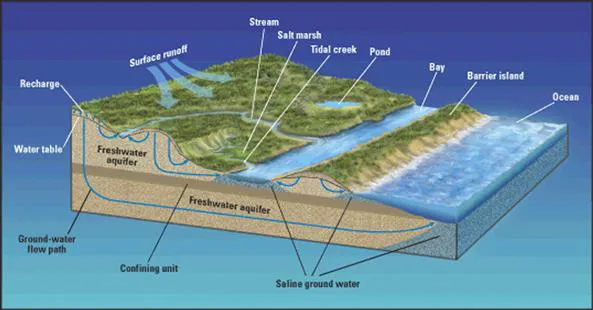
FIGURE 1-1 Water resources. For color version of this figure, the reader is referred to the online version of this book.
1.2.1 Saltwater Resources
Water contains dissolved chemical materials called “salts.” When the concentration of these dissolved materials becomes great, the water is referred to as saltwater or saline water.
Saltwater resources are the types of water resources that can make the saltwater for the sake of the benefit of the mankind and also save the environment from harm. Saltwater resources are also useful for generating the hydroelectric energy. Desalination of water separates the water into freshwater and saline water. Main saltwater resources are ocean, seawater, etc.
a. Ocean: Oceans are the largest single source of salts in the atmosphere, and sodium and chloride are the most abundant ions in air masses over the sea [5–7]. Chloride and sodium concentrations, therefore, are high in air masses near seacoasts but decrease rapidly with increasing distance inland. These airborne salts are delivered to coastal watersheds by precipitation. Chloride concentrations in precipitation, however, are relatively small compared to seawater. Average chloride concentrations in precipitation measured at about two-dozen atmospheric deposition monitoring stations along the Atlantic coast in 2000, for example, ranged from less than 0.2 to 2.8 mg/L [7]. Concentrations of sodium and chloride can be increased in soils, shallow surface waters (such as tidal lagoons), and groundwater by evaporation and evapotranspiration.
b. Sea water: Tides and storm surges, which can be local sources of increased groundwater salinity in low-lying coastal areas and fossil seawater in unflushed parts of an euifer: Such water either was trapped in sedimentary formations when they were deposited (connate water) or flowed into the formations during periods of relatively high sea levels when seawater flooded low-lying coastal areas [8–12].
c. Some of the ocean’s salts have been dissolved from rocks and sediments below the sea floor [13,14].
d. Others have escaped from the Earth’s crust through volcanic vents as solid and] gaseous materials [15].
1.2.2 Surface Water Resources
Another type of water resources is the surface water resource in which the water is present in the rivers or in the streams. Basically, this type of water is used in many useful purposes such as for the industrial use, for agricultural use, and for the generation of different types of energy, i.e. hydroelectrical energy. Surface water is very important because its 90–95% is used in the industry for manufacturing of different products [16,17]. Surface water mainly occurring in lakes, rivers, streams, or other freshwater sources used for drinking water supplies. While most drinking water in the United States is withdrawn from groundwater sources, surface water remains a significant water resource [18].
Surface water is naturally replenished by precipitation and naturally lost through discharge to evaporation and subsurface seepage into the ground. Although there are other sources of groundwater, such as connate water and magmatic water, precipitation is the major one and groundwater originated in this way is called meteoric water [19].
1.2.3 Groundwater Resources
Groundwater is generally stored in aqueducts, underground layers of porous rocks that are saturated with water. These aqueducts receive water as soil becomes saturated with precipitation or through stream and river runoff. As the aqueducts exceed their capacity for water storage, they will bleed water back into streams or rivers. The aqueducts maintain a natural balance of water, alternately receiving or giving water as their saturation levels oscillate. Throughout this process, water constantly moves between surface and groundwater sources, sharing contaminants as shown in Figure 1-2. Groundwater divided into two zones, i.e. saturated and unsaturated and these zones are separated with the help of water table below the ground [20,21].
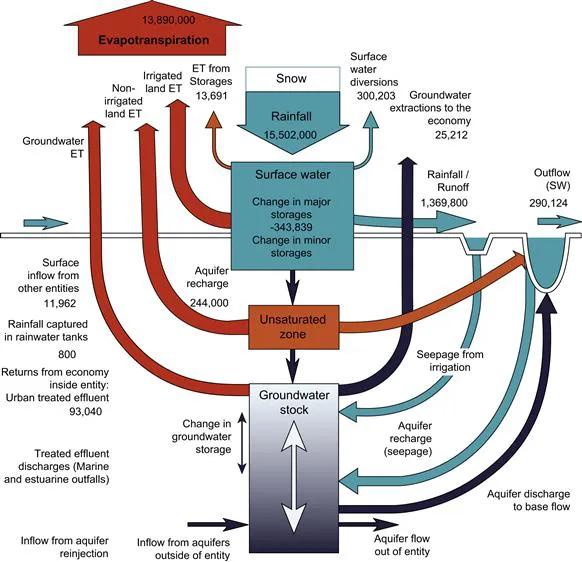
FIGURE 1-2 Water cycle. For color version of this figure, the reader is referred to the online version of this book.
1.3 Environmental Pollutants
Pollution refers to the entry of contaminants into natural environment that causes disorder, instability, and harm or discomfort to the ecosystem [22]. Pollutants, the causative factors of pollution, can be either foreign substances or naturally occurring contaminants. Environmental pollution is a major issue of concern and it is likely to influence the health of human populations [23]. In addition to the effects of environment pollution on human beings, it also affects plants, trees, and animals. Environment pollution is a global problem and its potential to influence the health of human populations is great [24]. The significance of environmental factors to the health and well-being of human populations is increasingly apparent [25]. The most serious hazardous effects of environmental pollution can be seen in the densely settled urban–industrial centers of the more developed countries [26]. More than 80% polluted water have been used for irrigation purposes [27]. Industry, clustered in urban and semi-urban areas surrounded by densely populated, low-income localities, continues to pollute the environment [28]. The present scenario is in favor of the fact that human exposure to pollution is believed to be more intense now than at any other time in human existence [29]. Pollution can be made by human activity as well as by natural forces [24]. Moreover, selfish private enterprise and their lack of awareness of public well-being and social costs [30] and natural disasters [31], e.g. volcanic ash from Iceland [32] are the other main contributing factors of pollution.
Water pollution is a major global problem which requires ongoing evaluation and revision of water resource policy at all levels. It has been suggested that it is the leading worldwide cause of diseases and deaths [33]. Water pollution accounts for the deaths of more than 14,000 people daily [34]. In addition to the acute problems of water pollution in developing countries, developed countries continue to struggle with pollution problems as well. In the most recent national report on water quality in the United States, 45% of assessed stream miles, 47% of assessed lake acres, and 32% of assessed bay and estuarine square miles have been classified as polluted [35].
Water is mainly referred to as polluted when it is impaired by anthropogenic contaminants and becomes unable to support a human use, such as drinking water, and/or undergoes a marked shift in its ability to support its constituent biotic communities, such as fish. However, natural phenomena like volcanoes, algae blooms, storms, and earthquakes also cause major changes in water quality and the ecological status of water.
1.4 Types of Pollutants
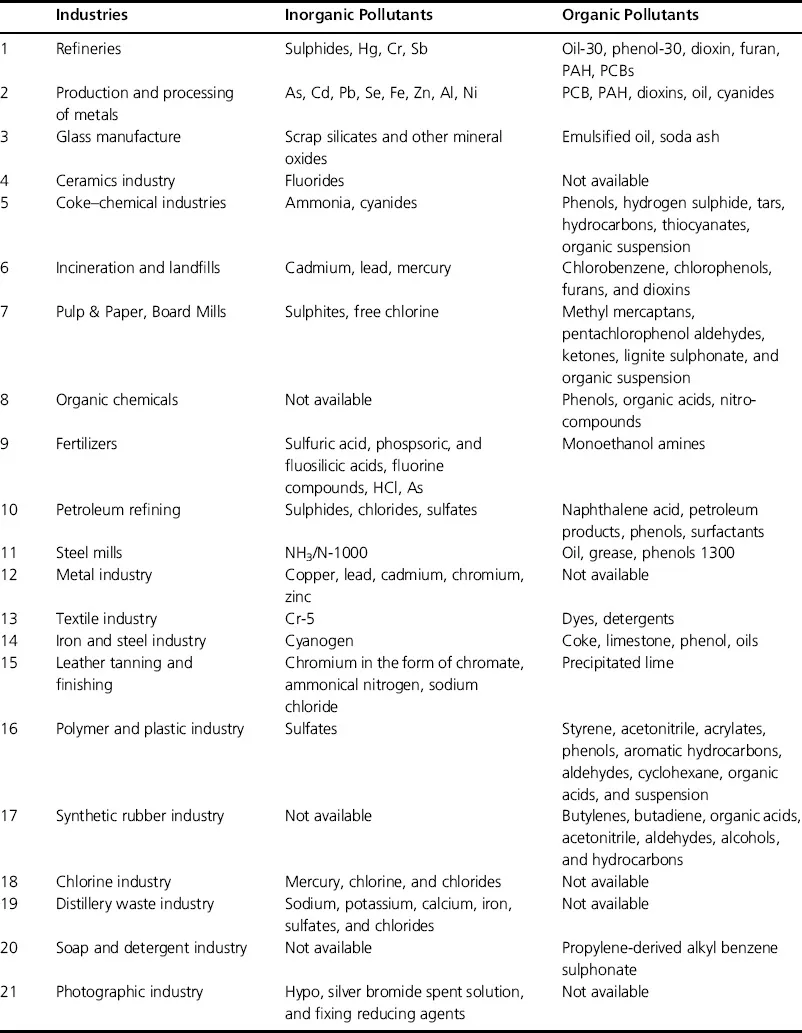
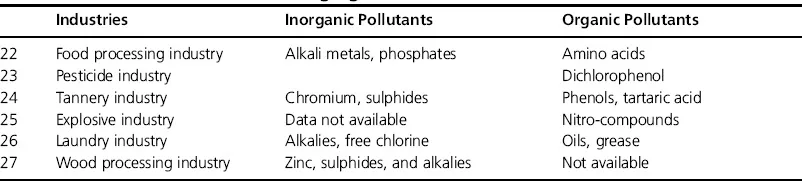
Pollutants have been categorized into organic, inorganic, and biological on the basis of their nature and origin. A classification of pollutants is shown in Figure 1-3. Besides, a list of industries discharging various contaminants is given in Table 1-1. A brief summary of the types of pollutants is discussed below:
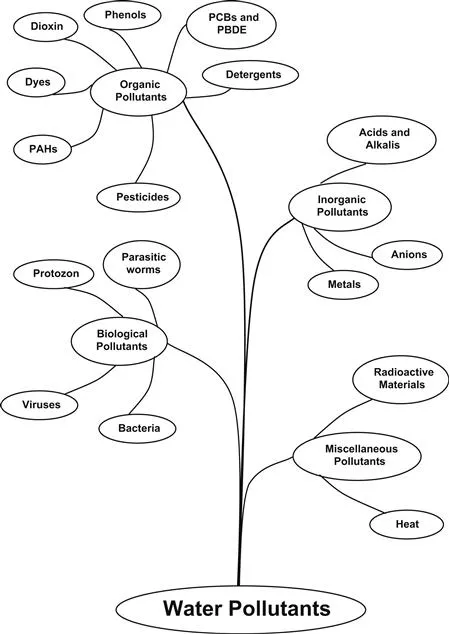
FIGURE 1-3 A classification of water pollutants on the basis of their chemical nature.
Table 1-1 List of Industries Discharging Various Contaminants
1.4.1 Organic Pollutants
Agents that degrade water quality and are organic in nature form big threats to healthy human existence and aquatic life. Organic water pollutants mainly include
1. Food processing waste, which can include oxygen-demanding substances, fats, and grease.
2. Petroleum hydrocarbons, including fuels (gasoline, diesel fuel, jet fuels, and fuel oil), lubricants (motor oil), and fuel combustion by-products [36].
3. Disinfection by-products (DBPs) found in chemically disinfected drinking water, such as chloroform.
4. Volatil...
Table of contents
- Cover image
- Title page
- Table of Contents
- Copyright
- Dedications
- Preface
- Acknowledgments
- About the Authors
- Chapter 1. Introduction
- Chapter 2. Water Treatment for Inorganic Pollutants by Adsorption Technology
- Chapter 3. Water Treatment for Organic Pollutants by Adsorption Technology
- Chapter 4. Water Treatment by Reverse Osmosis Method
- Chapter 5. Water Treatment by Membrane Filtration Techniques
- Chapter 6. Water Treatment by Electrical Technologies
- Chapter 7. Wastewater Treatment by Biological Methods
- Chapter 8. Perspectives of Water Treatment, Remediation and Recycling
- Index
Trusted by 375,005 students
Access to over 1.5 million titles for a fair monthly price.
Study more efficiently using our study tools.
Frequently asked questions
Yes, you can cancel anytime from the Subscription tab in your account settings on the Perlego website. Your subscription will stay active until the end of your current billing period. Learn how to cancel your subscription
No, books cannot be downloaded as external files, such as PDFs, for use outside of Perlego. However, you can download books within the Perlego app for offline reading on mobile or tablet. Learn how to download books offline
Perlego offers two plans: Essential and Complete
- Essential is ideal for learners and professionals who enjoy exploring a wide range of subjects. Access the Essential Library with 800,000+ trusted titles and best-sellers across business, personal growth, and the humanities. Includes unlimited reading time and Standard Read Aloud voice.
- Complete: Perfect for advanced learners and researchers needing full, unrestricted access. Unlock 1.5M+ books across hundreds of subjects, including academic and specialized titles. The Complete Plan also includes advanced features like Premium Read Aloud and Research Assistant.
We are an online textbook subscription service, where you can get access to an entire online library for less than the price of a single book per month. With over 1.5 million books across 990+ topics, we’ve got you covered! Learn about our mission
Look out for the read-aloud symbol on your next book to see if you can listen to it. The read-aloud tool reads text aloud for you, highlighting the text as it is being read. You can pause it, speed it up and slow it down. Learn more about Read Aloud
Yes! You can use the Perlego app on both iOS and Android devices to read anytime, anywhere — even offline. Perfect for commutes or when you’re on the go.
Please note we cannot support devices running on iOS 13 and Android 7 or earlier. Learn more about using the app
Please note we cannot support devices running on iOS 13 and Android 7 or earlier. Learn more about using the app
Yes, you can access Environmental Water by V.K. Gupta,Imran Ali in PDF and/or ePUB format, as well as other popular books in Tecnologia e ingegneria & Gestione ambientale. We have over 1.5 million books available in our catalogue for you to explore.