eBook - ePub
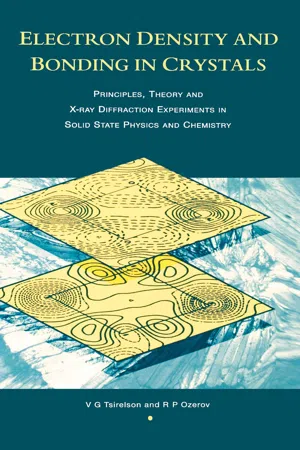
Electron Density and Bonding in Crystals
Principles, Theory and X-ray Diffraction Experiments in Solid State Physics and Chemistry
- 532 pages
- English
- ePUB (mobile friendly)
- Available on iOS & Android
eBook - ePub
Electron Density and Bonding in Crystals
Principles, Theory and X-ray Diffraction Experiments in Solid State Physics and Chemistry
About this book
Electron Density and Bonding in Crystals: Principles, Theory and X-Ray Diffraction Experiments in Solid State Physics and Chemistry provides a comprehensive, unified account of the use of diffraction techniques to determine the distribution of electrons in crystals. The book discusses theoretical and practical techniques, the application of electron density studies to chemical bonding, and the determination of the physical properties of condensed matter.
The book features the authors' own key contributions to the subject as well a thorough, critical summary of the extensive literature on electron density and bonding. Logically organized, coverage ranges from the theoretical and experimental basis of electron density determination to its impact on investigations of the nature of the chemical bond and its uses in determining electromagnetic and optical properties of crystals. The main text is supplemented by appendices that provide clear, concise guidance on aspects such as systems of units, quantum theory of atomic vibrations, atomic orbitals, and creation and annihilation operators. The result is a valuable compendium of modern knowledge on electron density distributions, making this reference a standard for crystallographers, condensed matter physicists, theoretical chemists, and materials scientists.
Information


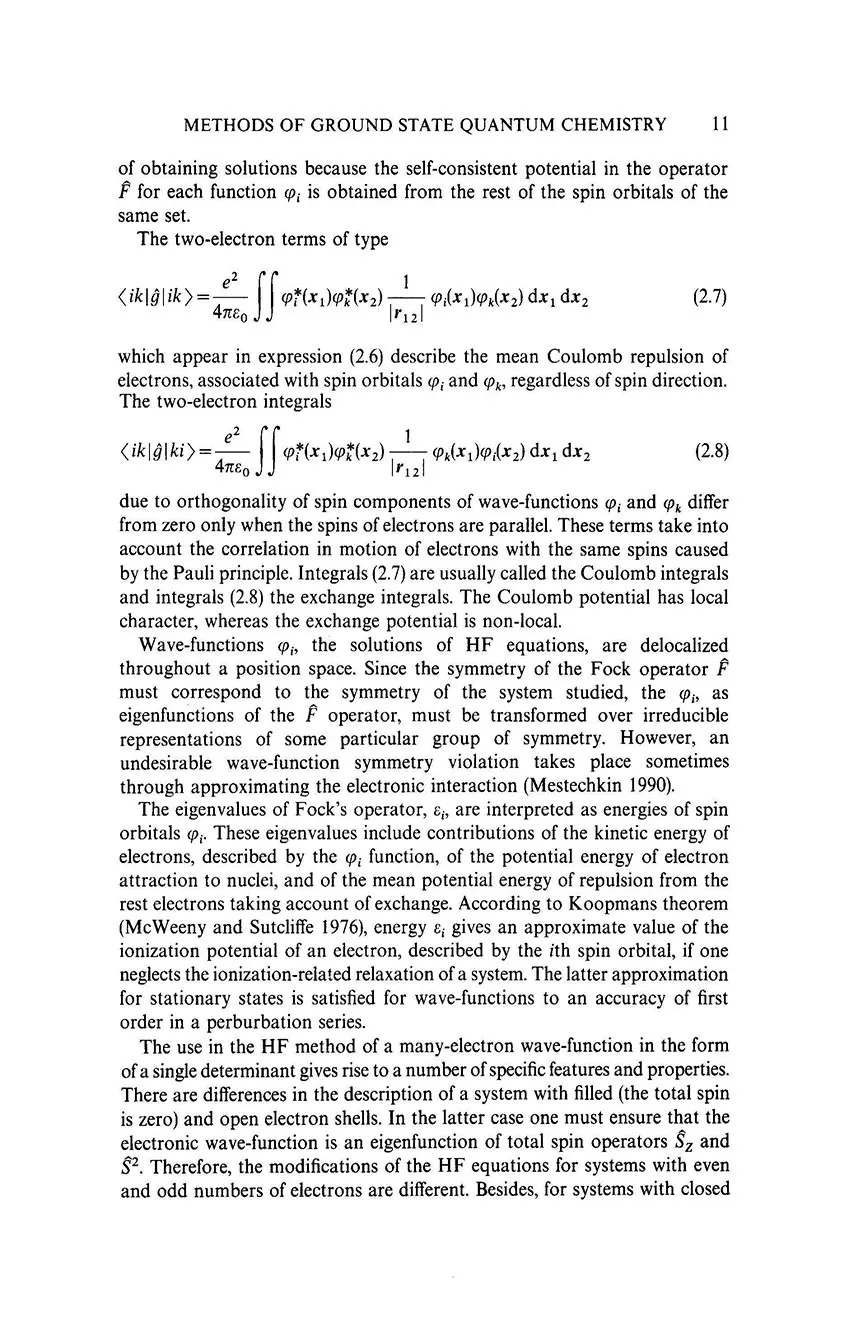
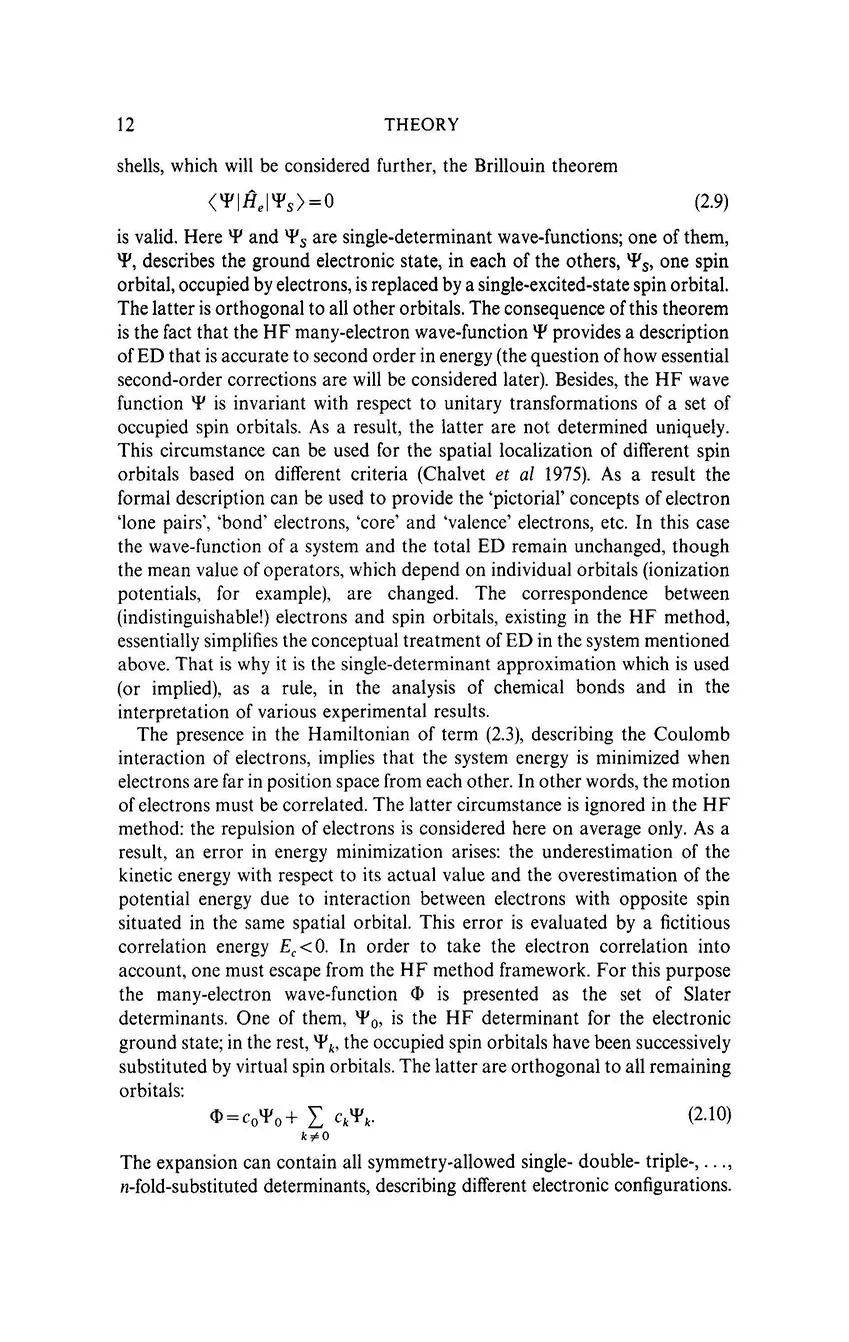


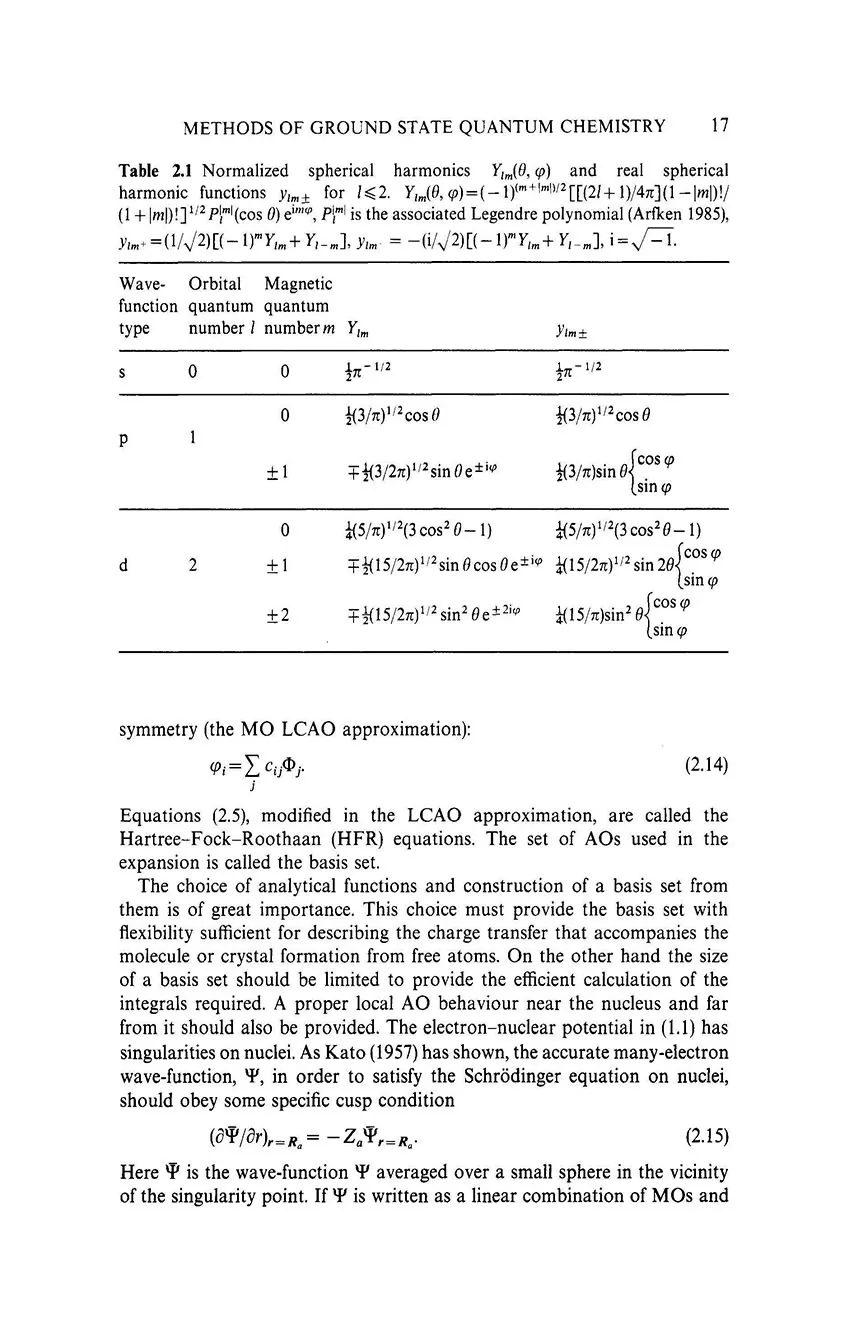


Table of contents
- Cover
- Title Page
- Copyright Page
- Contents
- Preface
- Glossary
- The world of an electron
- 1 Introduction. The electron density concept in physics and chemistry
- 2 Theory
- 2.1 Methods of ground state quantum chemistry
- 2.2 Methods of the density functional theory
- 2.3 The quality of the theoretical electron densities
- 2.4 Quantum mechanics and topology of the electron density
- 2.5 Electric field characteristics of molecules and crystals
- 3 X-ray diffraction experiment
- 3.1 Physical principles of the electron density reconstruction
- 3.2 Precise measurements of the diffracted x-ray beam intensities
- 3.3 From intensities to kinematic structure amplitudes
- 3.4 Crystallographic structural models
- 3.5 Quantum chemical models
- 3.6 Electron densities via Fourier series
- 3.7 Accuracy of the experimental electron density
- 4 New and complementary methods in electron density investigations
- 4.1 Synchrotron radiation in x-ray diffractometry
- 4.2 Gamma diffractometry
- 4.3 Precise structure amplitude determination by the pendellösung effect
- 4.4 High-energy electron diffraction
- 4.5 Schwinger scattering of neutrons
- 5 Magnetization and spin density
- 6 Electron density and the chemical bond
- 6.1 Concepts of the chemical bond
- 6.2 Atomic charges and pseudoatomic moments
- 6.3 Deformation electron density
- 6.4 Quantum topological theory and the chemical bond
- 6.5 The nature of the chemical bond
- 7 Electron density and crystal properties
- 7.1 Electrostatic effects
- 7.2 Diamagnetic susceptibility
- 7.3 Optical characteristics
- Epilogue
- Appendices
- A The systems of units
- B Vibrating atoms in crystals as quantum oscillators
- C Atomic orbitals and their analytical approximations
- D Electrostatic potential distribution in atoms
- E Creation and annihilation operators
- F Reciprocal space
- G Thermal diffuse scattering of x-rays and neutrons
- H Statistics in x-ray structure analysis
- I Fourier transformations of atomic orbital products
- J Least squares in crystallographic structural model refinement
- K Neutron scattering in electron density studies
- References
- Index
Trusted by 375,005 students
Access to over 1.5 million titles for a fair monthly price.
Study more efficiently using our study tools.
Frequently asked questions
Yes, you can cancel anytime from the Subscription tab in your account settings on the Perlego website. Your subscription will stay active until the end of your current billing period. Learn how to cancel your subscription
No, books cannot be downloaded as external files, such as PDFs, for use outside of Perlego. However, you can download books within the Perlego app for offline reading on mobile or tablet. Learn how to download books offline
Perlego offers two plans: Essential and Complete
- Essential is ideal for learners and professionals who enjoy exploring a wide range of subjects. Access the Essential Library with 800,000+ trusted titles and best-sellers across business, personal growth, and the humanities. Includes unlimited reading time and Standard Read Aloud voice.
- Complete: Perfect for advanced learners and researchers needing full, unrestricted access. Unlock 1.5M+ books across hundreds of subjects, including academic and specialized titles. The Complete Plan also includes advanced features like Premium Read Aloud and Research Assistant.
We are an online textbook subscription service, where you can get access to an entire online library for less than the price of a single book per month. With over 1.5 million books across 990+ topics, we’ve got you covered! Learn about our mission
Look out for the read-aloud symbol on your next book to see if you can listen to it. The read-aloud tool reads text aloud for you, highlighting the text as it is being read. You can pause it, speed it up and slow it down. Learn more about Read Aloud
Yes! You can use the Perlego app on both iOS and Android devices to read anytime, anywhere — even offline. Perfect for commutes or when you’re on the go.
Please note we cannot support devices running on iOS 13 and Android 7 or earlier. Learn more about using the app
Please note we cannot support devices running on iOS 13 and Android 7 or earlier. Learn more about using the app
Yes, you can access Electron Density and Bonding in Crystals by V.G Tsirelson,R.P Ozerov in PDF and/or ePUB format, as well as other popular books in Physical Sciences & Condensed Matter. We have over 1.5 million books available in our catalogue for you to explore.