Explore the Scriptures for yourself or with a group using these 52 Bible-based lessons.
Composed of a full year of Radiant Life adult curriculum lessons, this volume will help you prepare for every session. Designed to be used by Sunday School teachers or small group leaders, this curriculum is also great for individual study. The commentary, thought-provoking questions, and applications will challenge you to seek a Spirit-filled life as you grow in your faith. Sixth in a 7-volume series that covers the major themes of the Bible, you'll want to collect the entire series as part of your digital library. Unit topics in this volume include: • Abraham, Isaac, and Jacob • Pastoral Letters: 1 and 2 Timothy, and Titus • The Minor Prophets, Part 2 • Miracles of Jesus • Women of Faith • Fruit and Gifts of the Spirit • Selected Psalms of David • Letter to the Hebrews Use the entire book or choose the units that interest you. Scriptures are presented in both KJV and NIV for easy comparison study. Volumes 1 through 5 of this series are also available. Don't miss a single one!
eBook - ePub
About this book
Information
Topic
Theology & ReligionSubtopic
Christian MinistrySkillBuilder 21 for Adult Teachers

Learning Together
Discipleship goals should guide all that happens in Sunday School. A vision for pursuing these goals is called “Learning to Live the LIFE.” LIFE is an acronym that stands for: Learning together; Including all who come; Finding others who need to know; and Emerging for ministry. This four-part series of articles suggest ways to use vision as you prepare and facilitate adult Bible studies in Sunday School or other settings.
JESUS—“Therefore everyone who hears these words of mine and puts them into practice is like a wise man who built his house on the rock” (Matthew 7:24, NIV).
Sunday School is the largest teaching strategy in the Church today. Sunday School provides a setting where millions learn Biblical principles that shape their lives.
The way people learn often affects how well they transfer lessons from the classroom into their everyday lives. Let’s look at four principles of learning together in Sunday School that help promote learning that changes the lives of your adult students.
1. Learn Bible Events and Principles
The Bible is the text of Sunday School. In Psalm 78:7, the goal of learning is defined as: “Then they would put their trust in God and would not forget his deeds but would keep his commands”(NIV).
When Sunday School includes interactive discussion and Bible exploration, not only do adults learn what the Bible says, but they also learn how to use the Bible. When adults use their Bibles in Sunday School, they gain confidence to study it on their own at home and to discuss it with friends during everyday routines.
2. Tailor Bible Studies for Adult Learners
In theory, Sunday School provides tailored learning for specific age groups. In practice, how well Sunday School tailors Bible learning depends on how well teachers understand the ways people learn at various stages of life. Adult learning differs from the way children learn.
Adults want to be actively involved in their own learning. They want to have a say in what and how they study. Periodically, check with students about what they want to learn or how they learn best. Then prayerfully tailor Bible studies to fit what your students have described.

Adults want to be treated as peers by their teachers. Understanding the cooperative nature of adult learning can free you to function as a facilitator who introduces a topic and guides the process of learning what God says in the Bible.
The most important step in tailoring lessons for adults is making the personal commitment to learn how to plan lessons that fit adult learners.
3. Learn Together in Ways That Will Transfer to Everyday Living
Someone has said, “Knowing God’s Word is essential, but it is not sufficient.” In Matthew 7:24, Jesus expressed the principle this way: “Everyone who hears these words of mine and puts them into practice is like a wise man who builds his house on the rock” (NIV). Learning together should include practice that makes it easier for students to transfer what they learn in Sunday School into their everyday lives. No matter how long or short a Sunday School schedule, every lesson should answer the question “How does this information affect my life?” For example, in a lesson about the Sermon on the Mount, adult students may list strategies for functioning as peacemakers at work or at home.
4. Learn From One Another’s Faith Stories
When adults enter a class, they bring a considerable amount of knowledge and experience with them. By listening to one another, adults not only benefit from one another’s knowledge but they also help clarify one another’s understanding.
The small group setting of Sunday School offers opportunities for teachers and students to share how God is using His Word to change lives. Prayer requests may soon be shared as stories of answered prayer that tell of God’s faithfulness. Sharing faith stories in Sunday School helps build faith in the lessons learned.
Learning together in Sunday School is an important aspect of Learning to Live the LIFE.
SkillBuilder 22 for Adult Teachers

Including All Who Come
Discipleship goals should guide all that happens in Sunday School. A vision for pursuing these goals is called “Learning to Live the LIFE.” LIFE is an acronym that stands for: Learning together; Including all who come; Finding others who need to know; and Emerging for ministry. This four-part series of articles suggest ways to use vision as you prepare and facilitate adult Bible studies in Sunday School or other settings.
JESUS—“By this will all men know that you are my disciples, if you love one another” (John 13:35, NIV).
The small group setting of Sunday School makes it easier to connect the interests and experiences of class members with those of new members. While all members study God’s Word together, new members hear the questions, insights, and experiences of others in the class. Listening both increases spiritual understanding and helps move new members beyond the level of casual acquaintance to emerging friendship.
Consistently including all who come takes prayer, planning, and effort! As a Sunday School teacher, you can play a key role.
Select and Train Greeters
A good start is selecting a greeter to welcome everyone to Sunday School. Train the greeter to watch for ways to connect each person with what is already happening in the room. As the greeter talks with a guest, he can listen for one or two interests or experiences that a member of the class may have in common with the guest. The greeter might say, “Julia has a daughter who just left for college too. Let me introduce you.” Or “Carl plays left field on our church baseball team. Let’s see if there’s a game this week.”
Prepare Class Members to Include Others
Prepare your students to enjoy meeting new members. One way is to periodically take time to review the Biblical “one another” commands: love one another; welcome one another; build one another up; encourage one another; teach one another; share with one another.
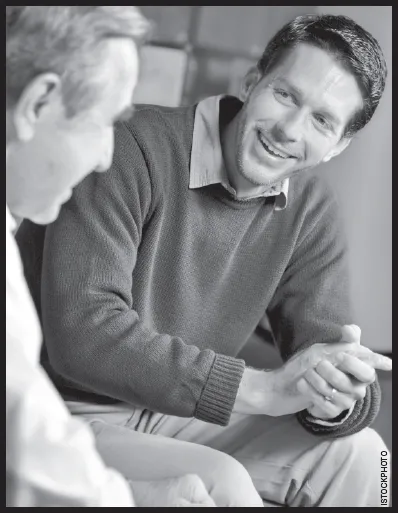
The class can also practice welcoming new members. Role play how to include new members in class conversations or activities. Brainstorm what to talk about when sitting with a visitor. Arrange chairs to encourage conversations. If students sit around tables, set an odd number of chairs to help singles feel included.
Begin Enjoyable Lesson Activities as Students Arrive
One pastor divided his adult Sunday School into “table groups” in the fellowship hall. Each week, the pastor gave designated table leaders a printed conversation starter that related to the lesson. As leaders welcomed members to the tables, they began discussing the assigned topic. By the time the actual lesson began, class members and visitors were already talking with class members and everyone was thinking about the Bible lesson.
Promote Interaction During the Week
Teachers can also use time outside of Sunday School to include all who come. In his book You Can Double Your Class Size in Two Years or Less, Josh Hunt describes how he and his wife began inviting new Sunday School members to their home on Friday evenings for dessert and games. During one six-month period, they were able to invite ten couples for Friday fellowship. Hunt discovered that 90 percent of the couples who visited in their home stayed in the church and joined their class. Hunt believes that including new people in friendships is a significant part of fulfilling the Great Commission. He calls the strategy “Giving your Fridays to Jesus.”
A prayer and praise chain can also include all who come. New members may feel more at ease receiving e-mail prayer requests and praise reports than in passing them along by phone. Just ask for e-mail addresses and/or phone numbers and make it easy for guests to be added to the chain.
By making the effort to include all who come to Sunday School, you will communicate to guests that they are important to the members and ministry of your class. As your class becomes more friendly, members will invite others to come and share the fellowship.
SkillBuilder 23 for Adult Teachers

Finding Others
Who Need To Know
Discipleship goals should guide all that happens in Sunday School. A vision for pursuing these goals is called “Learning to Live the LIFE.” LIFE is an acronym that stands for: Learning together; Including all who come; Finding others who need to know; and Emerging for ministry. This four-part series of articles suggest ways to use vision as you prepare and facilitate adult Bible studies in Sunday School or other settings.
JESUS—“Go into all the world and preach the gospel to all creation” (Mark 16:15, NIV).
As you prepare and lead adult Bible studies in Sunday School, periodically emphasize four evangelism principles as you lead lessons.
Partner With the Holy Spirit
Fulfilling the Great Commission is a partnership with the Holy Spirit. The role of believers is to show and tell others how Jesus is changing their own lives.
Help your students remember that the Holy Spirit is active both in believers’ lives and in the lives of those who need to know Jesus. In Acts 8, the Spirit sent Philip to talk with the Ethiopian official who was being drawn by the Spirit to Christ. The Holy Spirit can bring us together with others who need to know Jesus.
Once or twice a month, ask your students to share their experiences with partnering with the Holy Spirit to tell others about Jesus. Also discuss ways to become more aware of the Spirit’s presence and alert to His leading during everyday routines. For example, create a potential first-thing-in-the-morning routine to begin each day with spiritual awareness. It might be a prayer like, “Good morning, Heavenly Father. Thank You for this day. I give myself to You. Please keep me aware of Your Spirit today. I want others to know Jesus. Amen.”
Understand the Spiritual Climate
It’s easy to listen to the news and TV programs and believe that relatively few people care about their spiritual lives. Nothing could be farther from the truth. Polls taken over the past fifty years consistently show that over 90 percent of the people in the Unite...
Table of contents
- Cover Page
- Title Page
- Copyright Page
- Contents
- How To Use the Adult Teacher
- Lesson Planning Example
- Planning the Session Sample Work Sheet
- Planning the Session Work Sheet
- Letter to the Adult Sunday School Teacher
- Skillbuilder 21: Learning To Live the Life, Part 1: Learning Together
- Skillbuilder 22: Learning To Live the Life, Part 2: Including All Who Come
- Skillbuilder 23: Learning To Live the Life, Part 3: Finding Others Who Need To Know
- Skillbuilder 24: Learning To Live the Life, Part 4: Emerging for Ministry
- Fall 2018
- Winter 2018–19
- Spring 2019
- Summer 2019
- Study Text Index
Trusted by 375,005 students
Access to over 1.5 million titles for a fair monthly price.
Study more efficiently using our study tools.
Frequently asked questions
Yes, you can cancel anytime from the Subscription tab in your account settings on the Perlego website. Your subscription will stay active until the end of your current billing period. Learn how to cancel your subscription
No, books cannot be downloaded as external files, such as PDFs, for use outside of Perlego. However, you can download books within the Perlego app for offline reading on mobile or tablet. Learn how to download books offline
Perlego offers two plans: Essential and Complete
- Essential is ideal for learners and professionals who enjoy exploring a wide range of subjects. Access the Essential Library with 800,000+ trusted titles and best-sellers across business, personal growth, and the humanities. Includes unlimited reading time and Standard Read Aloud voice.
- Complete: Perfect for advanced learners and researchers needing full, unrestricted access. Unlock 1.5M+ books across hundreds of subjects, including academic and specialized titles. The Complete Plan also includes advanced features like Premium Read Aloud and Research Assistant.
We are an online textbook subscription service, where you can get access to an entire online library for less than the price of a single book per month. With over 1.5 million books across 990+ topics, we’ve got you covered! Learn about our mission
Look out for the read-aloud symbol on your next book to see if you can listen to it. The read-aloud tool reads text aloud for you, highlighting the text as it is being read. You can pause it, speed it up and slow it down. Learn more about Read Aloud
Yes! You can use the Perlego app on both iOS and Android devices to read anytime, anywhere — even offline. Perfect for commutes or when you’re on the go.
Please note we cannot support devices running on iOS 13 and Android 7 or earlier. Learn more about using the app
Please note we cannot support devices running on iOS 13 and Android 7 or earlier. Learn more about using the app
Yes, you can access Adult Teacher Volume 6 by in PDF and/or ePUB format, as well as other popular books in Theology & Religion & Christian Ministry. We have over 1.5 million books available in our catalogue for you to explore.