Gardening Complete
eBook - ePub

Gardening Complete

How to Best Grow Vegetables, Flowers, and Other Outdoor Plants

,
  1. 376 pages
  2. English
  3. ePUB (mobile friendly)
  4. Available on iOS & Android
eBook - ePub

Gardening Complete

How to Best Grow Vegetables, Flowers, and Other Outdoor Plants

,

About this book

Gardening Complete is the most up-to-date and complete guide to gardening for homeowners. Inside, eight of North America’s top gardening experts—and Cool Springs Press authors—present 19 subjects of critical interest to anyone who wants to learn or broaden gardening skills.

Whether your main interest is in designing landscapes and gardens, ornamental gardening to make your yard more attractive, or gardening to provide nutritious edibles for the family table, this book will become your definitive source of information. It is intended for serious beginning to intermediate gardeners, but even veteran gardeners will be intrigued by what these experts have to say about core gardening skills and common horticultural subjects.
 
Gardening Complete is a practical book that demonstrates how to accomplish the routine activities of gardening and beyond, including:
  • Planning and planting your garden
  • Essential care for the garden during the growing season
  • Dealing with pests and diseases
  • Harvesting fruits and vegetables
  • Attracting pollinators
  • Container, vertical, and raised bed gardening techniques
While many gardening books focus on regional plant species or devote large sections to some form of plant catalog, this book is different. Gardening Complete serves not only as a self-contained manual for gardening skills and information in all regions, but also as a sampler that may help you determine where to focus your gardening hobby in the future or even help you identify authors you’d like to explore further. Each of the eight authors has an impressively broad background in publishing and lecturing on gardening, and you may discover a new favorite writer in these pages. We haven’t just allowed these authorities to express their individual views—we’ve encouraged them to do so. As is true in a healthy garden, we’ve aimed at diversity for this book.
 
This book is not an organic gardening book per se, but if you have any previous familiarity with Cool Springs Press or any of these authors, you will know that we tend to take a low-impact approach to gardening. Thus, our authors generally offer advice that is gentle to the soil, to the environment, and to beneficial insects and animals.

Success in your yard and garden awaits you with the help of Gardening Complete. Our authors are among the most passionate gardeners you will ever meet, and they have helped thousands of home gardeners just like you.
Frequently asked questions

Yes, you can cancel anytime from the Subscription tab in your account settings on the Perlego website. Your subscription will stay active until the end of your current billing period. Learn how to cancel your subscription.
No, books cannot be downloaded as external files, such as PDFs, for use outside of Perlego. However, you can download books within the Perlego app for offline reading on mobile or tablet. Learn more here.
Perlego offers two plans: Essential and Complete
  • Essential is ideal for learners and professionals who enjoy exploring a wide range of subjects. Access the Essential Library with 800,000+ trusted titles and best-sellers across business, personal growth, and the humanities. Includes unlimited reading time and Standard Read Aloud voice.
  • Complete: Perfect for advanced learners and researchers needing full, unrestricted access. Unlock 1.4M+ books across hundreds of subjects, including academic and specialized titles. The Complete Plan also includes advanced features like Premium Read Aloud and Research Assistant.
Both plans are available with monthly, semester, or annual billing cycles.
We are an online textbook subscription service, where you can get access to an entire online library for less than the price of a single book per month. With over 1 million books across 1000+ topics, we’ve got you covered! Learn more here.
Look out for the read-aloud symbol on your next book to see if you can listen to it. The read-aloud tool reads text aloud for you, highlighting the text as it is being read. You can pause it, speed it up and slow it down. Learn more here.
Yes! You can use the Perlego app on both iOS or Android devices to read anytime, anywhere — even offline. Perfect for commutes or when you’re on the go.
Please note we cannot support devices running on iOS 13 and Android 7 or earlier. Learn more about using the app.
Yes, you can access Gardening Complete by in PDF and/or ePUB format, as well as other popular books in Biological Sciences & Horticulture. We have over one million books available in our catalogue for you to explore.

CHAPTER 1

BOTANY FOR GARDENERS

By George Weigel
BOTANY IS THE BRANCH OF BIOLOGY THAT FOCUSES on plant life. It’s a hands-on science that can be very helpful to a gardener because understanding how plants work can drastically cut a yard’s plant death toll.
One of the first bits of this science that gardeners encounter is how plants are named. Names matter a lot in the plant world. They’re the tools that help gardeners sort out minute botanical variations and guide us to the all-important goal of getting the right plant in the right place—the not-so-secret “secret” to successful gardening.
A gardener who ignores plant names (a rose is a rose is a rose…) is much more likely to end up with bland tomatoes and dead shrubs than gardeners who research exactly what to plant where.
Granted, plant names can make eyes glaze over in a hurry—especially when botanists, horticulturists, and other plant geeks throw around those hard-to-pronounce Latin botanical names. But plant experts don’t spout Latin just to show off (usually). They’re using it because it’s a standard system that ensures everyone is talking about the exact same plant everywhere on the planet.
Without it, you might think you’re buying a native perennial flower called bluebells (Mertensia virginica) when you’re actually getting a strappy-leafed spring bulb called bluebells (Hyacinthoides hispanica). Or when you’re talking about your stunning hollyhocks (Alcea rosea), a farm-country gardener might say, “Sounds to me like you’re talking about the outhouse plant” (also Alcea rosea).
Image
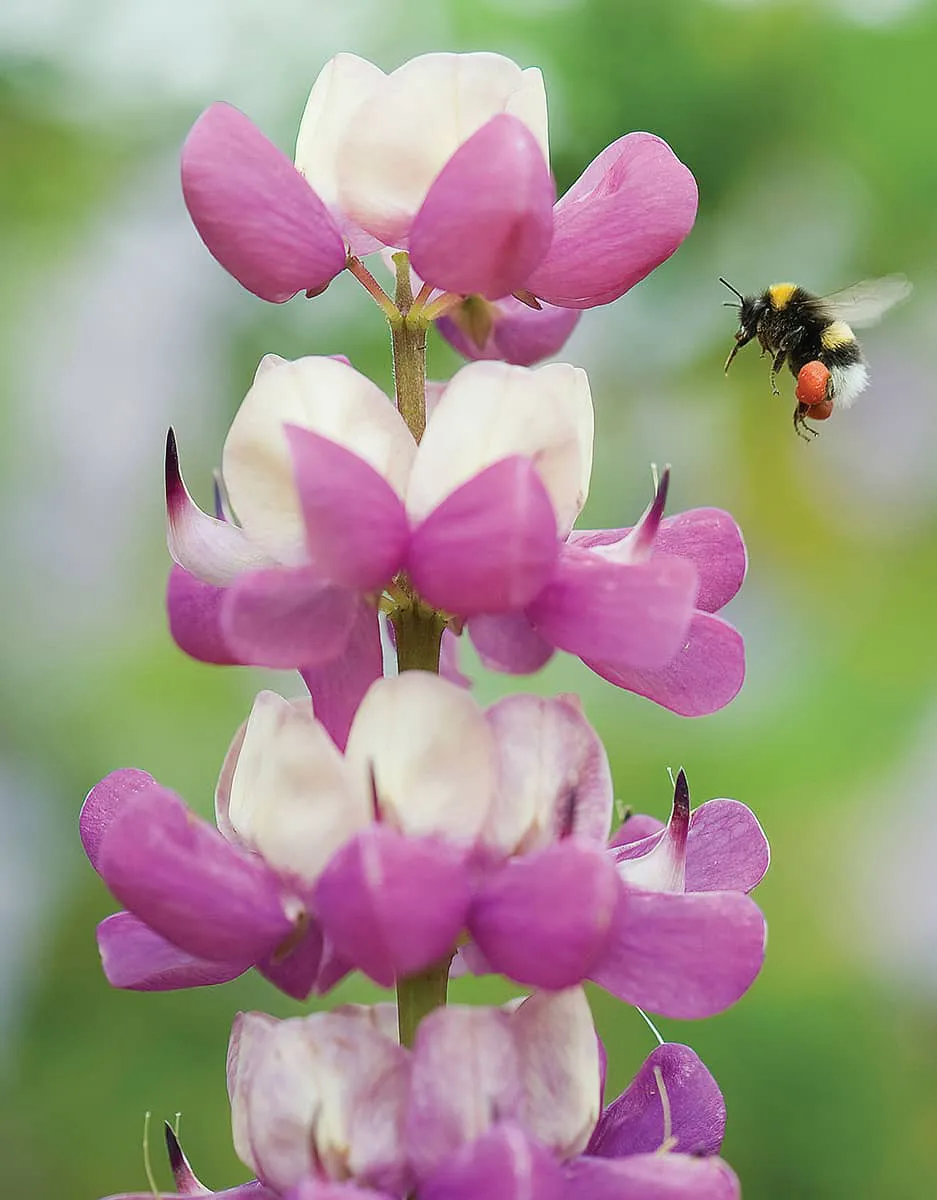
The “bugs” you see in your garden may include the essential pollinators, such as this bee.

WHY LATIN?

When primitive gardeners first started trying to figure out the plant world, plants were crudely named—typically by what they looked like. Early scientists began recording these plant names by 200 BC.
That worked fine until people fanned out, cultivated plants for more and more uses, and moved them to other regions. Then it became necessary to standardize names so people in one area knew what people in another were talking about.
Nailing down exact names also became more important as people began using plants medicinally. It’s very helpful to know, for example, that the frilly leafed plant you’re about to eat is Queen Anne’s lace (Daucus carota) and not poison hemlock (Conium maculatum).
A momentous advancement came in 1753 when Swedish naturalist Carolus Linnaeus published a two-volume, 1,200-page book called Species Plantarum. The book laid out a system that grouped plants into a sort of family tree, primarily by their similarity to one another in flower, fruit, and leaf.
The top of Linnaeus’s tree identified “kingdoms” to sort out plants from animals, fungi, and bacteria. Then the system went down a line of division, class, family, genus, and species to further group plants by increasingly intricate characteristics. A classification of “order” also is in the system, but it’s more significant in animals than plants.
Linnaeus used Latin names (and some Greek ones) for his naming system because that was the international language of choice in the 18th-century scientific community. (See “Botanical Order” for more information.)
Image
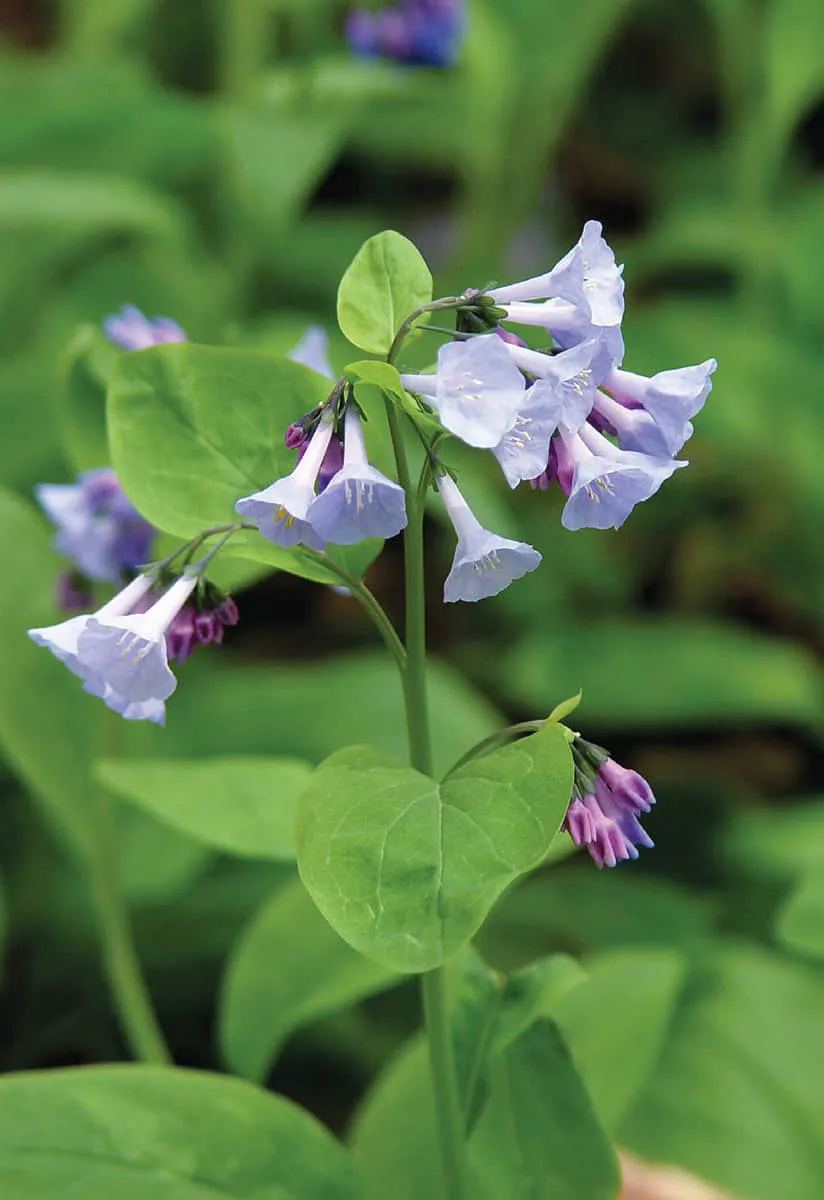
More than one plant is nicknamed bluebells, but this one is a US-native, spring-wildflower version known botanically as Mertensia virginica.
Image
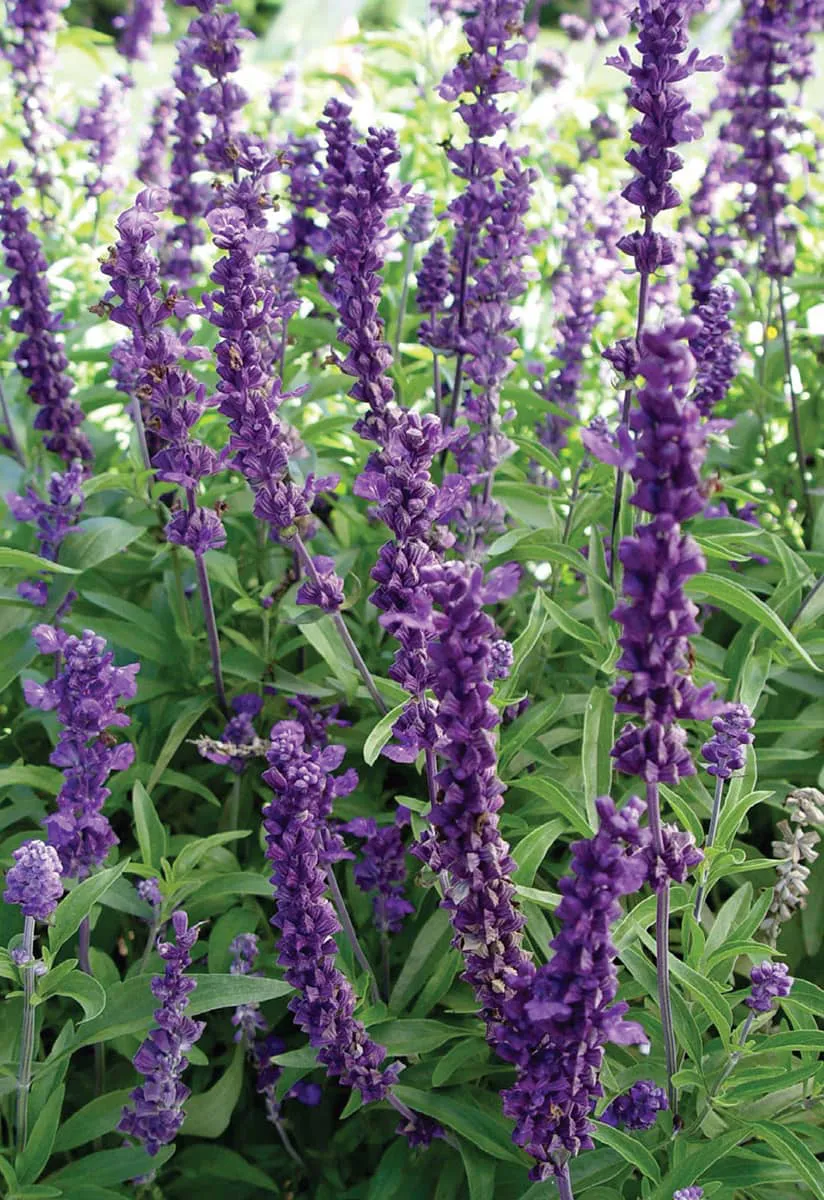
This is a cultivar—a variation developed from a native species. On the plant tag, it would be identified as Salvia farinacea ‘Evolution’.
BOTANICAL ORDER
Kingdom. According to Linnaeus, Earth has five kingdoms. Plantae, or the plant kingdom, is one of them.

Divisions. These separ...

Table of contents

  1. Cover
  2. Title Page
  3. Contents
  4. Introduction
  5. 1 Botany for Gardeners
  6. 2 Understanding Soil
  7. 3 Designing your Gardens
  8. 4 Planting a Garden
  9. 5 Watering and Fertilizing
  10. 6 Pruning
  11. 7 Composting and Mulching
  12. 8 Gardening by Seasons
  13. 9 Managing Weeds
  14. 10 Controlling Pests and Insects
  15. 11 Controlling Diseases
  16. 12 Propagating
  17. 13 Harvesting Edibles
  18. 14 Gardening with Native Plants
  19. 15 Water-Wise Gardening
  20. 16 Gardening for the Birds and Bees
  21. 17 Container Gardening
  22. 18 Vertical Gardening
  23. 19 Raised Beds
  24. About the Authors
  25. Index
  26. Image Credits
  27. Copyright