eBook - ePub
Available until 22 Apr |Learn more
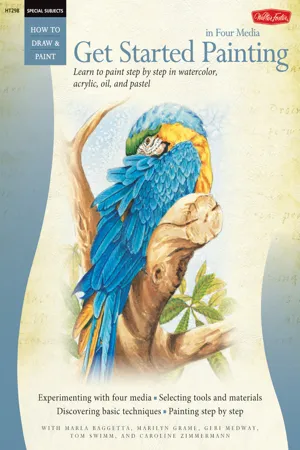
Special Subjects: Get Started Painting
Explore Acrylic, Oil, Pastel, and Watercolor
This book is available to read until 22nd April, 2026
- 32 pages
- English
- ePUB (mobile friendly)
- Available on iOS & Android
eBook - ePub
Available until 22 Apr |Learn more
Special Subjects: Get Started Painting
Explore Acrylic, Oil, Pastel, and Watercolor
About this book
Learn how to paint in four different media! Taking the first steps to learn how to paint can be a challenge, especially when beginning artists are unsure which medium best suits them. With this book, aspiring artists will discover the qualities and benefits of four painting media-acrylic, oil, pastel, and watercolor-making it easier for them to begin their artistic journey. After an in-depth introduction to the tools and materials needed for each medium, five accomplished artists guide readers step by step through the creation of their own works of art.
Frequently asked questions
Yes, you can cancel anytime from the Subscription tab in your account settings on the Perlego website. Your subscription will stay active until the end of your current billing period. Learn how to cancel your subscription.
No, books cannot be downloaded as external files, such as PDFs, for use outside of Perlego. However, you can download books within the Perlego app for offline reading on mobile or tablet. Learn more here.
Perlego offers two plans: Essential and Complete
- Essential is ideal for learners and professionals who enjoy exploring a wide range of subjects. Access the Essential Library with 800,000+ trusted titles and best-sellers across business, personal growth, and the humanities. Includes unlimited reading time and Standard Read Aloud voice.
- Complete: Perfect for advanced learners and researchers needing full, unrestricted access. Unlock 1.4M+ books across hundreds of subjects, including academic and specialized titles. The Complete Plan also includes advanced features like Premium Read Aloud and Research Assistant.
We are an online textbook subscription service, where you can get access to an entire online library for less than the price of a single book per month. With over 1 million books across 1000+ topics, we’ve got you covered! Learn more here.
Look out for the read-aloud symbol on your next book to see if you can listen to it. The read-aloud tool reads text aloud for you, highlighting the text as it is being read. You can pause it, speed it up and slow it down. Learn more here.
Yes! You can use the Perlego app on both iOS or Android devices to read anytime, anywhere — even offline. Perfect for commutes or when you’re on the go.
Please note we cannot support devices running on iOS 13 and Android 7 or earlier. Learn more about using the app.
Please note we cannot support devices running on iOS 13 and Android 7 or earlier. Learn more about using the app.
Yes, you can access Special Subjects: Get Started Painting by Marla Baggetta,Marilyn Grame,Geri Medway,Tom Swimm,Caroline Zimmermann in PDF and/or ePUB format, as well as other popular books in Art & Art General. We have over one million books available in our catalogue for you to explore.
Information
Oil Painting Tools & Materials
A very adaptable medium, oil lends itself to a variety of painting styles—from precise, realistic strokes to free-flowing, expressionistic forms. And oil paint is an ideal medium for beginners: the paints dry slowly, allowing you to take your time and correct any mistakes. Oil paints must be thinned with turpentine or another mineral spirit, which makes cleanup more difficult than with water-soluble media, but the wonderful qualities of oil make it worth the extra effort.
OIL PAINTS
Oil paints are available in two distinctive qualities: artist’s grade and student’s grade. Artist’s grade paints contain better-quality pigments and fewer additives, so they last longer and produce more intense color. You don’t need to purchase every color you see; you can mix almost any color from just a few, such as the colors suggested in the beginner’s palette shown below. You can always add to your basic palette later as your skills develop—and your budget allows! Colors vary slightly from brand to brand, so experiment with a few different manufacturers to find which ones you like best.
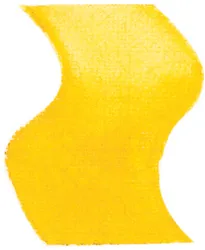
Cadmium yellow light

Ultramarine blue
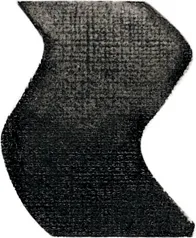
Black
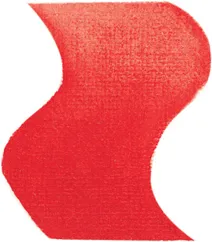
Cadmium red light

Titanium white
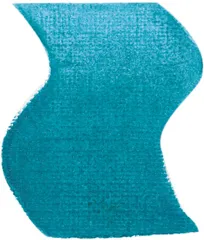
Cerulean blue

Lemon yellow
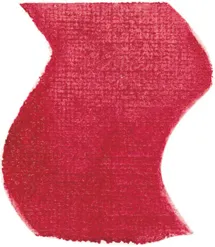
Alizarin crimson
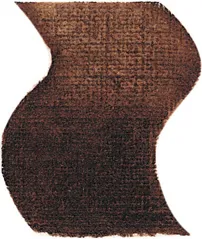
Burnt umber
BASIC PALETTE The nine colors above make a great starter set. The lessons in this book call for additional colors, as every artist has a preferred palette, but with this set, you can mix almost any color you might need. (See “Color Mixing Basics” on page 5.)
PAINTBRUSHES
Oil paintbrushes are made with either natural hair or synthetic bristles, though many oil artists avoid synthetic bristles because they can be affected by the corrosive nature of oil solvents. You’ll find several different brush styles to choose from, but a good starter set for beginning oil painters includes only a few brushes: two flat brushes (one large, one small), two round brushes (one large, one small), one filbert brush, and one liner (or rigger) brush. You always have the option of expanding your brush collection as your skills develop.

FLATS Flat brushes have square corners and are great for applying large amounts of paint. You can use them to make long, soft strokes.

ROUNDS round brushes come to a point, allowing you to paint fine details and vary the width of your brushstrokes.

FILBERTS Flat with a rounded tip, these brushes combine properties of both a flat and a round brush.

LINERS Also called “riggers,” these fine brushes are ideal for painting very small details and signing your work.
BRUSH CARE
If you take care of your brushes, they can last for several years. Never allow paint to dry in the hair or bristles; oil is destructive and tends to cling in the bristles next to the ferrule (the metal band). Wash your brushes thoroughly after each painting session, first with thinner (such as turpentine or mineral spirits), then with soap and warm (but not hot!) water. Then reshape the bristles and lay the brushes flat to dry.
PALETTE KNIVES
Palette knives are ideal for mixing colors on the palette, but they also can be used to apply paint to the support (see page 3 for more on supports). Ranging in shapes from diamond to pear, knives are useful for scraping off paint, creating textures, and blending large areas on the canvas. Use smooth, gentle strokes rather than a heavy stirring motion.
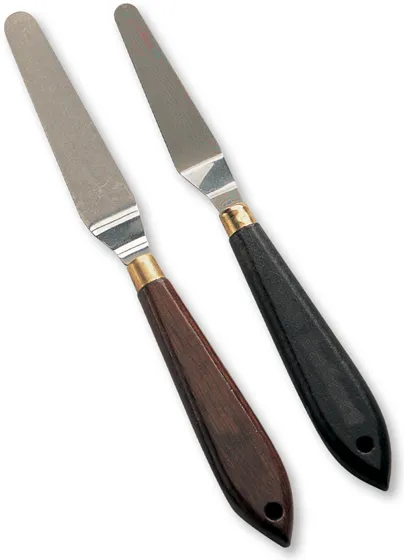
KNIVES The steep angle in the neck of painting knives keeps your hand from getting in the paint.
PAINTING SURFACES
The surface you paint on is called the “support.” You can apply oils to just about any kind of support, as long as it has been primed and sealed so the paints have something to stick to. For beginners, it’s best to purchase either pre-primed canvas board or cotton canvas that has already been stretched and primed. This way, your support is ready to use! Canvases are available in a variety of sizes and textures. A fine, dense weave (which is smooth) has very little texture, or tooth; a coarse, loose weave (which is rough) has more tooth.
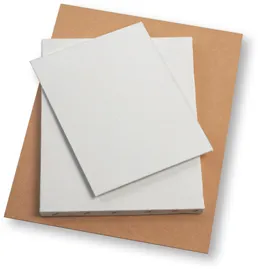
CANVAS Oil painting surfaces can include canvas, glass, wood, cardboard, paper, and even metal.
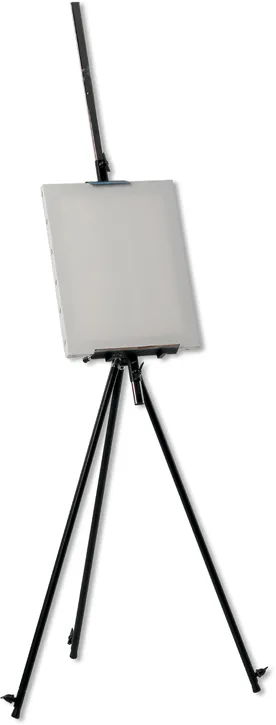
EASEL An easel holds your support in place and allows you to angle the painting surface from flat to vertical. If you have limited space in which to paint, choose a collapsible easel like this. Or try a portable easel, ideal for painting outdoors.
ADDITIVES
Oil painters must use mediums (such as mineral spirits or turpentine) both to thin their paint and to clean their brushes. But additional mediums can be mixed with the paint to alter its qualities—some make the paint softer or thinner, others speed up or slow down the drying time of the paint, and still others add gloss or create a matte appearance.
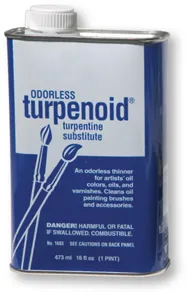
MINERAL SPIRITS Similar to turpentine, this solvent is used to thin paint and also remove it from brushes or from the support. It is much less expensive than turpentine and is almost odorless.
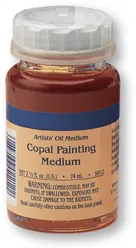
COPAL A resin exuded from tropical trees, copal also acts as a paint thinner, making the oil paint more tran...
Table of contents
- Cover
- Title Page
- Contents
- Oil Painting Tools & Materials
- Oil Painting Techniques
- Seascape with Caroline Zimmermann
- Blue Door with Tom Swimm
- Acrylic Tools & Materials
- Acrylic Painting Techniques
- Iris with Tom Swimm
- Boats with Tom Swimm
- Watercolor Tools & Materials
- Watercolor Techniques
- Macaw with Marilyn Grame
- Bird of Paradise with Geri Medway
- Pastel Tools & Techniques
- Fruit Still Life with Marla Baggetta
- Winter Landscape with Marla Baggetta
- About the Artist
- Copyright Page