THE HALF-HOUR PRINCIPLE
Introduction
Everyone wants an allotment these days, and quite right too. Not only is having an allotment a fantastic way to get exercise and fresh air, but it means that you can have complete control of the food that comes into your home. Food scares are a constant concern and the idea of seeing your food through from plot to plate appeals to many people.
We know that food tastes best when fresh, and that supermarket produce is most likely picked a good few days before it reaches us. We may also be aware that flying our beans over from Kenya or apples from South Africa does not help the environment. Some of us realize that the varieties that supermarkets encourage farmers to grow are chosen more often for their ability to withstand the extreme conditions of packing and transporting procedures than they are for taste, and we want to be reminded what real tomatoes and strawberries taste like. Allotments seem a perfect solution to all these worries. The only food miles involved are as often as not those travelled on the back of a bicycle.
But often things go wrong. You may know the story: you get your plot and set about it with gusto. After a few weekends of exhaustion and backache friends start leaving messages wondering what has happened to you, and it suddenly occurs to you that you have been neglecting a few things around the house – and so you miss a week, and then another. By the time you get back to your plot the perennial weeds have crept back, a fresh crop of annual weeds has sprouted, and the areas you had cleared are starting to look much as they did when you started. The rot sets in, and your prized plot soon becomes a source of worry and guilt. Sooner or later a letter from the allotment committee arrives, asking you to maintain your plot to a higher standard or consider giving it up. You bow to the inevitable.
Despite the fact that allotments have never been so popular and many have long waiting lists, a large number of newly adopted plots are abandoned within the year. This is disheartening for allotment committees, but is arguably worse for the poor would-be allotmenteer, left with nothing but a sense of failure and a trapped nerve.
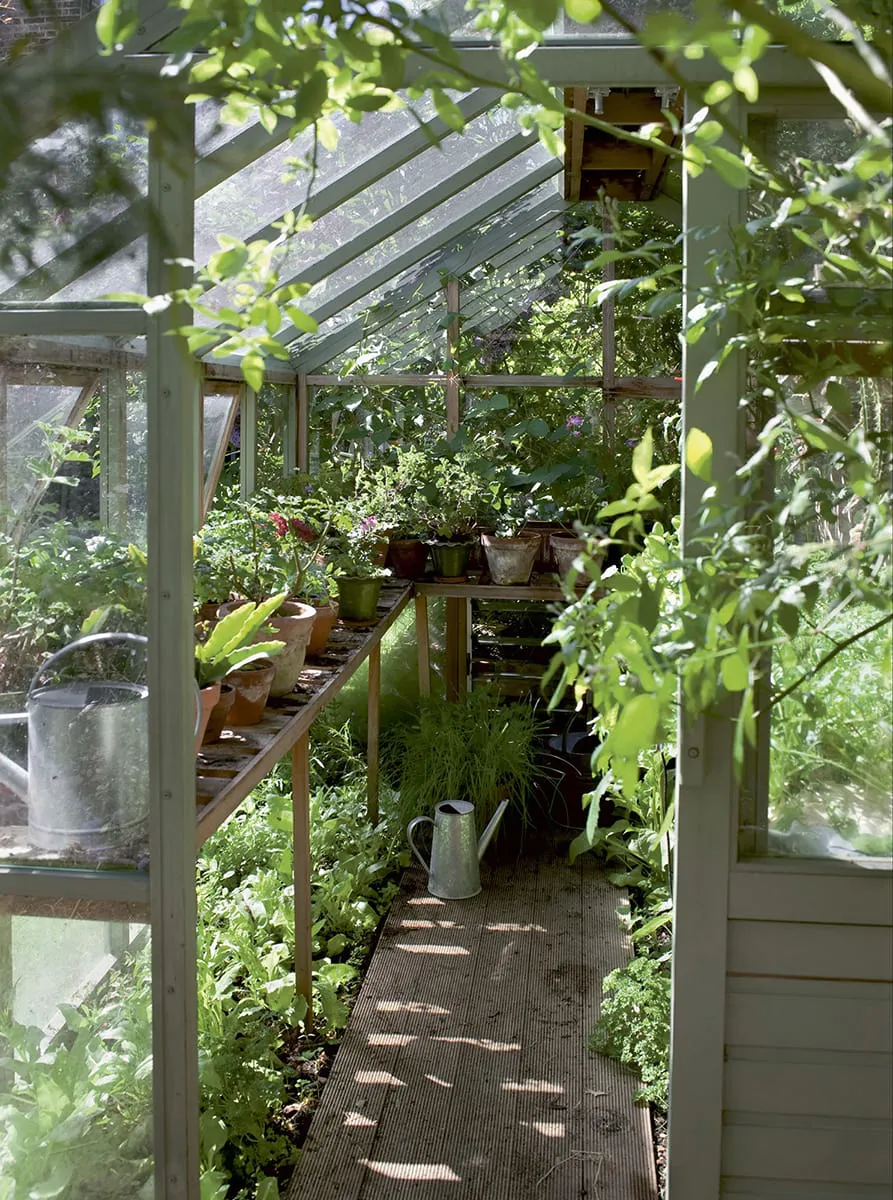
A well-kept allotment provides healthy exercise as well as the freshest fruit and vegetables you could hope for.
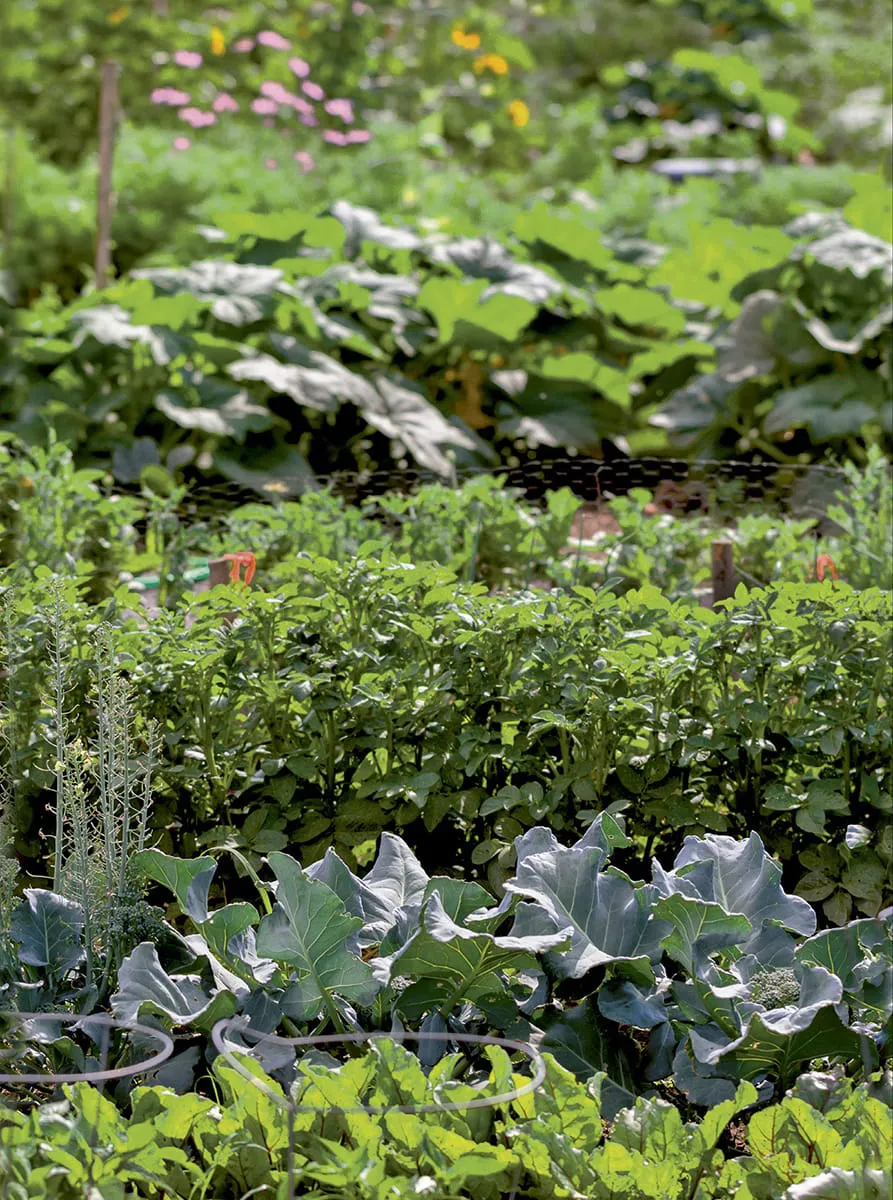
Allotments provide the space to grow a wide range of crops for year-round harvests.
THE HALF-HOUR PRINCIPLE
The half-hour allotment principle outlined in this book was dreamt up by Will Sibley, a nurseryman and allotment holder. Despite the fact that he is constantly on the go, his plot is well ordered and perfectly manicured, and meets a good proportion of his family’s fruit and vegetable needs. He has worked out a way to maintain this vision of productivity on half an hour’s work a day, with weekends off. The aim of this book is to tap into this system and show you how to do the same.
Will saw that most new allotmenteers take as their role models those plot holders who spend half their lives on their plot. What they fail to see is that for these people their allotment is a way of life. Those of us who cannot put in the same amount of time should certainly not feel inferior. The reality is that when they arrive each day they stand around and have a chat with a neighbour, then stroll around the plot scratching their chins for a bit, before considering their day’s tasks. Hours are wasted.
Will Sibley would not call himself a keen gardener so much as a keen eater. He came up with his system because he likes eating good, fresh food, but he didn’t want to give up half his life and all his leisure time in order to get it. His experience as a nurseryman gave him the knowledge to do the right things at the right times, and to work with the soil and the seasons. So he set himself parameters, and devised a system that would work for him, and others: people who do not have time to potter, but who like to eat delicious, fresh vegetables.
He thought that there should be a basic minimum return for his investment. The rules went as follows: he would work on the allotment for a maximum of two and a half hours a week, and the allotment would provide a salad and some other green vegetable for his family every day of the year. You may appreciate just how fantastically welcome a plateful of something fresh is in the depths of winter.
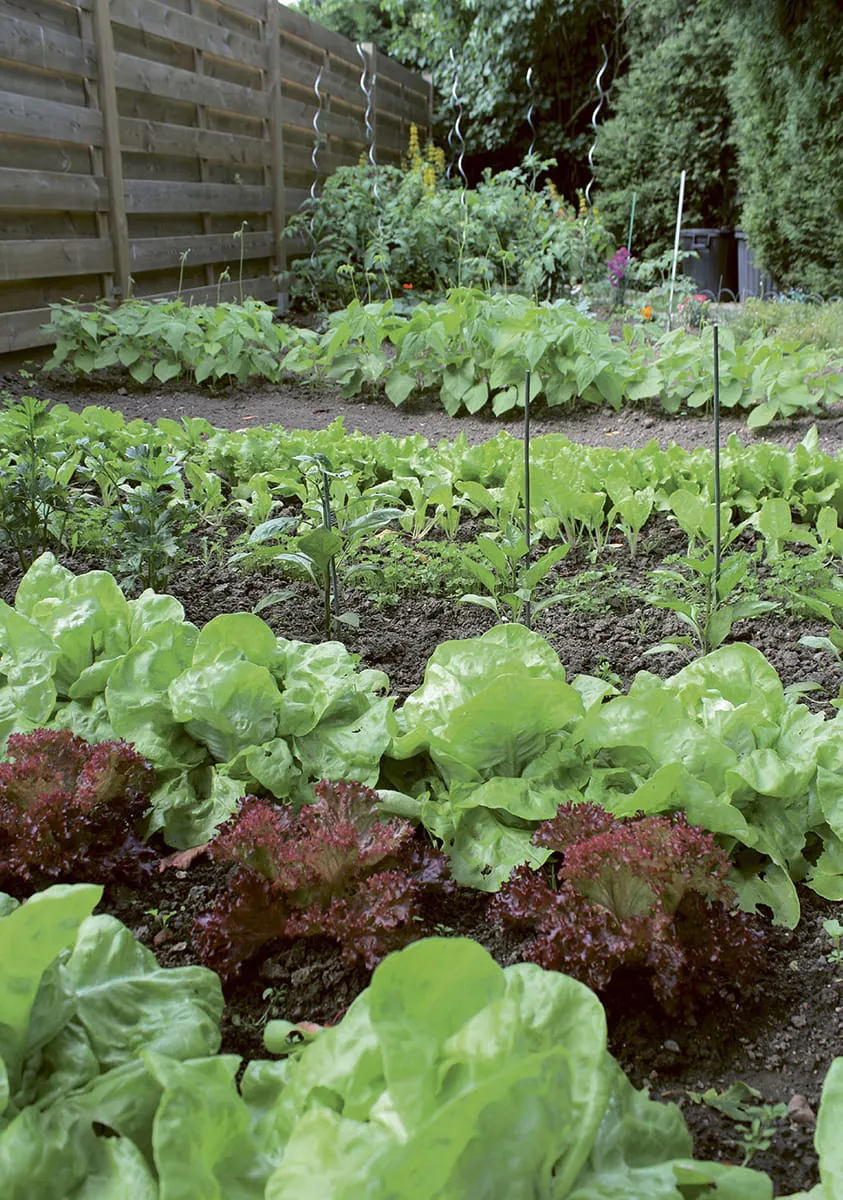
Salad crops such as a mixture of colourful lettuce varieties are among the easiest crops to grow.
So how do you put the system into practice? First and foremost the half-hour principle is about persistence. The best way to keep on top of all the many jobs is to be there regularly. You will need to spend two and a half hours every week at your plot, but this time is really best divided into five half-hour visits, one on each weekday, or into two hour-and-a-quarter visits over two days. Most people can just about manage half an hour of digging. Regular, daily visits also keep you wonderfully in touch with your plot – and a constant presence will help you spot when things need watering, when pests are attacking and the moment when crops are ripe.
Secondly, it is about organization. Ideally you should spend a few minutes at the end of each visit planning your next, but if that is too far a stretch, make a quick tour of the allotment when you first arrive, plan your work in your mind and then get straight down to it. Even better is to break your half hour down into ten-minute chunks – you might measure out 1 sq m (11 sq ft) of soil that needs digging over, sow a small row of carrots and then hoe the weeds under your gooseberry bushes. It doesn’t matter that there is still 29 sq m (312 sq ft) of soil to dig, that you haven’t sown your lettuces and that weeds are springing up under your apple tree and loganberries: you’ll be back tomorrow, and the next day. This way of thinking will become second nature.