The editors of the HIMSS Books' best-seller mHealth: From Smartphones to Smart Systems (603) have returned to deliver an expansive survey of the initiatives, innovators, and technologies driving the patient-centered mobile healthcare revolution. mHealth Innovation: Best Practices from the Mobile Frontier explores the promise of mHealth as a balance between emerging technologies and process innovations leading to improved outcomes-with the ultimate aim of creating a patient-centered and consumer-driven healthcare ecosystem. Examining the rapidly changing mobile healthcare environment from myriad perspectives, the book includes a comprehensive survey of the current-state ecosystem-app development, interoperability, security, standards, organizational and governmental policy, innovation, next-generation solutions, and mBusiness-and 20 results-driven, world-spanning case studies covering behavior change, patient engagement, patient-provider decision making, mobile gaming, mobile prescription therapy, home monitoring, mobile-to-mobile online delivery, access to care, app certification and quality evaluations, mixed media campaigns, and much more.
- 358 pages
- English
- ePUB (mobile friendly)
- Available on iOS & Android
eBook - ePub
About this book
Information
PART I
MHEALTH AND THE RISE OF CONSUMERISM
CHAPTER 1
The mHealth Ecosystem
For the past 100 years, the U.S. healthcare system has been constructed around the hospital as its central figure — a care model that has been a study in inefficiency (Fig. 1-1). Reactive, waste-ridden, unevenly performing and economically nonsensical, we are now faced with a stark truth: the U.S. healthcare system in its current incarnation, a system of facility-based, wildly expensive, hopelessly fragmented, episodic care is insufficient to the task of improving our nations health. Healthcare demographics aren’t in our favor either. An aging population, clinical staff shortages, cost inflation, and uneven quality are leading us toward a potential healthcare tsunami. New estimates from the Office of the Actuary at the Centers for Medicare and Medicaid Services (CMS) project that aggregate healthcare spending in the United States will grow at an average annual rate of 5.8 percent for 2012–22, or 1 percentage point faster than the expected growth in the gross domestic product (GDP). The healthcare share of GDP by 2022 is projected to rise to 19.9 percent from its 2011 level of 17.9 percent. In other words, healthcare as a percentage of GDP is growing, while healthcare inflation exceeds the CPI rate, and is well ahead of the average wage increase.
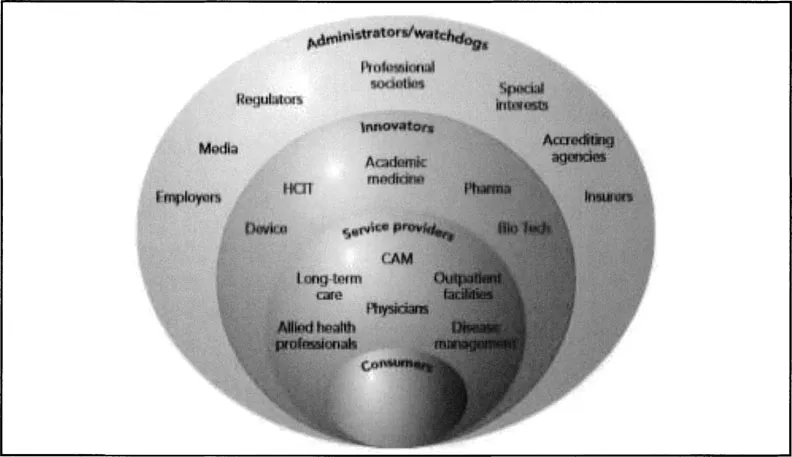
Fig. 1-1: Our Current Healthcare Landscape — Complex, Fragmented and Antiquated.
(From Deloitte Center for Health Solutions, 2010. Used with permission.)
What is needed to reverse this trend is a healthcare delivery model with a greater array of provider-patient touch points; with more active patient engagement and empowerment; with better care coordination; with a bias toward wellness and prevention; with tools for self care; with a recalibration of incentives; and with the capability of achieving behavioral change across the spectrum of healthcare stakeholders. The true promise of mHealth is a balance between emerging technologies and process innovations coupled with evidence of outcomes in health/quality, cost, and efficiency, and unlocking the power of mobile through global scalability that matches the potential impact that so many mobile devices can deliver (Fig. 1-2). Imagine any phone in someone’s hand becoming their “hPhone” and unlocking access to the best information wellness and treatment have to offer.
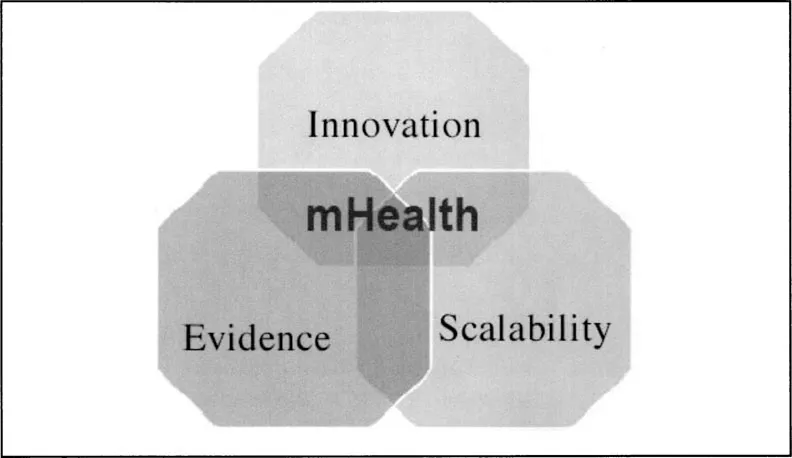
Fig. 1-2: Components of an mHealth Ecosystem.
The conceptual framework for this new model of care is patient-centered health-care — it’s become an industry mantra — a catchphrase to describe the forces that are transforming the industry, whether they are coming from Washington, from payers, providers, patients or consumers. Taken in part, these forces are nibbling at the edges of a wholesale restructuring of healthcare delivery. But viewed in their entirety, these forces do constitute a sea change in healthcare — the first major shift in healthcare delivery since the introduction of Medicare. The ultimate aim — a patient-centered healthcare ecosystem.
In a general context, a patient-centered ecosystem describes the interplay of many factors, including the environment, personal attributes and relationships, cultural influences, technology and health resources that affect individual health status. The idea of an ecosystem in which the patient lies at the solid center envisions an environment of comprehensive, high-quality, convenient, affordable, personalized and accessible care. In this ecosystem patients and consumers are empowered through education, knowledge and tools to be their own health managers. And in a radical departure from traditional medicine, the ecosystem places a primary emphasis on education, health promotion, wellness and prevention, as well as self-management (Fig. 1-3).
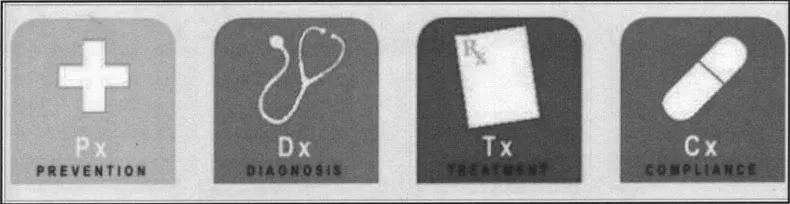
Fig. 1-3: The mHealth Patient Continuum.
Its a compelling idea: by aligning the inputs to healthcare finance and delivery, everyone can benefit — not least the patient. Payers can benefit by incenting wellness, prevention, behavior change and early interventions (and in so doing, cut costs) as part of a program to shift provider reimbursement methodology from volume of services performed to value delivered (as measured by outcomes, readmits, etc.). Providers can benefit from efficient care coordination, from patient satisfaction, and from financial incentives tied to pay-for-performance. Patients benefit from better care and from a more active role in their own health management. This construct translates seamlessly to the mobile space.
Taken one step further, an mHealth ecosystem is about extending access and remote connectivity within the industry — its about engagement among providers, with patients and consumers, with payers and employers, public health and social services — with every healthcare industry stakeholder. In both clinical and business applications, mHealth is aimed at the creation of a connected healthcare ecosystem through the integration of mobile communication, transactions and knowledge. This community includes payers, providers, consumers, vendors and telecommunications. It harnesses the collective power of enabling technology, efficient resource allocation, clinical decision support and persistent patient care. And at its heart, the mHealth ecosystem addresses healthcares most intractable problems — unsustainable cost inflation and uneven clinical quality.
The mHealth ecosystem is characterized by innovation in care delivery, robust care teams and heightened clinical collaboration, an epidemiological health perspective (including population health, prevention and wellness), utilitarian technology solutions and consumerism. Most importantly, it is about recasting the terms of healthcare delivery by placing the patient in the solid center. “Nothing about me, without me” captures the conceptual framework of a healthcare ecosystem in which the patient is the central figure. In the mHealth ecosystem, information is now portable, personalized and participatory, making it a perfect complement to the patient-centric model of healthcare — unbound by age, location or economic strata. In the mHealth ecosystem, information isn’t pushed or pulled; its shared persistently and pervasively. Healthcare information is shared in real-time between providers, patients and consumers in bilateral flows, but can include a larger universe of stakeholders including payers, employers, public health, social services, researchers, solutions providers, partners, supply chain and more.That industry dynamic is currently in play, but it has yet to achieve maturity. Fig. 1-4 describes the ever-growing touchpoints in the mHealth ecosytem.
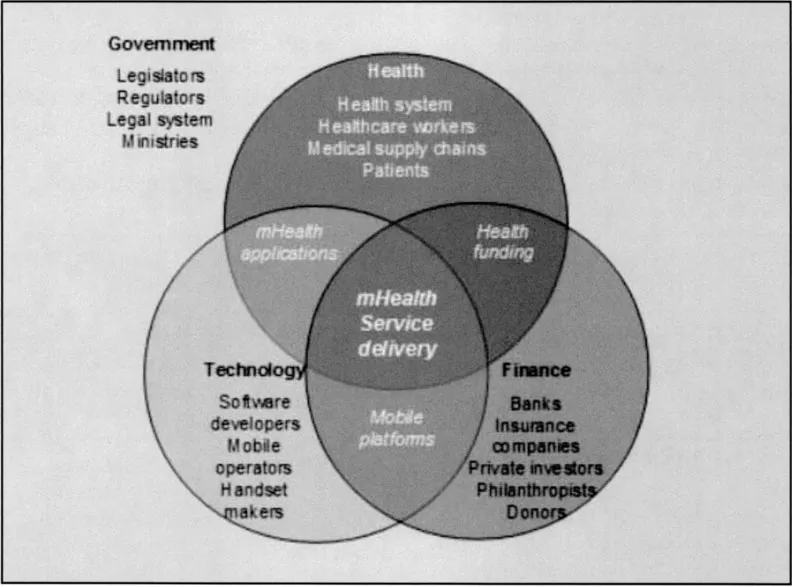
Fig. 1-4: The mHealth Ecosystem is Created through the Collision of Three Sectors — Health, Technology and Finance — with the Backdrop of Government Policy and Regulation.
For the mHealth ecosystem to reach its fullest expression, the number one issue that must be addressed is defining, attracting and retaining the customer — and that customer might be a government agency, an insurer, a hospital system, a provider, a patient or a consumer. The mHealth end user is unlike the traditional buyer of health-care services, because where traditional healthcare is sold on a B2B or B2C basis, mHealth is largely a retail market. It must be sold on the strength of one or more of these qualities — connectivity, clinical collaboration, convenience and cost. And were still in the opening stages of mHealth market development — its worth noting that we are still climbing the curve of the hype cycle. Fig. 1-5 describes the forces that are influencing both the image and reality of the mHealth market, both now and in the coming months.
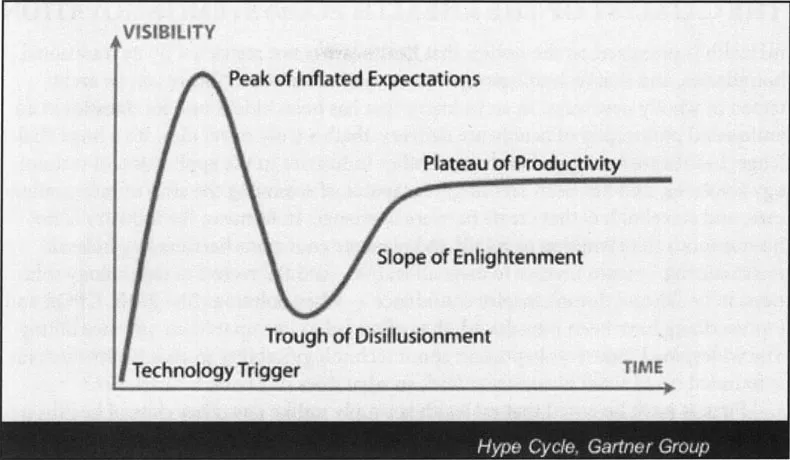
Fig. 1-5: Hype Cycle of New Information Technologies.
Although clinicians — mainly doctors and nurses — account for a proportion of mHealth market growth, the primary driver to date has been the consumer. They are not just buying smartphones and tablets in stores and online, they re buying apps, medical devices and services. But in healthcare, direct-to-consumer has had a mixed record of success. For several years, an ongoing problem obstructing the patient-centric model of healthcare has been getting the healthcare consumer — not only the patient with issues, but the enlightened public as well — actively engaged in digital health. To date the patient portal hasn’t proven to be the form horse of consumer engagement, and neither has the personal health record (PHR). Why? Because in the main consumers choose to avoid the tedium of entering and maintaining their own health data. That user experience is not taking shape in the mobile space, in part due to the digital convergence — the intersection of the professional and personal applications of mobile that is a growing phenomenon. The user — the provider, the patient, the consumer — is comfortable with mobile devices and apps, appreciates the convenience of their use, and is easily engaged in the collection and sharing of their health data. As a result, the healthcare consumer is gravitating towards the center of the care process. It is this trend — grassroots demand across the healthcare spectrum — that will sustain the continued growth of the mHealth ecosystem.
However, were not there yet. Its going to take a wholesale restructuring of health-care delivery to achieve an mHealth ecosystem. That includes culture change on the part of payers, providers and patients; a new definition of clinical “value” based on mass personalization of the care experience; partnerships that deliver collaborative, coordinated care; and team-based care delivered through new care systems, including PCMH, the ACO and HIE. It’s going to take a realignment of payment incentives tied to the shift from volume to value as the primary metric of reimbursement, with attendant tools to measure and manage. It’s going to take interoperability and connectivity of information systems and information channels. And finally, it all must translate into improved operating efficiencies and bottom line revenue in order to succeed. The mHealth ecosystem is still in a formative stage and some prime determinants — standards, security layers, compliance and regulation — will have a heavy influence on the adoption curve and the proliferation of mHealth solutions.
THE CATALYST OF THE MHEALTH ECOSYSTEM: INNOVATION
mHealth is premised on the notion that healthcare is not restricted by its traditional boundaries, and that technologies, processes and roles in healthcare can be architected in wholly new ways. In an industry that has been hidebound for decades in an antiquated philosophy of healthcare delivery, that’s a truly novel idea. It’s a huge challenge: healthcare has lagged far behind other industries in the application of technology solutions, and has been seemingly incapable of removing the silos of information care, and stakeholders that create barriers to change. In fairness, the industry is not homogenous (like banking or retail) and presents enormous barriers to wholesale restructuring — from finance to asset allocation. And the record of technology solutions in healthcare doesn’t inspire confidence — when solutions like EMR, CPOE and e-prescribing have been introduced, they often fail to live up to their advance billing. The widespread industry skepticism about technology’s ability to cure healthcare’s ills is founded on a mixed historical record, so what does this bode for mHealth?
First, it must be noted that mHealth is simply unlike any other class of healthcare technology. For the most part, mHealth solutions don’t rely on expensive proprietary technology sourced from a single vendor — so they do not require a sizable, irreversible capital investment. And unlike other technology solutions whose foremost purpose is to digitize manual processes, mHealth is oriented around re-engineering processes with technology acting as an enabler. That’s a critical distinction — mHealth is not about technology as the solution, it’s about technology as a component part of a process solution.
mHealth is also distinctive in two of its foundational attributes — connectivity and communication. Whe...
Table of contents
- Cover
- Title Page
- Copyright Page
- About the Editors
- About the Contributors
- Table of Contents
- Acknowledgements
- Foreword
- Introduction
- Part I: mHealth and the Rise of Consumerism
- Part II: The Drivers of Innovation
- Part III: The Intersection of Mobile Health & Traditional Medicine
- Part IV: mHealth as a Business
- Part V: Standards, Security & Policy
- Part VI: Global Perspectives
- Part VII: The Future of mHealth
- Appendix A mHealth Apps: Functional Comparisons
- Appendix B MAMA Community Spotlights
- Index
Trusted by 375,005 students
Access to over 1.5 million titles for a fair monthly price.
Study more efficiently using our study tools.
Frequently asked questions
Yes, you can cancel anytime from the Subscription tab in your account settings on the Perlego website. Your subscription will stay active until the end of your current billing period. Learn how to cancel your subscription
No, books cannot be downloaded as external files, such as PDFs, for use outside of Perlego. However, you can download books within the Perlego app for offline reading on mobile or tablet. Learn how to download books offline
Perlego offers two plans: Essential and Complete
- Essential is ideal for learners and professionals who enjoy exploring a wide range of subjects. Access the Essential Library with 800,000+ trusted titles and best-sellers across business, personal growth, and the humanities. Includes unlimited reading time and Standard Read Aloud voice.
- Complete: Perfect for advanced learners and researchers needing full, unrestricted access. Unlock 1.5M+ books across hundreds of subjects, including academic and specialized titles. The Complete Plan also includes advanced features like Premium Read Aloud and Research Assistant.
We are an online textbook subscription service, where you can get access to an entire online library for less than the price of a single book per month. With over 1.5 million books across 990+ topics, we’ve got you covered! Learn about our mission
Look out for the read-aloud symbol on your next book to see if you can listen to it. The read-aloud tool reads text aloud for you, highlighting the text as it is being read. You can pause it, speed it up and slow it down. Learn more about Read Aloud
Yes! You can use the Perlego app on both iOS and Android devices to read anytime, anywhere — even offline. Perfect for commutes or when you’re on the go.
Please note we cannot support devices running on iOS 13 and Android 7 or earlier. Learn more about using the app
Please note we cannot support devices running on iOS 13 and Android 7 or earlier. Learn more about using the app
Yes, you can access mHealth Innovation by David Metcalf,Rick Krohn in PDF and/or ePUB format, as well as other popular books in Computer Science & Accounting. We have over 1.5 million books available in our catalogue for you to explore.