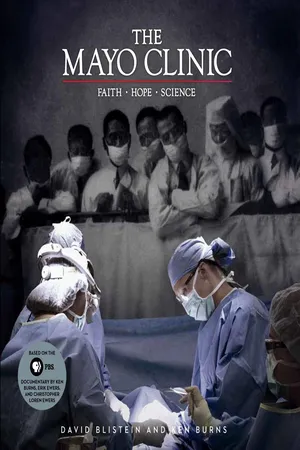
A photo-filled history of the world-renowned medical center, based on the award-winning PBS documentary by Ken Burns, Erik Ewers, and Christopher Loren Ewers.
On September 30, 1889, W.W. Mayo and his sons Will and Charlie performed the very first operation at a brand-new Catholic hospital in Rochester, Minnesota. It was called Saint Mary's. The hospital was born out of the devastation of a tornado that had struck the town six years earlier, after which Mother Alfred Moes of the Sisters of Saint Francis told the Mayos that she had a vision of building a hospital that would "become world renowned for its medical arts."
Based on the film by acclaimed documentary filmmaker Ken Burns,
The Mayo Clinic: Faith, Hope, Science chronicles the history of this unique organization, from its roots as an unlikely partnership between a country doctor and a Franciscan order of nuns to its position today as a worldwide model for patient care, research, and education. Featuring more than 400 compelling archival and modern images, as well as the complete script from the film, the book demonstrates how the institution's remarkable history continues to inspire the way medicine is practiced there today.
In addition, case studies reveal patients, doctors, and nurses in their most private moments as together they face difficult diagnoses and embark on uncertain treatments. The film and this companion book tell the story of an organization that has managed to stay true to its primary value: The needs of the patient come first. Together they make an important contribution to the critical discussions about the delivery of health care today in America—and the world.
- 278 pages
- English
- ePUB (mobile friendly)
- Available on iOS & Android
eBook - ePub
About this book
Trusted by 375,005 students
Access to over 1.5 million titles for a fair monthly price.
Study more efficiently using our study tools.
Information
Topic
MedicineSubtopic
Medicine BiographiesCHAPTER ONE
The Education of W.W. Mayo
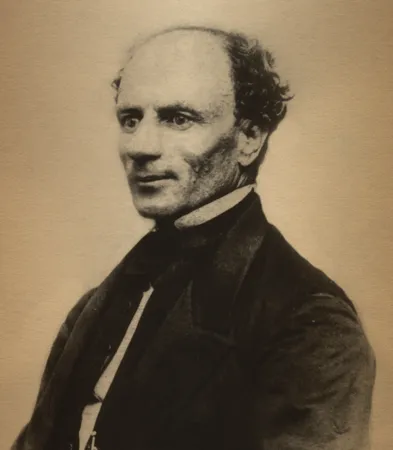
My own religion has been to do all the good I could to my fellow man, and as little harm as possible.
—WILLIAM WORRALL MAYO, M.D.
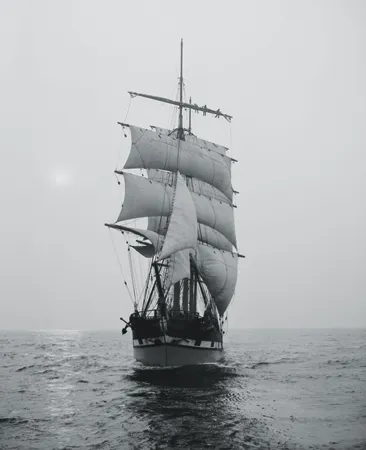
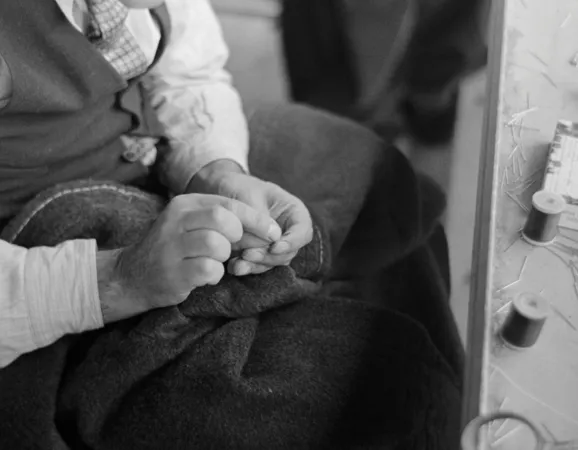
One day in 1846, a 27-year-old aspiring doctor named William Worrall Mayo went down to the docks in Liverpool, England, and got on a ship headed to America. He had been born in 1819 to a middle-class family near Manchester. His father was a cabinetmaker who died when his son was 7 years old, leaving his wife with six children to feed. At 14, W.W., as he would be known, became a tailor’s apprentice, where he gained invaluable experience with a needle and thread.
W.W. Mayo was small (just 5'4"), wiry, and formal, with memorably piercing blue-gray eyes. One of his grandsons described him as “snap-tempered…strange, ferocious, striving, and restless.” He studied with the famous chemist John Dalton, who promoted the theory that all matter is composed of atoms. Dalton was also a Quaker, and he instilled in W.W. a commitment to the scientific method, to hard work, and to social justice.
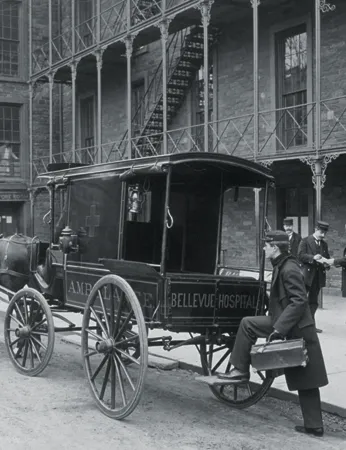
When W.W. arrived in America, his first job was as a chemist at Bellevue Hospital in New York City, where he saw the full range of human suffering.
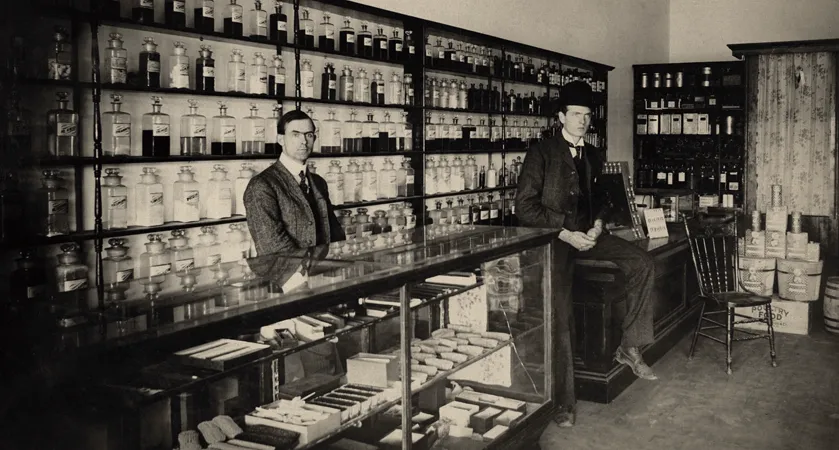
Determined to be a real doctor, W.W. enrolled at the Indiana Medical College. After graduating in 1850, he married 25-year-old Louise Abigail Wright, a strong-willed woman who would become his first assistant. They moved to Lafayette, Indiana, where he opened a practice in a small drugstore. When W.W. contracted malaria, he left the mosquito-infested marshes of Indiana, telling Louise he was going to keep going “until I get well or die.”
By the time he arrived in St. Paul, Minnesota, he was well. But wherever he travelled, there were either too many doctors or not enough patients. So for the next ten years, he worked as a surveyor, riverboat pilot, newspaper publisher, and veterinarian.
The Civil War brought Mayo’s travels to an end. At age 43, W.W. was appointed examining surgeon for a regional enrollment board on the edge of the frontier in Rochester, Minnesota. When Louise and the children caught up with him in January 1864, she told him, “No more. We’re not moving again.” Although two of their children died in infancy, they eventually had two daughters and two sons, Will and Charlie, whom they would “[raise] in medicine,” the boys remembered, “like farm boys on a farm.”
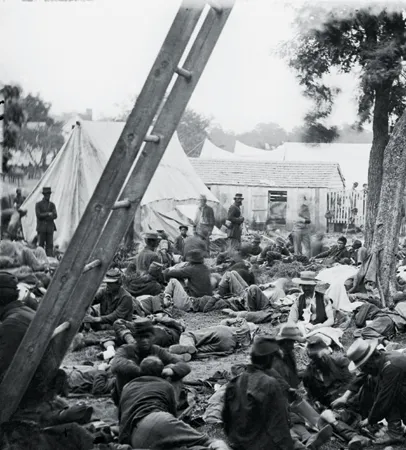
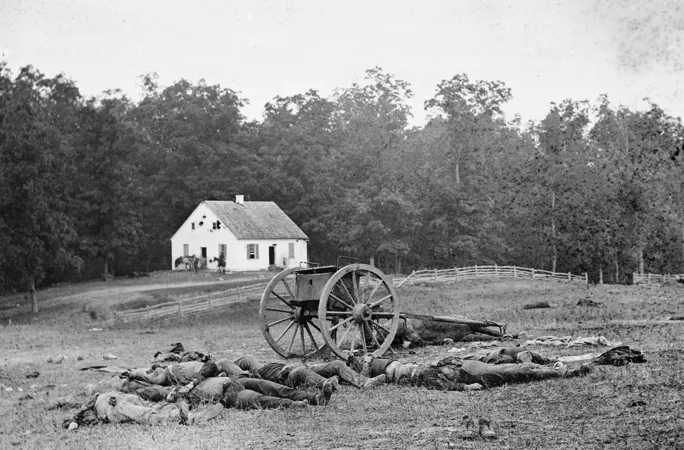
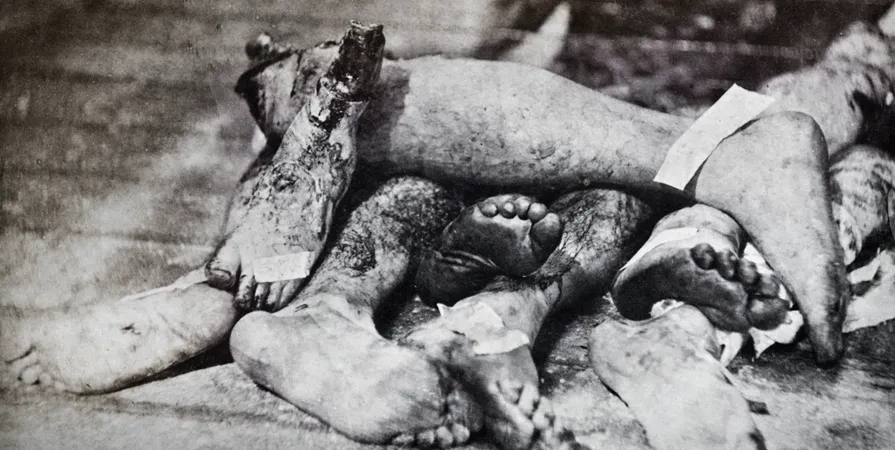
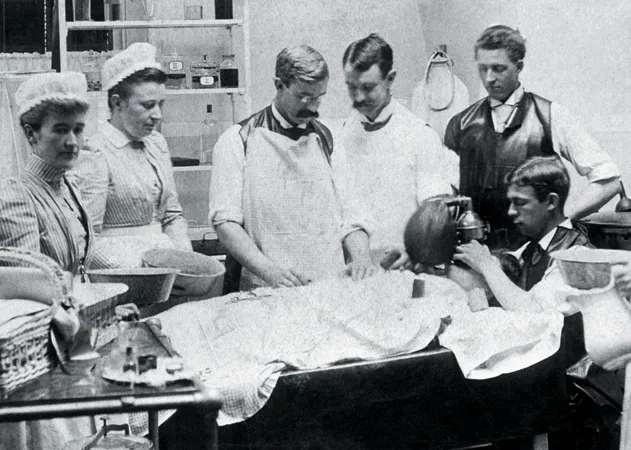
While W.W. was trying to determine who was fit to fight for the Union Army, thousands of other doctors were on the battlefield practicing medicine that was almost medieval. Most had never seen a bullet wound, let alone performed surgery. Many sharpened their scalpels on their boots, carried surgical tools in their pockets, and used their own saliva to wet the silk used for sutures.
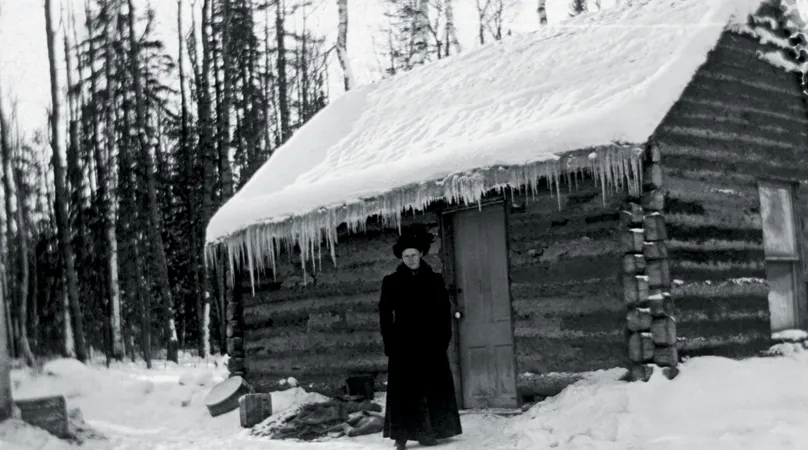
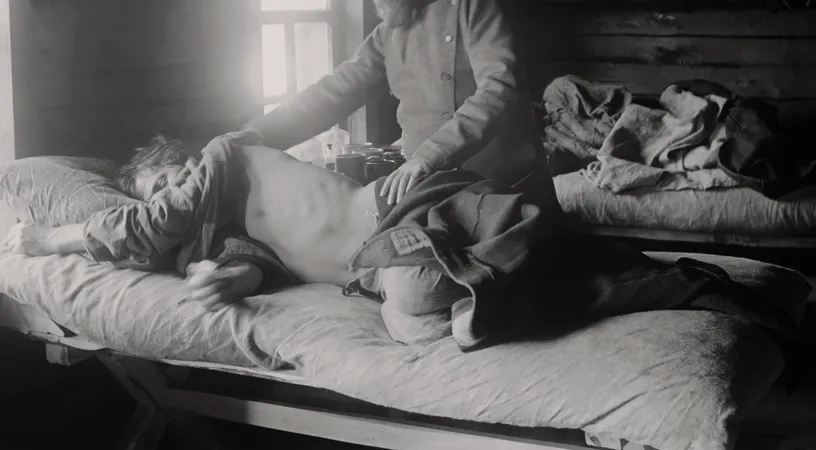
After the war, Mayo began to build a practice in Rochester—and his reputation grew. He usually saw patients at his downtown office, but in an emergency he thought nothing of taking off late at night in the middle of a snowstorm and driving his horse and buggy at breakneck speeds to get to a patient’s log or sod home miles away.
He would quickly determine the best place to operate, then proceed to deliver a baby, set the bone of a farmer, or amputate a leg ravaged by gangrene. If the patient was poor, W.W. wouldn’t charge him.
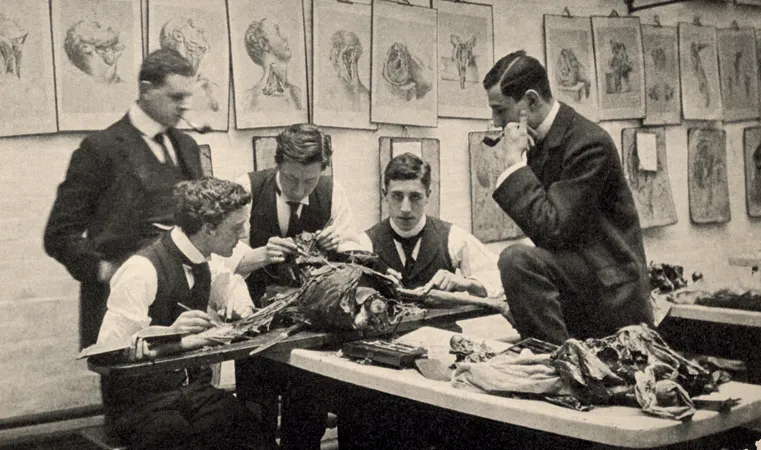
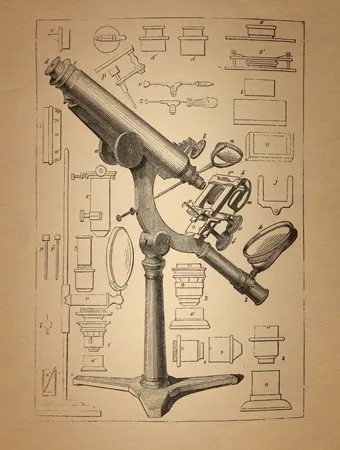
He also immersed himself in the latest medical journals, and began contributing his own articles as his expertise increased. Mayo made several return trips to Bellevue Hospital, where he attended lectures, observed operations and autopsies, and marveled at its ambulance corps, the first in New York City. But he was most impressed with an imported German microscope that cost $600—a fortune. When he returned to Rochester, he broached the subject of mortgaging their house to pay for the new instrument. Louise was loath to take on any more debt, but she finally said, “If it’s of use to the people...let’s do it.”
[Hospitals] were places where the perception was, that’s where you go to die. There really were almost no rules or regulations. They weren’t sterile places. And there really weren’t doctors as we perceive of them today. There were no standards, in terms of education, for individuals who claimed they were doctors. There were also a lot of quacks who toured the country proclaiming cures for this disease or that disease.
—BRUCE FYE, M.D., MAYO CLINIC MEDICAL HISTORIAN
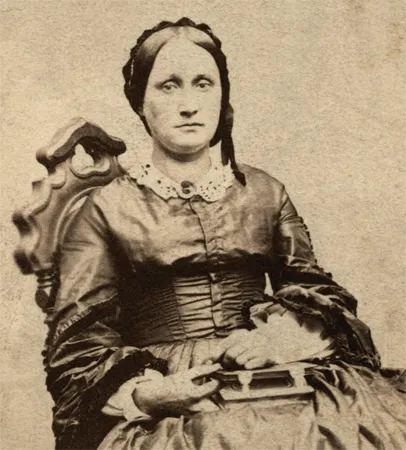
Louise Mayo
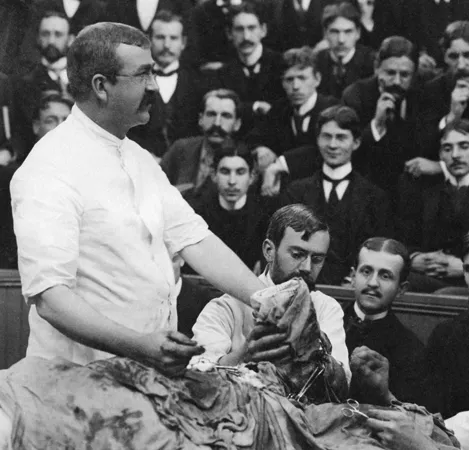
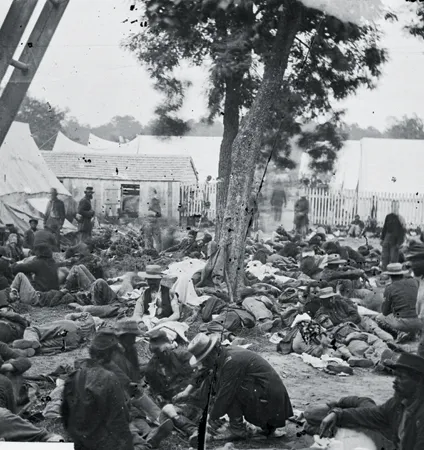
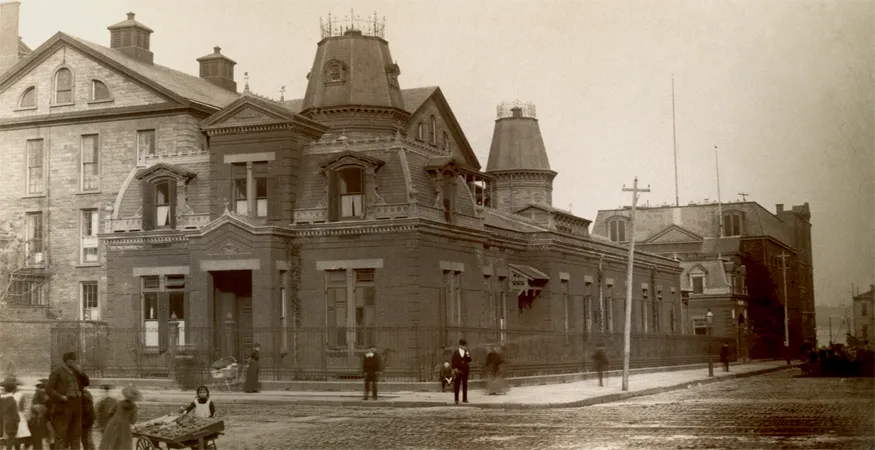
During the Civil War, doctors practiced primitive battlefield medicine.
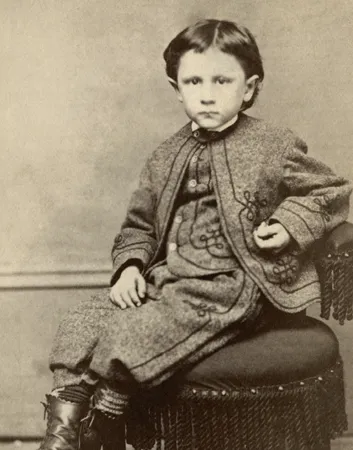
Young Charlie
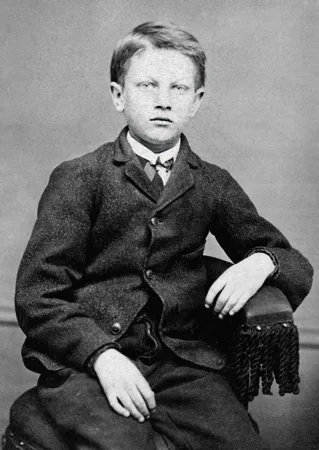
Will Mayo
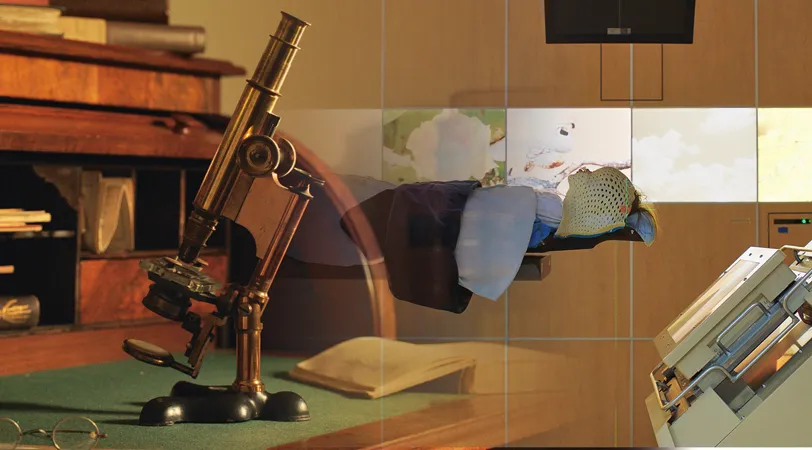
Diagnosis: Brain Cancer
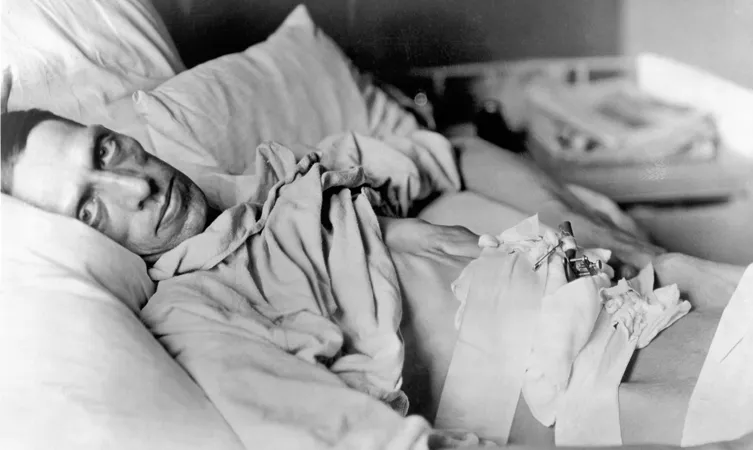
Alyssa Feenstra (Salt Lake City, UT): This doctor comes in and he pulls the chair over to the bedside, sits down, and says, “There’s no easy way to say this, but your daughter has a mass in her brain.” The neurosurgeons in Salt La...
Table of contents
- Cover
- Title Page
- Contents
- Teamwork in Health Care and Filmmaking
- Mayo Clinic Is an American Icon
- Foreword by Ken Burns
- Introduction
- Chapter One: The Education of W.W. Mayo
- Chapter Two: A Tornado and a Handshake
- Chapter Three: The Early Years
- Chapter Four: The Needs of the Patient Come First
- Chapter Five: Patient Care, Research, and Education
- Chapter Six: A Medical Democracy
- Chapter Seven: An Enduring Legacy
- Mayo Clinic Today and Tomorrow
- Mayo Clinic Timeline
- Film Credits
- Funding for the Film
- Acknowledgments
- Photography Credits
- Copyright
Frequently asked questions
Yes, you can cancel anytime from the Subscription tab in your account settings on the Perlego website. Your subscription will stay active until the end of your current billing period. Learn how to cancel your subscription
No, books cannot be downloaded as external files, such as PDFs, for use outside of Perlego. However, you can download books within the Perlego app for offline reading on mobile or tablet. Learn how to download books offline
Perlego offers two plans: Essential and Complete
- Essential is ideal for learners and professionals who enjoy exploring a wide range of subjects. Access the Essential Library with 800,000+ trusted titles and best-sellers across business, personal growth, and the humanities. Includes unlimited reading time and Standard Read Aloud voice.
- Complete: Perfect for advanced learners and researchers needing full, unrestricted access. Unlock 1.5M+ books across hundreds of subjects, including academic and specialized titles. The Complete Plan also includes advanced features like Premium Read Aloud and Research Assistant.
We are an online textbook subscription service, where you can get access to an entire online library for less than the price of a single book per month. With over 1.5 million books across 990+ topics, we’ve got you covered! Learn about our mission
Look out for the read-aloud symbol on your next book to see if you can listen to it. The read-aloud tool reads text aloud for you, highlighting the text as it is being read. You can pause it, speed it up and slow it down. Learn more about Read Aloud
Yes! You can use the Perlego app on both iOS and Android devices to read anytime, anywhere — even offline. Perfect for commutes or when you’re on the go.
Please note we cannot support devices running on iOS 13 and Android 7 or earlier. Learn more about using the app
Please note we cannot support devices running on iOS 13 and Android 7 or earlier. Learn more about using the app
Yes, you can access The Mayo Clinic by David Blistein,Ken Burns in PDF and/or ePUB format, as well as other popular books in Medicine & Medicine Biographies. We have over 1.5 million books available in our catalogue for you to explore.