- 256 pages
- English
- ePUB (mobile friendly)
- Available on iOS & Android
eBook - ePub
About this book
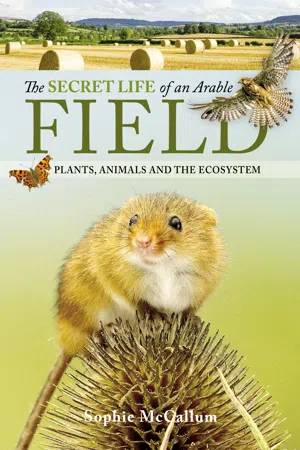
The Field looks at the eco-system of an arable field, complete with photographs from crops, trees, hedgerows and wildflowers, to the wide variety of animals, farmland birds, insects, butterflies and moths that they support; and how they depend on each other; and are all vital for the wonderful environment we need to thrive and enjoy. The book focuses on the relationship between these key species, how they work together and interact with their environment in order to survive. It is about the eco-system and how they all link together, and how every species, no matter how seemingly insignificant, plays a vital part in the food-chain and ultimate survival of all species. For every species referred there is a photograph detailing it, with over 120 color images throughout the book. The animals and birds that live within this habitat are reported on and the insects; including detailed analysis of bumblebees, honeybees and ants, as well as more hidden species such as the earthworm, are described in their role in life, with in-depth facts and photos. Wildlife, such as badgers, muntjacs, hedgehogs and fallow deer and their habits are detailed, along with birds that survive on farmland and are now sadly becoming rare. Included in this range are corn buntings, skylarks, goldfinches, kestrels, yellow wagtails and jackdaws, although there are many more. The main aim of this book is to give a detailed description of the private life of these creatures and show how they depend upon and work together in harmony, creating the environment that we are so adeptly eradicating. The Government have set out a package of reforms to deliver 300,000 new homes a year by the mid-2020s. Our havens of nature are being destroyed and this book will examine, with photographs and text, what really makes the field a special place, both for wildlife and humans alike.
Information
Contents
Adder
Alder
Ants
Aphid
Ash
Badger
Bank Vole
Barley
Barn Owl
Beech
Silver and Downy Birch
Bramble
Brimstone Butterfly
Brown Long-Eared Bat
Bumblebee
Cinnabar Moth
Colorado Potato Beetle
Comma Butterfly
Common Centipede
Common Dog-Violet
Common Rough Woodlouse
Corn Bunting
Corn Marigold
Cornflower
Cow Parsley
Cowslip
Crab Apple
Cutworm
Daisy
Dandelion
Docks and Sorrels
Dog Rose
Earthworm
Elder
Fallow Deer
Fescues
Field Vole
Foxglove
Fruit Fly
Garden Spider
Gatekeeper Butterfly
Goat Moth
Goldfinch
Green Hairstreak Butterfly
Greenfinch
Grey Partridge
Groundsel
Hare
Hawthorn
Hazel Dormouse
Hedgehog
Herb Robert
Holly Blue Butterfly
Holly
Honeybee
Honeysuckle
Hops
Horse Chestnut
Ivy
Jackdaw
Juniper
Kestrel
Ladybird
Lapwing
Linnet
Marbled White Butterfly
Meadow Brown Butterfly
Meadow Buttercup
Meadow Sweet
Medlar
Mistletoe
Mole
Mouse
Muntjac
Nettle
Oak Bush Cricket
Oak
Oats
Oil Seed Rape
Old Man’s Beard
Orange Tip Butterfly
Ox-Eye Daisy
Peacock Butterfly
Common Poppy
Potatoes
Powdery Mildew
Primrose
Rabbit
Ragwort
Red Campion
Red Fox
Reed Bunting
Ringlet Butterfly
Rook
Rowan
Skylark
Sloe
Small Emerald Moth
Small Tortoiseshell Butterfly
Squirrel
Starling
Stoat
Stock Dove
Sugar Beet
Sweet Chestnut
Teasel
Thistle
Thrips
Tree Sparrow
Turtle Dove
Wasp
Weasel
Wheat
White-Lipped Snail
Whitethroat
Wild Marjoram
Wood Mouse
Woodpigeon
Yellow Wagtail
Yellowhammer
First there is food. Agriculture in the UK is a £5.3 billion industry, employing 1.5% of the workforce – that is 476,000 people, using 69% of the landmass. There are 212,000 farm holdings covering 23.07 million acres. One third of this is arable land, with the remainder being grassland. The UK is only capable of generating 60% of its total food intake, although this would be greater if we ate seasonally.
65% of all cereal crops are wheat. 31 million sheep graze the...
Table of contents
- Cover
- Title
- Copyright
- Contents
- Adder
- Alder
- Ants
- Aphid
- Ash
- Badger
- Bank Vole
- Barley
- Barn Owl
- Beech
- Silver and Downy Birch
- Bramble
- Brimstone Butterfly
- Brown Long-Eared Bat
- Bumblebee
- Cinnabar Moth
- Colorado Potato Beetle
- Comma Butterfly
- Common Centipede
- Common Dog-Violet
- Common Rough Woodlouse
- Corn Bunting
- Corn Marigold
- Cornflower
- Cow Parsley
- Cowslip
- Crab Apple
- Cutworm
- Daisy
- Dandelion
- Docks and Sorrels
- Dog Rose
- Earthworm
- Elder
- Fallow Deer
- Fescues
- Field Vole
- Foxglove
- Fruit Fly
- Garden Spider
- Gatekeeper Butterfly
- Goat Moth
- Goldfinch
- Green Hairstreak Butterfly
- Greenfinch
- Grey Partridge
- Groundsel
- Hare
- Hawthorn
- Hazel Dormouse
- Hedgehog
- Herb Robert
- Holly Blue Butterfly
- Holly
- Honeybee
- Honeysuckle
- Hops
- Horse Chestnut
- Ivy
- Jackdaw
- Juniper
- Kestrel
- Ladybird
- Lapwing
- Linnet
- Marbled White Butterfly
- Meadow Brown Butterfly
- Meadow Buttercup
- Meadow Sweet
- Medlar
- Mistletoe
- Mole
- Mouse
- Muntjac
- Nettle
- Oak Bush Cricket
- Oak
- Oats
- Oil Seed Rape
- Old Man’s Beard
- Orange Tip Butterfly
- Ox-Eye Daisy
- Peacock Butterfly
- Common Poppy
- Potatoes
- Powdery Mildew
- Primrose
- Rabbit
- Ragwort
- Red Campion
- Red Fox
- Reed Bunting
- Ringlet Butterfly
- Rook
- Rowan
- Skylark
- Sloe
- Small Emerald Moth
- Small Tortoiseshell Butterfly
- Squirrel
- Starling
- Stoat
- Stock Dove
- Sugar Beet
- Sweet Chestnut
- Teasel
- Thistle
- Thrips
- Tree Sparrow
- Turtle Dove
- Wasp
- Weasel
- Wheat
- White-Lipped Snail
- Whitethroat
- Wild Marjoram
- Wood Mouse
- Woodpigeon
- Yellow Wagtail
- Yellowhammer
Trusted by 375,005 students
Access to over 1.5 million titles for a fair monthly price.
Study more efficiently using our study tools.
Frequently asked questions
Yes, you can cancel anytime from the Subscription tab in your account settings on the Perlego website. Your subscription will stay active until the end of your current billing period. Learn how to cancel your subscription
No, books cannot be downloaded as external files, such as PDFs, for use outside of Perlego. However, you can download books within the Perlego app for offline reading on mobile or tablet. Learn how to download books offline
Perlego offers two plans: Essential and Complete
- Essential is ideal for learners and professionals who enjoy exploring a wide range of subjects. Access the Essential Library with 800,000+ trusted titles and best-sellers across business, personal growth, and the humanities. Includes unlimited reading time and Standard Read Aloud voice.
- Complete: Perfect for advanced learners and researchers needing full, unrestricted access. Unlock 1.5M+ books across hundreds of subjects, including academic and specialized titles. The Complete Plan also includes advanced features like Premium Read Aloud and Research Assistant.
We are an online textbook subscription service, where you can get access to an entire online library for less than the price of a single book per month. With over 1.5 million books across 990+ topics, we’ve got you covered! Learn about our mission
Look out for the read-aloud symbol on your next book to see if you can listen to it. The read-aloud tool reads text aloud for you, highlighting the text as it is being read. You can pause it, speed it up and slow it down. Learn more about Read Aloud
Yes! You can use the Perlego app on both iOS and Android devices to read anytime, anywhere — even offline. Perfect for commutes or when you’re on the go.
Please note we cannot support devices running on iOS 13 and Android 7 or earlier. Learn more about using the app
Please note we cannot support devices running on iOS 13 and Android 7 or earlier. Learn more about using the app
Yes, you can access The Secret Life of an Arable Field by Sophie McCallum in PDF and/or ePUB format, as well as other popular books in Biological Sciences & Ecosystems & Habitats. We have over 1.5 million books available in our catalogue for you to explore.