- 338 pages
- English
- ePUB (mobile friendly)
- Available on iOS & Android
Essential Revision for A Level Film Studies
About this book
This comprehensive revision guide contains everything students need to know to succeed on their A Level Film Studies course.
Essential Revision for A Level Film Studies features engaging and accessible chapters to help learners develop a deeper understanding of the key elements of film form, including cinematography, mise en scĆØne, performance, lighting, editing and sound. The book offers detailed explanations of the specialist study areas required for the A Level course, including auteur theory, spectatorship, genre, key critical debates, narrative and ideology, as well as overviews of key film movements like French New Wave cinema, German Expressionism and Soviet Montage. Also included are practical exercises designed to help students apply essential concepts to film set texts, sample exam responses for both Eduqas and OCR exam boards, and challenge activities designed to help students secure premium grades.
With its practical approach and comprehensive scope, Essential Revision for A Level Film Studies is the ideal resource for students and teachers.
The book also features a companion website at EssentialFilmRevision.com, which includes a wide range of supporting resources including revision flashcards and worksheets, a bank of film set text applications for exam questions for all film specifications, and classroom-ready worksheets that teachers can use alongside the book to help students master A Level Film exam content.
Frequently asked questions
- Essential is ideal for learners and professionals who enjoy exploring a wide range of subjects. Access the Essential Library with 800,000+ trusted titles and best-sellers across business, personal growth, and the humanities. Includes unlimited reading time and Standard Read Aloud voice.
- Complete: Perfect for advanced learners and researchers needing full, unrestricted access. Unlock 1.4M+ books across hundreds of subjects, including academic and specialized titles. The Complete Plan also includes advanced features like Premium Read Aloud and Research Assistant.
Please note we cannot support devices running on iOS 13 and Android 7 or earlier. Learn more about using the app.
Information
Part I Film forms
1 Cinematography
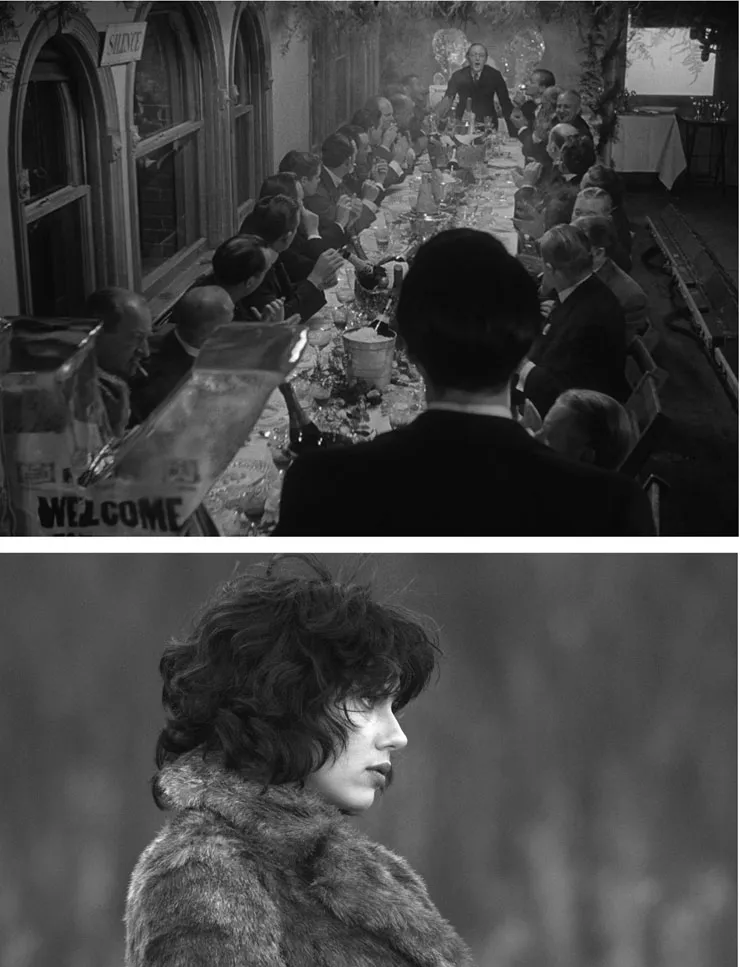
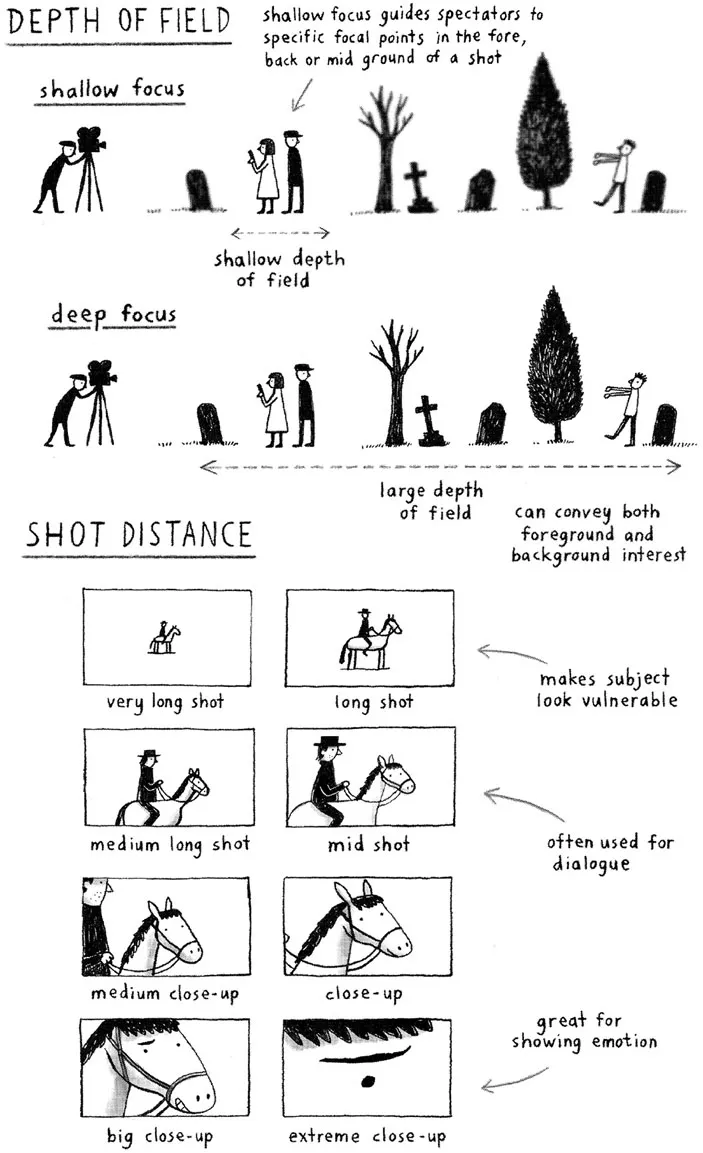
Study of cinematography is core to all aspects of Film Studies. To provide effective analysis you should be able to discuss the use and impact of camera movement, shot distance, depth of field as well as the impact of composition and framing decisions (covered in Chapter 2). |
Essential background: paradigmatic and syntagmatic meaning-making
- Syntagmatic meaning-making describes the effects produced by film stories as a result of the way narrative material is sequenced; through, for example, the choices made by script writers and editors in shaping the narrative flow of a product.
- Paradigmatic meaning-making, the second function, is less concerned with the way a story builds or changes direction, but in the way that single shots relay meaning.
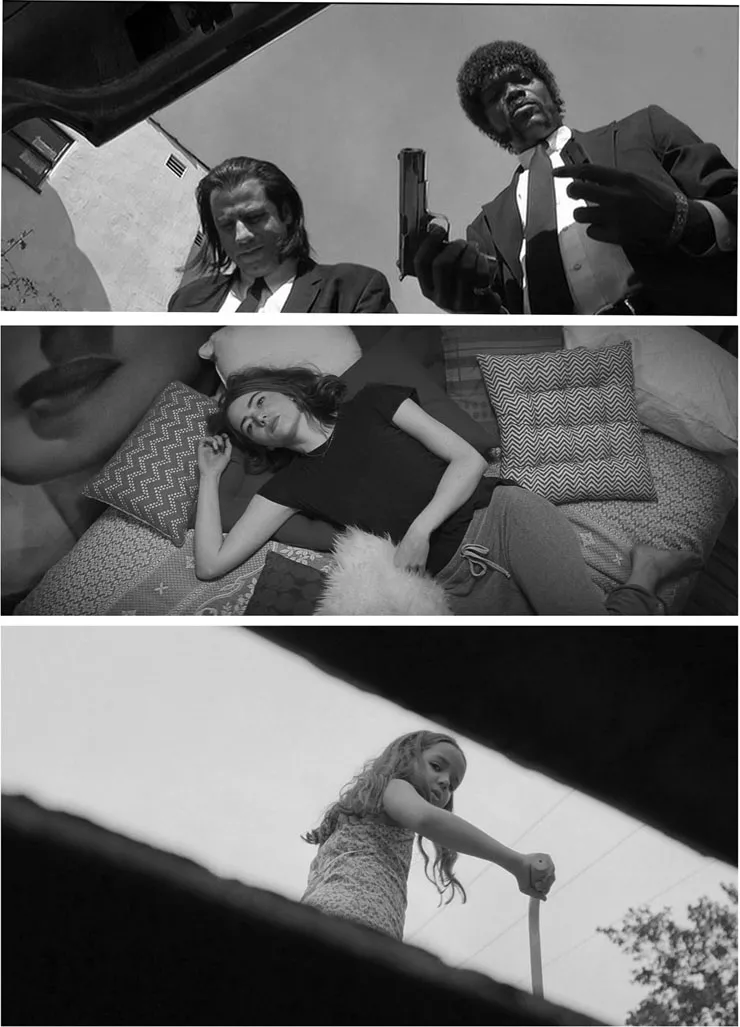
- The use of angle and tilt
- Depth of field
- Camera movement
- Shot distance

Angle and tilt
⢠Low-angle tilts point up to the subject being filmed, so they appear powerful or dominant. ⢠High-angle tilts look down upon the subject being filmed, making them appear powerless or weak. ⢠Dutch angles suggest character instability or can connote anxiety, tension or terror. The strong diagonal compositions created by Dutch angles can also generate a dynamic or energetic tension within a shot. ⢠Dutch angles can be used to depict dream states or hallucinations. |
Depth of field
Depth of field: deep focus shooting
⢠Deep focus compositions prompt viewers to think about the symbolic significance of the settings in which actors are placed. ⢠Deep focus can be used to emphasise the space or the distance between objects/actors. ⢠Deep focus photography can also produce strong diagonally configured compositions that inject energy into a scene. ⢠Deep focus photography injects realism as a result of its mimicry of human vision. |
Depth of field: shallow focus shooting
⢠Holding only foreground characters in focus directs spectator attention on the actions or dialogue of that character. ⢠A sense of alienation, claustrophobia or separation can also be constructed when characters are depicted using shallow depth of field compositions. ⢠Rack focusing ā the shifting of focal depth during a shot ā can be used to alternate audience attention from foreground to background elements, literally shifting the focal point of the frame mid focus. ⢠Rack focusing slows down the editing tempo of sequences, omitting the need for cuts or shot changes, and, as a result, can intensify the dramatic qualities of a scene during moments of character interaction. |


Camera movement
Table of contents
- Cover
- Endorsement
- Half Title
- Title Page
- Copyright Page
- Dedication
- Table of Contents
- Part I Film forms
- Part II Film theories
- Part III Contexts and forms
- Bibliography
- Index