eBook - ePub
Information
Print ISBN
9781786574732
Central Highlands
Cochabamba
Around Cochabamba
Parque Nacional Tunari
Eastern Cochabamba Valley
Tarata & Huayculli
Incallajta
Totora
Mizque
Parque Nacional Torotoro
Sucre
Around Sucre
Tarabuco
Cordillera de los Frailes
Potosí
Central Highlands
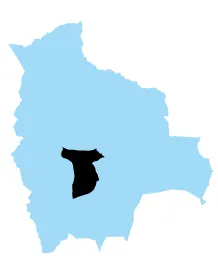
Why Go?
Geographically – and some would say metaphorically – the heart and soul of the country, the Central Highlands are a mix of lively urban centers and vast pastoral and mountainous regions dotted with remote villages. Gorgeous whitewashed Sucre, where independence was declared in 1825, is the gateway to trekking the Cordillera de los Frailes. Potosí is a powerful symbol of the natural wealth of the country, built on the silver deposits extracted from nearby Cerro Rico. Much-lower-altitude Cochabamba is one of Bolivia’s most pleasant cities, with a perfect climate and modern vibe.
Throughout, there are lovely, little-known colonial towns; it’s well worth eschewing the city-to-city mode of travel to explore them. A more distant past is evoked by the Inca ruins in the Cochabamba Valley, but Parque Nacional Torotoro has the last laugh on the age front: it’s bristling with dinosaur footprints and fossils, some of which date back 300 million years.
When to Go
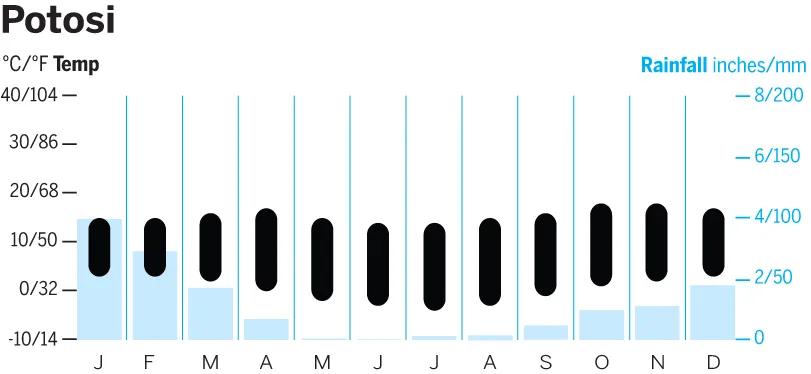
- Mar Indigenous festival Pujllay bursts into life on the third Sunday in March.
- Aug Catch merrymaking at the Fiesta de la Virgen de Urkupiña.
- Oct–Mar Target the summer months to avoid the worst of Potosí’s chills.
Best Places to Eat
AEl Huerto
ACasa de Campo
ACafé Gourmet Mirador
AClementina
Best Places to Stay
ACasa Verde
ASamary Boutique Hotel
AHacienda Cayara
ASamary Wasi
ARunning Chaski Hostal
Central Highlands Highlights
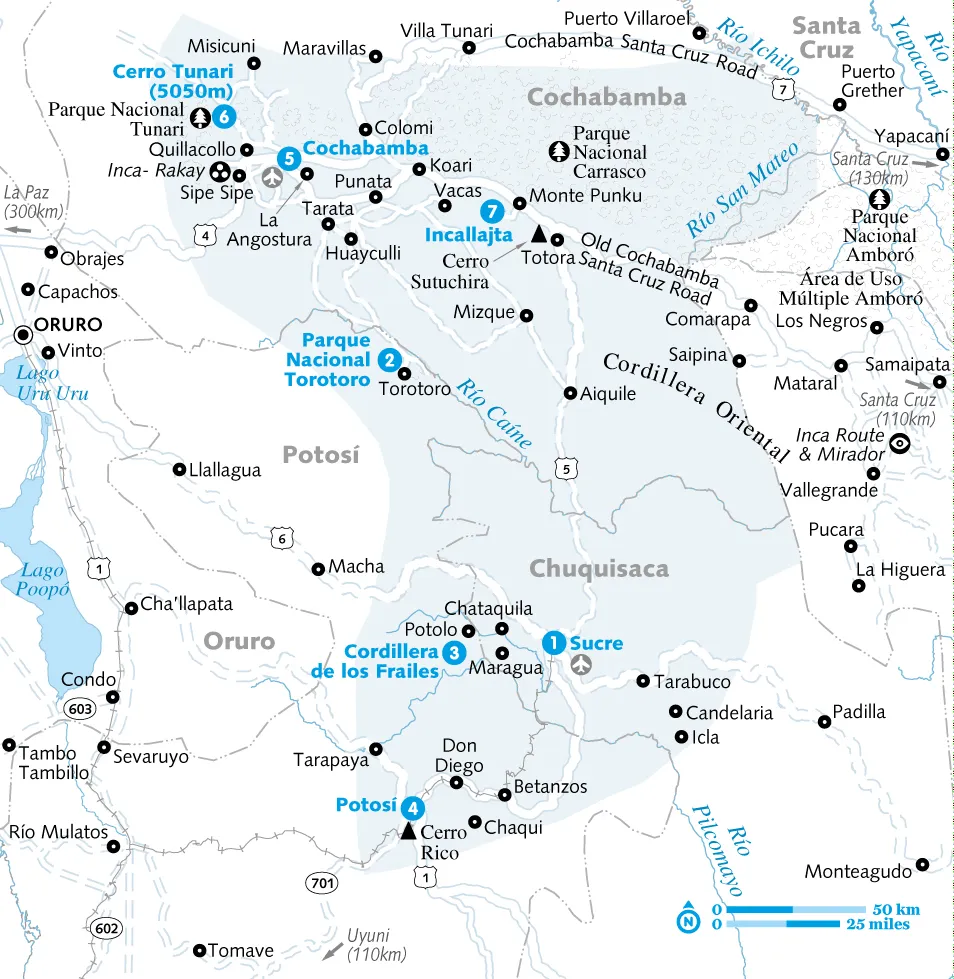
1 Sucre Viewing the whitewashed, red-roofed colonial panorama from high above in La Recoleta.
2 Parque Nacional Torotoro Spelunking and climbing where the dinosaurs once were.
3 Cordillera de los Frailes Trekking this mountainous region with its one-of-a-kind geology and intriguing Jal’qa communities.
4 Casa Nacional de la Moneda Learning about the origin of money at this country’s most fascinating museum, located in Potosí.
5 Cochabamba Packing on the pounds and partying them away while visiting this city’s lively food and nightlife scene.
6 Cerro Tunari Summiting this high peak with Andean condors overhead and views below.
7 Incallajta Visiting these mystical ruins, Bolivia’s version of Machu Picchu.
History
Prior to Spanish domination, the town of Charcas, where Sucre now stands, was the indigenous capital of the valley of Choque-Chaca. It served as the residence of local religious, military and political leaders, and its jurisdiction extended to several...
Table of contents
- Table of Contents
- Welcome to Bolivia
- Bolivia’s Top 12
- Need to Know
- First Time Bolivia
- If You Like...
- Month by Month
- Itineraries
- Bolivia Outdoors
- Eat & Drink Like a Local
- Travel with Children
- Regions at a Glance
- La Paz & Around
- Lake Titicaca
- The Cordilleras & Yungas
- Southern Altiplano
- Central Highlands
- South Central Bolivia & The Chaco
- Santa Cruz & Gran Chiquitania
- Amazon Basin
- Understand Bolivia
- Bolivia Today
- History
- Life in Bolivia
- Indigenous Culture
- Music in Bolivia
- The Natural World
- Directory A–Z
- Transportation
- Health
- Language
- Behind the Scenes
- Our Writers
Trusted by 375,005 students
Access to over 1.5 million titles for a fair monthly price.
Study more efficiently using our study tools.