- 128 pages
- English
- ePUB (mobile friendly)
- Available on iOS & Android
eBook - ePub
Highlands
About this book
Discover the rich past of Highlands, North Carolina in this pictorial history told through the lens of over 200 vintage images.
Perched on the crest of the Blue Ridge Mountains and founded in 1875 as a health and summer resort, the town of Highlands in Western North Carolina enjoys a northern climate in a southern setting. Its people originate from across the nation, giving an otherwise provincial village a cosmopolitan worldview, and its natural surroundings have attracted professionals in the arts and sciences as well as laborers, tradesmen, and craftsmen. The photographs in this volume attest to the extraordinary variety of characters that inhabited the Highlands plateau at the town's founding and during the first half-century of its growth and development.
Information
Topic
GeschichteSubtopic
Nordamerikanische GeschichteThree
1875–1900
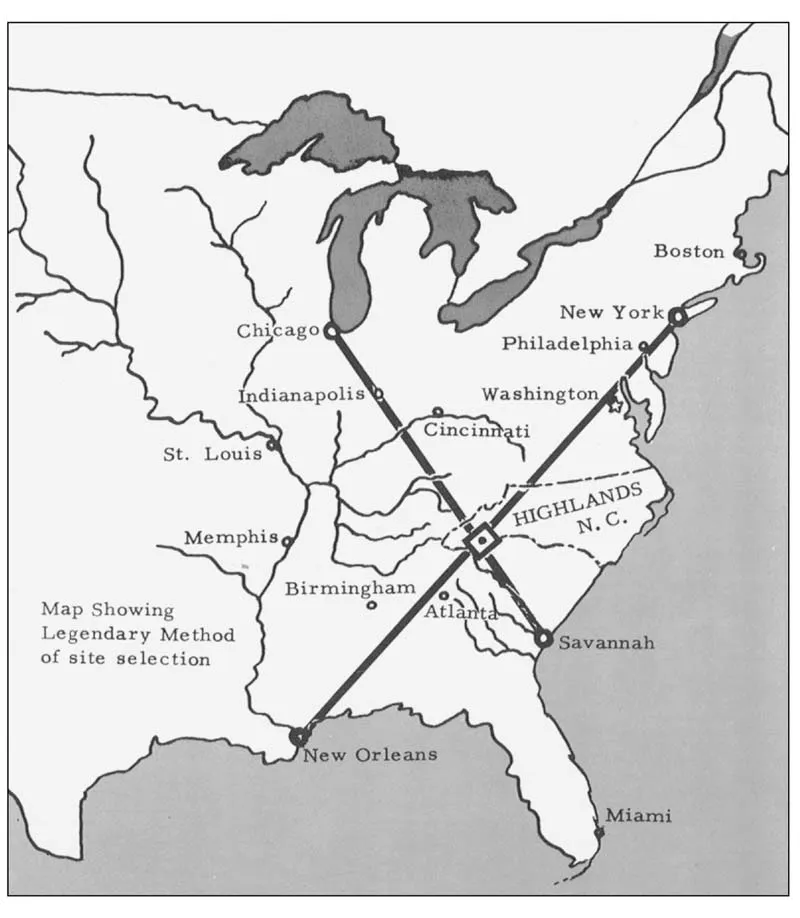
A well-known legend of the founding of Highlands claims that two developers living in Kansas took a map in hand and drew a line from New York to New Orleans. Then they passed another line between Chicago and Savannah. These lines, they predicted, would be the great trade routes of the future, and where they crossed would someday be a great population center. (Drawing from the booklet Highlands, N.C., 1956.)
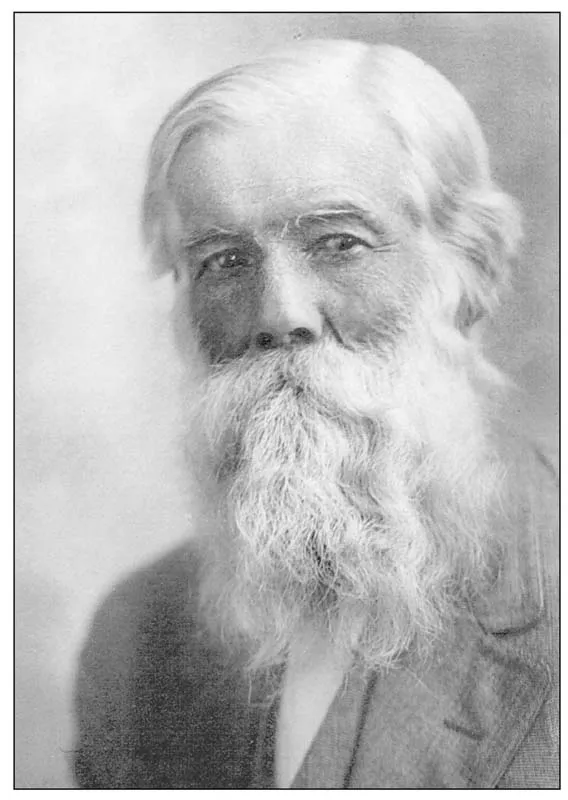
A native of the village of Florida, New York, and a founder of several towns, Samuel Truman Kelsey (1832–1921) chose the forested mountains of North Carolina to establish the first summer resort in the Blue Ridge. At 4,000 feet, Highlands became the highest incorporated town in eastern America. Kelsey lived with his wife, Katherine “Katy” E. Ricksecker Kelsey (born c. 1844), daughter Laura, and sons Truman, Harlan, and Harry. (Photograph from Sky Campbell.)
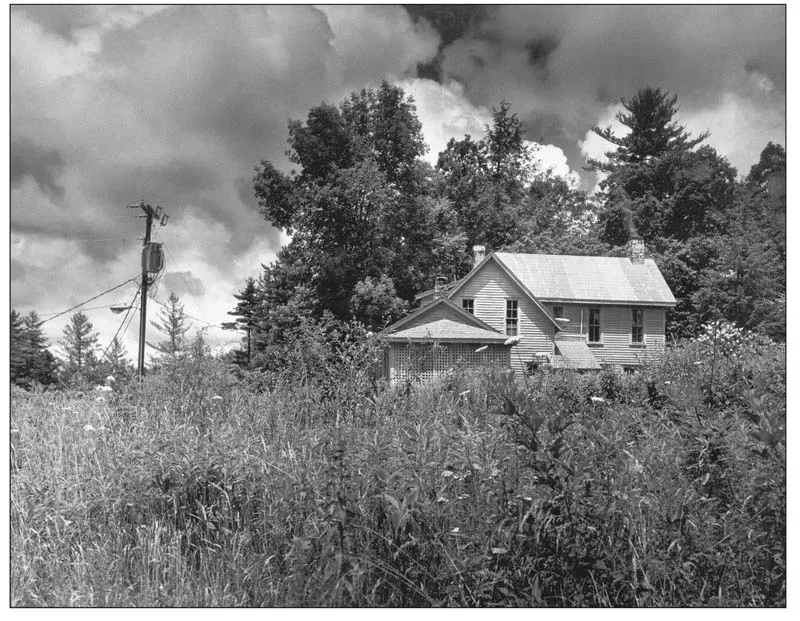
Kelsey’s home, built in 1875, had a central hall, parlor, living room, and dining room downstairs with a wing containing a butler’s pantry, a kitchen, and a back porch. Upstairs housed three bedrooms with two large closets. The total building cost was $350. It would have been the oldest house in Highlands had it not burned to the ground in 1976, only the dry-laid stone chimney remaining. (Photograph from Highlands Community Theatre Collection.)
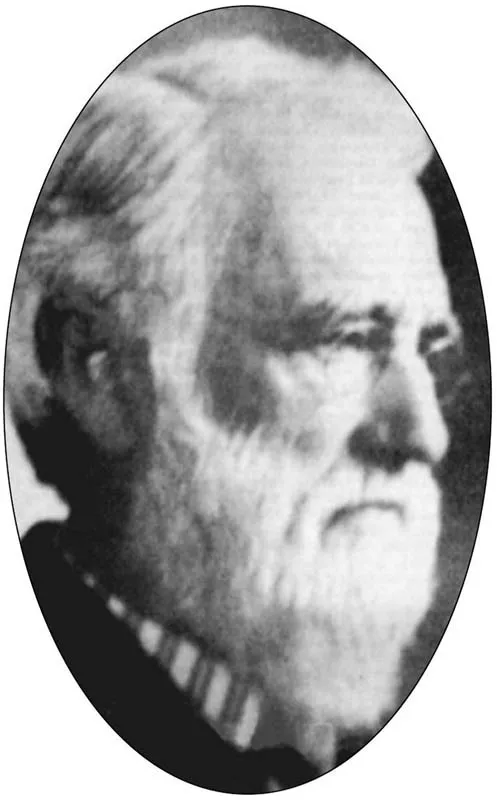
A native of Bernard, Vermont, Clinton Carter “C. C.” Hutchinson (1833–1909) was also a founder of towns. On March 6, 1875, he borrowed $1,678 to buy one and a third square miles at $2 an acre. In 1879, however, he left Highlands with his wife, Gertrude Harriet Sherman Hutchinson (born 1851), son Reno, and daughter Gertrude, having only begun his new home across Main Street from Kelsey’s residence. (Photograph from the Highlander newspaper.)
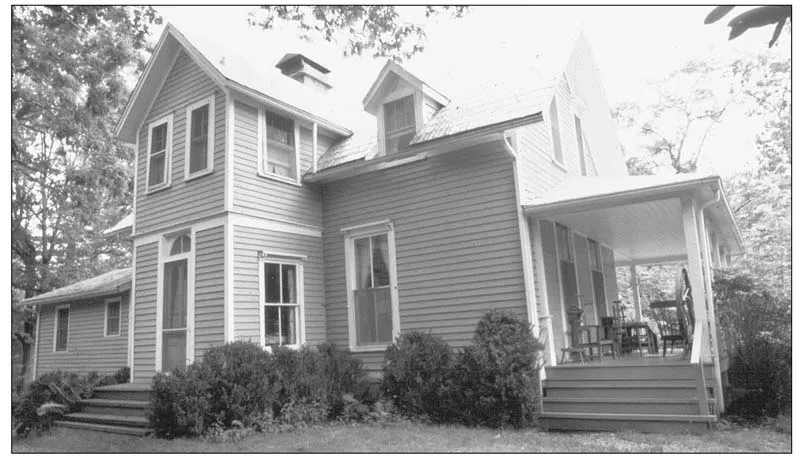
The foundation of Hutchinson’s home, built from giant oak trees split lengthwise and dropped into 8-foot, rock-lined trenches, was intended to “last till doomsday,” according to Dr. Charles Frost, who finished Hutchinson’s house with massive, hand-squared, white pine logs, placed upright, and walls weatherboarded inside and clapboarded outside to avoid the rough appearance of a stockade. Even in the strongest winds, the home never trembled. (Photograph from Highlands Historic Inventory.)
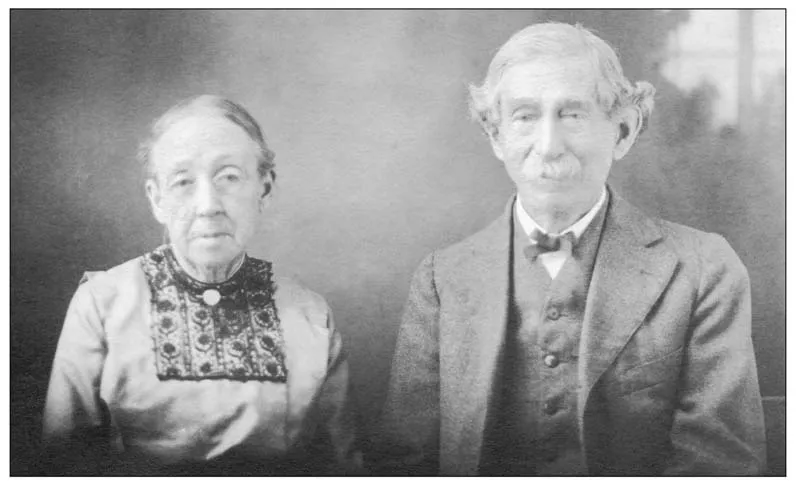
Responding to Kelsey’s brochure, T. Baxter White (1834–1922) and Eleanor Clark Barber White (born 1836) arrived in July 1875 from Marblehead, Massachusetts, as Highlands’s first settlers. White served as Highlands’s first postmaster and as justice of the peace, councilman, and the longest-serving trustee of the library. He wrote the “Highlands” column for the Franklin Press, the only link the little mountain town had with the outside world. (Photograph from the Bascom Estate.)
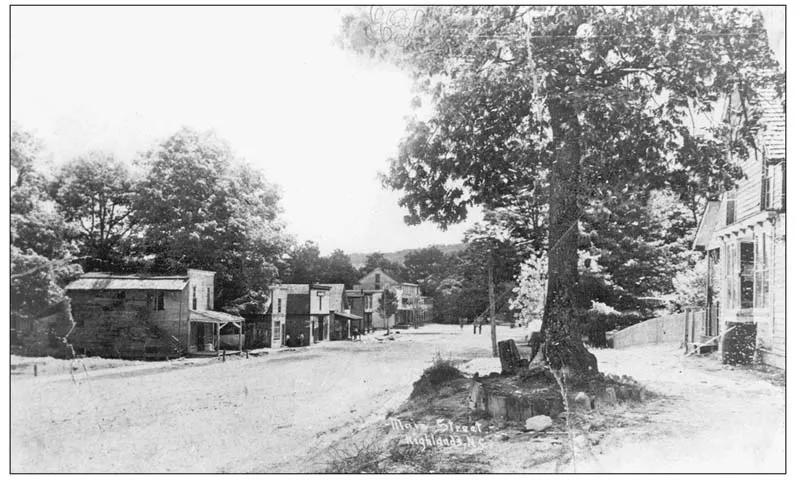
White built his home (right) on the south side of Main Street, which also served as post office and country store, offering groceries, dry and canned goods, boots, shoes, galoshes, hats, notions, and stationery. He touted the natural taste of his evaporated peaches and pears and the high quality of his teas and coffee. The Whites left for California in 1911. (Photograph by Henry Scadin from Doris Potts.)
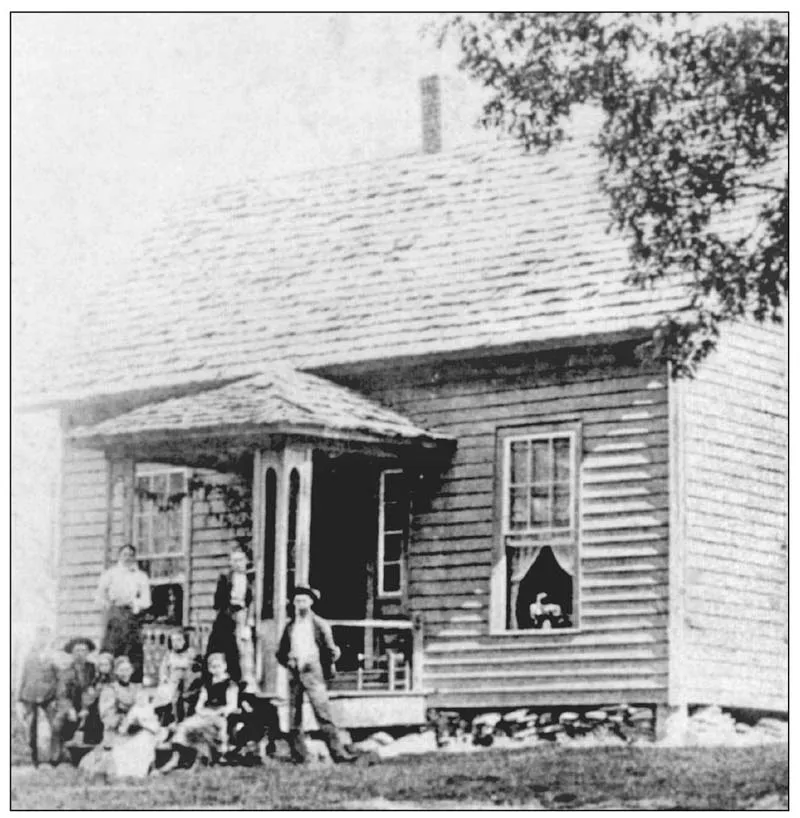
Farmer George Alexander Jacobs (1840–1921) from Jefferson County, Tennessee, and Mary “Mollie” Jane Temple Wolf Jacobs (1842–1917), a widow from England, built Highlands’s first boardinghouse at First and Main Streets in the fall of 1875. It was later home to Robert Reese, then Jim Rogers. Jacobs was Highlands’s first justice of the peace and first appointed mayor from 1879 to 1883. He managed Annie Dimick’s Cheap Cash Store on Main Street. (Photograph from Dallas Reese Jr.)
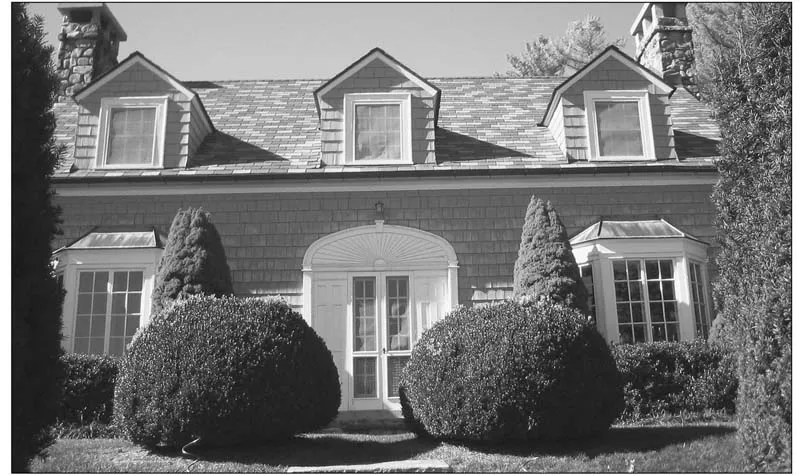
According to E. E. Ewing, only four homes existed in Highlands at the end of 1876: those of Kelsey, White, Jacobs, and Yankee farmer James Benson Soper (1836–1911) from Union Township, Pennsylvania, and Elizabeth Gustin Soper (1839–1898). The Sopers returned to Pennsylvania in 1881. After 1932, their farmstead, situated on 100 acres off today’s Flat Mountain Road, was home to Frazier and Ethel Redden. (Photograph by the author.)
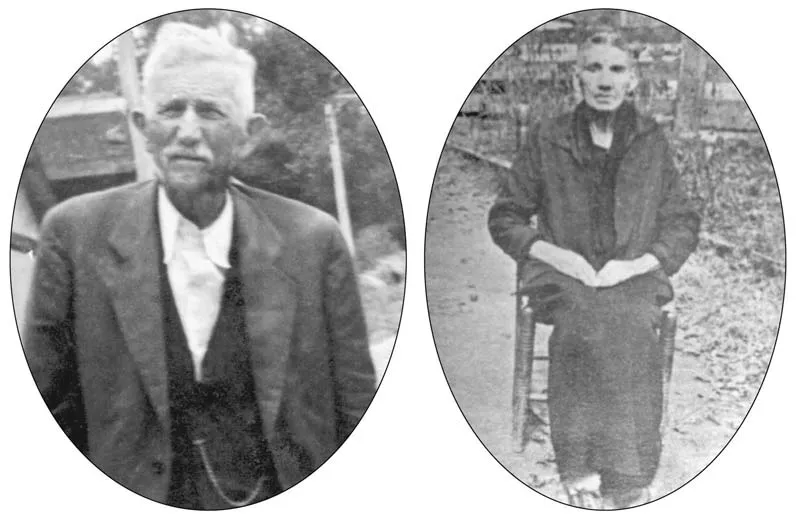
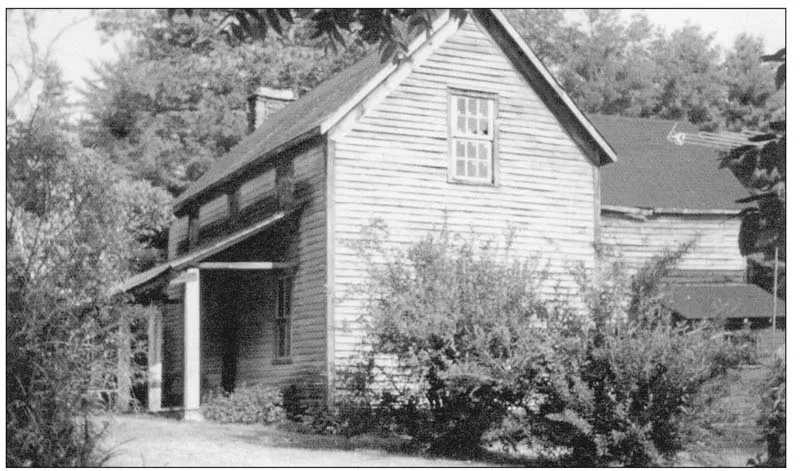
John Palmer “Dock” McKinney (1854–1938), grandson of James McKinney, who settled Cashiers Valley, and Margaret “Jane” Gribble McKinney (1854–1935) arrived at the beginning of 1876 and lived on Fourth Street north of town. They built their own home in 1898 on Chestnut Street at the site of today’s performing arts center. Their son Allison “Al” Dickerson McKinney was reportedly the first child born in the new town on November 18, 1876 (unless it was William McHenry Jackson, for whom no date is given). Jane Gribble’s mother, Claressa Louise Adeline Gribble (1827–1907), was a Cherokee who was 12 years old when she was sent on the Trail of Tears march to Oklahoma, but she had trouble keeping up, and Clark and Polly Rogers took her in as a foster child. (Photographs from Jessie Potts Owens.)
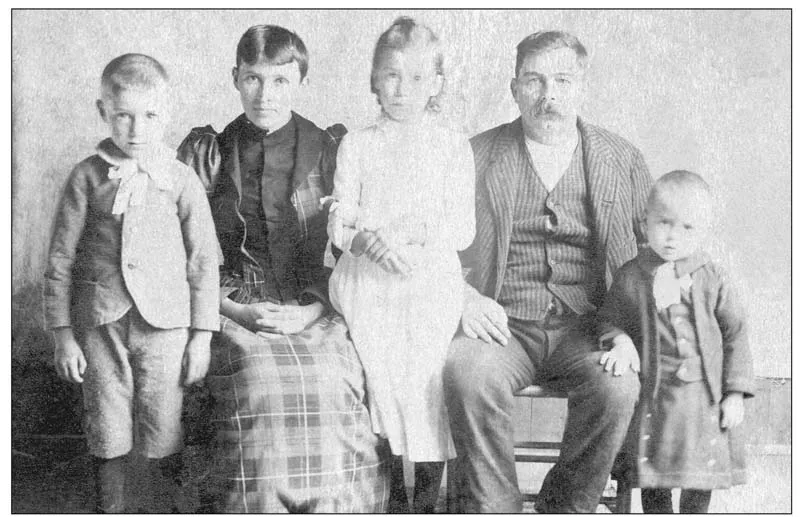
John Norton (1849–1924), son of Elias and Polly Norton and married to Sibbie Elizabeth Dockins (born 1860), bought both sides of West Main Street and built Central House, Highlands’s second boardinghouse, in 1877–1878. In 1880, he traded it for Joseph Halleck’s newly built Highlands House (Highlands Inn). He was one of Highlands’s first appointed commissioners from 1879 to 1883 and moved to Cullowhee around 1905–1907. (Photograph from Tammy Lowe.)
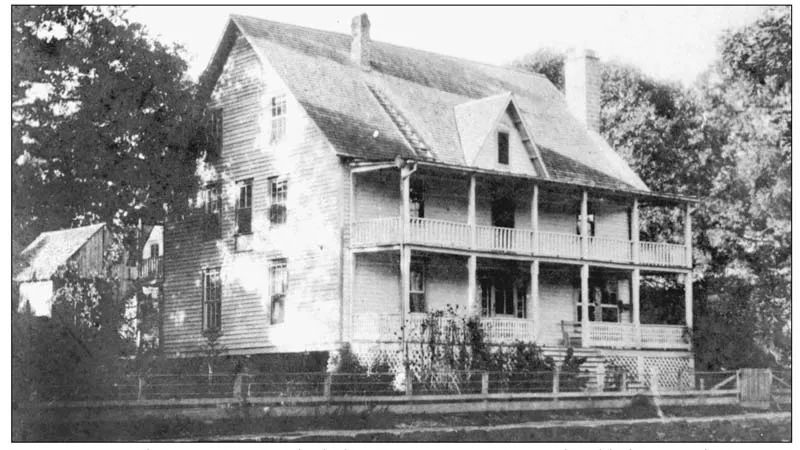
Norton’s Central House, a two-and-a-half-story frame structure with gabled roof and a two-tier front porch, had 11 bedrooms, no plumbing or electricity, water piped from Satulah Mountain, and a four-hole outhouse, two for each sex. It was managed by Joseph Halleck from 1880 to 1888, David and Mattie Norton from 1888 to 1904, Billy and Mattie Potts from 1905 to 1914, and Minnie Edwards until the early 1950s. (Photograph by John Bundy, 1883.)
Table of contents
- Title Page
- Copyright Page
- Dedication
- Table of Contents
- ACKNOWLEDGMENTS
- INTRODUCTION
- One - BOTANICAL PARADISE
- Two - PREHISTORY
- Three - 1875–1900
- Four - 1900–1930
- FIVE - ARCHITECTURAL GEMS
- Six - ARTISTIC CREATIONS
- Seven - THEN AND NOW
- INDEX
Trusted by 375,005 students
Access to over 1.5 million titles for a fair monthly price.
Study more efficiently using our study tools.
Frequently asked questions
Yes, you can cancel anytime from the Subscription tab in your account settings on the Perlego website. Your subscription will stay active until the end of your current billing period. Learn how to cancel your subscription
No, books cannot be downloaded as external files, such as PDFs, for use outside of Perlego. However, you can download books within the Perlego app for offline reading on mobile or tablet. Learn how to download books offline
Perlego offers two plans: Essential and Complete
- Essential is ideal for learners and professionals who enjoy exploring a wide range of subjects. Access the Essential Library with 800,000+ trusted titles and best-sellers across business, personal growth, and the humanities. Includes unlimited reading time and Standard Read Aloud voice.
- Complete: Perfect for advanced learners and researchers needing full, unrestricted access. Unlock 1.5M+ books across hundreds of subjects, including academic and specialized titles. The Complete Plan also includes advanced features like Premium Read Aloud and Research Assistant.
We are an online textbook subscription service, where you can get access to an entire online library for less than the price of a single book per month. With over 1.5 million books across 990+ topics, we’ve got you covered! Learn about our mission
Look out for the read-aloud symbol on your next book to see if you can listen to it. The read-aloud tool reads text aloud for you, highlighting the text as it is being read. You can pause it, speed it up and slow it down. Learn more about Read Aloud
Yes! You can use the Perlego app on both iOS and Android devices to read anytime, anywhere — even offline. Perfect for commutes or when you’re on the go.
Please note we cannot support devices running on iOS 13 and Android 7 or earlier. Learn more about using the app
Please note we cannot support devices running on iOS 13 and Android 7 or earlier. Learn more about using the app
Yes, you can access Highlands by Dr. Randolph Preston Shaffner in PDF and/or ePUB format, as well as other popular books in Geschichte & Nordamerikanische Geschichte. We have over 1.5 million books available in our catalogue for you to explore.