- 128 pages
- English
- ePUB (mobile friendly)
- Available on iOS & Android
eBook - ePub
Sonoma Community Center
About this book
If these redbrick walls could talk, a chorus of voices from 100 years of community use would echo all that was good about Sonoma: the love of food and wine, the search for cultural enrichment, and the need to care for people. Since the day it opened as the Sonoma Grammar School, the center has promoted education, the arts, and a respect for history. Thousands of elementary-age students walked its halls until 1948, when building codes closed it as a public school. But it was reborn in 1952 as the Sonoma Community Center due to generous donors who formed a nonprofit organization to save the building they considered the heart and soul of Sonoma. Since then, thousands of others have used its classrooms, lecture halls, and auditorium to be entertained, to celebrate events, to develop creative interests, and to cultivate their sense of community.
Information
One
SONOMA’S
EDUCATIONAL HERITAGE
EDUCATIONAL HERITAGE
Fr. Jose Altimira founded Mission San Francisco Solano de Sonoma, the last of California’s 21 missions, in a peaceful valley in 1823. Fears of Russian domination in the northern areas of California and a need to move missions into a warmer climate fueled the move, and the mission engaged in the chief activities of all missions—converting the native population to Catholicism, creating a Western European presence in a particular area, and beginning the task of teaching locals how to survive in a place that was now part of Mexico.
By 1833, the mission was secularized and momentarily abandoned, and Gen. Mariano Vallejo was put in charge of the tiny community called Sonoma. He established the town, supervised the construction of many buildings, and took up residence in a place that was part home and part garrison headquarters just north of the plaza. A believer in education, Vallejo is credited with bringing in the first tutor to the area, for his own children, and encouraging the establishment of private schools.
In 1846, the Bear Flag was raised over the plaza for a brief 26 days before the Stars and Stripes went up in its place. General Vallejo adapted, and so did the town. By the time that California became a state in 1850 and passed legislation allowing the formation of public school districts in 1851 and 1852, several private schools were already educating local children at all levels. In 1857, Sonoma Township—which was greater than its city limits today—petitioned for the establishment of public school districts. Initially there were four in the area: Ash Springs, Dunbar, Watmaugh, and Sonoma. Other schools in the valley, established later, were San Luis, Harvey, Enterprise, Flowery, Huichica, Verano, Tule Vista, and Summit Joint School. Some of these are still active today.
Sonoma was a town where schools were the cultural centers of their times. This legacy would carry forward and set the stage for the public school system in Sonoma Valley and the magnificent Sonoma Grammar School building that would eventually become the Sonoma Community Center—the heart and soul of the valley.
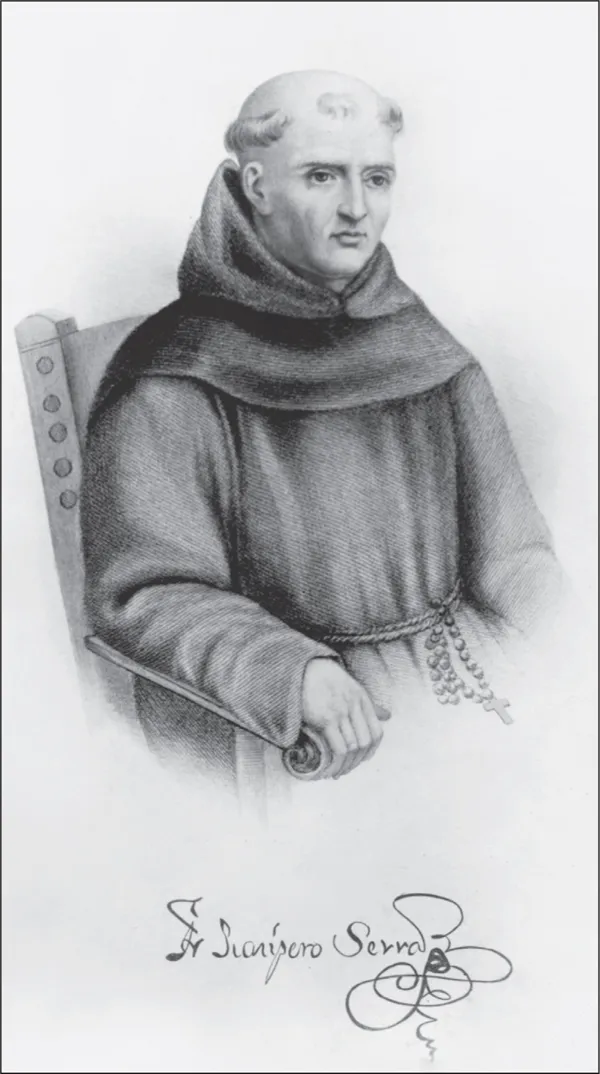
Fr. Junipero Serra was put in charge of the founding of the California Missions but only lived to establish the first seven. Fr. Jose Altimira founded Mission San Francisco Solano de Sonoma when it was thought that the Russians might seize Northern California. He chose the Sonoma Plain as a primary site, as it was near reliable water sources and numerous Miwok villages. These mission settlements often became the sites of future towns. (Author’s Collection.)

Mission San Francisco Solano de Sonoma was established in 1823 as the last of the Franciscan Missions. It was the only one to be founded under Mexican rule. Like its sister missions, it was an early home for education and the first place in Sonoma Valley to provide instruction. The curriculum was based on religious principles, animal husbandry, agriculture, and other useful skills. Henry Chapman Ford supposedly made this etching in 1833. (Courtesy SVHS.)
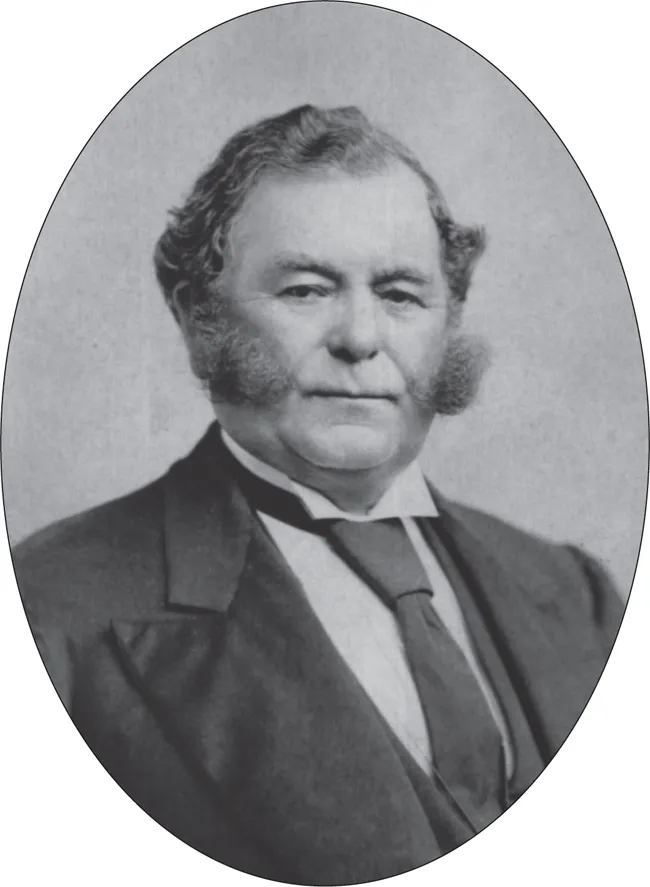
Mexican general Mariano Vallejo was put in charge of Sonoma’s mission as early as 1833 and is credited with laying out the town of Sonoma. He believed strongly in education, and his children were tutored at home as early as 1849 by Frederik Reger and music master Andrew Hoeppner. He brought tutors and schools to Sonoma at a time when public education was not yet in place. (Courtesy SVHS.)

In the early 1850s, Dr. J.L. Ver Mehr opened St. Mary’s Hall for Young Ladies in the Leese-Fitch Adobe, on the corner of First Street West and West Napa Street, prior to the establishment of a public school system. It eventually moved to General Vallejo’s palatial home facing the plaza but closed in 1856 when the Ver Mehrs returned to San Francisco—having lost four of their nine children to diphtheria. (Courtesy SVHS.)
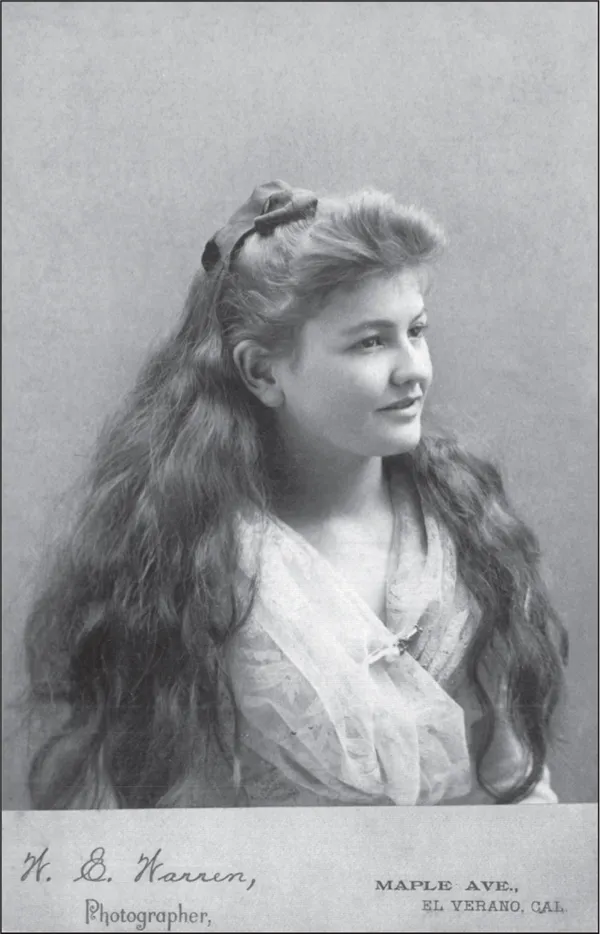
Natalia Vallejo—one of Mariano and Francesca’s children—and her older sisters were students at the Ver Mehrs’ school. Natalia remained in Sonoma after her marriage to Attila Haraszthy, whose father, Count Agoston Haraszthy, is credited with founding California’s commercial wine industry at his Buena Vista Winery in Sonoma. (Courtesy SVHS.)

Natalia and Attila Haraszthy were married on June 1, 1863, in a double ceremony with her sister Jovita and Attila’s brother Arpad at the Vallejo home. This stately building on Spain Street, now an event center, was once called Willows Wild and was Natalia’s home for years. (Author’s Collection.)
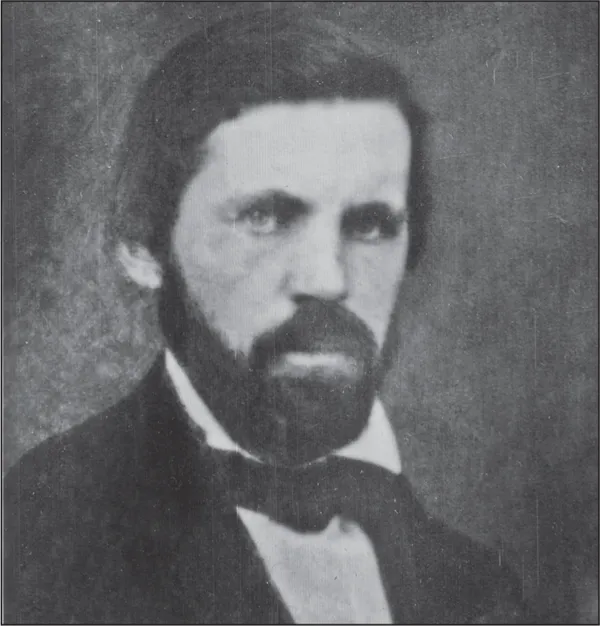
Seen here in an early portrait from a family collection, James Cooper has become part of the valley’s school lore. In September 1856, his boys were severely disciplined by teacher H.N. Graham. When Cooper confronted Graham, the man drew a knife and stabbed Cooper to death. While the record of the trial was preserved, the name of the school was not. (Courtesy SVHS.)

James Cooper and partner Thomas Spriggs built the Blue Wing Inn by expanding an earlier adobe structure around 1849. Cooper was the father of five educated children. Sons Tom and John were born in the Blue Wing, and daughters Barbara, Emma, and Janet were most likely born on the Coopers’ ranch just out of town. (Courtesy SIT.)
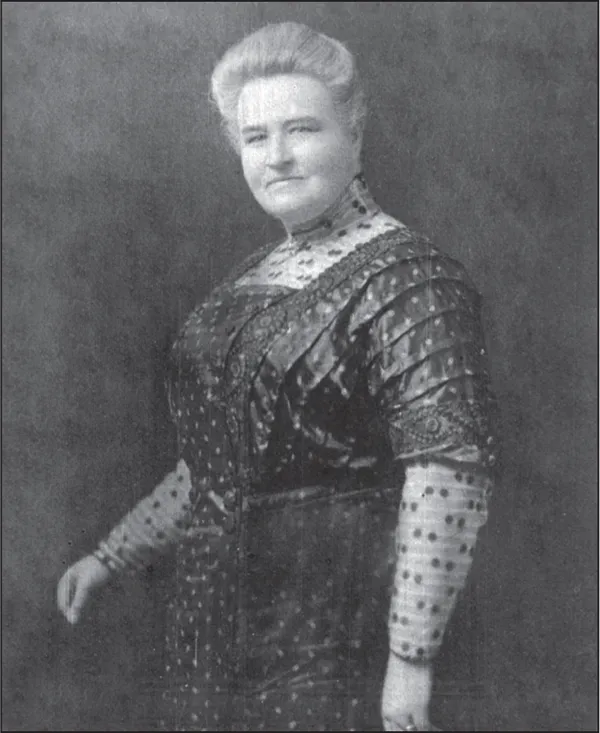
The Napa Ladies Seminary, established about 15 miles from Sonoma in 1860, was a fashionable establishment where some of Sonoma’s families sent their daughters. Emma Cooper attended school there. She is seen here in her later years as Mrs. James R. McDonald. She met her husband while attending the school, which was operated by his relatives, and married him in 1879. (Courtesy SVHS.)

About a year after St. Mary’s Hall closed, the Cumberland Presbyterian school opened a block away, in the Salvador Vallejo Adobe on the corner of First Street West and West Spain Street. It was called the Sonoma Academy. The operators connected two buildings and added a second floor, creating rooms for boarders. In 1861, the school’s name was changed to Cumberland College. It is the El Dorado Hotel today. (Courtesy SVHS.)

With a coed student body of about 100, a new Cumberland College bu...
Table of contents
- Cover Page
- Title Page
- Copyright Page
- Dedication
- Table of Contents
- Acknowledgments
- Introduction
- 1. Sonoma’s Educational Heritage
- 2. Sonoma Grammar School: Boom to Depression
- 3. War, Recovery, and Closure
- 4. A New Vision for Community Education
- 5. Community Takes Center Stage
- 6. Reconstruction
- 7. Living History
Trusted by 375,005 students
Access to over 1.5 million titles for a fair monthly price.
Study more efficiently using our study tools.
Frequently asked questions
Yes, you can cancel anytime from the Subscription tab in your account settings on the Perlego website. Your subscription will stay active until the end of your current billing period. Learn how to cancel your subscription
No, books cannot be downloaded as external files, such as PDFs, for use outside of Perlego. However, you can download books within the Perlego app for offline reading on mobile or tablet. Learn how to download books offline
Perlego offers two plans: Essential and Complete
- Essential is ideal for learners and professionals who enjoy exploring a wide range of subjects. Access the Essential Library with 800,000+ trusted titles and best-sellers across business, personal growth, and the humanities. Includes unlimited reading time and Standard Read Aloud voice.
- Complete: Perfect for advanced learners and researchers needing full, unrestricted access. Unlock 1.5M+ books across hundreds of subjects, including academic and specialized titles. The Complete Plan also includes advanced features like Premium Read Aloud and Research Assistant.
We are an online textbook subscription service, where you can get access to an entire online library for less than the price of a single book per month. With over 1.5 million books across 990+ topics, we’ve got you covered! Learn about our mission
Look out for the read-aloud symbol on your next book to see if you can listen to it. The read-aloud tool reads text aloud for you, highlighting the text as it is being read. You can pause it, speed it up and slow it down. Learn more about Read Aloud
Yes! You can use the Perlego app on both iOS and Android devices to read anytime, anywhere — even offline. Perfect for commutes or when you’re on the go.
Please note we cannot support devices running on iOS 13 and Android 7 or earlier. Learn more about using the app
Please note we cannot support devices running on iOS 13 and Android 7 or earlier. Learn more about using the app
Yes, you can access Sonoma Community Center by Pamela Hallan-Gibson,Kathy Swett in PDF and/or ePUB format, as well as other popular books in History & North American History. We have over 1.5 million books available in our catalogue for you to explore.