
- 128 pages
- English
- ePUB (mobile friendly)
- Available on iOS & Android
eBook - ePub
Ligonier
About this book
Isaac Cavin, of Ligonier, Pennsylvania, traveled to Indiana in 1830. He returned home and married Elizabeth Marker in 1834, and they traveled together to northern Indiana. In May 1835, he planned a new town and named it Ligonier. He built his home a few miles north of town and lived there for 52 years. The next big players were two German Jewish peddlers, Solomon Mier and Frederick William Straus, who traveled to the United States and settled in Indiana. After training with their uncle, they moved to Ligonier around 1854 because they were told the railroad would be coming to Ligonier and that it might be a good place to start up a business. The suggestion led to some wonderful times for Ligonier. Straus developed one of his businesses into the largest farm brokerage firm in the United States, and Mier developed one of his businesses into one of the largest farmland dealers in the Midwest. Images of America: Ligonier explores one of the most unusual small towns in the United States.
Information
One
THE MOST IMPORTANT
THING TO A COMMUNITY
IS ITS PEOPLE
THING TO A COMMUNITY
IS ITS PEOPLE
The start of this book is just like the start of any community. Without the people, there is nothing on which to build a community. The people come first.
This chapter introduces readers to four groups of people who are amazing in the stories they have to share.
Isaac Cavin founded Ligonier, Indiana, which he named after his hometown of Ligonier, Pennsylvania. The author feels the hardship of just getting to Indiana should have qualified him and Elizabeth, his wife, with an honor for perseverance.
Although his wife, Mabel, is not often mentioned, she may have been the influence that Dwight Green needed to make him a success. Dwight was born and grew up in Ligonier. He had a life of wealth and ease. His parents and family were wealthy. He turned left at the fork in the road. He was very involved in putting Al Capone in jail.
The Wilkinson sisters, Rosalie and Ona, did things that were almost unheard of in their time. They founded a company that is famous with quilters, the Wilkinson Quilt Company. Women could not start up a factory and did not usually meddle in business. Women born around 1870 were mostly channeled into raising children and making men comfortable. Women did not even need a high school diploma. They could not even vote until 1920.
Perhaps compared to the stars listed above, Paul and Hannah Beverforden really did not do much. But they focused their lives on helping their fellow man. Paul was a trooper with the Indiana State Police. Hannah was a teacher in the Ligonier school system. When they died, they passed on their story to the Ligonier Historical Museum. Thus their story lives on. Others might consider their treasures just old junk.
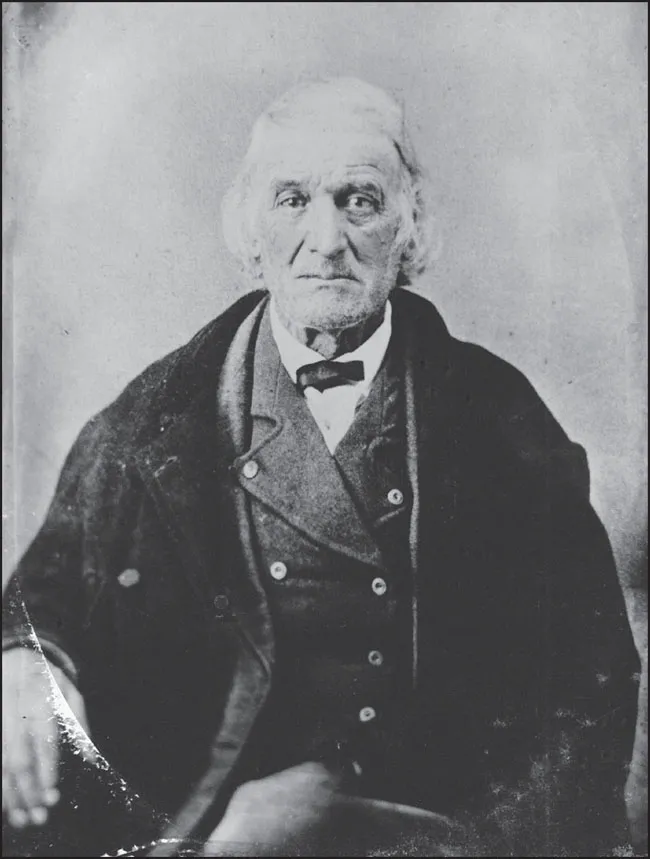
Isaac Cavin (1807–1884) founded Ligonier, Indiana, in 1835. He married Elizabeth Marker (1814–1884) in 1834 and rode with her on horseback from Ligonier, Pennsylvania, to the future site of Ligonier, Indiana. Elizabeth helped raise their six children and grieved for the 50 percent mortality rate of her children.
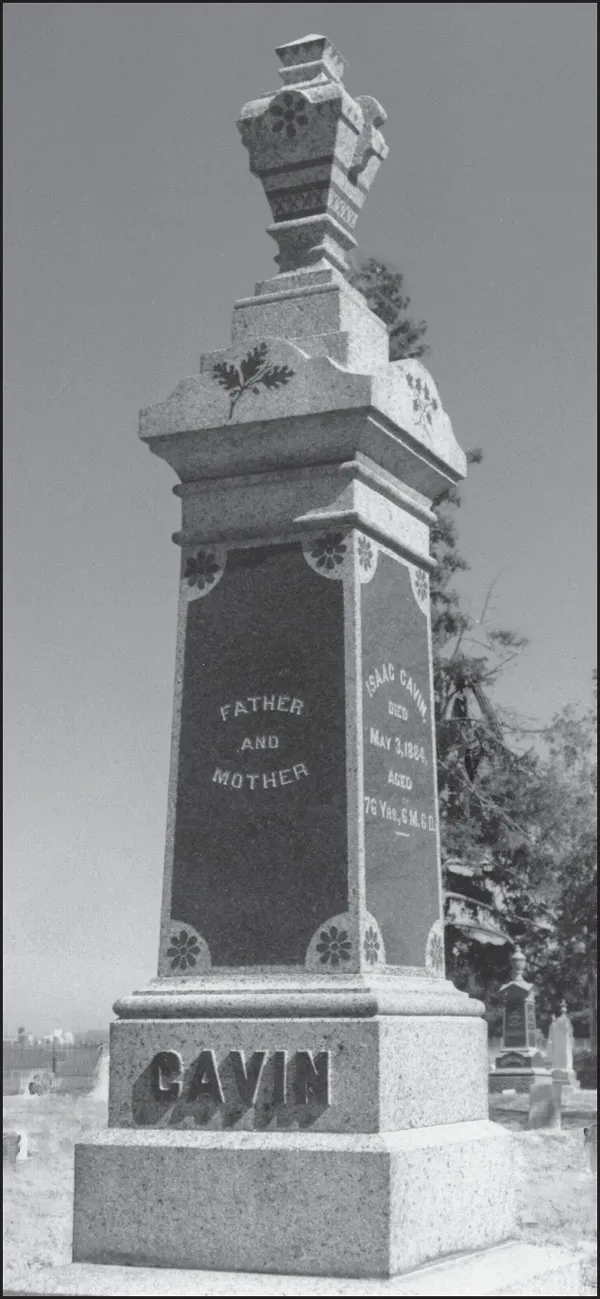
The tombstone of Isaac and Elizabeth Cavin at Salem Cemetery is about one mile north of Ligonier on State Road 5. Elizabeth died first in January 1884. Isaac followed her in May 1884.
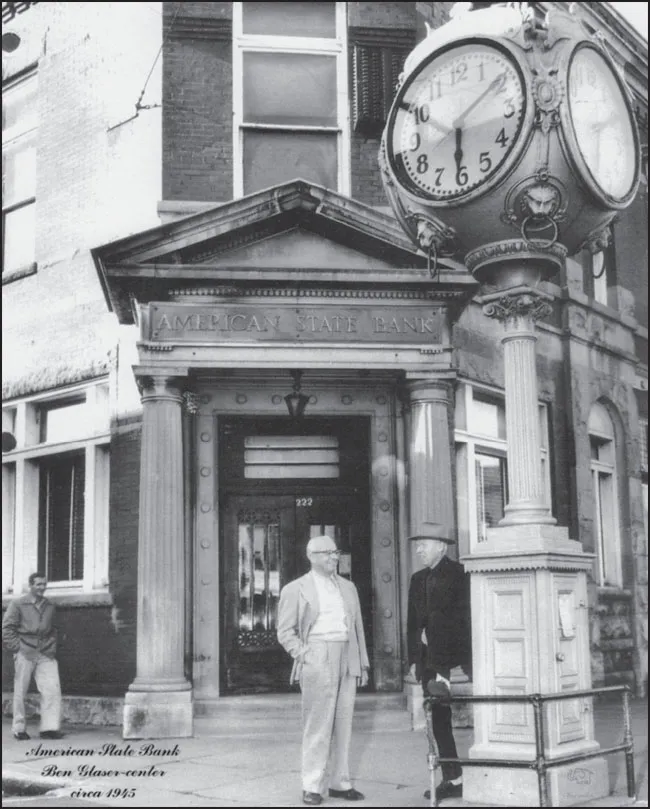
The memorial clock for Isaac Cavin was donated to the City of Ligonier by John L. Cavin in 1924. The clock was manufactured by the Seth Thomas Clock Company in 1923. Pictured nearest the clock in 1945 are Ben Glaser (left) and Rev. Dr. David E. Culley. The clock was moved in 1968, when the bank was razed for a new building.
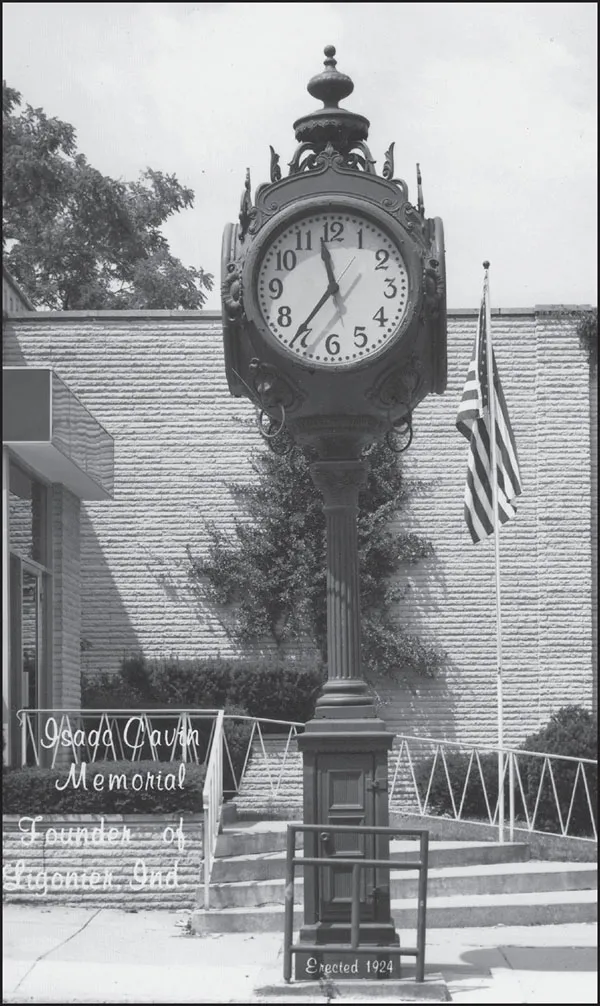
The memorial clock was moved to the Ligonier Telephone building in 1968. A semi hit the clock in 1981 and completely destroyed it. The company responsible did not have enough money to repair the clock, nor did the City of Ligonier, but a citizen donated $50,000 to have the clock repaired. In 1984, the restored and repainted memorial clock was moved to Wood Triangle Park at the south end of Cavin Street.

This is the home of Dwight H. Green (1897–1958), son of Harry and Minnie Gerber Green, at 402 South Main Street, almost directly west of the Ligonier Historical Museum. An application has been submitted to include the house in the National Register of Historic Places. Dwight was educated at Ligonier High School.
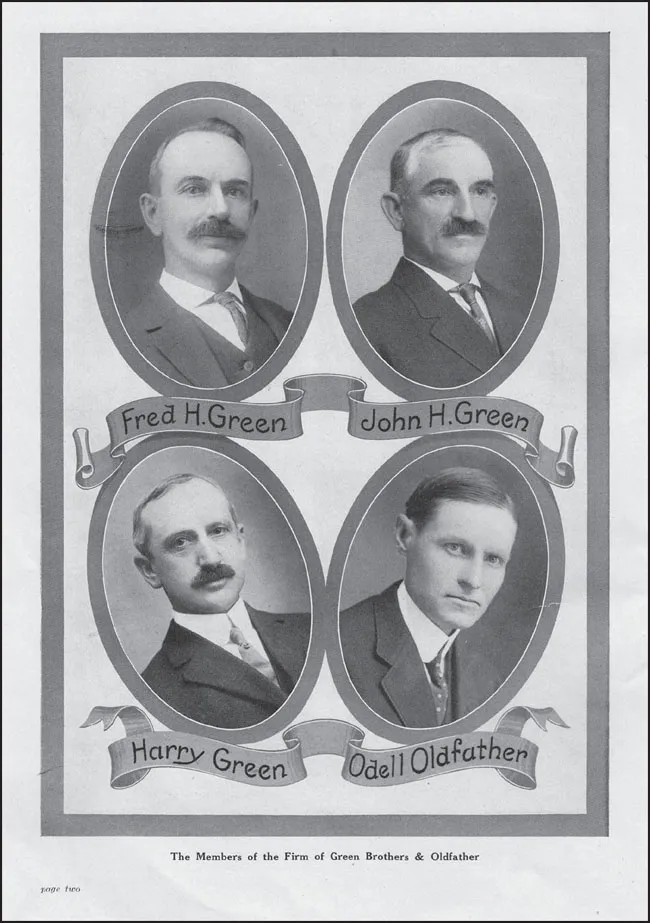
These are Dwight’s uncles, Fred H. Green (1862–1924) and John H. Green (1864–1953). Fred was the president of the Merchants Bank. Dwight could have had a position in this bank if it had interested him. Instead, he attended Wabash College.
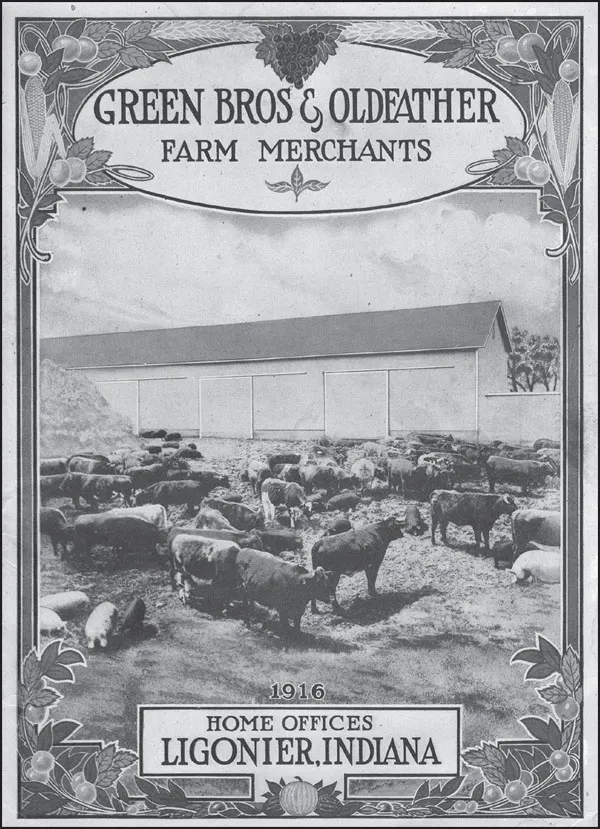
A cover of a catalog from Green Brothers & Oldfather offers farmland for sale around Ligonier. Dwight’s father, Harry, worked at this business with his brothers, Fred and John.
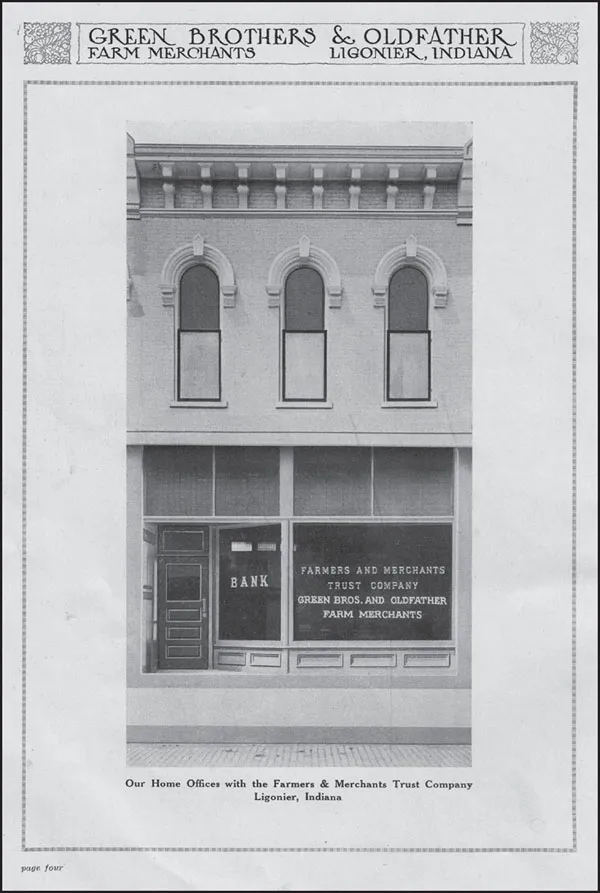
The Farmers and Merchant Trust Company bank stood at 203 South Cavin Street in Ligonier. Dwight entered World War I in the infantry. He was transferred to the Army Air Service. After four and a half hours of training, he soloed. Later, he was a trainer for other would-be pilots. Dwight graduated from Wabash College and moved to Chicago to work in the law office of Roy Keehn (also from Ligonier).
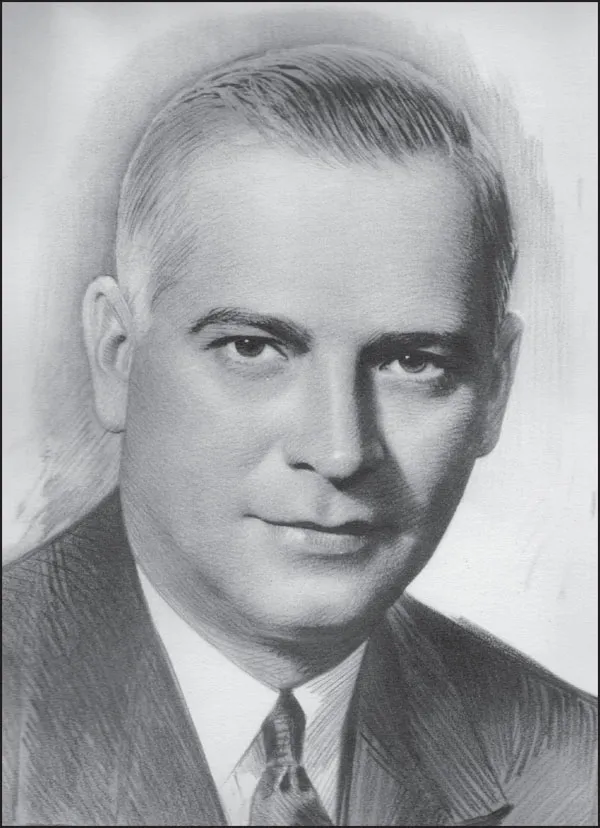
Dwight H. Green is sketched here. He attended the University of Chicago Law School and worked as a reporter for the Chicago Examiner before moving to Washington and joining the Bureau of Internal Revenue (later the Internal Revenue Service). He married Mabel Victoria Kingston in Washington. He returned to Chicago as an attorney for the Bureau of Internal Revenue.
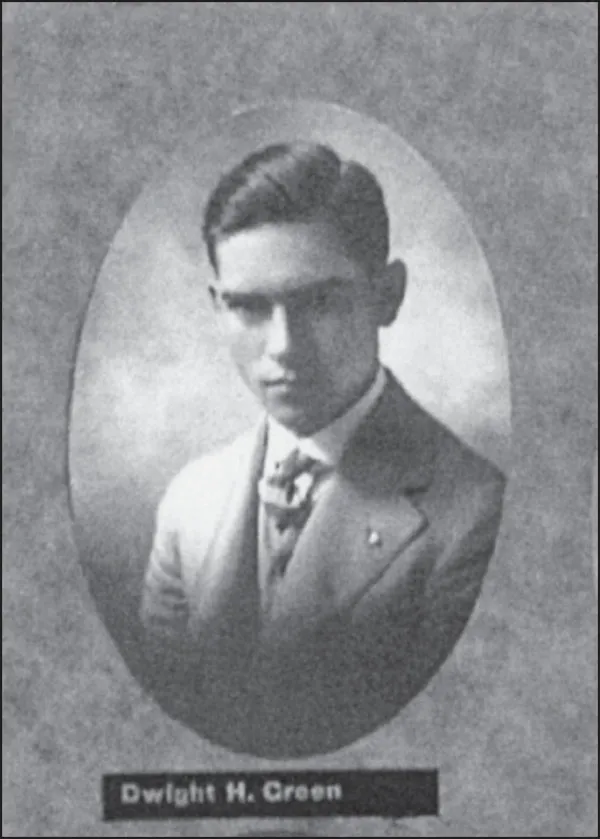
This is Dwight H. Green’s Ligonier High School graduation picture. The young man shown here would grow up to become a principal player in convicting Al Capone in Chicago. Green was elected governor of Illinois in 1940 and reelected in 1944—ser...
Table of contents
- Cover Page
- Title Page
- Copyright
- Dedication
- Table of Contents
- Acknowledgements
- Introduction
- 1. The Most Important Thing to a Community Is Its People
- 2. Money Makes the World Go Round
- 3. The Government Helps Organize
- 4. People in Ligonier Love Their Homes
- 5. The End Approaches
- Bibliography
Trusted by 375,005 students
Access to over 1.5 million titles for a fair monthly price.
Study more efficiently using our study tools.
Frequently asked questions
Yes, you can cancel anytime from the Subscription tab in your account settings on the Perlego website. Your subscription will stay active until the end of your current billing period. Learn how to cancel your subscription
No, books cannot be downloaded as external files, such as PDFs, for use outside of Perlego. However, you can download books within the Perlego app for offline reading on mobile or tablet. Learn how to download books offline
Perlego offers two plans: Essential and Complete
- Essential is ideal for learners and professionals who enjoy exploring a wide range of subjects. Access the Essential Library with 800,000+ trusted titles and best-sellers across business, personal growth, and the humanities. Includes unlimited reading time and Standard Read Aloud voice.
- Complete: Perfect for advanced learners and researchers needing full, unrestricted access. Unlock 1.5M+ books across hundreds of subjects, including academic and specialized titles. The Complete Plan also includes advanced features like Premium Read Aloud and Research Assistant.
We are an online textbook subscription service, where you can get access to an entire online library for less than the price of a single book per month. With over 1.5 million books across 990+ topics, we’ve got you covered! Learn about our mission
Look out for the read-aloud symbol on your next book to see if you can listen to it. The read-aloud tool reads text aloud for you, highlighting the text as it is being read. You can pause it, speed it up and slow it down. Learn more about Read Aloud
Yes! You can use the Perlego app on both iOS and Android devices to read anytime, anywhere — even offline. Perfect for commutes or when you’re on the go.
Please note we cannot support devices running on iOS 13 and Android 7 or earlier. Learn more about using the app
Please note we cannot support devices running on iOS 13 and Android 7 or earlier. Learn more about using the app
Yes, you can access Ligonier by Daniel L. Replogle in PDF and/or ePUB format, as well as other popular books in History & North American History. We have over 1.5 million books available in our catalogue for you to explore.