The rise of industrialization coupled with the growth of technology have contributed to creating a complexity to modern warfare that far exceeds the primitive conditions of earlier periods. Defined as the creative use of distributed operations for the purposes of strategy, success at the operational level requires that commanders practice operational art. Although current doctrine recognizes that the operational commander must link theater strategy to tactical operations through operational art, it fails to provide an adequate description of the commander role in campaign planning. Thus, this monograph examines the operational commander's role in planning and executing a successful campaign.
The monograph begins by describing how industrialized societies and technology affected the evolution of warfare thus creating a new medium known as operational art. Next it discusses suitable criteria for determining the commander's role in operational campaigns followed by an explanation of the campaign analysis model consisting of the operational operating systems described in TRADOC Pam 11-9. The monograph then analyzes three successful campaigns: Field-Marshal Slim as the 14th Army commander in Burma; General MacArthur in the World War II Cartwheel Operation and General Ridgway as the 8th Army commander in Korea.
eBook - ePub
The Operational Commander's Role In Planning And Executing A Successful Campaign
- 54 pages
- English
- ePUB (mobile friendly)
- Available on iOS & Android
eBook - ePub
The Operational Commander's Role In Planning And Executing A Successful Campaign
About this book
Information
Subtopic
Military & Maritime HistoryIndex
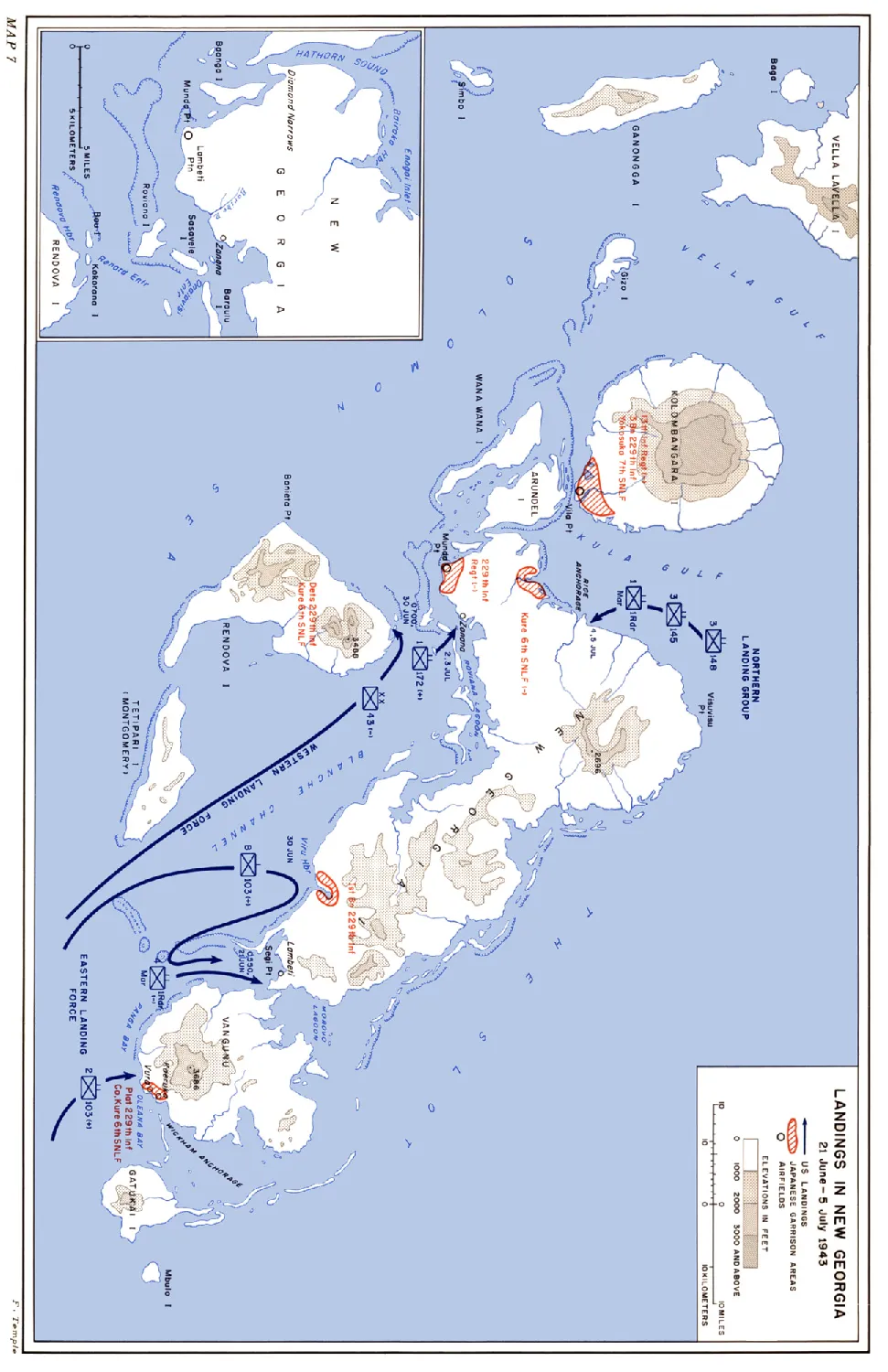
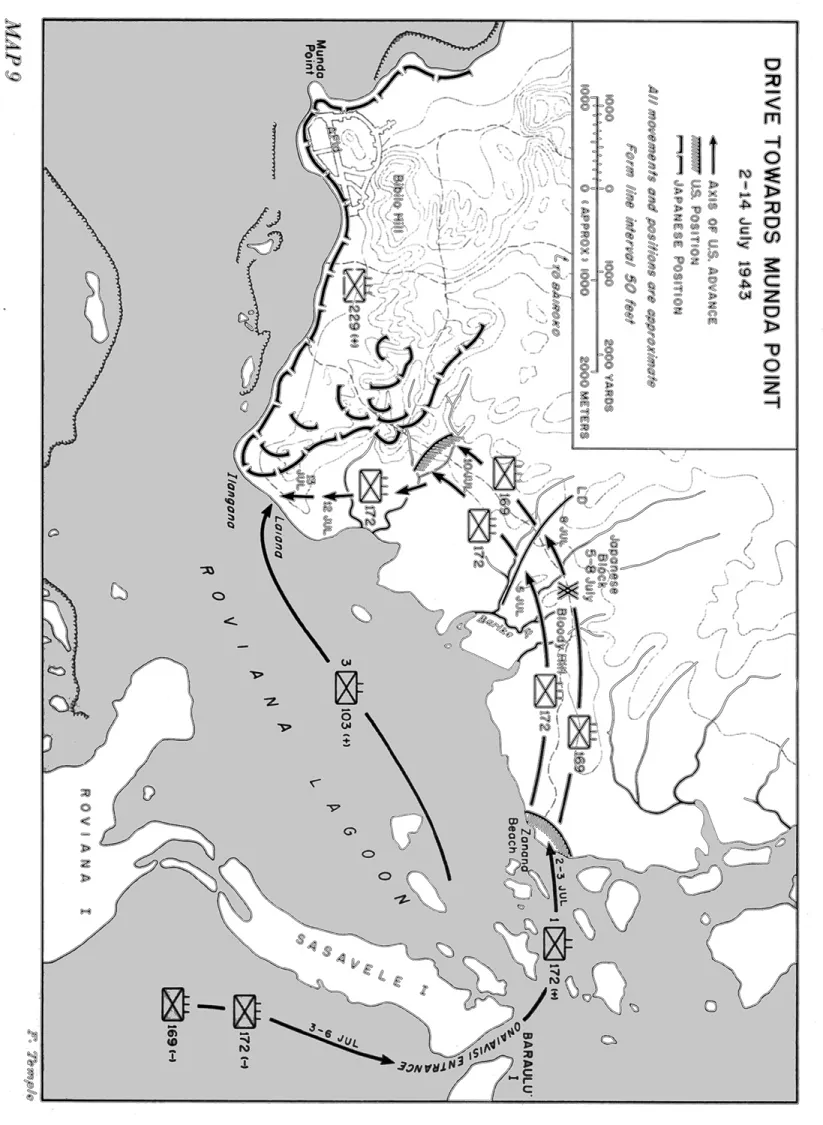
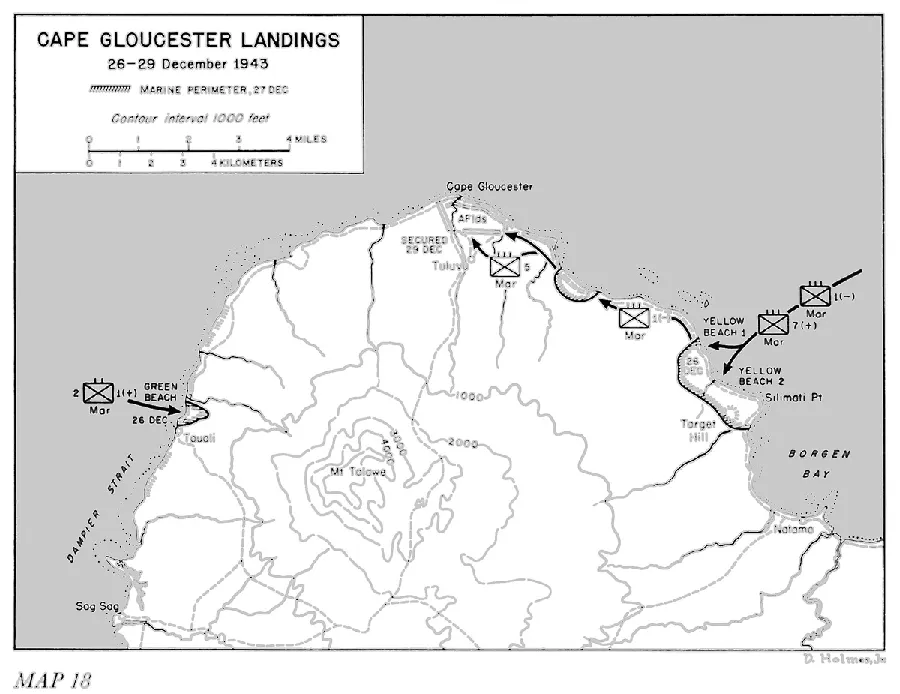
HistoryMAPS


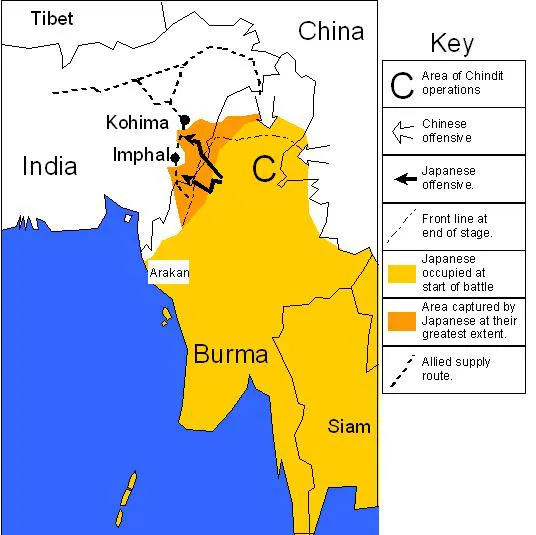
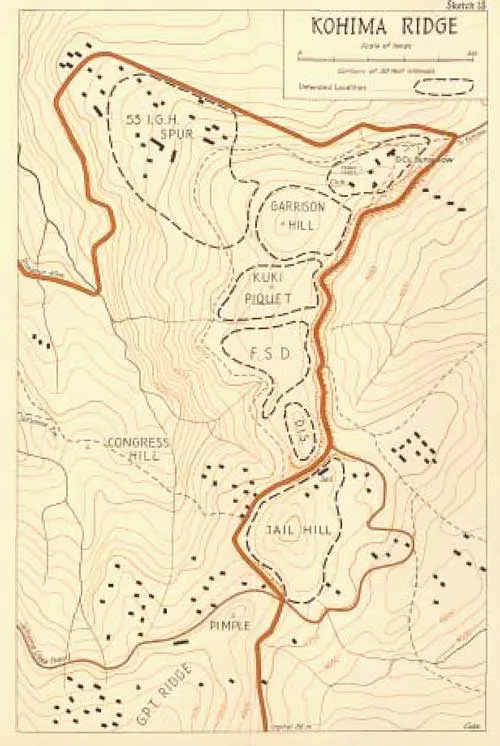
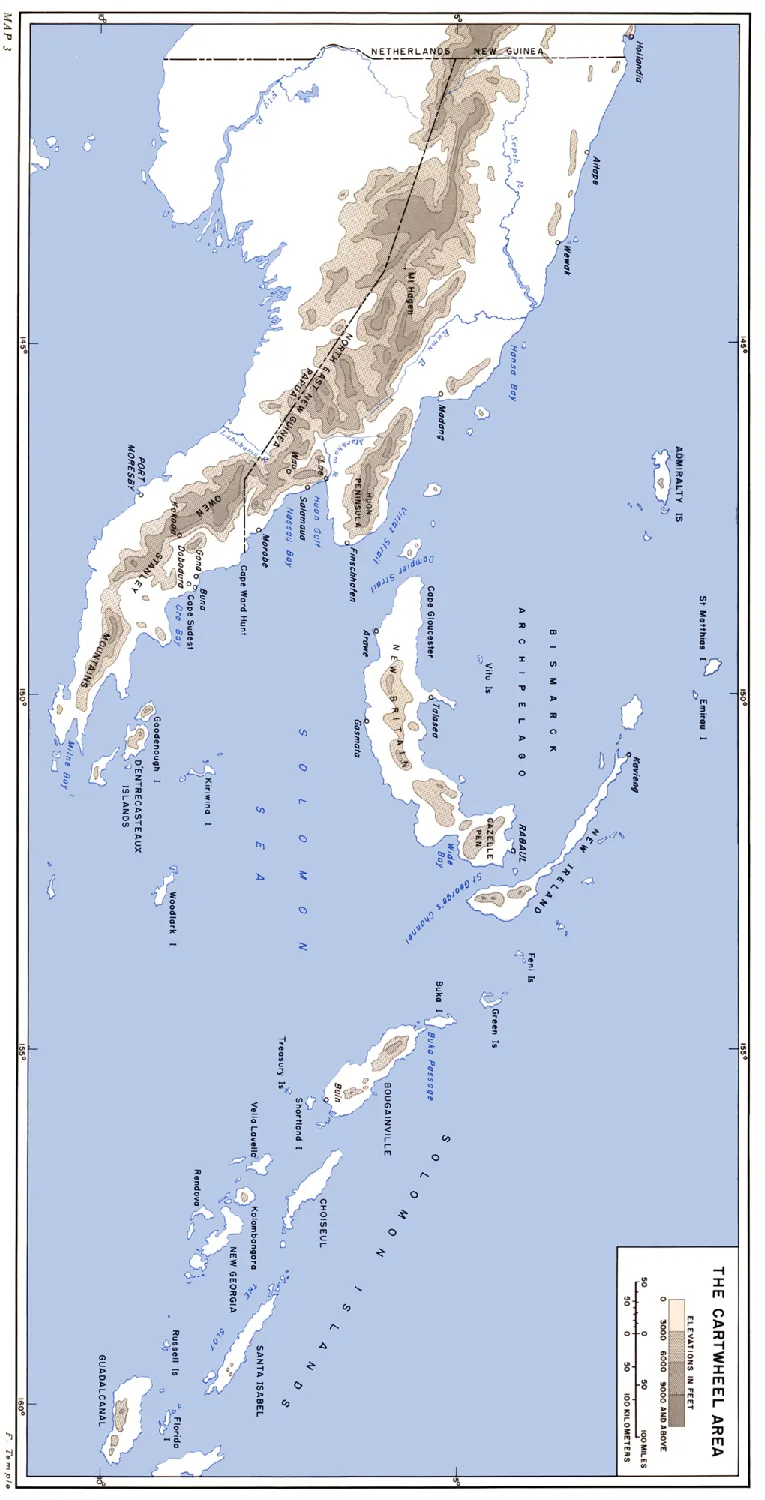



{1} Martin Van Creveld, Command in War, Harvard University Press, Cambridge, Massachusetts, 1985, 25-26.
{2} James J. Schneider, “Vulcan’s Anvil: The American Civil War and the Emergence of Operational Art,” (Monograph, School of Advanced Military Studies, 1991), 3. The author states, “under classical conditions armies concentrated their physical force at a single point like a fulcrum.”
{3} Gunther E. Rothenberg, The Art of Warfare in the Age of Napoleon, Indiana University Press, Bloomington, 1978,46.
{4} David G. Chandler, The Campaigns of Napoleon, Macmillan Publishing Company, New York, 1966, 432.
{5} Ibid., 502. See also, Russell F. Weigley, The Age of Battles: The Quest for Decisive Warfare from Breitenfeld to Waterloo, Indiana University Press, 1991, 398.
{6} Rothenberg, 47.
{7} Ibid., 162.
{8} See Chandler, 179. “At the very base of his [Napoleon’s] thinking lay certain fundamental ideas; among the most important of these was the concept of the offensive battle--based on the all-out attack--which aims to end the war at one blow.”
{9} James J. Schneider, “Theoretical Paper No. 3: The Theory of Operational Art,” (Monograph, School of Advanced Military Studies, 1988), 9.
{10} Robert A. Epstein, “Patterns of Change and Continuity in Nineteenth Century Warfare,” School of Advanced Military Studies, Ft. Leavenworth, 1991, 22-23.
{11} Ibid., 16.
{12} For a discussion of the influence of the industrial revolution on civilization see J. F. C. Fuller, The Conduct of War. 1791-1961, Rutgers University Press, 1968, 77-94.
{13} Schneider, Theoretical Paper No. 3, 9.
{14} Robert M. Epstein, “Patterns of Change and Continuity In Nineteenth Century Warfare,” 10.
{15} See General Sir Archibald Wavell, “Generals and Generalship,” Lecture delivered at Trinity College, Cambridge, US Army Military Institute, Carlisle Barracks, PA, 1941, 44.
{16} See Martin Van Creveld, Technology and War, The Free Press, Collier Macmillan Publishers, London, 1989, 174. See also Creveld’s Command in War, Harvard University Press, Cambridge, Mass. 1985, 271.
{17} Carl von Clausewitz, On War, translated by Michael Howard and Peter Paret, Princeton University Press, 1984, 177.
{18} Schneider, “Vulcan’s Anvil,” 31.
{19} Clausewitz, On War, 244, 260. See also John Gooch, Decisive Campaigns of the Second World War, Frank Cass and Company, London, England, 1990, 2. He states, “the outcome of the Second World War was not determined by any single decisive battle.” See also, Crosbie E. Saint, “A Cinc’s View of Operational Art,” Military Review, Sept 1990, 65-78. He states, “I believe modern warfare has moved past the days of a single, climatic battle into a series of violent pockets of confli...
Table of contents
- Title page
- TABLE OF CONTENTS
- ABSTRACT
- I. Introduction
- II. BACKGROUND
- IIIa. Campaign Analysis: The 1943-1945 Burma Campaign.
- IIIb. The CARTWHEEL Operations 1943-44.
- IIIc. Ridgway in Korea
- IV. Conclusions
- BIBLIOGRAPHY
- MAPS
Trusted by 375,005 students
Access to over 1.5 million titles for a fair monthly price.
Study more efficiently using our study tools.
Frequently asked questions
Yes, you can cancel anytime from the Subscription tab in your account settings on the Perlego website. Your subscription will stay active until the end of your current billing period. Learn how to cancel your subscription
No, books cannot be downloaded as external files, such as PDFs, for use outside of Perlego. However, you can download books within the Perlego app for offline reading on mobile or tablet. Learn how to download books offline
Perlego offers two plans: Essential and Complete
- Essential is ideal for learners and professionals who enjoy exploring a wide range of subjects. Access the Essential Library with 800,000+ trusted titles and best-sellers across business, personal growth, and the humanities. Includes unlimited reading time and Standard Read Aloud voice.
- Complete: Perfect for advanced learners and researchers needing full, unrestricted access. Unlock 1.5M+ books across hundreds of subjects, including academic and specialized titles. The Complete Plan also includes advanced features like Premium Read Aloud and Research Assistant.
We are an online textbook subscription service, where you can get access to an entire online library for less than the price of a single book per month. With over 1.5 million books across 990+ topics, we’ve got you covered! Learn about our mission
Look out for the read-aloud symbol on your next book to see if you can listen to it. The read-aloud tool reads text aloud for you, highlighting the text as it is being read. You can pause it, speed it up and slow it down. Learn more about Read Aloud
Yes! You can use the Perlego app on both iOS and Android devices to read anytime, anywhere — even offline. Perfect for commutes or when you’re on the go.
Please note we cannot support devices running on iOS 13 and Android 7 or earlier. Learn more about using the app
Please note we cannot support devices running on iOS 13 and Android 7 or earlier. Learn more about using the app
Yes, you can access The Operational Commander's Role In Planning And Executing A Successful Campaign by Major Thomas M. Jordan in PDF and/or ePUB format, as well as other popular books in History & Military & Maritime History. We have over 1.5 million books available in our catalogue for you to explore.