- 256 pages
- English
- ePUB (mobile friendly)
- Available on iOS & Android
About this book
New strategies for feedback that supports a culture of learning
The skill set required for observing why students are learning and how teachers influence that is a difficult one to masterāyet it's essential when it comes to driving change and growth in your school. This companion toĀ Feedback to Feed ForwardĀ provides a curated collection of strategies to improve your ability to identify desired outcomes, recognize learning in action, collect relevant and accurate evidence, and develop smart, supportive, and effective feedback about a teacher's impact on learners.
And it's not just leaders, coaches, and administrators who can use this highly accessible how-to. This time around, Tepper and Flynn also address the needs of teachers who double as observers, whether they're mentoring new teachers, supporting each other or analyzing the effectiveness of their own teaching. No matter your role, you'll benefit from their expert guidance, as well as:
Ā·Ā Ā Ā Ā Ā Ā Ā Ā Ā Authentic classroom examples
Ā·Ā Ā Ā Ā Ā Ā Ā Ā Ā Observer think-alouds
Ā·Ā Ā Ā Ā Ā Ā Ā Ā Ā Stories from the field with "Give-It-a-Try" tools and "Stop and Think" questions
Ā·Ā Ā Ā Ā Ā Ā Ā Ā Ā Follow-up steps specific to your roleĀ
When classroom observation and feedback are both learner-centered (focused on students) and learning-focused (focused on teachers as learners), they lead to a culture of learning throughout the school. Take this book as your guide, and explore just how effective your feedback can be.
View a full list ofĀ
Frequently asked questions
- Essential is ideal for learners and professionals who enjoy exploring a wide range of subjects. Access the Essential Library with 800,000+ trusted titles and best-sellers across business, personal growth, and the humanities. Includes unlimited reading time and Standard Read Aloud voice.
- Complete: Perfect for advanced learners and researchers needing full, unrestricted access. Unlock 1.4M+ books across hundreds of subjects, including academic and specialized titles. The Complete Plan also includes advanced features like Premium Read Aloud and Research Assistant.
Please note we cannot support devices running on iOS 13 and Android 7 or earlier. Learn more about using the app.
Information
1 Why Observe for Impact?
āEducation is the kindling of a flame, not the filling of a vessel.āāSocrates
- go beyond summarizing events to providing an analysis of effectiveness,
- allow teachers to accurately and clearly see how they are impacting learners, and
- lead to improved reflection, instructional practices, and student outcomes.
- to what degree learning is occurring during lessons and, most importantly,
- why or how the teacher is impacting observed outcomes.
Building a Culture of Learning
- ā There is a firmly rooted collective belief that everyone has the ability to learn (Hattie & Zierer, 2018)
- ā A growth mindset (Dweck, 2006) permeates the school halls and walls
- ā Staffās perception of their current performance and understanding of their impact is accurate
- ā Staff and student relationships are based on a collaborative approach to learning
- ā Policies and procedures are designed through the lens of supporting systems and structures that ensure learning for all
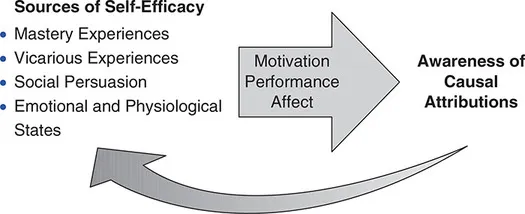
Impacting Self-Belief

- Mastery experiences: Opportunities to engage in actions with success. When we do something well, we continue to build our confidence and capacity.
- Vicarious experiences: Opportunities to witness others engaged in actions who are successful, especially those people we consider similar to ourselves.
- Social persuasion: Opportunities to receive boosts of verbal encouragement about our capacity to succeed.
- Emotional and physiological states: Opportunities to reduce the stress associated with potential failure and to improve physical and emotional states of mind and being.
It is more difficult to instill high beliefs of personal efficacy by social persuasion alone than to undermine it. Unrealistic boosts in efficacy are quickly disconfirmed by disappointing results of oneās efforts. But people who have been persuaded that they lack capabilities tend to avoid challenging activities that cultivate potentialities and give up quickly in the face of difficulties. By constricting activities and undermining motivation, disbelief in oneās capabilities creates its own behavioral validation. Successful efficacy builders do more than convey positive appraisals. In addition to raising peopleās beliefs in their capabilities, they [observers/feedback providers] structure situations for them in ways that bring success and avoid placing people in situations prematurely where they are likely to fail often (Bandura, 1994).
- ā Devote energy and resources toward building the skill set of the observer to ensure high-quality observations are rooted in specific evidence and lead to honest, specific, and practical feedback. Up to this point, we are consistently failing observers by inserting them into a feedback cycle without proper training and ongoing supportāhence the urgency for both Feedback to Feed Forward (2019) and this book.
- ā Recognize and convey to all stakeholders that the consistent execution of high-quality observations and feedback within a cycle will take time to establish and that no shift in culture within a school occurs simply or without challenge.
Impacting Collective Belief
Table of contents
- Cover
- Acknowledgements
- Half Title
- Acknowledgements
- Title Page
- Copyright Page
- Contents
- List of Online Resources
- Feedback to Feed Forward Strategies
- Preface
- Acknowledgments
- About the Authors
- 1 Why Observe for Impact?
- 2 What Do You Need to Understand About Learning?
- 3 How Can You Prepare for Evidence Collection?
- 4 How Can You Adapt Evidence Collection Upon Arrival?
- 5 How Can You Adapt Evidence Collection as a Lesson Unfolds?
- 6 How Do You Cultivate a Culture of Learning?
- Strategies List
- List of Figures
- References
- Index
- Advertisement