This comprehensive book covers all aspects of sheep health and disease, and sheep husbandry throughout the annual breeding cycle. Through extensive and detailed photographs it highlights the disease and welfare issues that can arise within the great variety of breeds and flock types. Written by two veterinary surgeons closely involved in sheep health, this book takes a veterinary view of husbandry and emphasizes the importance of keeping diseases out of a flock. From practical tasks such as how to check teeth, feet and udders, through to vaccination schedules, injection techniques and parasite control, it covers the whole life cycle of your flock. Topics covered include: Routine procedures; Selecting breeding stock; Internal and external parasites; Tupping time; Pregnancy; Lambing ewes; Lameness. An essential guide to all aspects of sheep health, disease and sheep husbandry through the annual breeding cycle. Invaluable reference for anyone who keeps sheep on a small scale, with one or two as pets, to those with a commercial flock. It will be of interest also to agricultural and veterinary students and shepherds working with valuable pedigree flocks. Considers how to tackle common diseases, the potential problems that can arise and the preventative measures that can be taken. Superbly illustrated with 609 extensive and detailed colour photographs. Agnes Winter is a specialist sheep vet and Honarary Professor of the Veterinary School at the University of Liverpool and Clare Phythian is a full-time veterinary surgeon specializing in sheep health and welfare.
- 208 pages
- English
- ePUB (mobile friendly)
- Available on iOS & Android
eBook - ePub
About this book
Trusted by 375,005 students
Access to over 1.5 million titles for a fair monthly price.
Study more efficiently using our study tools.
Information
1 Keeping Your Flock Secure
To some people the title of this first chapter might suggest that it is just concerned with fencing, keeping your sheep in and other people’s out. Of course this is an important part of managing flocks that are kept on enclosed land, but flock security has a much wider meaning, encompassing all the precautions that should be taken to minimize the introduction of costly infectious diseases.
Types of Flock
Flocks can be simplistically classified according to how they are managed, together with the associated disease risks.
Closed purebred flocks: Closed flocks breed their own replacements and have no contact with sheep in other flocks. In most of these flocks there will be the occasional purchase of new rams, and these are the risky animals as far as possible disease introduction is concerned.
Lowland flocks of crossbred ewes: These include Mules, Welsh or Scotch halfbreds, and Greyfaces or other recognized crosses. Unless a hill flock to breed these is in the same ownership, young replacement ewes are likely to be purchased every year, meaning annual opportunities for disease introduction. Terminal sire breed rams (such as Texel, Suffolk and Charollais) are also likely to be purchased annually.
Purebred isolated hill flocks: These graze extensively, but are prevented from mixing with other flocks by fencing or natural geographic features. These flocks may also make occasional purchases of rams, which pose a potential risk.
Hill flocks that graze extensively on land with access by several flocks: These are at risk of picking up disease from each other, and unless there is cooperation from all flock owners involved, it can be extremely difficult to control infectious disease, particularly sheep scab.
Store lamb finishing flocks: In such flocks weaned lambs may be purchased from many sources and mixed together, creating the perfect opportunity for disease spread.
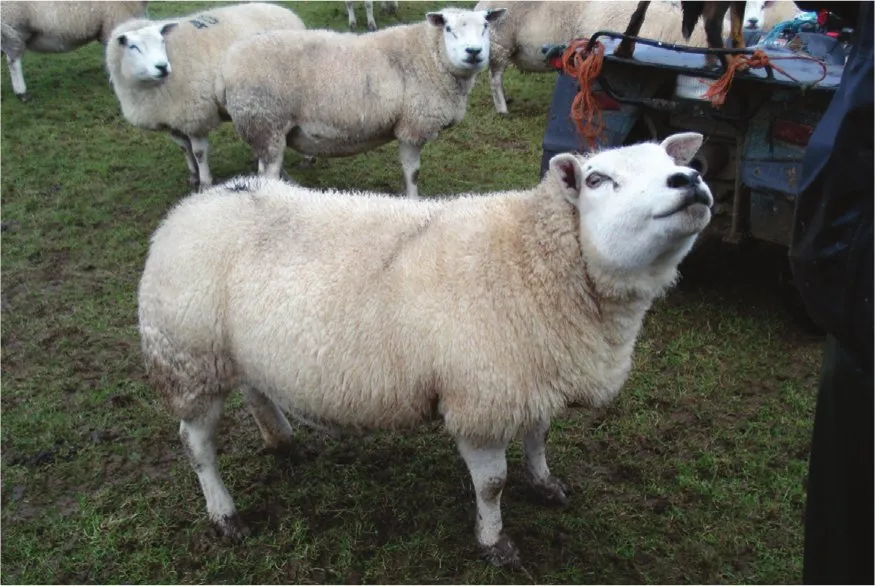
Fig. 2 Closed purebred flocks should be able to achieve high health status, but beware of the risks in bringing in new rams.
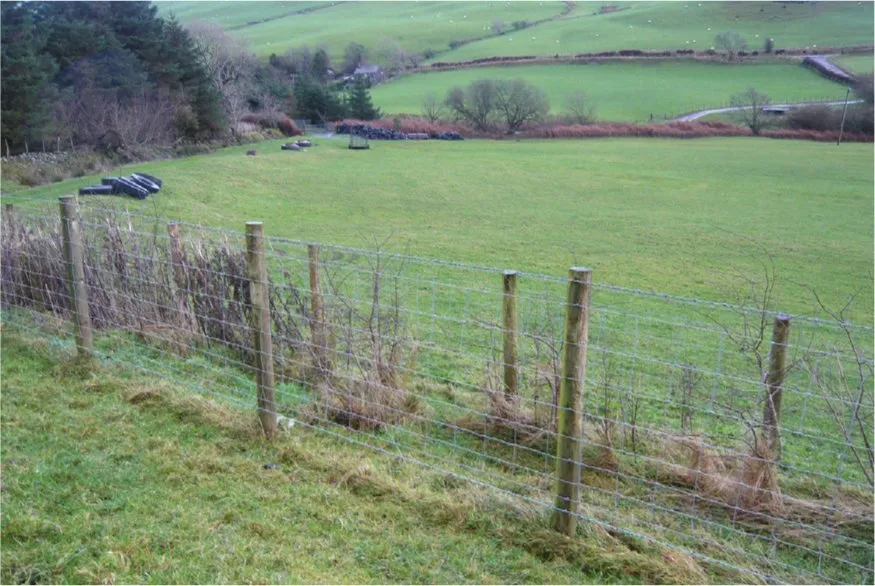
Fig. 3 Double fencing makes sure that a closed flock cannot contact neighbouring animals, and keeps stray sheep out.
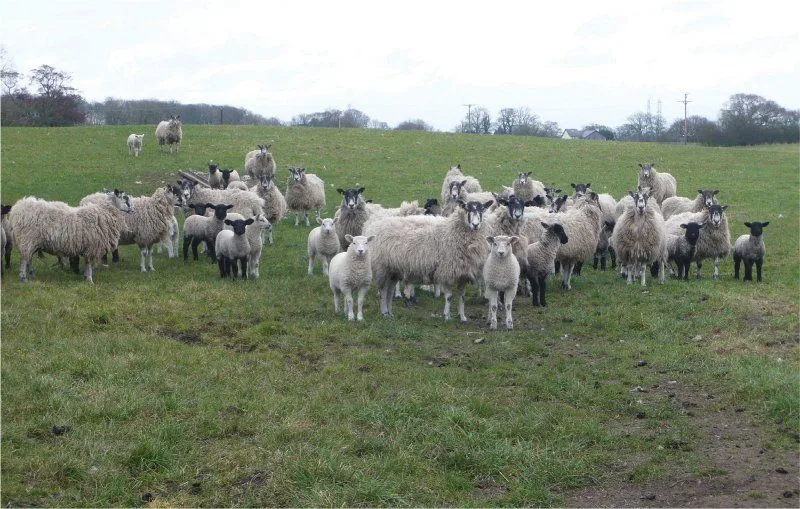
Fig. 4 Mule ewes with their lambs. This type of ewe is bought in from flocks that breed them by crossing hill ewes with Bluefaced Leicester rams.

Fig. 5 A hill flock grazing on fenced land, but do the sheep have contact with others on the mountain beyond?
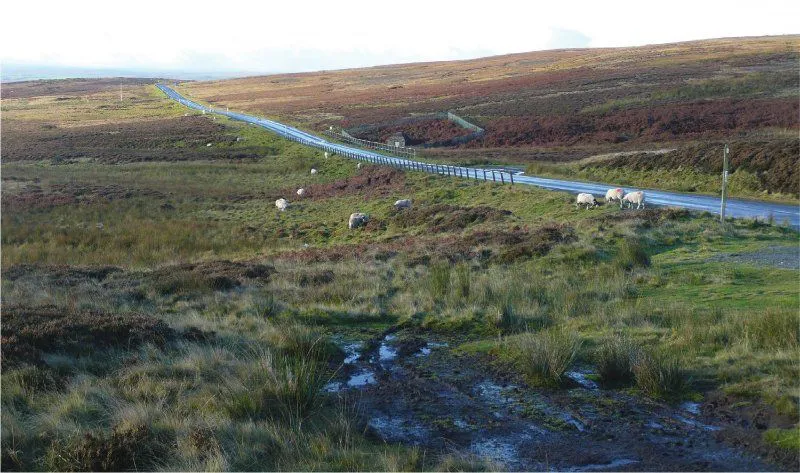
Fig. 6 Where flocks belonging to several owners graze extensively on common land, disease risks are high and it needs cooperation from all involved to control them.
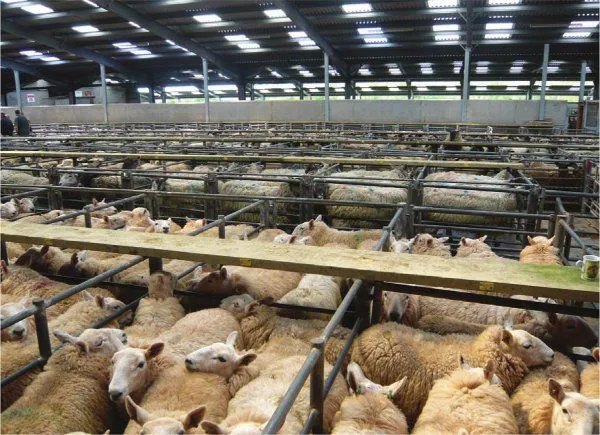
Fig. 7 Markets, where sheep from many different flocks come into contact, form a potential source for disease spread, which is why there are restrictions on movements for several days after purchase.
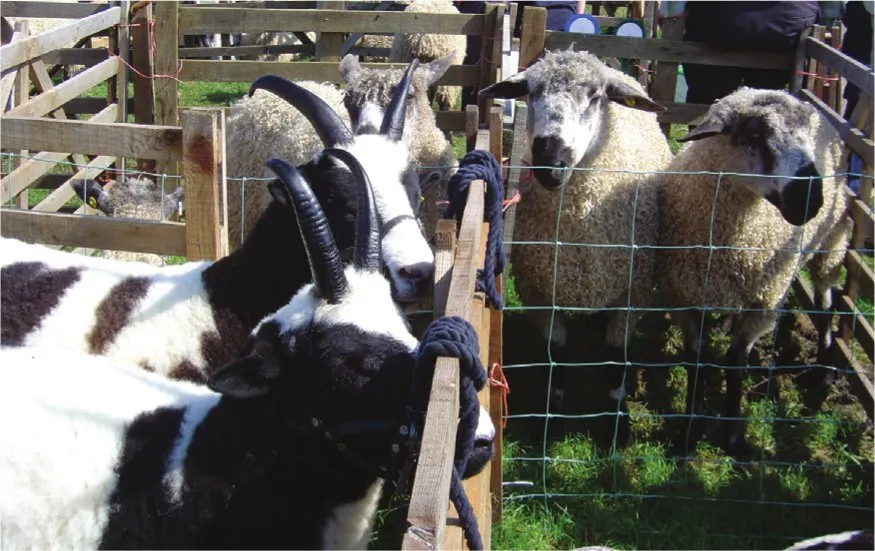
Fig. 8 Showing sheep often allows contact with animals from other flocks so poses potential health risks.
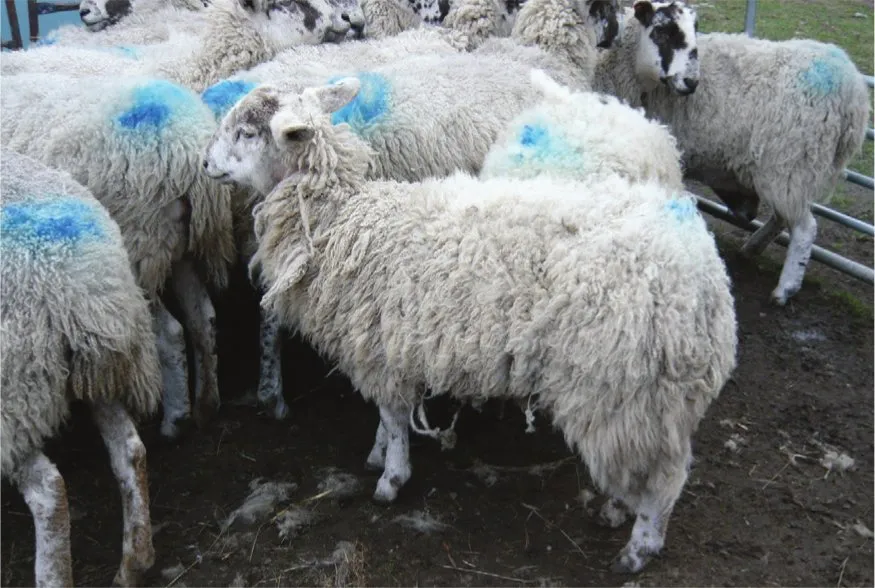
Fig. 9 Sheep scab is one of the most important diseases that can be introduced into a flock via bought-in or stray sheep.

Fig. 10 This ram has a barely noticeable healed scar below the ear indicating it has almost certainly had an abscess as a result of CLA infection. He is likely to have other abscesses elsewhere in his body so could introduce the disease into a previously uninfected flock.
Draft ewe flocks: Draft ewes originate from a variety of sources; they are often purchased through markets, and are probably the most risky of all sheep to introduce into a flock.
Organic flocks: These flocks are run according to organic farming principles, with strict regulations regarding fertilizer and pesticide use. Conventional medicines can be used to treat sick individual animals, but vaccine use is usually based on a known risk of disease on the farm involved.
Milking flocks: Compared with countries such as Spain and Greece, milking flocks make up a very small part of the UK sheep industry. Most milk is made into products such as cheese.
Of course there are many more types of flock than those described above, but the examples serve to show that the more mixing of sheep that occurs, the greater the risk of introducing diseases that can have a serious impact on the welfare and profitability of the flock. There are other opportunities for disease spread, for example:
- showing sheep
- borrowing rams for small hobby flocks
- acquiring spare lambs from another flock for ewes that have lost their own lambs
- straying sheep are put with a nearby group of sheep through an unlocked gate by well meaning passersby.
Two real examples will serve to highlight the possible consequences. In one flock of 500 ewes, two new rams were purchased...
Table of contents
- Cover
- Title Page
- Copyright
- Contents
- List of Abbreviations
- Introduction
- 1 Keeping Your Flock Secure
- 2 Routine Procedures
- 3 Selecting Breeding Stock
- 4 Vaccination Schedules
- 5 Feeding Sheep
- 6 Thin Adult Sheep
- 7 Internal and External Parasites
- 8 Tupping Time
- 9 Pregnancy
- 10 Lambing Ewes
- 11 Newborn Lambs to Two Weeks Old
- 12 Lactating Ewes and Growing Lambs to Weaning
- 13 Store, Fattening and Replacement Lambs
- 14 Lameness
- 15 Notifiable Diseases, Other Important Diseases and Problems
- 16 Old, Sick, Injured and Dead Sheep and Lambs
- Further Information
- Index
Frequently asked questions
Yes, you can cancel anytime from the Subscription tab in your account settings on the Perlego website. Your subscription will stay active until the end of your current billing period. Learn how to cancel your subscription
No, books cannot be downloaded as external files, such as PDFs, for use outside of Perlego. However, you can download books within the Perlego app for offline reading on mobile or tablet. Learn how to download books offline
Perlego offers two plans: Essential and Complete
- Essential is ideal for learners and professionals who enjoy exploring a wide range of subjects. Access the Essential Library with 800,000+ trusted titles and best-sellers across business, personal growth, and the humanities. Includes unlimited reading time and Standard Read Aloud voice.
- Complete: Perfect for advanced learners and researchers needing full, unrestricted access. Unlock 1.5M+ books across hundreds of subjects, including academic and specialized titles. The Complete Plan also includes advanced features like Premium Read Aloud and Research Assistant.
We are an online textbook subscription service, where you can get access to an entire online library for less than the price of a single book per month. With over 1.5 million books across 990+ topics, we’ve got you covered! Learn about our mission
Look out for the read-aloud symbol on your next book to see if you can listen to it. The read-aloud tool reads text aloud for you, highlighting the text as it is being read. You can pause it, speed it up and slow it down. Learn more about Read Aloud
Yes! You can use the Perlego app on both iOS and Android devices to read anytime, anywhere — even offline. Perfect for commutes or when you’re on the go.
Please note we cannot support devices running on iOS 13 and Android 7 or earlier. Learn more about using the app
Please note we cannot support devices running on iOS 13 and Android 7 or earlier. Learn more about using the app
Yes, you can access Sheep Health, Husbandry and Disease by Agnes C Winter,Clare Phythian in PDF and/or ePUB format, as well as other popular books in Technology & Engineering & Agronomy. We have over 1.5 million books available in our catalogue for you to explore.