MGF and TF Restoration Manual provides the MGF or TF owner with a complete workshop guide to mechanical and body restoration for the cars. With the MGF in production between 1995 and 2001, and the MG TF until 2011, many of the cars have survived in a structurally and mechanically sound state, without the huge costs and complications of needing a complete body restoration that is so often the case with pre-1980 MGs.Topics covered include: Model overview and parts supply; Workshop safety information; Bodywork [external and subframes]; Trim [including hood problems and replacement]; All mechanical components [including head gasket replacement]; Electrical systems [including security systems]; Modification [cosmetic, mechanical and engine]. An essential and practical workshop guide for all owners of these attractive sports cars.Gives instructions on minor repair and maintenance procedures and covers a full engine strip and rebuild.Covers workshop safety information, bodywork, trim, all mechanical components and much, much more.Features a number of different project cars.Superbly illustrated with approximately 1000 colour step-by-step photographs.Roger Parker is an acknowledged MGF and TS expert with years of restoration experience.
- 304 pages
- English
- ePUB (mobile friendly)
- Available on iOS & Android
eBook - ePub
MGF and TF Restoration Manual
About this book
Trusted by 375,005 students
Access to over 1.5 million titles for a fair monthly price.
Study more efficiently using our study tools.
Information
1
introduction
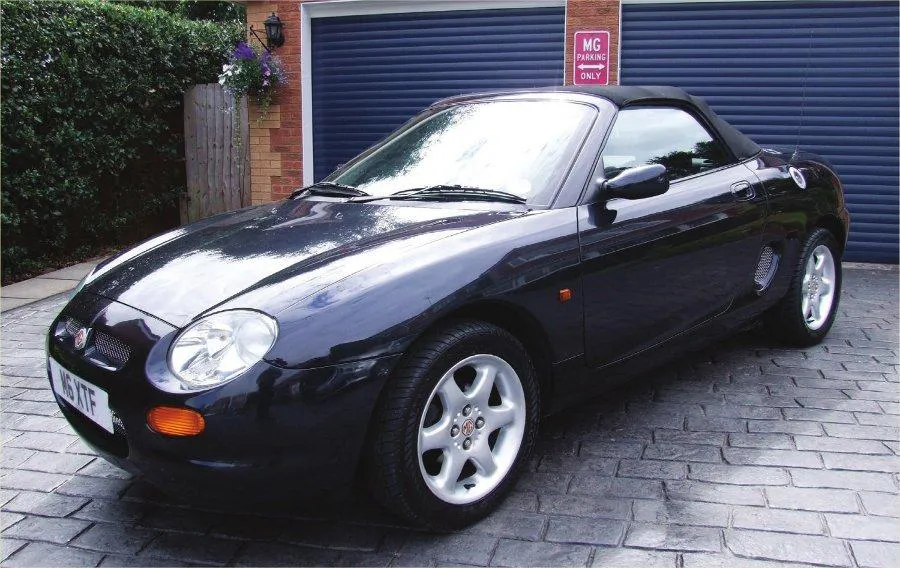
Fig. 1.1 Early Mk 1 MGF 1.8i (MPi) suffering from a holed piston.
What is it that attracts people to the MGF and MG TF and drives many to buy them, when over the years there has been so much ‘Rover and MG bashing’ by the press? Some of this has been related to self-inflicted injuries to the cars’ reputations that mainly revolve around engine reliability, or the lack of it, associated with head gasket failures.
I suggest that this is because the cars project an image of simple fun and enjoyment from driving that you just can’t get from a modern tin-top car. It starts with easy recognition of the car’s shape and even in silhouette it stands out from the crowd. It doesn’t pretend to be anything other than what it is – a two-seat open-top sporting car – and this format has always been associated with fun with a capital F. Other modern saloon/hatch cars may deliver stunning performance with four-wheel drive and aggressive appendages to differentiate them from their mundane siblings, but they still lack individual character.
The MG character includes both positive and negative attributes. Some of the low points are occasionally deep, but without these how would you appreciate the highs? I believe this is why the MGF and MG TF was the UK’s top selling two-seat sports car for each of the years it was in full production, up to and including 2004. Some will hate the prospect of lows causing inconvenience and expense, but equally the phrase ‘boringly reliable’ tells its own story on how owners often become dissatisfied with this type of car. Indeed I have had conversations with owners who have migrated from Japanese and German makes because of that lack of character. From the MG perspective what would be ideal is something that takes away some of the negative aspects while retaining the positives, or even improving them. Within this book I intend to illustrate how this can be achieved.
It may seem strange to be looking at a book that covers restoration of the MGF and MG TF, the latter especially as it was in production until 2011. The earliest TFs are now ten years old, while the oldest MGFs are nearly out of their teens, well past the time when many saloon cars are being recycled. One aspect that usually leads to a car being recycled is when repair costs are weighed against the car’s value. The low prices these cars currently command, something that the MG Rover collapse has much to do with, doesn’t mean that the cars are intrinsically bad, just that some owners are not prepared to pay and prefer to change. In many cases the faults may not be that deep and so ‘repair and restoration’ can end up costing somewhat less than the costs of buying a competitor that doesn’t currently need any work: it just needs a little forward vision.
The MGF was in production between 1995 and the end of 2001, and as such is of an age when many examples will have a mechanical condition commensurate with their age and six-figure mileages. To the immense credit of the designers, many cars have survived in a structurally and mechanically sound state. This offers the prospect of MG sports car ownership without the huge costs and complications of needing a complete body restoration, as is so often the expected situation with the pre-1980 MGs.
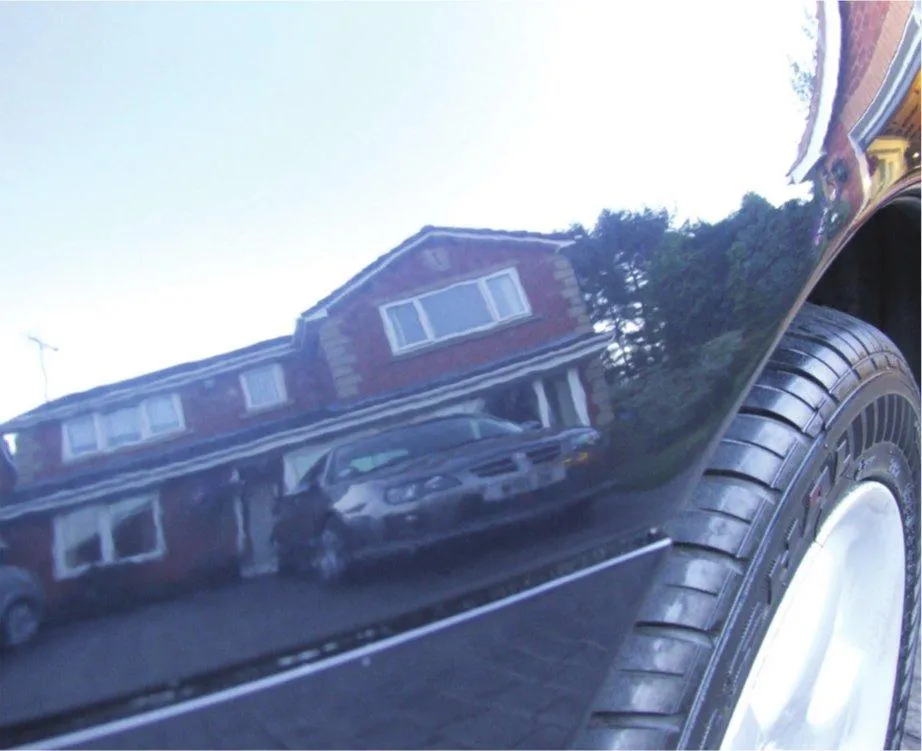
Fig. 1.2 The body cosmetics, though, are good, as seen from the reflection in this wing.
There are still quite a number of early cars with one or two owners from new, with very low mileages. When these come on the market, for whatever reason, owners can expect to receive relatively little from even well above average cars, so the purchaser will get even more car for their money. Interestingly, one factor driving many of these cars onto the market is a sudden, more serious mechanical issue, usually a head gasket failure, where professional rectification costs are so high they often exceed the value of the car.
This allows the mechanically adept buyer to buy cheaply: between £500 and £600 is common. (I bought a very clean 1998 VVC MOT failure in 2011 for £350, for example; doing the necessary repairs with my son Matt will cost about the same again.) This is the sort of route I would see many benefiting from by spending relatively little but putting in plenty of time and energy in repairs, and ending up with a car that sits well with others costing four times as much.
One problem with a book covering ‘restoration’ is that the focus may well be perceived as returning the car to a near-showroom condition. Such an exercise will always be costly in both money and effort. There will be some aspects that lean that way, but I am very aware that a car bought for less than one or two thousand pounds may not be meant as one to own for the next ten or twenty years. Economical repairs, however, can offer you enjoyment for several years in the knowledge that in the end you will have gained good value for money.
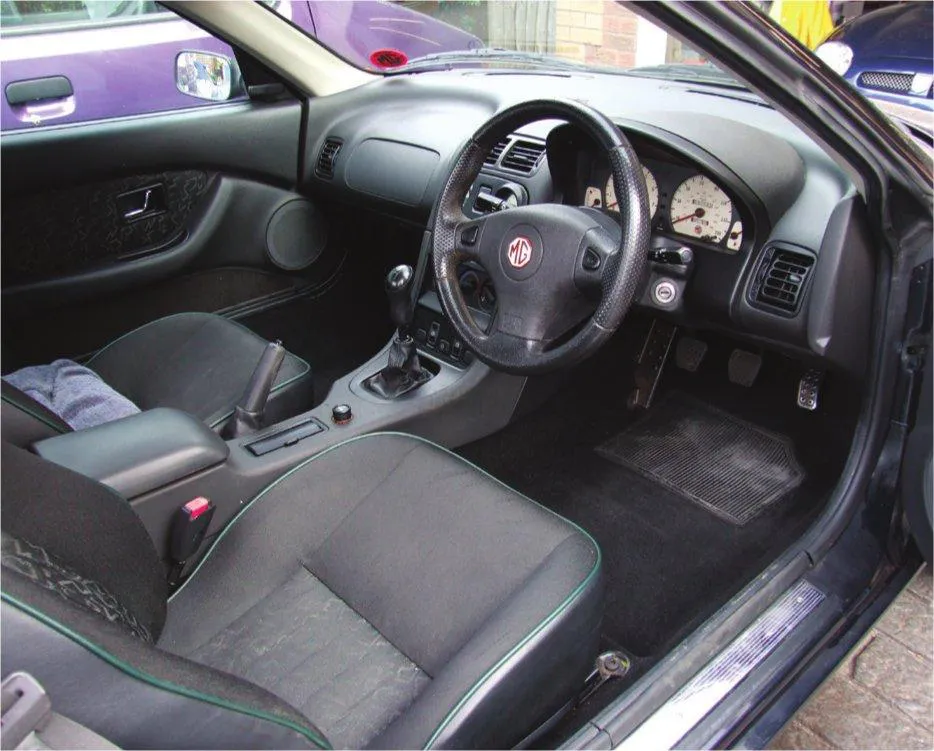
Fig. 1.3 The interior is very clean and the telltale driver’s seat is in good order.
A long-standing problem that affects most cars, irrespective of make, is that while their values plummet as they age, the costs of spares and repair labour doesn’t drop, and often increases. Parts and repairs start to take on a much higher proportion of the car’s value and this becomes a big disincentive for owners to keep on with original parts and dealers. For these reasons I will divert from the ‘return to showroom condition’ approach and suggest cheaper alternative routes to solving a problem.
From having seen how cheaply MGFs can be bought, with the TF not far behind, it has to be said that these are cars with great potential. As a bonus you get something out of the ordinary and end up with an economic, effective, reliable – yes, reliable – modern MG sports car that will give a great deal of enjoyment. Do you now feel more inclined to put a toe in the MG water?
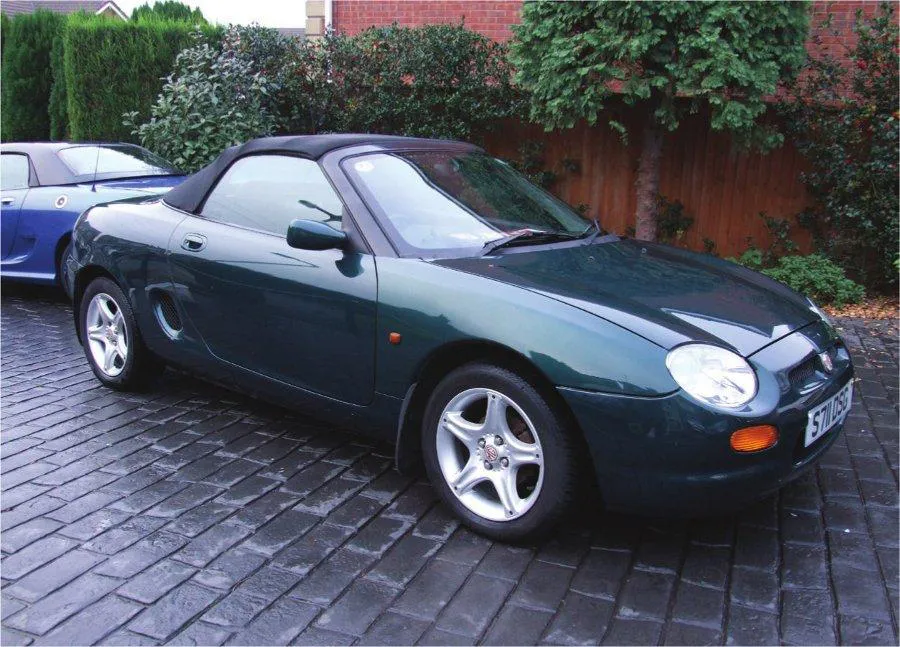
Fig. 1.4 A 1998 MGF bought in 2011 for £350 that needed very little work for its MOT.
Finding a suitable donor car is really quite simple as a steady stream of cheap cars is always to be seen on eBay, in Autotrader and adverts in local papers, MG magazines and MG Clubs within the UK. Finding one of those low-mileage, one-owner cars in need of the type of work I described previously is just a case of sitting back and monitoring the sales as they do come along reasonably regularly. Many others, however, may have already spotted these opportunities to make a little money, so prompt action is required to snap up any cars appearing.

Figs. 1.5 and 1.6 Both front and rear wings show edge rusting caused by living near the sea.
This also illustrates a need to be able to assess a car accurately. Research using buying guides, the MG Clubs and the Internet is valuable, but most important of all is to gain actual handson familiarization by seeing as many cars as you can while keeping your wallet locked away. Once you have seen five or six cars you will have gained a much better appreciation of the model and what the market is currently offering, and by reading this book you will have some knowledge about many of the areas in which you will probably have to do some work. Note in particular that there is no specific buyer’s guide section; the whole book is a buyer’s guide as it covers all and more than any ‘buying guide’ will give you.
I have to balance the rose-tinted spectacles approach, though, by saying that there are some real ‘dogs’ on the market. This reinforces the need for preparation and gaining knowledge before the wallet is released. If the first car you see is a really good one, and it has sold by the time you have seen enough to know that it was a good one, never fear – others equally good will come along in the not too distant future.
Those not comfortable with their abilities to select a car may not perhaps be best placed to consider taking on a car needing much work. Where a potential purchaser wishes to have some support, try to take an informed friend along to the viewing to act as a first-level ‘filter’. If the car passes this filter then consider having the car professionally examined by one of the usual suppliers of these services, or seek the advice of an MG specialist to provide that assessment. If you are worried about the car being sold before the examination, offer a holding deposit and enter into an agreement with the seller that the sale is subject to the result of a professional examination. Sellers confident in their cars will usually agree to this.
Finding an MG specialist within reach of the car’s location can be made easier by using the ‘Pre-purchase inspection system’ offered by the MG Owners Club (www.mgownersclub.co.uk). The Club Members’ Recommended Suppliers list, which is updated annually via feedback from a questionnaire, names MG specialists who offer pre-purchase inspections at variable cost, set by the individual specialist. MGF and TF specialists are not yet as common as classic MG specialists, but it is encouraging to report that many classic MG specialists are starting to offer services to the MGF and TF owner too.
PARTS SUPPLY
One of the pressures on residual values created by the collapse of MG Rover has been a widely held belief that spares support for the cars has collapsed as well. This is far from the truth, however, since the MG parts company responsible for the supply of spares, XPart, was sold well over a year before the collaps...
Table of contents
- Cover
- Title Page
- Copyright
- contents
- 1: introduction
- 2: body structure and external panels
- 3: trim
- 4: mechanical
- 5: MGF and TF electrical systems
- 6: personalization and modification
- appendix I – specifications
- appendix II – service check sheets
- index
- Advertisement
Frequently asked questions
Yes, you can cancel anytime from the Subscription tab in your account settings on the Perlego website. Your subscription will stay active until the end of your current billing period. Learn how to cancel your subscription
No, books cannot be downloaded as external files, such as PDFs, for use outside of Perlego. However, you can download books within the Perlego app for offline reading on mobile or tablet. Learn how to download books offline
Perlego offers two plans: Essential and Complete
- Essential is ideal for learners and professionals who enjoy exploring a wide range of subjects. Access the Essential Library with 800,000+ trusted titles and best-sellers across business, personal growth, and the humanities. Includes unlimited reading time and Standard Read Aloud voice.
- Complete: Perfect for advanced learners and researchers needing full, unrestricted access. Unlock 1.5M+ books across hundreds of subjects, including academic and specialized titles. The Complete Plan also includes advanced features like Premium Read Aloud and Research Assistant.
We are an online textbook subscription service, where you can get access to an entire online library for less than the price of a single book per month. With over 1.5 million books across 990+ topics, we’ve got you covered! Learn about our mission
Look out for the read-aloud symbol on your next book to see if you can listen to it. The read-aloud tool reads text aloud for you, highlighting the text as it is being read. You can pause it, speed it up and slow it down. Learn more about Read Aloud
Yes! You can use the Perlego app on both iOS and Android devices to read anytime, anywhere — even offline. Perfect for commutes or when you’re on the go.
Please note we cannot support devices running on iOS 13 and Android 7 or earlier. Learn more about using the app
Please note we cannot support devices running on iOS 13 and Android 7 or earlier. Learn more about using the app
Yes, you can access MGF and TF Restoration Manual by Roger Parker in PDF and/or ePUB format, as well as other popular books in Technology & Engineering & Automotive Transportation & Engineering. We have over 1.5 million books available in our catalogue for you to explore.