- 192 pages
- English
- ePUB (mobile friendly)
- Available on iOS & Android
eBook - ePub
About this book
Eddie Straiton is the world's outstanding communicator of veterinary procedures and animal care. He earned the title 'TV Vet' from the long series of television programmes in which he brilliantly demonstrated animal husbandry to a wide audience. Following on from his television experience, Eddie became a prolific author, and more than half a million copies of his books have been sold around the world. Now in its seventh edition, Sheep Ailments, Recognition and Treatment covers all the essential information that a flock owner, shepherd or student needs to know, featuring a concise, clear text based around a large number of specially-commissioned photographs.
Frequently asked questions
Yes, you can cancel anytime from the Subscription tab in your account settings on the Perlego website. Your subscription will stay active until the end of your current billing period. Learn how to cancel your subscription.
At the moment all of our mobile-responsive ePub books are available to download via the app. Most of our PDFs are also available to download and we're working on making the final remaining ones downloadable now. Learn more here.
Perlego offers two plans: Essential and Complete
- Essential is ideal for learners and professionals who enjoy exploring a wide range of subjects. Access the Essential Library with 800,000+ trusted titles and best-sellers across business, personal growth, and the humanities. Includes unlimited reading time and Standard Read Aloud voice.
- Complete: Perfect for advanced learners and researchers needing full, unrestricted access. Unlock 1.4M+ books across hundreds of subjects, including academic and specialized titles. The Complete Plan also includes advanced features like Premium Read Aloud and Research Assistant.
We are an online textbook subscription service, where you can get access to an entire online library for less than the price of a single book per month. With over 1 million books across 1000+ topics, we’ve got you covered! Learn more here.
Look out for the read-aloud symbol on your next book to see if you can listen to it. The read-aloud tool reads text aloud for you, highlighting the text as it is being read. You can pause it, speed it up and slow it down. Learn more here.
Yes! You can use the Perlego app on both iOS or Android devices to read anytime, anywhere — even offline. Perfect for commutes or when you’re on the go.
Please note we cannot support devices running on iOS 13 and Android 7 or earlier. Learn more about using the app.
Yes, you can access Sheep Ailments by Eddie Straiton in PDF and/or ePUB format, as well as other popular books in Technology & Engineering & Agronomy. We have over one million books available in our catalogue for you to explore.
Information
Obstetrics
36 How Long Should Ewes be Kept?
Some time ago I asked a farming friend of mine – one of the most successful sheep farmers I know – how long he kept his ewes. He replied, ‘Until they have been dead at least three days.’ This laconic retort, to my mind, sums up the commonsense approach to successful sheep farming.

1
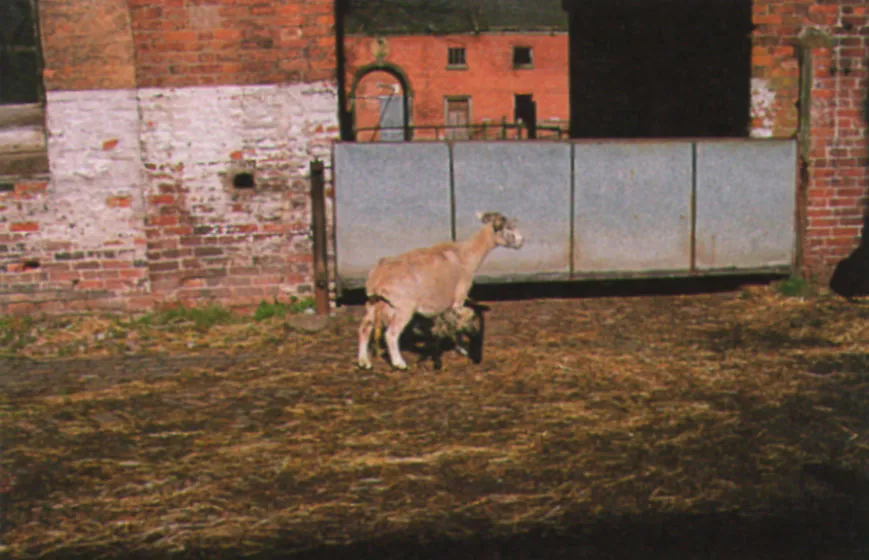
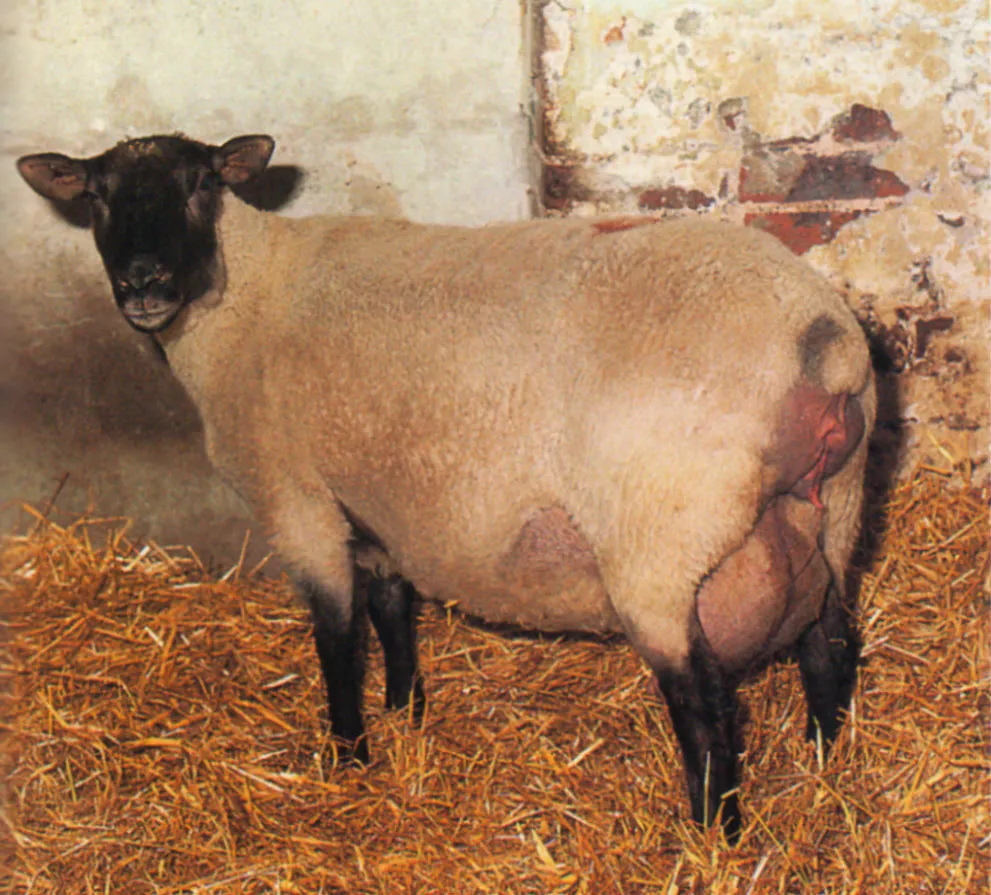
Provided the udder is sound and there has been no prolapse problems at the previous lambing, it is wise to keep the ewes as long as possible and that can mean many years. The ewe shown in photo 1 was 27 years old. She had had a crop of lambs every year for 24 years and her breeding career only came to an end when she required a Caesarean section.
The advantages of keeping these old ewes are obvious. Apart from the low capital outlay, the ewes acquire a powerful resistance against all the diseases encountered on that farm. For the same reason one should always breed one’s own replacements.
Bought-in sheep have little or no resistance to the resident local bugs and will take several years to settle down. This fact has been illustrated again and again during restocking.
37 Natural Lambing
It is easier to kill a ewe by lambing her prematurely or roughly than by shooting her with a humane killer. If you want to keep lambing losses to a minimum, the first basic fact to remember is that it always pays to give nature a chance.
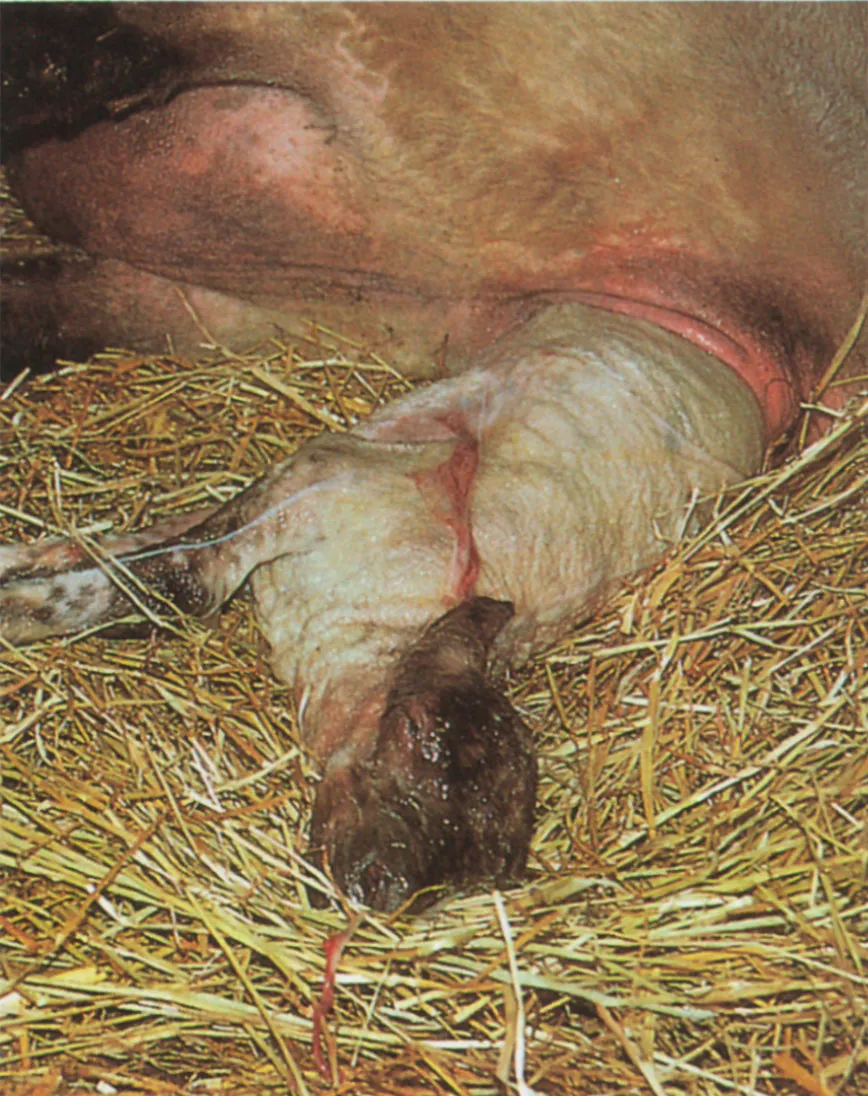
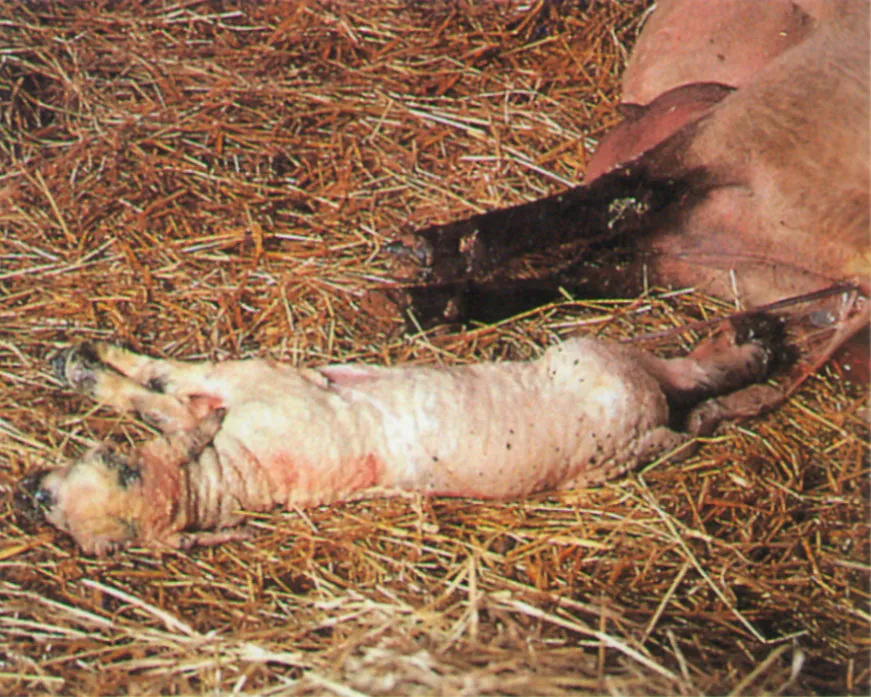
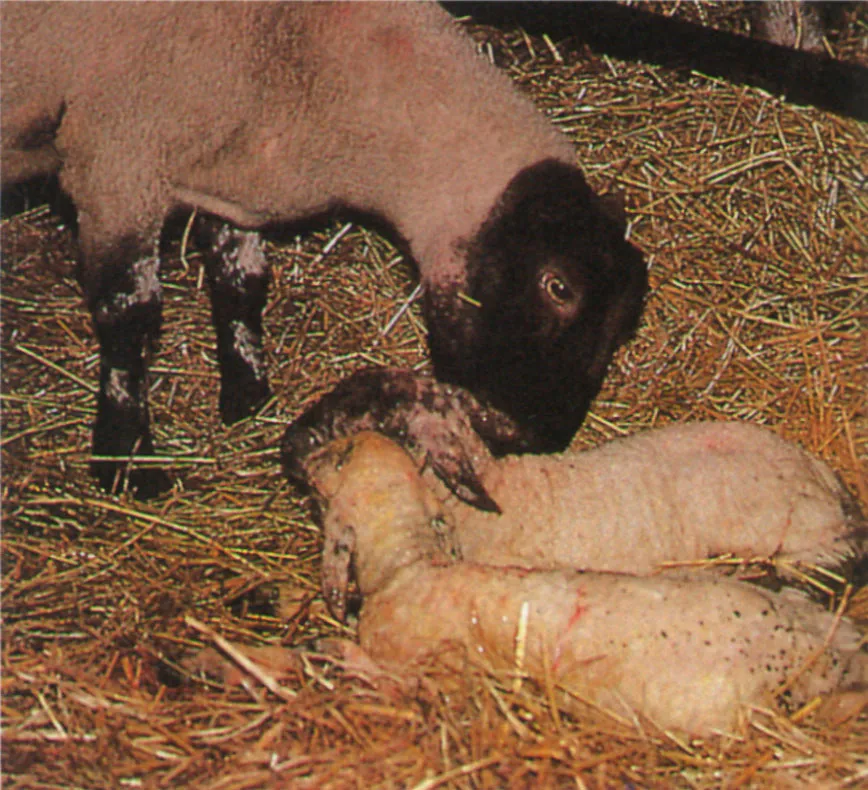
Most ewes will lamb by themselves with no trouble whatsoever, as shown in the sequence of photographs that follows.

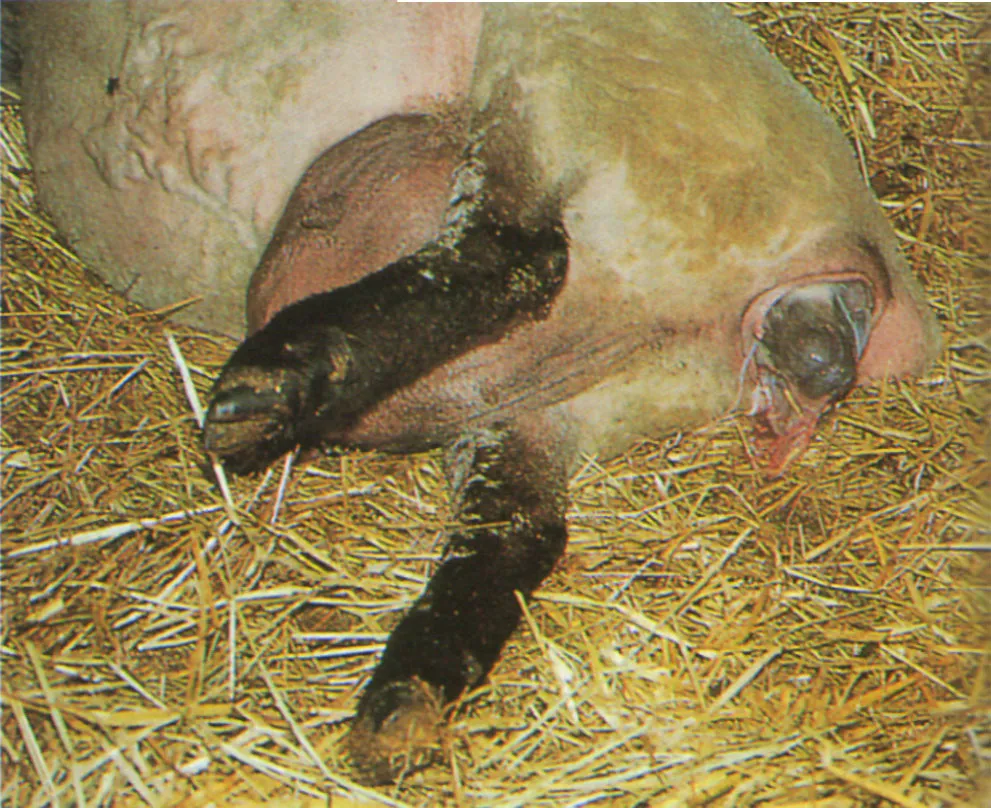
Appearance of the water bag. The lamb may or may not show.

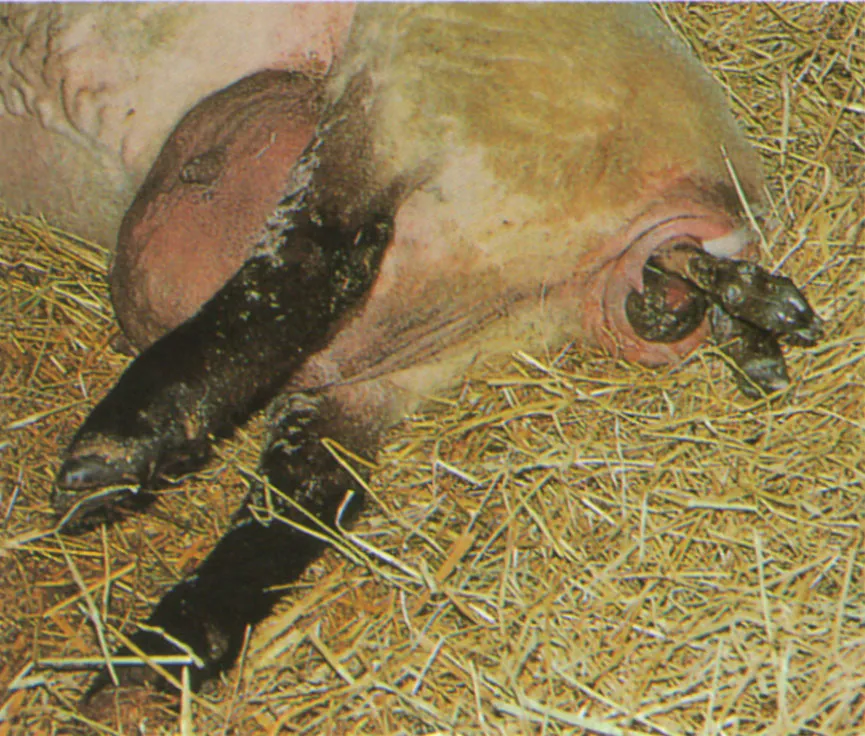
Early signs. If the feet and head are presented, do not interfere.

Rapid natural progress.

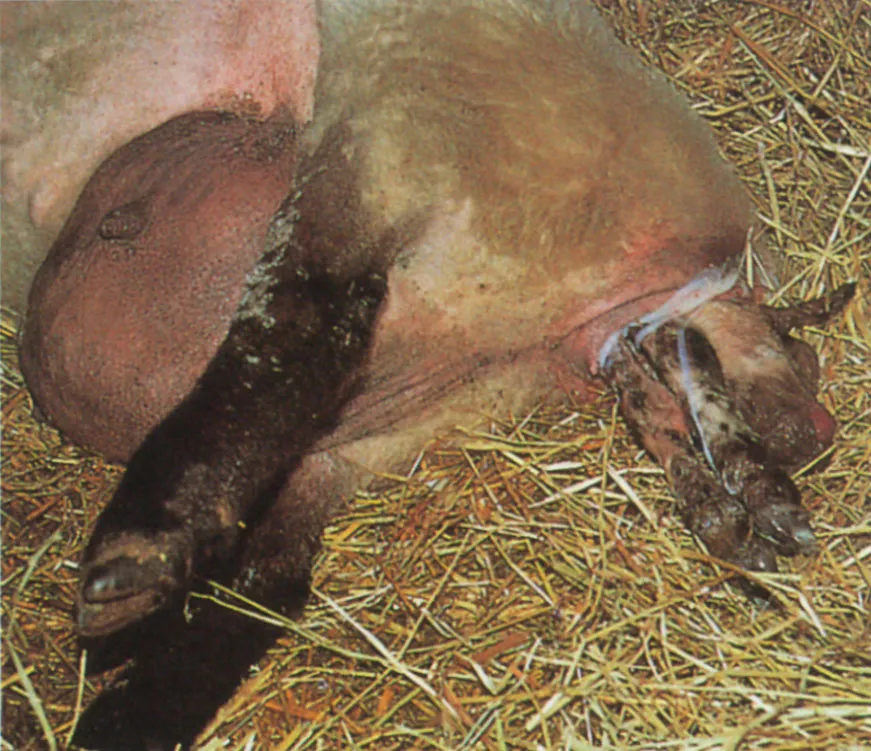
Head out and shoulders through the ewe’s pelvis.

Three-quarters of the way.

Nearly out.

The final push. A healthy live lamb.

If the ewe remains prostrate, she’s most likely having a second lamb. It is still wise to leave well alone.

The second lamb well on the way.

Birth of the second lamb.

The happy and healthy ending.
It is wrong to pull a lamb away quickly even when it is straight, because the sudden change in temperature and atmospheric pressure will often kill it. Every experienced shepherd has seen this happen: an apparently normal lamb is pulled away quickly – it takes one gasp and dies. Such death is due to shock.
This is a simple but nonetheless tremendously important point well worth bearing in mind. When the lamb is straight, never interfere unless the ewe ceases to make progress.
38 A Guide to Good Lambing

1
The percentage of malpresentations in the 2 ewe is comparatively small. In any case it is quite safe to leave a ewe in labour for at least 4 hours before examination (photo 1).
Apart from patience there are four golden rules at lambing time:
1. Cleanliness.
2. Getting the ewe into the correct position.
3. Lubrication.

2
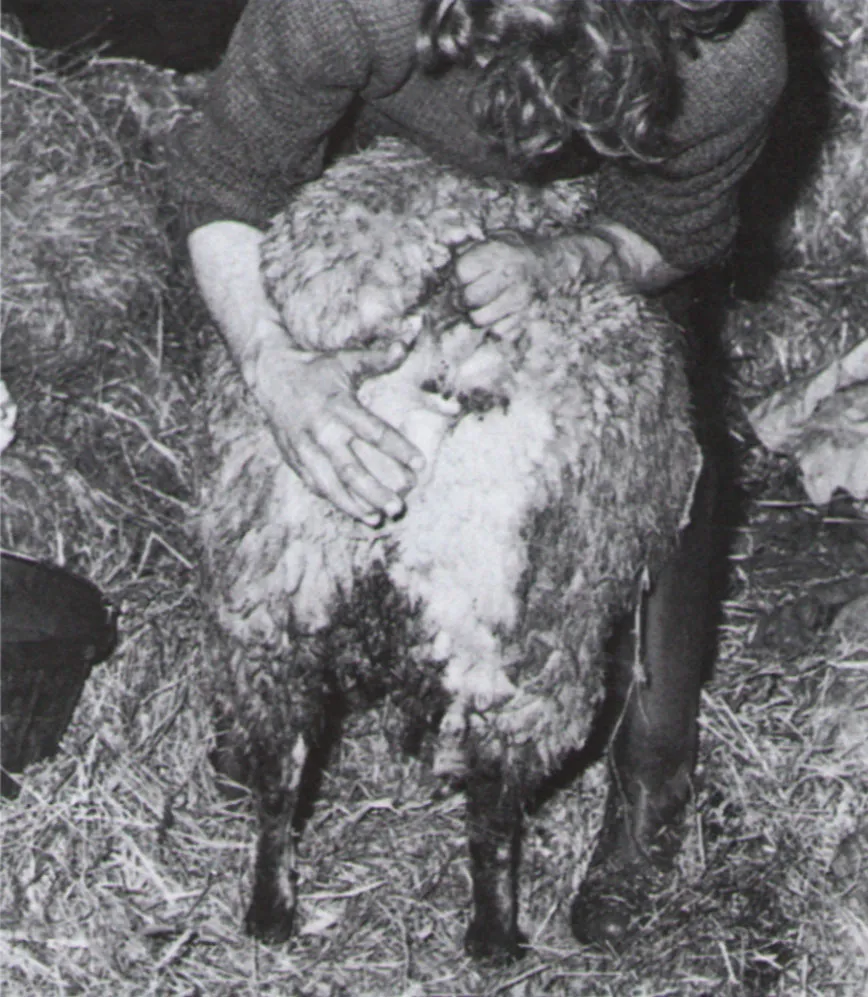
4. Careful manipulation (photo 2).
Cleanliness

3
I know cleanliness in the field is not always easy, but I believe that, wherever possible, no examination should be attempted in the field. The suspect ewe should be loaded up and taken to the farm building (photo 3).
Transport is so easy on most farms that it’s ridiculous to attempt interference outside. At the building, the patient should be taken out, and prepared for examination on a clean bed of straw. And, of course, it is preferable and much more comfortable if the examination can be done under a roof.

4

5
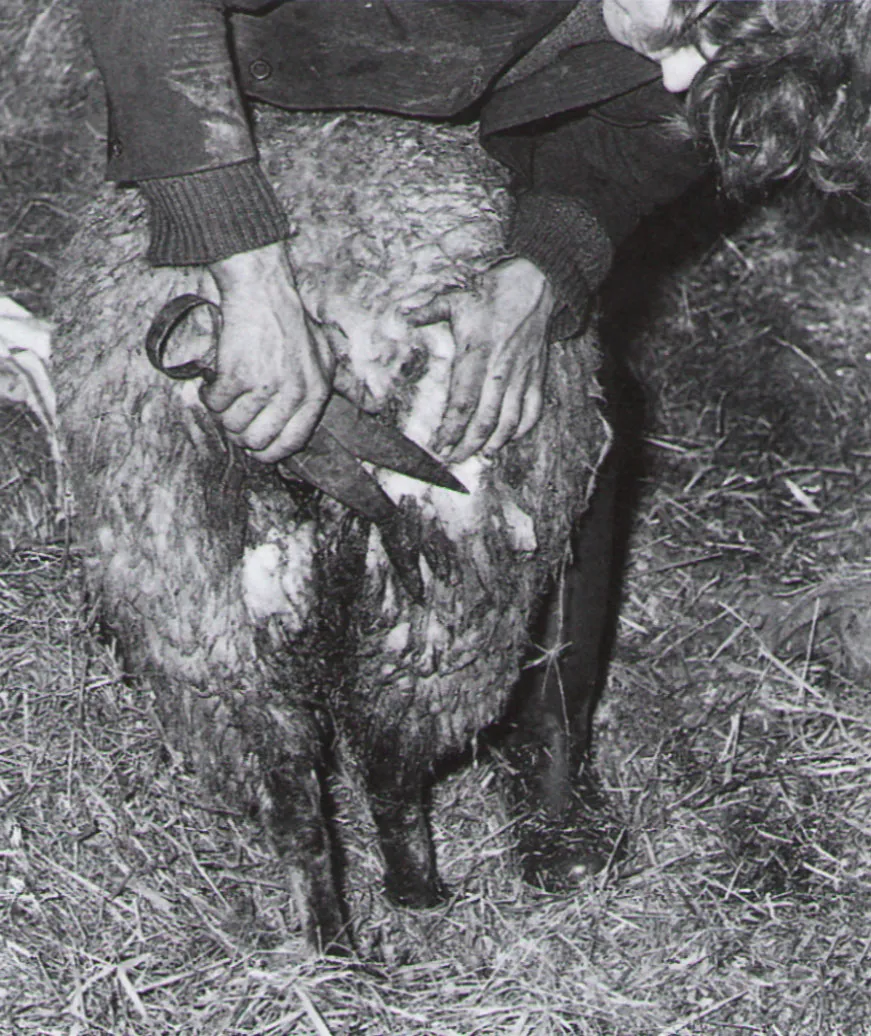
All the wool and dirt should be clipped from around the vulva (photo 4). This is a very useful hint, bec...
Table of contents
- Cover Page
- Title Page
- Copyright Page
- Contents
- Preface
- Acknowledgements
- Foreword
- General Commonsense Advice
- METABOLIC DISEASES
- CLOSTRIDIAL DISEASES
- DISEASES OF TICK AREAS
- ADDITIONAL DISEASES OF LAMBS
- INTERNAL PARASITES
- FOOT CONDITIONS
- INFERTILITY AND ABORTION
- OBSTETRICS
- GENERAL SHEEP DISEASES
- HEALTH AND MANAGEMENT
- Index