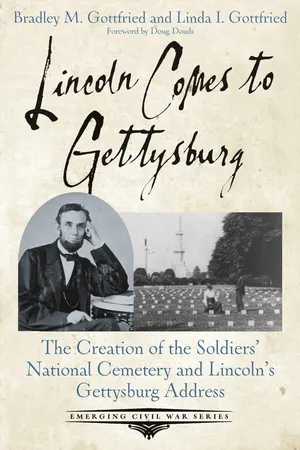
Lincoln Comes to Gettysburg
The Creation of the Soldiers' National Cemetery and Lincoln's Gettysburg Address
- 192 pages
- English
- ePUB (mobile friendly)
- Available on iOS & Android
Lincoln Comes to Gettysburg
The Creation of the Soldiers' National Cemetery and Lincoln's Gettysburg Address
About this book
Almost 8, 000 dead dotted the fields of Gettysburg after the guns grew silent. The Confederate dead were hastily buried, but what of the Union dead? Several men hatched the idea of a new cemetery to bury and honor the Union soldiers just south of town. Their task was difficult to say the least. First, appropriate land needed to be identified and purchased. After the State of Pennsylvania purchased the 17 acres, a renowned landscape architect designed the layout of the cemetery. All was now ready for the bodies to be interred from their uneasy resting places around the battlefield, placed in coffins, marked with their names and units, and transported to the new cemetery to be permanently reinterred. More than 3, 500 men were moved to the Soldiers National Cemetery. As these tasks gained momentum, so too did planning for the cemetery’s consecration or dedication. A committee of agents from each state who had lost men in battle worked out the logistics. Most of the program was easily decided. It would be composed of odes, singing, prayers, and remarks by the most renowned orator in the nation, Edward Everett. The committee argued over whether President Abraham Lincoln should be invited to the ceremony and, if so, his role in the program. The committee, divided by politics, decided on a middle ground, inviting the President to provide “a few appropriate remarks.” To the surprise of many, Lincoln accepted the invitation, for the most part crafted his remarks in the Executive Mansion, and headed to Gettysburg, arriving on the evening of November 18, 1863. The town was filled with thousands expecting to witness the “event of the century.” Lincoln completed his remarks and, the following day, mounted a horse to join the procession heading for the cemetery. The program was unremarkable, except for Lincoln’s remarks, whose reception was split along party lines. Lincoln Comes to Gettysburg: The Creation of the Soldiers’ National Cemetery and Lincoln’s Gettysburg Address by Bradley M. Gottfried and Linda I. Gottfried recounts the events surrounding the creation of the Soldiers’ National Cemetery, its dedication, and concentrates on Lincoln’s visit to Gettysburg on November 18- 19, 1863.
Tools to learn more effectively

Saving Books

Keyword Search

Annotating Text

Listen to it instead
Information
Initial Burying of the Dead
CHAPTER ONE
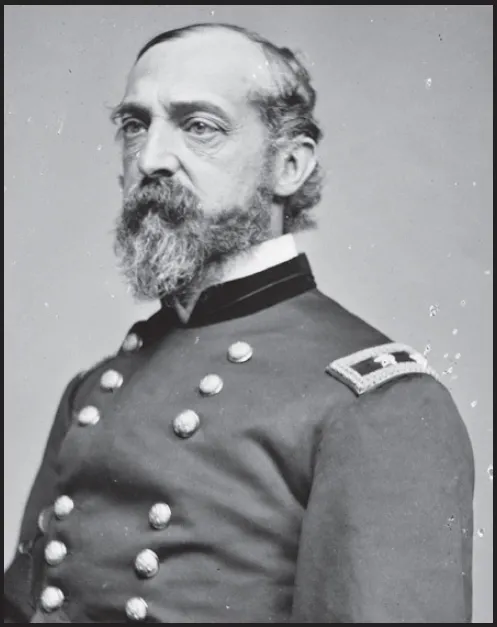
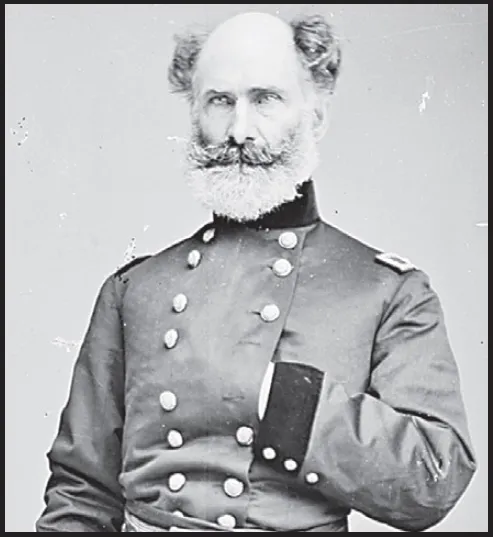


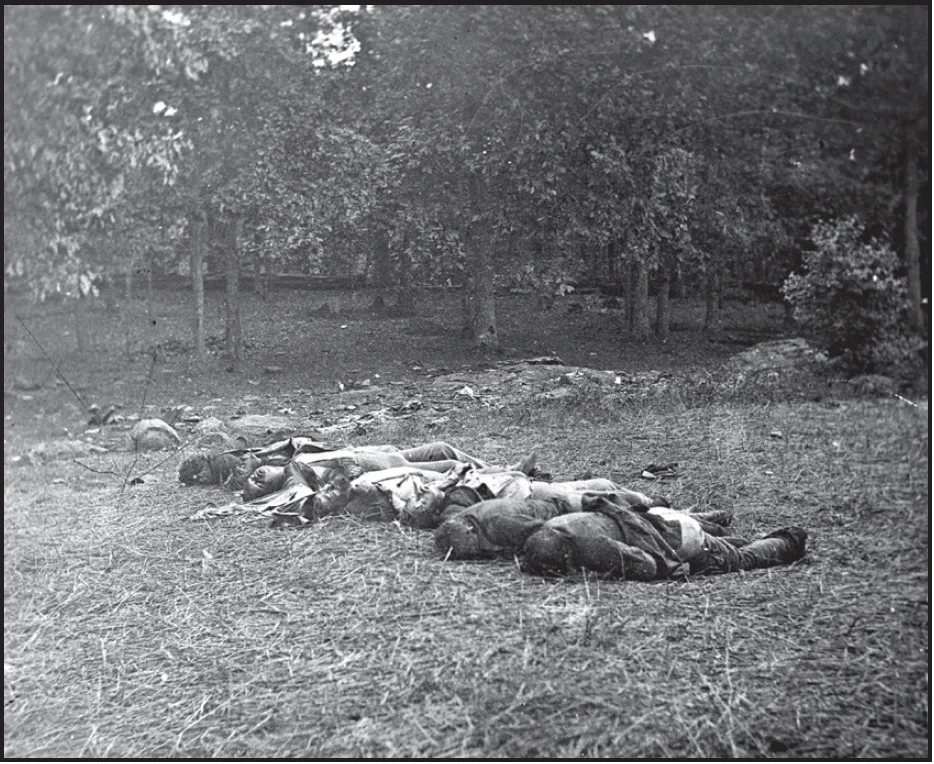


Table of contents
- Cover
- Halftitle
- Title
- Copyright
- Dedication
- Table of Contents
- ACKNOWLEDGMENTS
- FOREWORD by Doug Douds
- PROLOGUE
- CHAPTER ONE: Initial Burying of the Dead
- CHAPTER TWO: The Need for a Cemetery
- CHAPTER THREE: The Fight Over the National Cemetery’s Location
- CHAPTER FOUR: Planning the New National Cemetery
- CHAPTER FIVE: Moving the Corpses
- CHAPTER SIX: Planning the Consecreation Ceremony
- CHAPTER SEVEN: Getting to Gettysburg
- CHAPTER EIGHT: The Big Day Arrives
- CHAPTER NINE: The Consecreation Ceremony and the Remainder of the Day
- CHAPTER TEN: Writing the Gettysburg Address
- CHAPTER ELEVEN: Which Gettysburg Address?
- CHAPTER TWELVE: Reactions to the Gettysburg Address
- CHAPTER THIRTEEN: The Gettysburg Address’ Meaning and Enduring Legacy of Gettysburg
- APPENDIX A: A Tour of Lincoln’s Activities at Gettysburg
- APPENDIX B: A Tour of the National Cemetery
- APPENDIX C: The Gettysburg Address Turns 100
- SUGGESTED READING
- ABOUT THE AUTHORS
Frequently asked questions
- Essential is ideal for learners and professionals who enjoy exploring a wide range of subjects. Access the Essential Library with 800,000+ trusted titles and best-sellers across business, personal growth, and the humanities. Includes unlimited reading time and Standard Read Aloud voice.
- Complete: Perfect for advanced learners and researchers needing full, unrestricted access. Unlock 1.4M+ books across hundreds of subjects, including academic and specialized titles. The Complete Plan also includes advanced features like Premium Read Aloud and Research Assistant.
Please note we cannot support devices running on iOS 13 and Android 7 or earlier. Learn more about using the app