This guide to the basics of plumbing and central heating is designed for complete amateurs, and written by one of the most experienced plumbing tutors in the country.Whether you are attempting projects such as installing a new bathroom or plumbing in a new dishwasher, or just need to understand enough to do essential repairs and fixes, this is the book for you. It includes step-by-step guides to sorting out the most common plumbing problems, and comprehensive coverage of the key tasks, all based on a straightforward introduction to the layout of your house and water system. In addition, it has plenty of illustrations, a full glossary, a whole chapter on how and who to call for help, a guide to the necessary toolkit and a list of the top ten plumbing emergencies.
eBook - ePub
Master Basic Plumbing And Central Heating
A quick guide to plumbing and heating jobs, including basic emergency repairs
- 320 pages
- English
- ePUB (mobile friendly)
- Available on iOS & Android
eBook - ePub
Master Basic Plumbing And Central Heating
A quick guide to plumbing and heating jobs, including basic emergency repairs
About this book
Information
1
The plumbing in your home

In this chapter you will learn:
• how the water supply arrives in your home
• about the different types of water supply
• about cold water storage
• about WC systems
• how water leaves the property.
This chapter looks at the plumbing systems in your home, from the point where water is fed into the house and passes through the pipework, to the point where the used and unwanted water leaves the house via the drains.
Incoming cold water supply
The water pipe feeding into your home comes from a supply pipe in the road, at a point just outside your property. There is usually a water authority valve at this point, and it is here that your responsibility for the water and pipework begins. The pipe travels below ground at a minimum depth of 750 mm to ensure that it is protected from damage and that the water will not freeze if the temperature drops below freezing point (0°C). The pipe then passes into a pipe duct through the foundations and ground floor into your home, terminating with a stopcock (tap). See Figure 1.1.
In newer buildings a water meter will be incorporated within this supply pipe. This may be contained within a chamber outside, keeping the meter below ground level, or within the building itself, thereby allowing easier access for reading and maintenance. There may also be a stopcock situated under the ground at the boundary to your property, in addition to the one inside.
The pipe in the road from which this drinking water supply is taken is usually referred to as the ‘mains’.
THE WATER SUPPLY PIPE
For the past 30 years or so, plastic (polyethylene) has been used for the cold water pipe feeding your home. Today it is typically blue and the standard diameter is 25 mm (equivalent to a copper pipe of 22 mm diameter) and it is adequate to supply several outlets at once. In the past, however, smaller-sized pipes were used, including:
• 20 mm plastic pipe – either black or blue (equivalent to 15 mm copper pipe size)
• 15 mm copper pipe
• ½ inch galvanized mild steel pipe
• ½ inch lead pipe.
These older pipes are regarded as too small for a modern house because of the extra appliances used (washing machine, showers, etc.) and extra toilets. The size can restrict the flow of water and cause a loss of water flow at some outlets if several appliances are opened at the same time. Unfortunately, there is not a lot you can do with your existing supply pipe if it’s too small, other than replacing it with a new pipe.
SUPPLY STOPCOCK (STOPTAP)
It is very important that you know the location of this valve; after all, it supplies the water to the building, and turning it off will stop the flow of water. This is essential in a situation where water is leaking from pipework. Typical locations for the stopcock inside the building are:
• under the kitchen sink
• in a downstairs toilet
• under the stairs, in a cupboard
• in the garage
• in the basement
• under a wooden floorboard, just inside the front door.
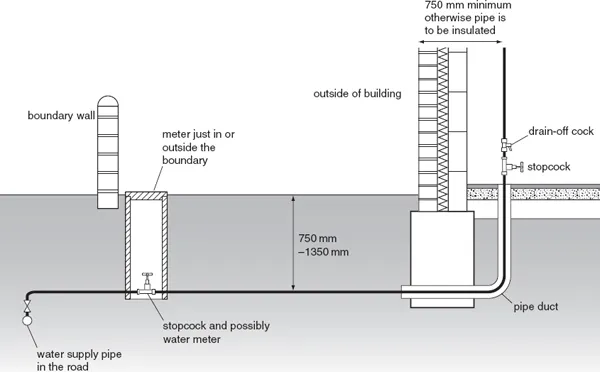
Figure 1.1 The cold water supply into a home
There may be an additional stopcock outside the building. Don’t turn off this valve until you fully understand the consequences of doing so (see Chapter 2).
Ideally, once the internal stopcock has been found, you should tie a label to the operating handle, so that anyone needing to find it in the future will know that this is the main water inlet to the building (see Figure 1.2).
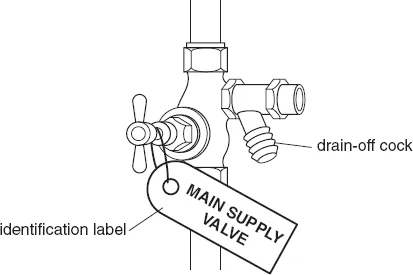
Figure 1.2 Supply stopcock with drain-off valve
 | Remember this |
In an emergency, turning off the incoming cold water supply stopcock will eventually stop the water flowing from any water pipe, wherever it is. This includes the pipework for the hot and cold water and the central heating.

Cold supply inside the dwelling
Once you have identified the incoming supply, look for a small outlet valve, known as a drain-off cock, just after the stopcock or incorporated within its design. This may be missing in older buildings or in poorly installed systems. The drain-off cock allows the cold water supply mains pipework to be drained, for example for maintenance work or if you’re going away for a long time in winter. There is provision for a hose connection, but generally, when the supply has been shut off, much of the water can be drained out via the kitchen sink, so that only that remaining in the pipe needs to be drained.
From the stopcock the pipe will run to the kitchen sink and other outlets. The route will depend on the system design, which will be one of the following:
• direct cold water supply
• indirect cold water supply
• modified cold water supply.
The pipework usually runs beneath floors or through pipe ducts, for example alongside the vertical soil or drainage stack (the drainpipe taking waste water from the building) as it passes up through the building. It may also be encased within the plaster wall. In all cases the actual pipe route is not a major concern, provided that it is protected from unforeseen damage and frost.
DIRECT COLD WATER SUPPLY
If you have this system, all your cold water outlet points are fed directly from the mains supply. These include all appliances such as the sink, bath, basin and WC, plus any other outlets to washing machines, dishwashers, or outside taps used for watering the garden (see Figure 1.3). The cold supply may also feed a hot water system such as an unvented domestic hot water supply or combination boiler (see Chapter 2).
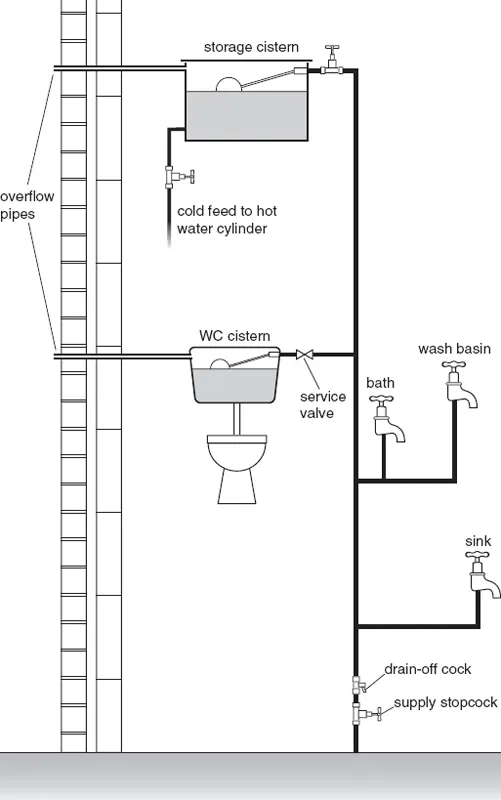
Figure 1.3 A direct cold water supply system
 | Key idea |
In the ‘direct system’ of cold water supply, all the cold taps are supplied with water that has been supplied directly from the local authority water supply mains pipe and therefore can be regarded as very safe to drink.
INDIRECT COLD WATER SUPPLY
In this system the only appliance fed directly from the mains supply is the kitchen sink, plus a water softener if one is incorporated within the property. Instead of feeding directly to the other appliances, the supply feeds a water storage cistern, usually found within the roof space (loft). All other outlet points in the building are then fed from this storage cistern (Figure 1.4).
MODIFIED COLD WATER SUPPLY
This type of system is a combination of both the direct and indirect supply systems. In other words, there may be several outlets from the mains supply and several fed via a storage cistern.
Prior to the 1980s most systems were of the indirect design. These were intended to maintain a flow of water under the worst possible conditions, for example when the supply was cut off for some reason – such as the water authority doing essential repairs or in areas where there was an excessive drop in water pressure at peak times. The local water authority may also have imposed a specific requirement that the supply had t...
Table of contents
- Cover
- Title
- Contents
- Meet the author
- Introduction
- 1 The plumbing in your home
- 2 Hot water in your home
- 3 Domestic central heating
- 4 Emergencies and contingency work 1
- 5 Emergencies and contingency work 2
- 6 Plumbing processes
- 7 Ancillary works and maintenance
- 8 Undertaking small plumbing projects
- Appendix 1: Legislation
- Appendix 2: Glossary
- Appendix 3: Taking it further
- Copyright
Trusted by 375,005 students
Access to over 1.5 million titles for a fair monthly price.
Study more efficiently using our study tools.
Frequently asked questions
Yes, you can cancel anytime from the Subscription tab in your account settings on the Perlego website. Your subscription will stay active until the end of your current billing period. Learn how to cancel your subscription
No, books cannot be downloaded as external files, such as PDFs, for use outside of Perlego. However, you can download books within the Perlego app for offline reading on mobile or tablet. Learn how to download books offline
Perlego offers two plans: Essential and Complete
- Essential is ideal for learners and professionals who enjoy exploring a wide range of subjects. Access the Essential Library with 800,000+ trusted titles and best-sellers across business, personal growth, and the humanities. Includes unlimited reading time and Standard Read Aloud voice.
- Complete: Perfect for advanced learners and researchers needing full, unrestricted access. Unlock 1.5M+ books across hundreds of subjects, including academic and specialized titles. The Complete Plan also includes advanced features like Premium Read Aloud and Research Assistant.
We are an online textbook subscription service, where you can get access to an entire online library for less than the price of a single book per month. With over 1.5 million books across 990+ topics, we’ve got you covered! Learn about our mission
Look out for the read-aloud symbol on your next book to see if you can listen to it. The read-aloud tool reads text aloud for you, highlighting the text as it is being read. You can pause it, speed it up and slow it down. Learn more about Read Aloud
Yes! You can use the Perlego app on both iOS and Android devices to read anytime, anywhere — even offline. Perfect for commutes or when you’re on the go.
Please note we cannot support devices running on iOS 13 and Android 7 or earlier. Learn more about using the app
Please note we cannot support devices running on iOS 13 and Android 7 or earlier. Learn more about using the app
Yes, you can access Master Basic Plumbing And Central Heating by Roy Treloar in PDF and/or ePUB format, as well as other popular books in Technology & Engineering & Technical & Manufacturing Trades. We have over 1.5 million books available in our catalogue for you to explore.