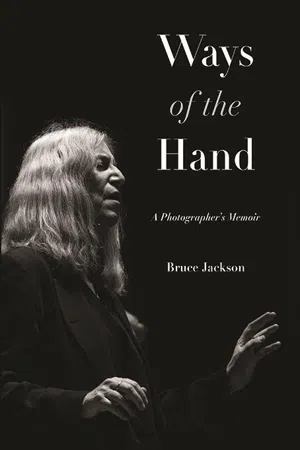
A visual and narrative memoir of a lifetime's encounters with 112 trendsetters, musicians, politicians, writers, and ordinary people by a noted folklorist-photographer.
Honorable Mention, for the 2022 Foreword INDIES Book of the Year Award in the Photography Category
Rocker Rod Stewart, Jackson says, had it wrong when he titled his breakthrough album Every Picture Tells a Story. Pictures don't tell stories-but many of them call to mind stories or have stories about their making.
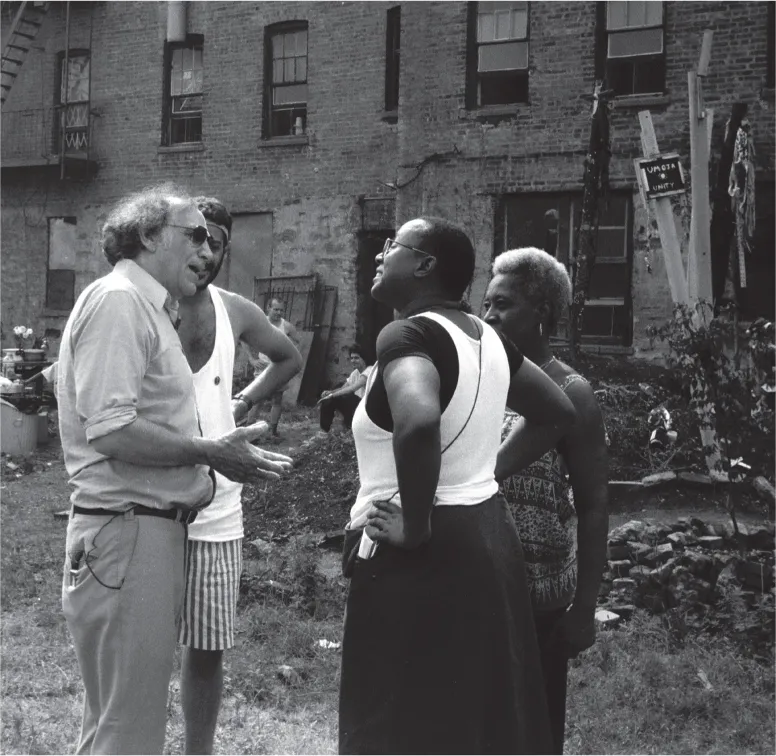
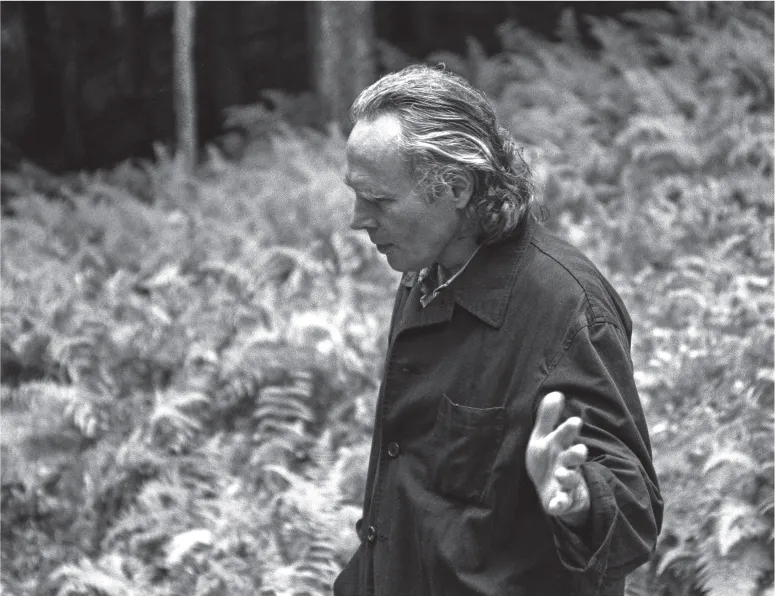
Throughout his sixty-year career as folklorist, ethnographer, criminologist, filmmaker, and journalist, Bruce Jackson has taken photographs of family, friends, people he worked with, people he studied, and people he encountered. Ways of the Hand includes 112 of his favorite portraits, portraits in which the hands are often as expressive as the faces. In six sections, Jackson shares photographs of notable musicians, political figures, activists, actors, artists, and writers. These portraits are accompanied by stories of how and where they were taken and the stories they invoke or reflect. The result is a stunning visual and narrative memoir of a lifetime of encounters.
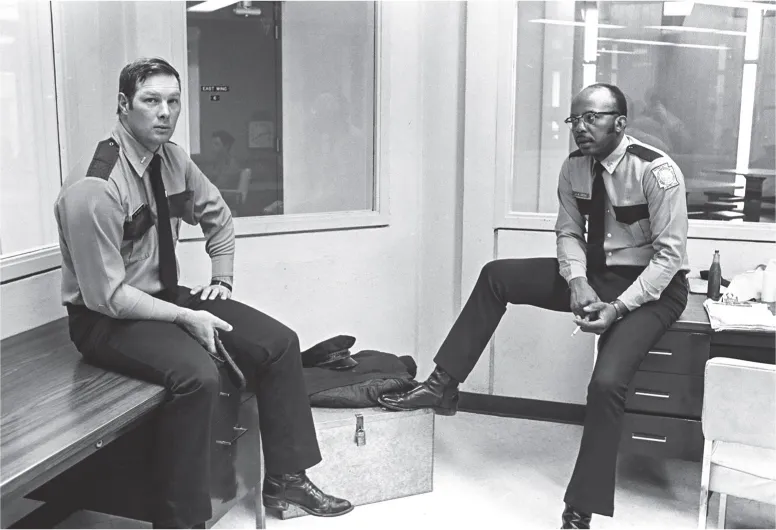
5. Lieutenant (with blackjack) and sergeant (with cigarette) in control picket, Maximum Security building. Cummins prison farm, Varner, Arkansas, 1974.
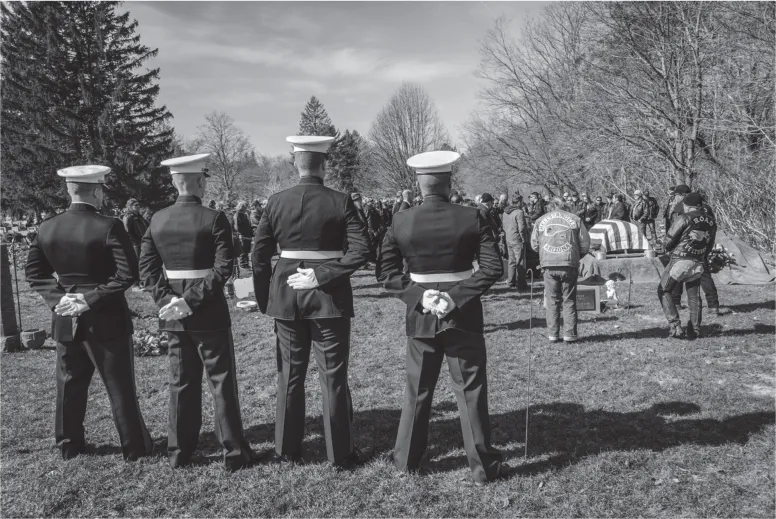
6. Marine honor guard. Funeral of James Boyer, former president, Road Vultures Motorcycle Club. Lockport, New York, 2010.
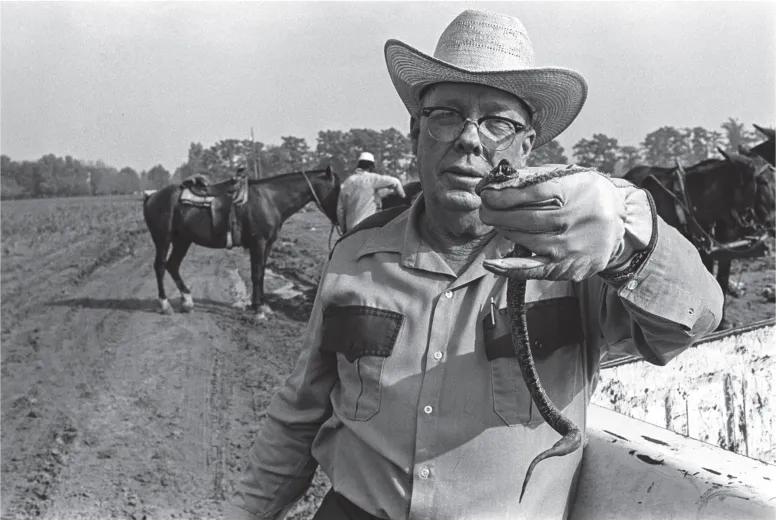
7. Dog sergeant with ground rattler. Cummins prison farm, Varner, Arkansas, 1975.
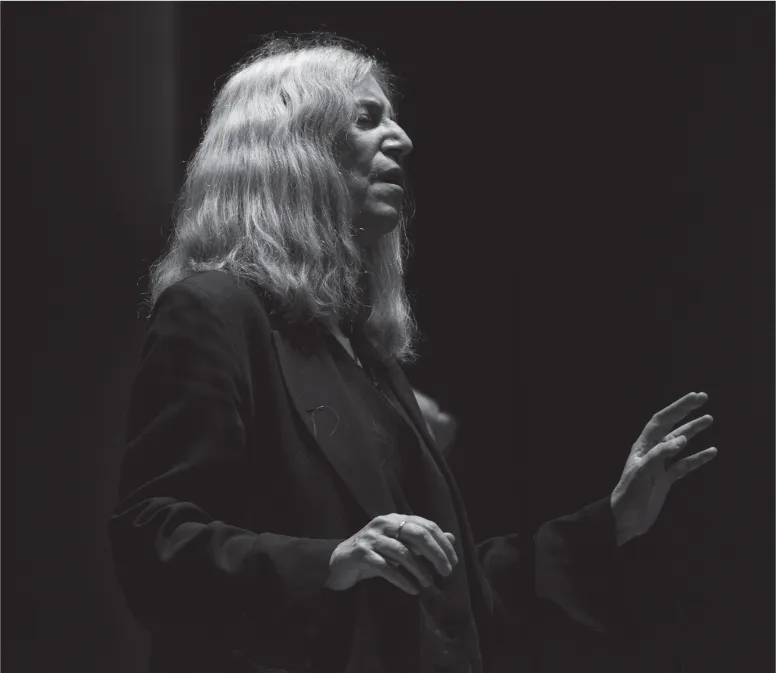
8. Patti Smith (singer and writer) in concert in Just Buffalo’s BABEL series. Buffalo, 2015.
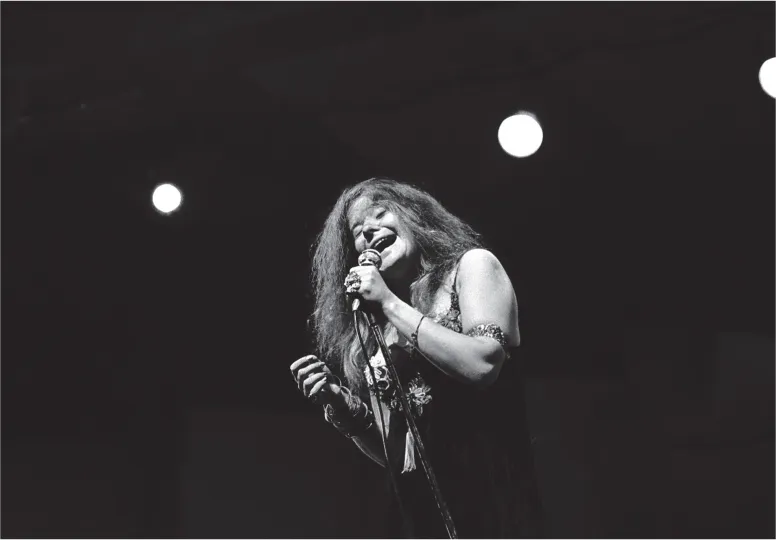
9. Janis Joplin (singer). Newport Folk Festival, Newport, Rhode Island, 1968.
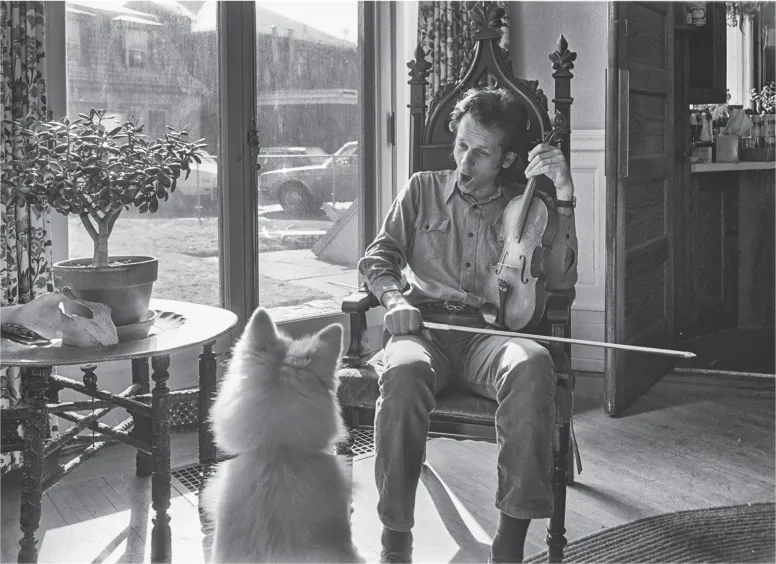
10. Mike Seeger (musician). Buffalo, New York, 1977.
11. Dalai Lama (spiritual leader). Buffalo, New York, 2006.
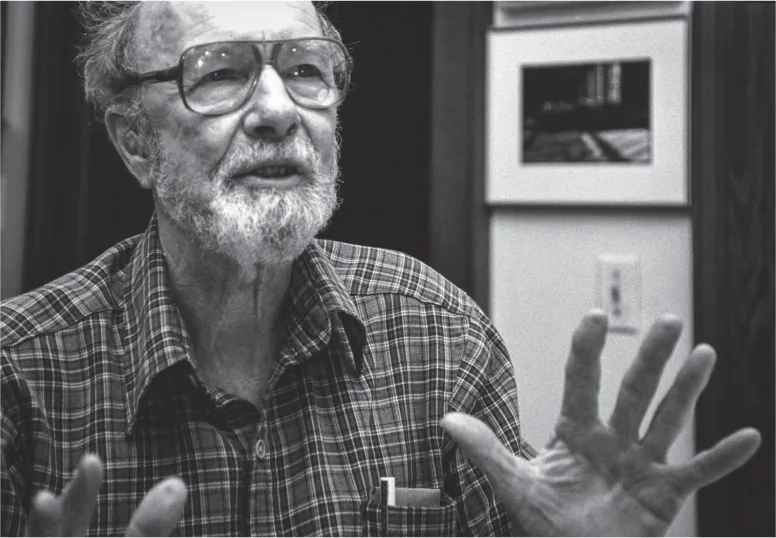
12. Pete Seeger (folksinger and political activist). Buffalo, New York, 1996.
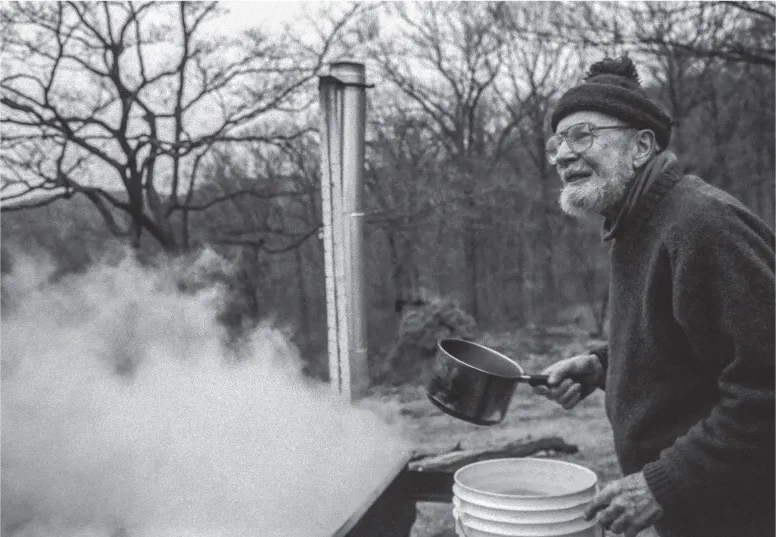
13. Pete Seeger. Beacon, New York, 1977.
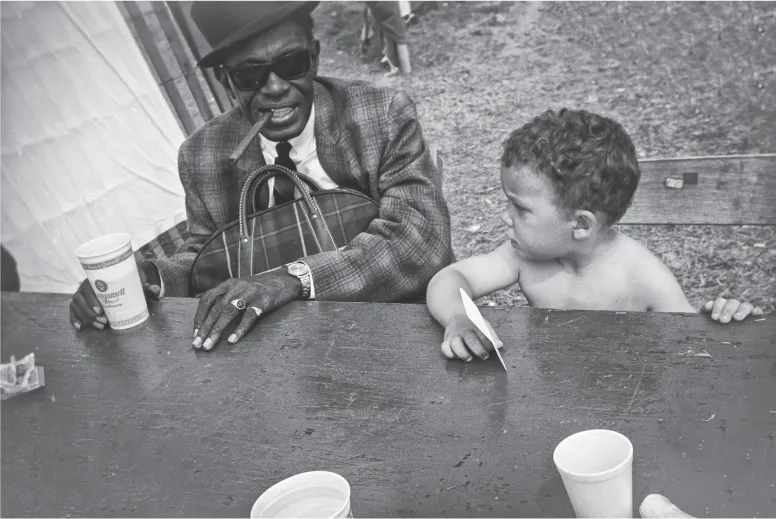
14. Sam “Lightnin’ ” Hopkins (blues singer) and Michael Lee Jackson, Newport Folk Festival performers’ tent. Newport, Rhode Island, 1965.
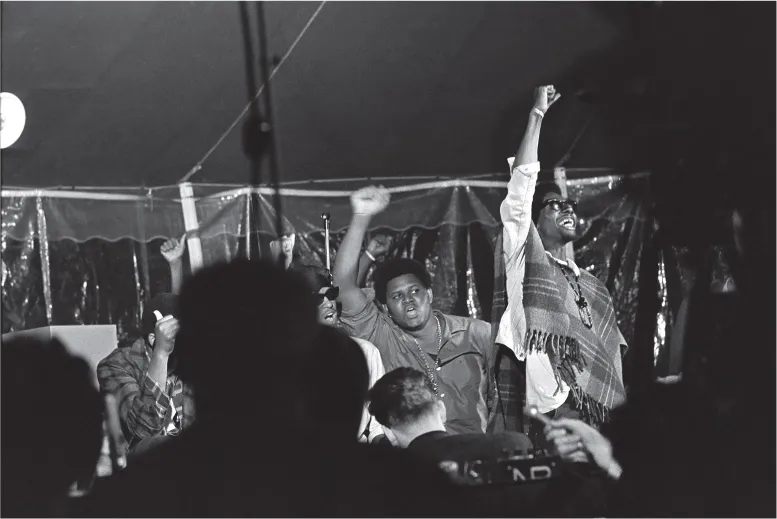
15. Sweet Willie and others. First town meeting. Resurrection City, Washington, DC, 1968.
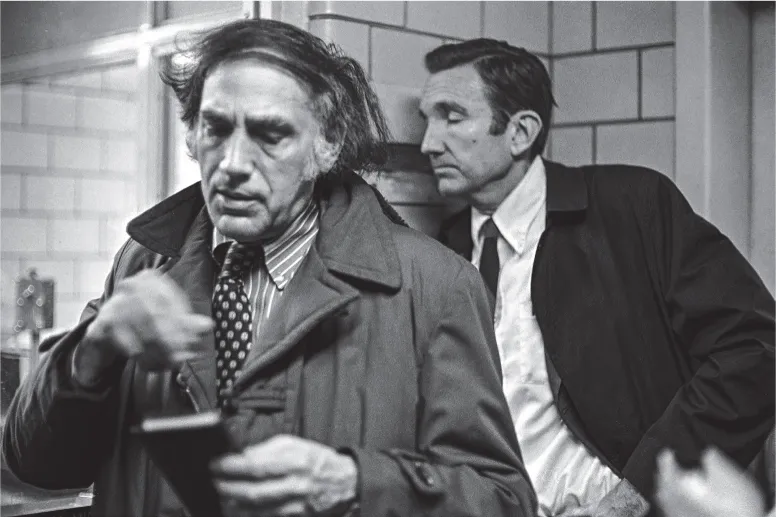
16. William Kunstler and Ramsey Clark (civil rights attorneys). Erie County Holding Center, Buffalo, New York, 1975.
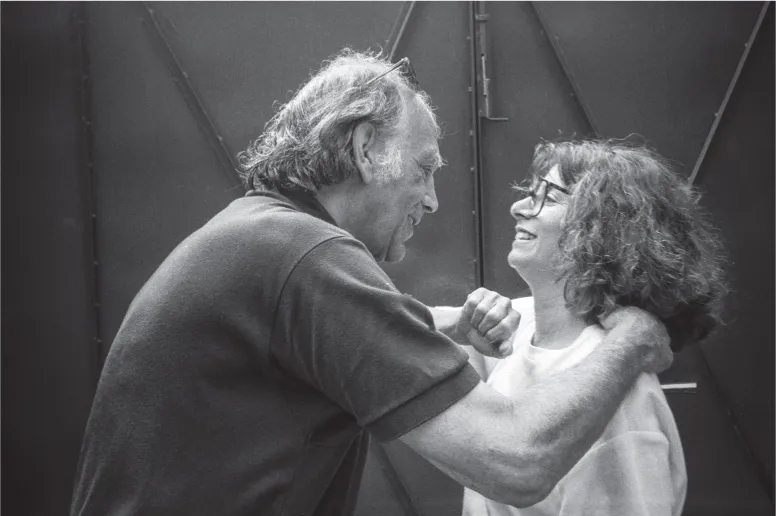
17. William Kunstler and Margaret Kunstler (civil rights attorney). Oaxaca, Mexico, 1990.
18. William Kunstler and clients. Fort Apache, the Bronx, New York, 1988.
19. Brice Marden (artist). West Shokan, New York, 1995.
Words 1
1. Alexa and Leah Von Essen. Holmdel, New Jersey, 2003.
At that age, you live in a world of story. All you need is the right garment, or part of one. It can even be something you’ve devised yourself. Nearly twenty years later, I see the same thing in Ali and Leah’s younger cousins, Samuel and Michael, only now it is wizards and superheroes: Harry Potter, and Lord of the Rings. The final image in Michael Ondaatje’s The Collected Works of Billy the Kid: Left-Handed-Poems (1970) is a photo of Ondaatje himself as a boy, maybe five years old, in his native Sri Lanka, dressed in a full cowboy suit—hat, cap guns, and all. At the same age, in Bed-Stuy, Brooklyn, I had most of the same outfit. Later, our stories get more complicated. They take form and are evoked by the moment, who we’re with, an image we’re looking at or showing to someone else.
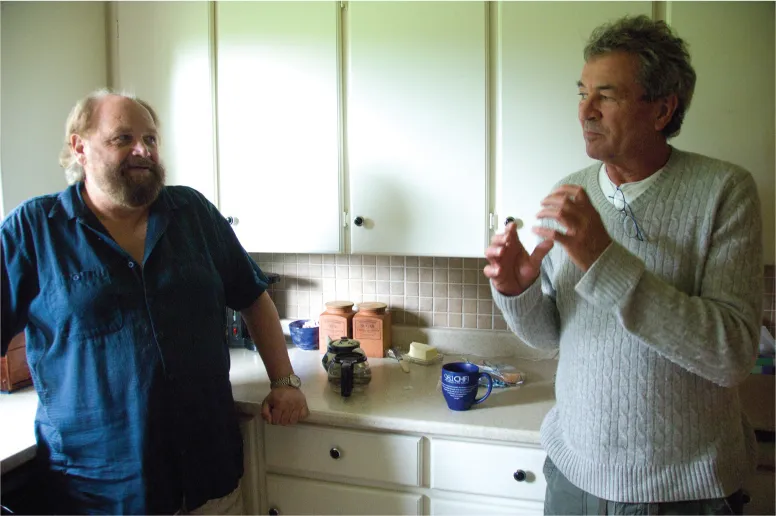
2. Nick Blagona (audio engineer) and Ian Gillan (musician). Dundas, Ontario, 2008.
A kitchen break during an all-day recording session in Nick’s studio when Ian and Michael Lee Jackson were laying down tracks for Ian’s new CD, One Eye to Morocco.
Ian wrote Michael in an email that he’d lifted the title of one of my books—Get Your Ass in the Water and Swim Like Me—for one of the verses in a song he’d written for Deep Purple’s then-new album, Infinite. “I hope Bruce doesn’t mind,” Ian said.
When Michael told me, I said, “I’m beyond delight.”
As a kid, wanting to be a rock star, Michael had played—to a point that nearly drove me mad—the guitar riff on Deep Purple’s “Smoke on the Water,” which Ian cowrote. All aspiring rockers of Michael’s generation did the same. Somehow, Michael and Ian got to be pals, and then they got to be collaborators. And there came a time when Michael performed at Royal Albert Hall with Ian that put my kvetch about “Smoke on the Water” to rest.
Ian knew I loved John Fowles’s novels. Fowles was Ian’s neighbor in Lyme Regis. For one of my birthdays, he gave me a signed first edition of Fowles’s The Collector. Ian told me about spending nights in the wooded area across the road from his house, the Undercliff, which you’ll know about if you’ve read Fowles’s novel or seen Karel Reisz’s film, The French Lieutenant’s Woman.
Nick had been sound engineer (and sometimes producer) for Cat Stevens, Tom Jones, Chaka Kahn and Rufus, the Police, the Bee Gees, Nazareth, Chicago, Deep Purple, Ian Gillan and Roger Glover, Ian Hunter, Rainbow, April Wine, Kim Mitchell, the Tea Party, Jeff Martin, Crack the Sky, and many others. He died in 2019. There were technical medical reasons why it happened then and in that way, but basically, it was his whole life catching up with him.
A lot of music took place in this easy kitchen moment.
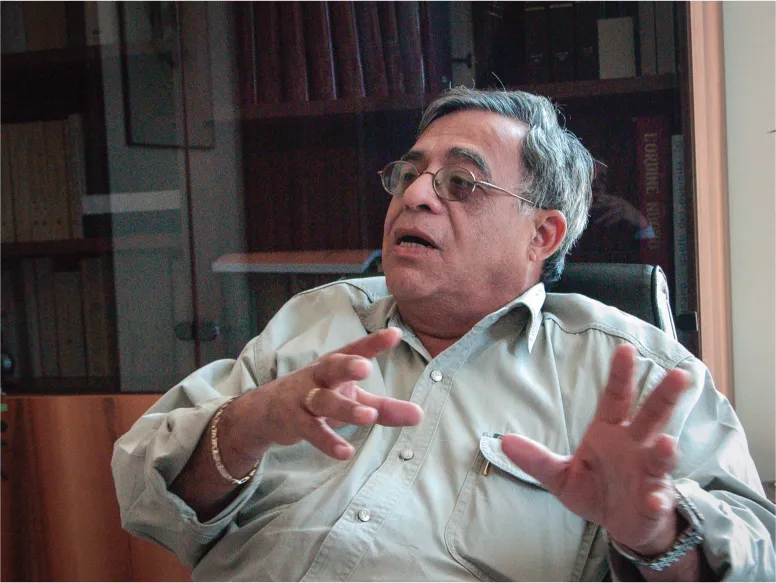
3. Percy Francisco Alvarado Godoy (spy). Rome, Italy, 2005.
Percy had been a spy for Castro among the Florida militias for decades. He broke cover when he learned that the group he’d infiltrated planned to blow up the Tropicana hotel in Havana, killing a lot of people, to disrupt Cuba’s tourist industry.
We met in Rome on a forum about US policy in Cuba. I told the person who invited me, “I don’t know any more about US policy in Cuba than I read in the New York Times.” He said, “So what do you think people in Rome know? You have a sense of US politics. Come and put it in that perspective. Business class for both flights.”
“How long do you want me to talk?”
“An hour,” he said.
“Okay,” I said. “I can do that.”
I lucked out: not long before the event, then US Secretary of State Condoleezza Rice released a huge report—200 or 300 pages—about US policy in Cuba. It was all red meat for me. I prepared a great one-hour talk.
The Rome forum was Percy, two other people, and me. I was third, after Percy. Neither he nor the woman who spoke before him used a note and neither spoke more than fifteen minutes. I dropped the neatly typed pages that would have filled a mind-numbing hour to the floor and did the same. I think I ended with “Venceramos!” So much for data analysis. Percy hugged me and gave me a huge Cohiba cigar.
The next day, he and I did two interviews about US policy in Cuba. The driver who picked me up at my hotel told me he was a Rome policeman. Our first stop was at the office of one of Rome’s two Communist Parties, which did not speak to one another. After the interview, waiting for the elevator, he told me he was a communist. He said, “Are there many communist policemen in the US?”
“I don’t think so,” I said, “and if there are, they’re quiet about it.”
“Here,” said, “you don’t have to keep quiet about it.” I asked him what his job in the Rome police department was. “Wrestling coach,” he said.
After the second interview, Percy gave me another Cohiba. His greatest pain, he told me, was that his parents, who remained in Havana after he went to Florida, died thinking he had betrayed a cause in which they all believed.
“You should come and visit Havana,” he said. “It’s a beautiful city. I’m a colonel in Cuban intelligence now so I can show you things you wouldn’t otherwise get to see.”
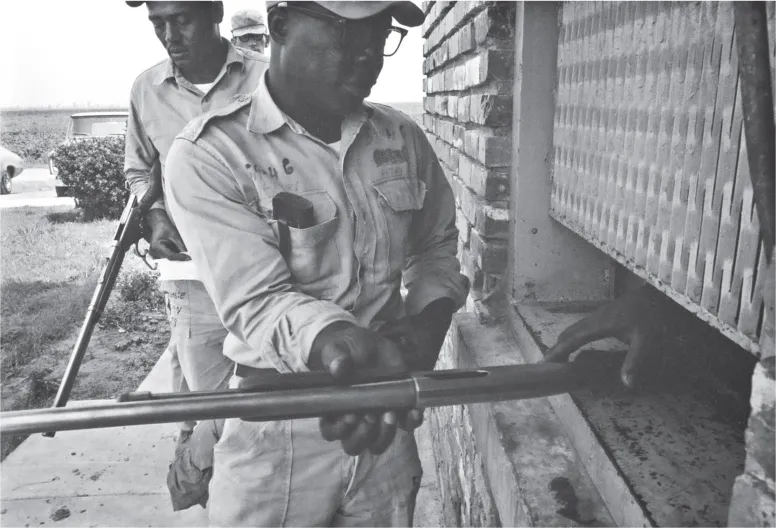
I was driving from Buffalo to California to spend a Guggenheim year in Berkeley and San Francisco. I stopped off at Cummins, the first prison in the US to have been declared unconstitutional by a Federal Court (Holt v. Sarver I and II, 1969 and 1970, respectively).
I had become friends five or six years earlier with Don Hutto, an assistant warden at Ramsey prison farm in Texas. Not long before my California trip, Don had been appointed Arkansas commissioner of Correction. He gave the same freedom to roam around Cummins that I’d had in Texas, when I’d been doing research on Black convict work songs.
The only people I saw carrying guns in Cummins that time were convict guards. There were hardly any civilian employees. Most of them worked in the building. The only people who had uniforms were the convicts working in the fields and the convict guards.
I spent four or five days in the fields with the work crews and in the building. I thought I’d write an article for the New York Times Magazine or Harper’s about daily life in what federal judge J. Smith Henley had declared the worst prison in America. The photos would be aide-mémoire for me and illustrations for the article.
When I got to Berkeley and began working on the notes and photos, I decided I didn’t have enough of either; I needed a second visit. I did that on the drive back to Buffalo the following August. By then, the convict guards had been replaced by free world guards and the whole operation seemed like a clone of the Texas prisons. Little wonder: the field major, deputy commissioner, and the Cummins warden were all former Texas Department of Corrections employees. During that visit, I realized that my Cummins story wasn’t going to be words with supporting images; it was going to be pictures with supporting words.
I would make six more visits to Cummins over the next three years. On the eighth visit, I realized I was repeating myself—the shots were almost entirely interchangeable with earlier shots. It was time to stop.
I never did the article, but the work resulted in three books and half of a fourth: Killing Time: Life in the Arkansas Penitentiary (Cornell University Press, 1977); Cummins Wide: Photographs from the Arkansas Prison (Center for Documentary Studies/Center Working Papers, 2008); Pictures from a Drawer: Prison and the Art of Portraiture (Temple University Press, 2009); and, Inside the Wire: Photographs from Texas and Arkansas Prisons (University of Texas Press, 2013).
I saw Don Hutto one more time. It was in Austin, Texas, at the funeral of George Beto in 1991. George had been director of the Texas Department of Corrections during the first part of my research there (1964–1968). He’d given me free run of the place, which is why Don gave me similar freedom to roam at Cummins. On the church steps after the funeral, he said, “I’m in Tennessee now. I started a new business.” The new business was Corrections Corporation ...
Table of contents
Cover
Title
Copyright
Contents
Photographs, Pictures, and Stories
Pictures 1
Pictures 2
Pictures 3
Pictures 4
Pictures 5
Pictures 6
Index
Back Cover
Trusted by 375,005 students
Access to over 1.5 million titles for a fair monthly price.
Study more efficiently using our study tools.
Frequently asked questions
Yes, you can cancel anytime from the Subscription tab in your account settings on the Perlego website. Your subscription will stay active until the end of your current billing period. Learn how to cancel your subscription
No, books cannot be downloaded as external files, such as PDFs, for use outside of Perlego. However, you can download books within the Perlego app for offline reading on mobile or tablet. Learn how to download books offline
Perlego offers two plans: Essential and Complete
Essential is ideal for learners and professionals who enjoy exploring a wide range of subjects. Access the Essential Library with 800,000+ trusted titles and best-sellers across business, personal growth, and the humanities. Includes unlimited reading time and Standard Read Aloud voice.
Complete: Perfect for advanced learners and researchers needing full, unrestricted access. Unlock 1.5M+ books across hundreds of subjects, including academic and specialized titles. The Complete Plan also includes advanced features like Premium Read Aloud and Research Assistant.
Both plans are available with monthly, semester, or annual billing cycles.
We are an online textbook subscription service, where you can get access to an entire online library for less than the price of a single book per month. With over 1.5 million books across 990+ topics, we’ve got you covered! Learn about our mission
Look out for the read-aloud symbol on your next book to see if you can listen to it. The read-aloud tool reads text aloud for you, highlighting the text as it is being read. You can pause it, speed it up and slow it down. Learn more about Read Aloud
Yes! You can use the Perlego app on both iOS and Android devices to read anytime, anywhere — even offline. Perfect for commutes or when you’re on the go. Please note we cannot support devices running on iOS 13 and Android 7 or earlier. Learn more about using the app
Yes, you can access Ways of the Hand by Bruce Jackson in PDF and/or ePUB format, as well as other popular books in Art & Art General. We have over 1.5 million books available in our catalogue for you to explore.