Imam Nawawi's commentary on Sahih Muslim is one of the most highly regarded works in Islamic thought and literature. Accepted by every sunni school of thought, and foundational in the Shaafi school, this text, available for the first time in English, is famed throughout the Muslim world. After the Qur'an, the prophetic traditions are the most recognised source of wisdom in Islam. Amongst the collected Hadith, Sahih Muslim is second only to the the collection of Imam Bukhari. With a commentary by Imam Nawawi, whose other works are amongst the most widely-read books on Islam, and translated by Adil Salahi, a modern scholar of great acclaim, this immense work, finally available to English readers, is an essential addition to every Muslim library, and for anybody with an interest in Islamic thought.
eBook - ePub
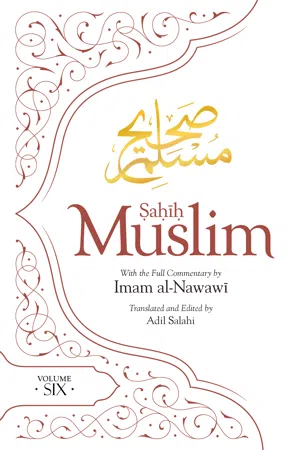
Sahih Muslim (Volume 6)
With the Full Commentary by Imam Nawawi
- English
- ePUB (mobile friendly)
- Available on iOS & Android
eBook - ePub
About this book
Information
Topic
Theology & ReligionSubtopic
Islamic Theology
CHAPTER 0
ZAKAT
Linguistically speaking, the word zakat means ‘growth’ and ‘purification’. A person’s property grows when zakat is paid, but this growth is not visible. It purifies the person who pays it from sin. It is said that its reward grows with God. It is given the Islamic name zakat because it carries the linguistic sense of its name. It is also said that it is called zakat because it purifies its payer and testifies that he or she is a genuine believer. We said the same about the hadith that says: ‘Ṣadaqah is a proof’. Ṣadaqah refers to voluntary charity, and the word is derived from a root that means ‘truth, sincerity, etc.’. Hence, it is said that it is given this name because it is evidence that the giver is a genuine believer. Qadi ʿIyāḍ quotes al-Māzarī:
Islam makes clear that zakat is made obligatory to relieve hardship. Such a relief can only come from a property that is above a certain threshold. It is then applied to fixed property, which is money, agricultural produce and cattle. Scholars are unanimous that zakat is payable for all these. They differ as to whether it applies to other property, such as goods. The majority of scholars make it applicable to them, while Dāwūd says it does not, citing the hadith: ‘No one is liable to pay zakat on his slave or horse’. The majority of scholars understand this as referring to what is intended for ownership. Islam defines the threshold of each type of property according to what may provide relief. The threshold for silver is 200 dirhams, which is clearly stated in a hadith and unanimously agreed upon by scholars. The threshold for gold is twenty mithqal, [a mithqal is stated to be equivalent to 4.25 grams, which means the threshold is 85 grams of gold]. This is defined by unanimous agreement. An odd difference of view is mentioned in this connection. Also, a hadith is reported from the Prophet (peace be upon him).
As for agricultural produce and cattle, their thresholds are well known. Islamic law defines the payable portion according to what is involved of expense and effort. The highest duty, which is one-fifth, is on what is in the earth because it involves no effort. Next is agricultural produce, on which the duty is one-tenth if it is irrigated by rain. Otherwise, the duty is half of one-tenth. Next is gold, silver, money and commerce, where the duty is a quarter of one-tenth, i.e., 2.5%, because these require work carried on throughout the year. The last type is cattle because duties are set for certain numbers, while those in between such numbers are not liable to zakat. This does not apply to the other types mentioned. But God knows best.

CHAPTER 1
NO ZAKAT FOR WHAT IS BELOW THE THRESHOLD
[1947–1]. (Dar al-Salam 2134) ʿAmr ibn Muhammad ibn Bukayr al-Nāqid narrated to me:i Sufyān ibn ʿUyaynah narrated; he said: I asked ʿAmr ibn Yaḥyā ibn ʿUmārah and he reported to me from his father; from Abu Saʿīd al-Khudrī; from the Prophet (peace be upon him). He said: ‘No zakat is payable for what is less than five wasqs, nor for less than five heads [of camels], nor for less than five uqiyyahs [of silver]’.
وَحَدَّثَنِي عَمْرُو بْنُ مُحَمَّدِ بْنِ بُكَيْرٍ النَّاقِدُ، حَدَّثَنَا سُفْيَانُ بْنُ عُيَيْنَةَ قَالَ: سَأَلْتُ عَمْرَو بْنَ يَحْيَى بْنِ عُمَارَةَ، فَأَخْبَرَنِي عَنْ أَبِيهِ، عَنْ أَبِي سَعِيدٍ الْخُدْرِيِّ، عَنِ النَّبِيِّ صَلَّى اللهُ عَلَيْهِ وَسَلَّمَ قَالَ: «لَيْسَ فِيمَا دُونَ خَمْسَةِ أَوْسُقٍ صَدَقَةٌ، وَلاَ فِيمَا دُونَ خَمْسِ ذَوْدٍ صَدَقَةٌ، وَلاَ فِيمَا دُونَ خَمْسِ أَوَاقٍ صَدَقَةٌ».
[000–2]. (Dar al-Salam 2135) Muhammad ibn Rumḥ ibn al-Muhājir narrated: al-Layth reported [H]. Also, ʿAmr al-Nāqid narrated to me; ʿAbdullāh ibn Idrīs narrated; both from Yaḥyā ibn Saʿīd; from ʿAmr ibn Yaḥyā; with this same chain of transmission: the same text.
وَحَدَّثَنَا مُحَمَّدُ بْنُ رُمْحِ بْنِ الْـمُهَاجِرِ، أَخْبَرَنَا اللَّيْثُ، ح. وَحَدَّثَنِي عَمْرٌو النَّاقِدُ، حَدَّثَنَا عَبْدُ اللهِ بْنُ إِدْرِيسَ، كِلاَهُمَا عَنْ يَحْيَى بْنِ سَعِيدٍ، عَنْ عَمْرِو بْنِ يَحْيَى، بِهَذَا الإِسْنَادِ: مِثْلَهُ.
[1948–000]. (Dar al-Salam 2136) Muhammad ibn Rāfiʿ narrated: ʿAbd al-Razzāq narrated; Ibn Jurayj reported; ʿAmr ibn Yaḥyā ibn ʿUmārah; from his father Yaḥyā ibn ʿUmārah; he said: I heard Abu Saʿīd al-Khudrī say: ‘I heard God’s Messenger (peace be upon him) say: “And the Prophet (peace be upon him) pointed with his five fingers”.’ He then added the same as Ibn ʿUyaynah’s narration.
وَحَدَّثَنَا مُحَمَّدُ بْنُ رَافِعٍ، حَدَّثَنَا عَبْدُ الرَّزَّاقِ، أَخْبَرَنَا ابْنُ جُرَيْجٍ، أَخْبَرَنِي عَمْرُو بْنُ يَحْيَى بْنِ عُمَارَةَ، عَنْ أَبِيهِ يَحْيَى بْنِ عُمَارَةَ قَالَ: سَمِعْتُ أَبَا سَعِيدٍ الْخُدْرِيَّ يَقُولُ: سَمِعْتُ رَسُولَ اللهِ صَلَّى اللهُ عَلَيْهِ وَسَلَّمَ يَقُولُ: وَأَشَارَ النَّبِيُّ صَلَّى اللهُ عَلَيْهِ وَسَلَّمَ بِكَفِّهِ بِخَمْسِ أَصَابِعِهِ، ثُمَّ ذَكَرَ بِمِثْلِ حَدِيثِ ابْنِ عُيَيْنَةَ.
[1949–3]. (Dar al-Salam 2137) Abu Kāmil Fuḍayl ibn Ḥusayn al-Jaḥdarī narrated: Bishr (meaning Ibn Mufaḍḍal) narrated; ʿUmārah ibn Ghaziyyah narrated; from Yaḥyā ibn ʿUmārah; he said: I heard Abu Saʿīd al-Khudrī say: ‘God’s Messenger (peace be upon him) said: “No zakat is payable for what is less than five wasqs, nor for less than five heads [of camels], nor for less than five uqiyyahs [of silver]”.’
وَحَدَّثَنِي أَبُو كَامِلٍ فُضَيْلُ بْنُ حُسَيْنٍ الْجَحْدَرِيُّ، حَدَّثَنَا بِشْرٌ، يَعْنِي ابْنَ مُفَضَّلٍ، حَدَّثَنَا عُمَارَةُ بْنُ غَزِيَّةَ، عَنْ يَحْيَى بْنِ عُمَارَةَ قَالَ: سَمِعْتُ أَبَا سَعِيدٍ الْخُدْرِيَّ يَقُولُ: قَالَ رَسُولُ اللهِ صَلَّى اللهُ عَلَيْهِ وَسَلَّمَ: «لَيْسَ فِيمَا دُونَ خَمْسَةِ أَوْسُقٍ صَدَقَةٌ، وَلَيْسَ فِيمَا دُونَ خَمْسِ ذَوْدٍ صَدَقَةٌ، وَلَيْسَ فِيمَا دُونَ خَمْسِ أَوَاقٍ صَدَقَةٌ».
[1950–4]. (Dar al-Salam 2138) Abu Bakr ibn Abi Shaybah, ʿAmr al-Nāqid and Zuhayr ibn Ḥarb narrated: they said: Wakīʿ narrated; from Sufyān; from Ismāʿīl ibn Umayyah; from Muhammad ibn Yaḥyā ibn Ḥabbān; from Yaḥyā ibn ʿUmārah; from Abu Saʿīd al-Khudrī. He said: ‘God’s Messenger (peace be upon him) said: “No zakat is payable for what is less than five wasqs of dates or grain”.’
وَحَدَّثَنَا أَبُو بَكْرِ بْنُ أَبِي شَيْبَةَ وَعَمْرٌو النَّاقِدُ وَزُهَيْرُ بْنُ حَرْبٍ. قَالُوا: حَدَّثَنَا وَكِيعٌ، عَنْ سُفْيَانَ، عَنْ إِسْمَاعِيلَ بْنِ أُمَيَّةَ، عَنْ مُحَمَّدِ بْنِ يَحْيَى بْنِ حَبَّانَ، عَنْ يَحْيَى بْنِ عُمَارَةَ، عَنْ أَبِي سَعِيدٍ الْخُدْرِيِّ قَالَ: قَالَ رَسُولُ اللهِ صَلَّى اللهُ عَلَيْهِ وَسَلَّمَ: «لَيْسَ فِيمَا دُونَ خَمْسَةِ أَوْسَاقٍ مِنْ تَمْرٍ وَلاَ حَبٍّ صَدَقَةٌ».
[1951–5]. (Dar al-Salam 2139-2140) Isḥāq ibn Manṣūr narrated: ʿAbd al-Raḥmān (meaning Ibn Mahdī) reported; Sufyān narrated; from Ismāʿīl ibn Umayyah; from Muhammad ibn Yaḥyā ibn Ḥabbān; from Yaḥyā ibn ʿUmārah; from Abu Saʿīd al-Khudrī; that ‘The Prophet (peace be upon him) said: “No zakat is payable on grains or dates until they become five wasqs, nor for less than five heads [of camels], nor for less than five uqiyyahs [of silver]”.’
وَحَدَّثَنَا إِسْحَاقُ بْنُ مَنْصُورٍ، أَخْبَرَنَا عَبْدُ الرَّحْمَنِ، يَعْنِي ابْنَ مَهْدِيٍّ، حَدَّثَنَا سُفْيَانُ، عَنْ إِسْمَاعِيلَ بْنِ أُمَيَّةَ، عَنْ مُحَمَّدِ بْنِ يَحْيَى بْنِ حَبَّانَ، عَنْ يَحْيَى بْنِ عُمَارَةَ، عَنْ أَبِي سَعِيدٍ الْخُدْرِيِّ، أَنَّ النَّبِيَّ صَلَّى اللهُ عَلَيْهِ وَسَلَّمَ قَالَ: لَيْسَ فِي حَبٍّ وَلاَ تَمْرٍ صَدَقَةٌ حَتَّى يَبْلُغَ خَمْسَةَ أَوْسُقٍ، وَلاَ فِيمَا دُونَ خَمْسِ ذَوْدٍ صَدَقَةٌ، وَلاَ فِيمَا دُونَ خَمْسِ أَوَاقٍ صَدَقَةٌ.
ʿAbd ibn Ḥumayd narrated to me: Yaḥyā ibn Adam marrated; Sufyān al-Thawrī narrated; from Ismāʿīl ibn Umayyah; with this chain of transmission: the same text as Ibn Mahdi’s narration.
وَحَدَّثَنِي عَبْدُ بْنُ حُمَيْدٍ، حَدَّثَنَا يَحْيَى بْنُ آدَمَ، حَدَّثَنَا سُفْيَانُ الثَّوْرِيُّ، عَنْ إِسْمَاعِيلَ بْنِ أُمَيَّةَ، بِهَذَا الإِسْنَادِ: مِثْلَ حَدِيثِ ابْنِ مَهْدِيٍّ.
[1952–000]. (Dar al-Salam 2141) Muhammad ibn Rāfiʿ narrated to me: ʿAbd al-Razzāq narrated; al-Thawrī and Maʿmar reported; from Ismāʿīl ibn Umayyah; with this chain of transmission: the same text as narrated by Ibn Mahdi and Yaḥya ibn Adam, except that ‘the word “dates” is substituted by “fruits”.’ii
وَحَدَّثَنِي مُحَمَّدُ بْنُ رَافِعٍ، حَدَّثَنَا عَبْدُ الرَّزَّاقِ، أَخْبَرَنَا الثَّوْرِيُّ وَمَعْمَرٌ، عَنْ إِسْمَاعِيلَ بْنِ أُمَيَّةَ بِهَذَا الإِسْنَادِ: مِثْلَ حَدِيثِ ابْنِ مَهْدِيٍّ وَيَحْيَى بْنِ آدَمَ، غَيْرَ أَنَّهُ قَالَ - بَدَلَ التَّمْرِ – ثَمَرٍ.
[1953–6]. (Dar al-Salam 2142) Ḥarūn ibn Maʿrūf and Ḥarūn ibn Saʿīd al-Aylī narrated: both said: Ibn Wahb narrated; ʿIyāḍ ibn ʿAbdullāh reported to me; from Abu al-Zubayr; from Jābir ibn ʿAbdullāh; from God’s Messenger (peace be upon him); that he said: ‘No zakat is payable for less than five uqiyyahs of silver, nor for less than five heads of camels, nor for what is less than five wasqs of dates’.
حَدَّثَنَا هَارُونُ بْنُ مَعْرُوفٍ وَهَارُونُ بْنُ سَعِيدٍ الأَيْلِيُّ، قَالا: حَدَّثَنَا ابْنُ وَهْبٍ، أَخْبَرَنِي عِيَاضُ بْنُ عَبْدِ اللهِ، عَنْ أَبِي الزُّبَيْرِ، عَنْ جَابِرِ بْنِ عَبْدِ اللهِ، عَنْ رَسُولِ اللهِ صَلَّى اللهُ عَلَيْهِ وَسَلَّمَ أَنَّهُ قَالَ: لَيْسَ فِيمَا دُونَ خَمْسِ أَوَاقٍ مِنَ الْوَرِقِ صَدَقَةٌ، وَلَيْسَ فِيمَا دُونَ خَمْسِ ذَوْدٍ مِنَ الإِبِلِ صَدَقَةٌ، وَلَيْسَ فِيمَا دُونَ خَمْسَةِ أَوْسُقٍ مِنَ التَّمْرِ صَدَقَةٌ.
Text Explanation
This hadith, in its various narrations, defines the amount a person must have before he or she is required to pay zakat. The Prophet says: ‘No zakat is payable for what is less than five wasqs’. One wasq is equal to sixty ṣaʿ, and a ṣaʿ is estimated at five and one-third raṭls of the weight used in Baghdad.
[Note: Further details are given by Imam al-Nawawī on these weights and measures, which are no longer used in any part of the Muslim world. The term raṭl is still used in some areas but it differs from one area to another. In Egypt, it is equivalent to one pound, i.e., 454 grams, while in Syria it was, until recently, 2.5 kilograms, i.e., more than five times the Egyptian weight. Scholars have worked out the equivalent of the amount stated by the Prophet as five wasqs, and Shaikh Yusuf al-Qaradawi says that it amounts to 647 kilograms of wheat.iii]
This hadith gives us two very useful and important points: 1) Zakat must be paid on these amounts; and 2) No zakat is payable on what is less than them. There is no difference among Muslims on these two points, except for what Abu Ḥanīfah and a few early scholars said, whereby zakat is payable on any amount of grain, be it much or little. This is an erroneous view, as it is contrary to the clear statements in authentic hadiths. Scholars are unanimous that zakat is payable for gold and that its threshold [i.e., niṣab] is twenty mithqals, except for a report that al-Ḥasan al-Baṣrī and al-Zuhrī gave stating that the threshold is forty mithqals, but the better-known view of both agrees with the widely held view and that it is payable for twenty mithqals. [A mithqal is equivalent to 4.25 grams, which makes the threshold for gold 85 grams.] Qadi ʿIyāḍ said: ‘It is reported that some early scholars said that zakat is payable for gold when its value is equivalent to 200 dirhams, even if it is...
Table of contents
- Half Title
- Title Page
- Copyright Page
- Dedication
- Contents
- Transliteration Table
- Preface
- Before You Read
- BOOK OF FUNERAL PRAYER
- BOOK OF ZAKAT
- BOOK OF FASTING
- Back Cover
Trusted by 375,005 students
Access to over 1.5 million titles for a fair monthly price.
Study more efficiently using our study tools.
Frequently asked questions
Yes, you can cancel anytime from the Subscription tab in your account settings on the Perlego website. Your subscription will stay active until the end of your current billing period. Learn how to cancel your subscription
No, books cannot be downloaded as external files, such as PDFs, for use outside of Perlego. However, you can download books within the Perlego app for offline reading on mobile or tablet. Learn how to download books offline
Perlego offers two plans: Essential and Complete
- Essential is ideal for learners and professionals who enjoy exploring a wide range of subjects. Access the Essential Library with 800,000+ trusted titles and best-sellers across business, personal growth, and the humanities. Includes unlimited reading time and Standard Read Aloud voice.
- Complete: Perfect for advanced learners and researchers needing full, unrestricted access. Unlock 1.5M+ books across hundreds of subjects, including academic and specialized titles. The Complete Plan also includes advanced features like Premium Read Aloud and Research Assistant.
We are an online textbook subscription service, where you can get access to an entire online library for less than the price of a single book per month. With over 1.5 million books across 990+ topics, we’ve got you covered! Learn about our mission
Look out for the read-aloud symbol on your next book to see if you can listen to it. The read-aloud tool reads text aloud for you, highlighting the text as it is being read. You can pause it, speed it up and slow it down. Learn more about Read Aloud
Yes! You can use the Perlego app on both iOS and Android devices to read anytime, anywhere — even offline. Perfect for commutes or when you’re on the go.
Please note we cannot support devices running on iOS 13 and Android 7 or earlier. Learn more about using the app
Please note we cannot support devices running on iOS 13 and Android 7 or earlier. Learn more about using the app
Yes, you can access Sahih Muslim (Volume 6) by Imam Abul-Husain Muslim, Adil Salahi in PDF and/or ePUB format, as well as other popular books in Theology & Religion & Islamic Theology. We have over 1.5 million books available in our catalogue for you to explore.