Laminated for durability, easily stored anywhere, designed for fast access and quick answers, this 6-page guide packs in the essentials of planning and action in the face of a disaster. Protect yourself, loved ones, home, business and property by preparing for what no one expects to happen. Suggested uses: o Planning – Keep in a central location at home or place of business for easy access and review when heading into seasons with the possibility of catastrophic storms – snow, hurricane or tornado o Emergency Kit – add to your home or business emergency or evacuation kit, tornado shelter or safe room o Businesses – offer this guide for free or for sale if you have a business that sells any preparation material or tools to help your customers get what they need
Follow the three-day rule for emergency survival. Have enough supplies for at least three days—longer if possible. Shelter, Heat & Cooling
If your home is damaged, use plywood, tarps, and plastic sheeting to safeguard the interior of your house and its contents
If your home is uninhabitable, use tents or tarps to offer shelter from rain and sun
Determining if a damaged home is safe to live in:
Wet walls or furnishings will quickly lead to hazardous mold growth
Buildings damaged in earthquakes can collapse from aftershocks
Do not enter if the house if it is separated from the foundation or if the walls are leaning
If in doubt, stay out
Fireplaces can keep homes livable during cold weather
Stock a supply of firewood for conventional fireplaces
Have enough propane for gas fireplaces and cooking appliances
Before using the fireplace, inspect the chimney for leaks and blockage; be sure the damper is open
Kerosene, LP gas, or propane heaters can provide emergency space heating. Use with caution
Be certain to provide adequate ventilation for any fuel-burning heat source
Combustion often produces dangerous gases including carbon monoxide
Combustion uses up oxygen. Ensure adequate incoming air supply
In hot weather take precautions against excessive sun exposure and/or extreme heat
Seek shade when available. Use tarps or blankets for temporary shade
Shady outdoor spaces may be cooler than buildings lacking ventilation
Use water, if available, to wet clothing, towels, sheets, etc., for evaporative cooling
Water & SanitationSAFE WATER
Municipal water systems may function for several days without power
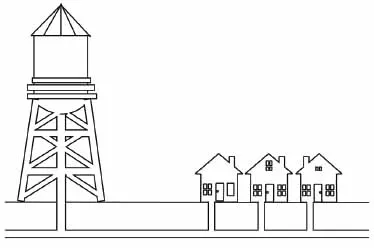
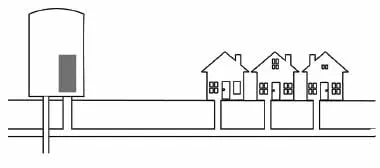
Elevated storage tanks maintain pressure if mains are undamaged
Emergency generators may be used to keep pumps running
Individual wells or small community systems will fail if the electricity is cut
Plan for an adequate supply of water for drinking and sanitation
Chemical treatments can make contaminated water safe for drinking
Some types of disasters are more likely to disrupt municipal water supplies
Earthquakes may break water mains
Elevated storage tanks are sturdy but have been destroyed by strong winds
Severe cold may cause pipes to freeze or rupture
Distinguish between water for drinking and cooking vs. sanitation (bathing, flushing)
Clean drinking water may be stored in jugs or coolers
Each person needs one gallon per day, minimum; more in hot weather
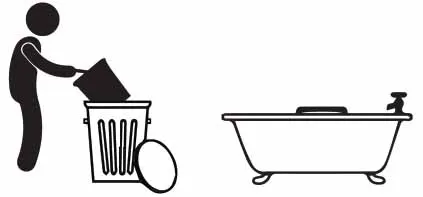
Bathtubs, trash cans, and swimming pools can be used for sanitation and wash water
How to make sure water is safe to drink
Unclean water can be sanitized by boiling or adding chemicals
Boiling is safe and reliable but requires ample fuel supply
Chlorine (bleach) or iodine can be used to kill germs in water
Swimming pool chemicals can be used to purify water in an emergency
Essential items to keep on hand: bleach, rubbing alcohol, and hand sanitizer
Water for washing doesn’t need to meet drinking-water standards
Worst case: Filter dirty water first with sheets or pillowcases and then sanitize it
Is Your Water Supply Vulnerable? Municipal water system
Elevated tanks create water pressure even if power is lost
Windstorms can damage tanks
Earthquakes or severe cold can break water mains
Community well
Pump may fail if power is lost
Earthquakes or severe cold can break water mains
Household well
Pump won’t work without electricity
Underground pipes may freeze
Small household-size generator can power pump
WASTE DISPOSAL
Prevent disease by safe removal of human waste
Toilets can be flushed without running water
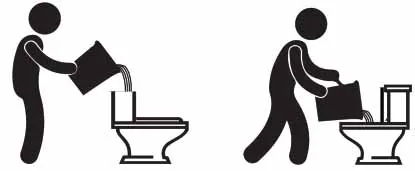
Use buckets to refill toilet tanks or pour water directly in the bowl to flush
on’t waste scarce drinking-quality water to flush
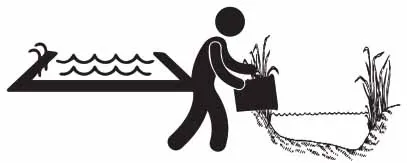
Water from ditches, ponds, rivers, etc., can be used to flush
Sanitation without Running Water
Or flush by pouring water directly in bowl.
Use bucket to fill toilet tank after every flush.
Don’t use treated drinking water for sanitation. If possible, fill a trash can or bathtub as a source of water for flushing and washing. Wash with soap or alcohol hand sanitizer.
Other water sources for sanitation: swimming pool or hot tub; even a pond, river, or ditch.
If sewer systems not available, dig latrines to dispose of urine and feces
Dig a shallow pit; keep loose dirt handy to sprinkle over waste
Dry leaves, grass clippings, mulch, etc., can cover waste and reduce odors
Choose a location well away from your water supply, food, and dwelling area
Every few days, fill in the latrine pit and choose a new location
PERSONAL SANITATION
Use toilet paper, wipes, and frequent hand washing to prevent disease
Flood waters often carry disease-causing organisms. Wash and/or sanitize skin after contact
Food Supply & Storage
Most canned foods can be eaten, if necessary, without cooking or adding water
Choose nutrition-dense foods to supply 2,000 to 3,000 calories per day for adults
Special high-tech survival or wilderness foods can be useful but are not necessary
All your emergency food supplies can come from the supermarket
Beans, peanut butter, and canned meats (e.g., fish, chicken) for protein
Dry hot cereals, rice, and pasta for carbohydrates which supply energy and body warmth
Canned fruits and vegetables have a long shelf life and provide nutritional variety
Rotate the “survival” foods each year by using and replacing them as you go
If power is lost and unlikely to be restored within 24 hours, eat frozen and refrigerated foods first
Don’t misinterpret sell-by dates on pack...
Table of contents
Knowing the Lead Time
Understanding the Odds
Making a Disaster Plan
Communication, Cooperation & Collaboration
Special Needs Situations
Update Your Housing to Safeguard Life, Health & Property
Immediate Response
Choosing to Stay Put or Evacuate
Preparing to Live off the Grid
Regionally Specific Disasters
Disaster Aftermath Tips
Resources: Where to Get Help & Information
Trusted by 375,005 students
Access to over 1.5 million titles for a fair monthly price.
Study more efficiently using our study tools.
Frequently asked questions
Yes, you can cancel anytime from the Subscription tab in your account settings on the Perlego website. Your subscription will stay active until the end of your current billing period. Learn how to cancel your subscription
No, books cannot be downloaded as external files, such as PDFs, for use outside of Perlego. However, you can download books within the Perlego app for offline reading on mobile or tablet. Learn how to download books offline
Perlego offers two plans: Essential and Complete
Essential is ideal for learners and professionals who enjoy exploring a wide range of subjects. Access the Essential Library with 800,000+ trusted titles and best-sellers across business, personal growth, and the humanities. Includes unlimited reading time and Standard Read Aloud voice.
Complete: Perfect for advanced learners and researchers needing full, unrestricted access. Unlock 1.5M+ books across hundreds of subjects, including academic and specialized titles. The Complete Plan also includes advanced features like Premium Read Aloud and Research Assistant.
Both plans are available with monthly, semester, or annual billing cycles.
We are an online textbook subscription service, where you can get access to an entire online library for less than the price of a single book per month. With over 1.5 million books across 990+ topics, we’ve got you covered! Learn about our mission
Look out for the read-aloud symbol on your next book to see if you can listen to it. The read-aloud tool reads text aloud for you, highlighting the text as it is being read. You can pause it, speed it up and slow it down. Learn more about Read Aloud
Yes! You can use the Perlego app on both iOS and Android devices to read anytime, anywhere — even offline. Perfect for commutes or when you’re on the go. Please note we cannot support devices running on iOS 13 and Android 7 or earlier. Learn more about using the app
Yes, you can access Disaster Preparedness & Recovery by John H Meyer in PDF and/or ePUB format, as well as other popular books in Social Sciences & Global Development Studies. We have over 1.5 million books available in our catalogue for you to explore.