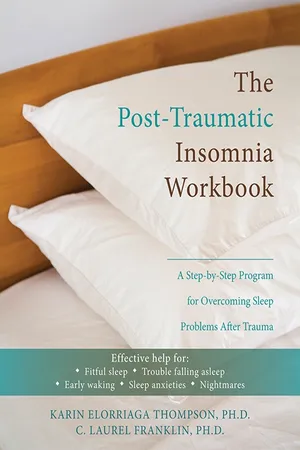
Difficult and traumatic life experiences affect our lives in unexpected ways and can even change the way we sleep. In fact, up to 75 percent of all people who have experienced abuse, violence, or traumatic incidents have sleeping problems after these events, even after all other trauma-related symptoms have diminished. If you''ve experienced these problems for yourself, The Post-Traumatic Insomnia Workbook is for you.
This workbook is based in cognitive behavioral therapy, a powerful approach that has been proven to be more effective over the long run than sleeping pills. Included are easy tips and techniques you can start doing right away to help you sleep better. You''ll learn a variety of relaxation and sleep-scheduling skills that will help you put an end to broken sleep, the need to stay on high alert throughout the night, and sleep-sabotaging habits you may have developed. Why spend another night lying awake? Find the root cause of your restless nights and rediscover peaceful sleep.
This workbook will help you: •Understand what''s keeping you awake at night•De-stress your bedroom and create a safe space for sleep•Learn powerful relaxation techniques for calming your body and mind before bed•Cope with trauma-related nightmares