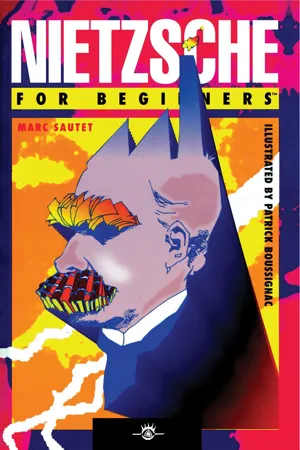
Not only does Nietzsche For Beginners delve into the scandalous life and considerable works of Friedrich Nietzsche it also give a clear picture of the puzzling time in which he lived. We meet the luminaries of the day – Richard Wagner Bismarck Freud and Darwin – and see their influences on his work. We also receive introductions to some of the great minds that preceded and shaped his writing. Luther Schopenhauer Hegel and Kant. Sautet clarifies the individual philosophers and their contributions making the book an important introduction to philosophy. Nietzche's famous ménage à trois his theories of Superman of the Antichrist of nihilism and Zarathustra and his posthumous and misinformed use by the Nazis make for a fascinating read.
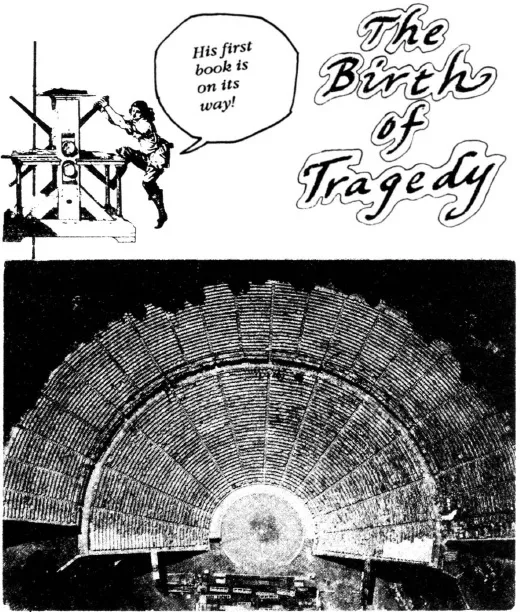
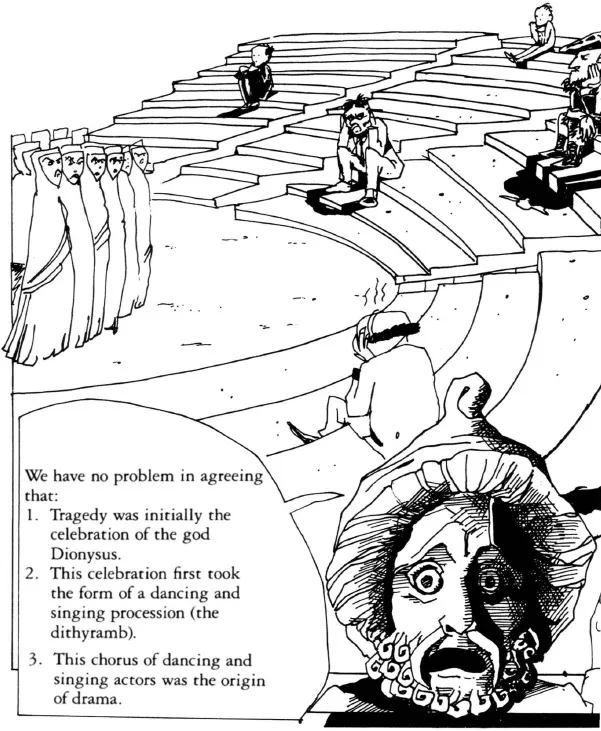
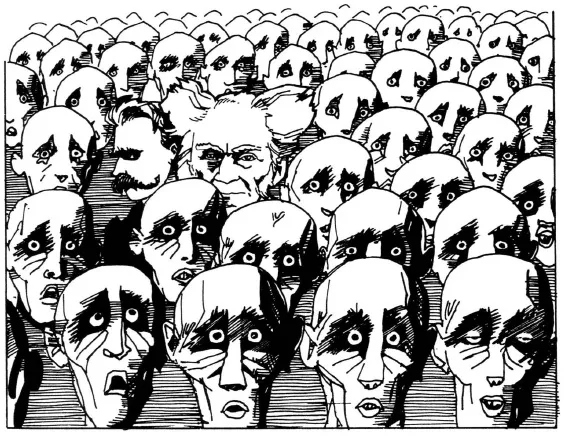
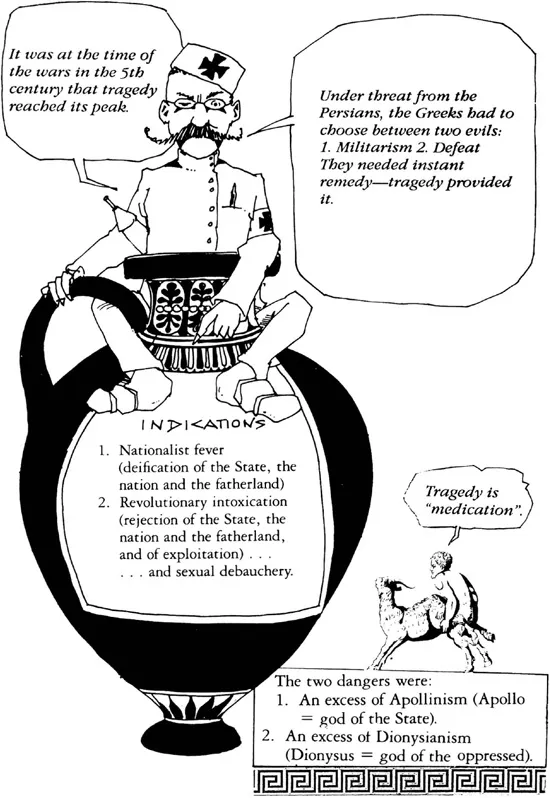
Nietzsche was 27 years old when his first book appeared in 1872. In it he proposed a solution to an enigma that had long been puzzling philologists: the origins of Greek tragedy, of which Aeschylus, Sophocles and Euripedes were the supreme exponents.
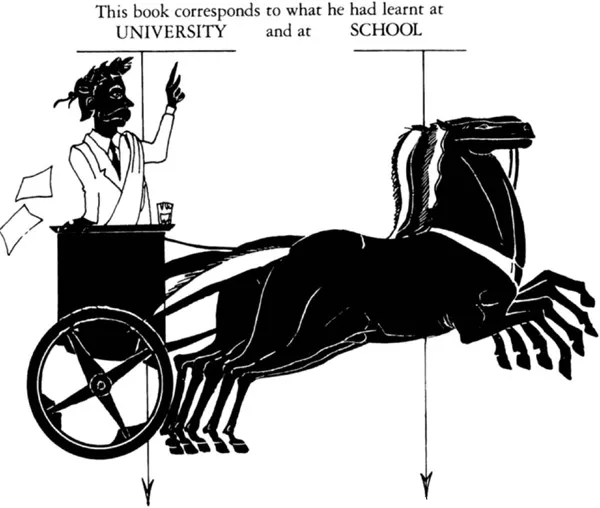
After his nomination as a full Ordinary Professor, Fritz came up with an extraordinary solution!
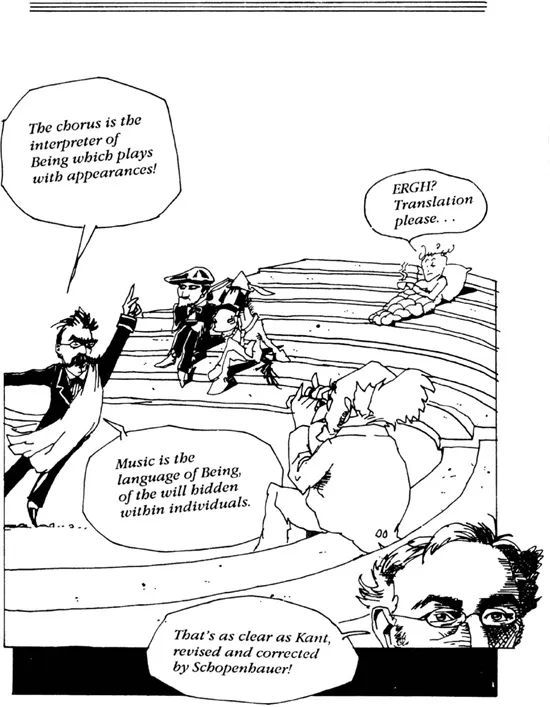
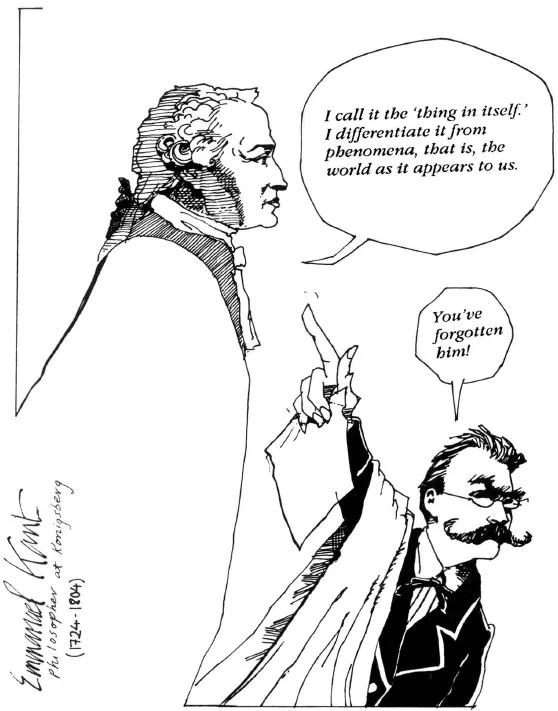
According to Kant, Being is the very essence of things. It is reality independently of the way in which things appear to us:
Human reason . . . is burdened by questions which, as prescribed by the very nature of reason itself, it is not able to ignore, but which, as transcending all its powers, it is also not able to answer. (Critique of Pure Reason, 1781)
Schopenhauer radicalized Kant’s epistemological pessimism, and he had a good point: the rest of us, like all living beings, are on the side of appearances. . .
. . . which accounts for our sufferings. We are fugitives, doomed to sickness, nostalgia and death. Because we are only moments in a process which continues after our destruction . . .
* Don’t panic: there’s a glossary at the end of this book!!!
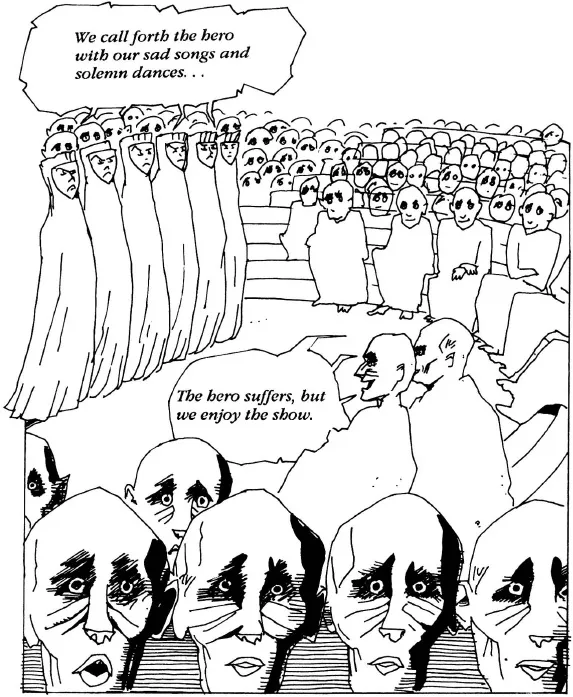
Tragedy transforms the human condition:
–the songs and dances of the chorus reveal the cruelty of Being
–the spectators enjoy what takes place on the stage and therefore accept this revelation.
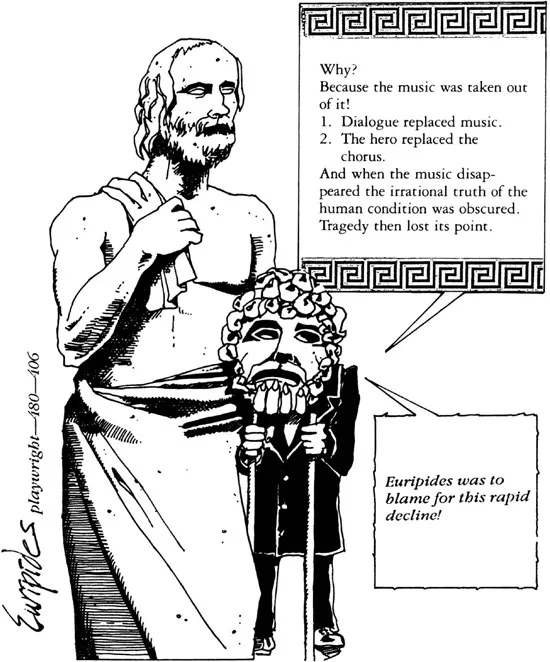
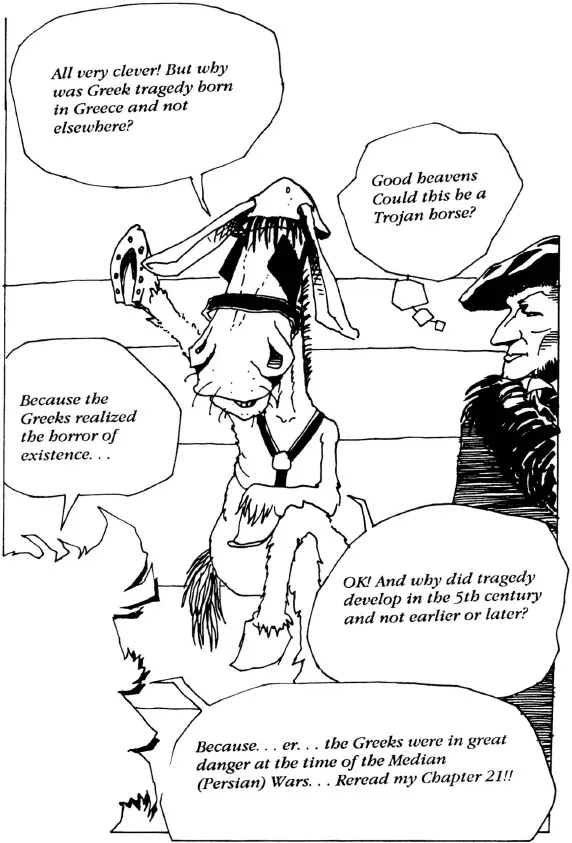
Any advance on this? Nietzsche goes on to tackle the counter-proof by answering a connected question: why did Greek tragedy disappear so quickly?
WE’VE GOT: The imperialist threat.
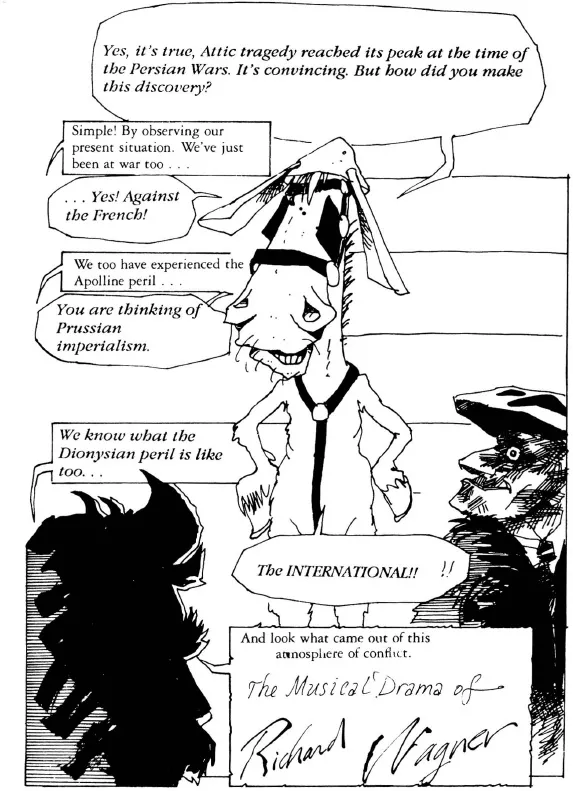
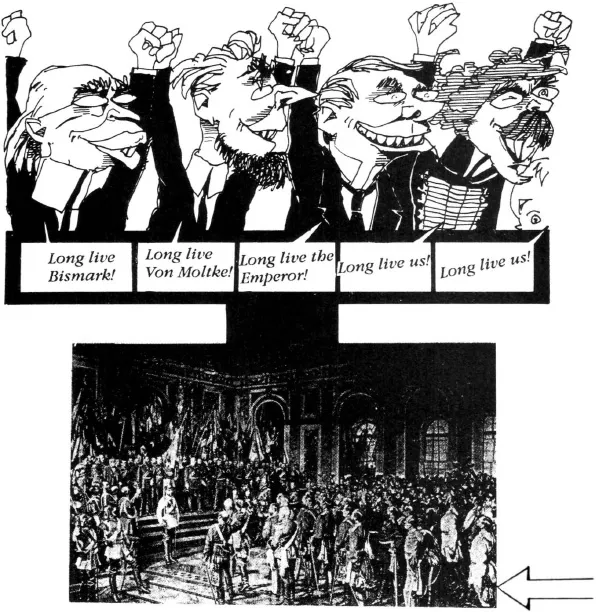
The Birth of Tragedy establishes a parallel between:
–the victory of the Greeks over the Persians
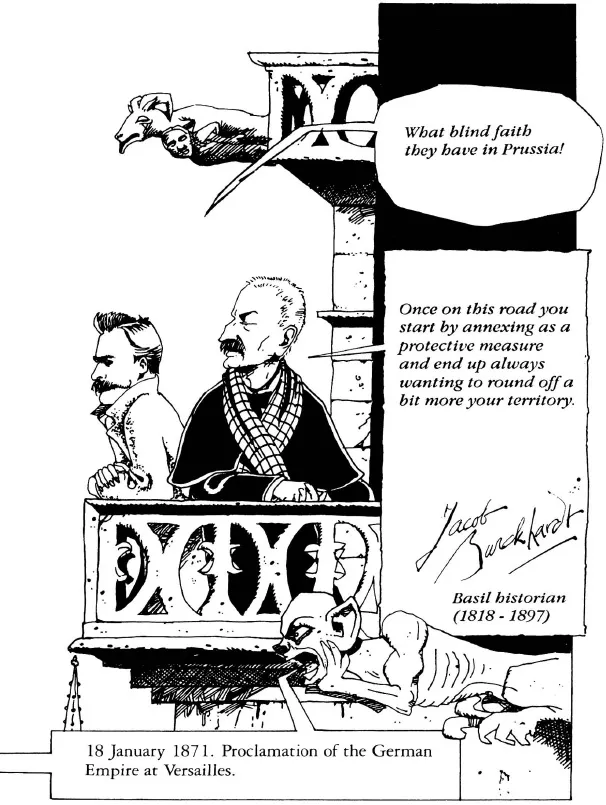
–the victory of the Germans over the French.
And we’ve got: the revolu...
Table of contents
Coverpage
Titlepage
Copyright
1st movement
2nd movement
3rd movement
4th movement
5th movement
Appendix
Trusted by 375,005 students
Access to over 1.5 million titles for a fair monthly price.
Study more efficiently using our study tools.
Frequently asked questions
Yes, you can cancel anytime from the Subscription tab in your account settings on the Perlego website. Your subscription will stay active until the end of your current billing period. Learn how to cancel your subscription
No, books cannot be downloaded as external files, such as PDFs, for use outside of Perlego. However, you can download books within the Perlego app for offline reading on mobile or tablet. Learn how to download books offline
Perlego offers two plans: Essential and Complete
Essential is ideal for learners and professionals who enjoy exploring a wide range of subjects. Access the Essential Library with 800,000+ trusted titles and best-sellers across business, personal growth, and the humanities. Includes unlimited reading time and Standard Read Aloud voice.
Complete: Perfect for advanced learners and researchers needing full, unrestricted access. Unlock 1.5M+ books across hundreds of subjects, including academic and specialized titles. The Complete Plan also includes advanced features like Premium Read Aloud and Research Assistant.
Both plans are available with monthly, semester, or annual billing cycles.
We are an online textbook subscription service, where you can get access to an entire online library for less than the price of a single book per month. With over 1.5 million books across 990+ topics, we’ve got you covered! Learn about our mission
Look out for the read-aloud symbol on your next book to see if you can listen to it. The read-aloud tool reads text aloud for you, highlighting the text as it is being read. You can pause it, speed it up and slow it down. Learn more about Read Aloud
Yes! You can use the Perlego app on both iOS and Android devices to read anytime, anywhere — even offline. Perfect for commutes or when you’re on the go. Please note we cannot support devices running on iOS 13 and Android 7 or earlier. Learn more about using the app
Yes, you can access Nietzsche For Beginners by Marc Sautet,Patrick Boussignac in PDF and/or ePUB format, as well as other popular books in Philosophy & Philosophy History & Theory. We have over 1.5 million books available in our catalogue for you to explore.