Exploring how the U.S. military can move beyond Iraq and Afghanistan
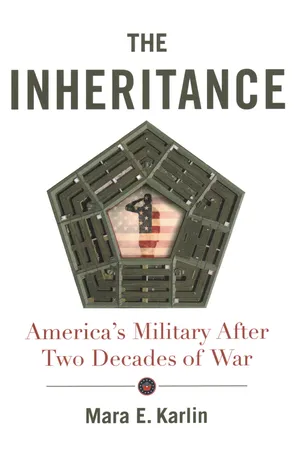
Since the September 11, 2001, attacks, the U.S. military has been fighting incessantly in conflicts around the globe, often with inconclusive results. The legacies of these conflicts have serious implications for how the United States will wage war in the future. Yet there is a stunning lack of introspection about these conflicts.
Never in modern U.S. history has the military been at war for so long. And never in U.S. history have such long wars demanded so much of so few. The legacy of wars without end include a military that feels the painful effects of war but often feels alone. The public is less connected to the military now than at any point in modern U.S. history. The national security apparatus seeks to pivot away from these engagements and to move on to the next threats-notably those emanating from China and Russia. Many young Americans question whether it even makes sense to invest in the military. At best, there are ad hoc, unstructured debates about Iraq or Afghanistan. Simply put, there has been no serious, organized stock-taking by the public, politicians, opinion leaders, or the military itself of this inheritance.
Despite being at war for the longest continuous period in its history, the military is woefully unprepared for future wars. But the United States cannot simply hit the reset button. This book explores this inheritance by examining how nearly two decades of war have influenced civil-military relations, how the military goes to war, how the military wages war, who leads the military and who serves in it, how the military thinks about war, and above all, the enduring impact of these wars on those who waged them. If the U.S. military seeks to win in the future, it must acknowledge and reconcile with the inheritance of its long and inconclusive wars. This book seeks to help them do so.
- 322 pages
- English
- PDF
- Available on iOS & Android
eBook - PDF
About this book
Information
Table of contents
- Front Cover
- Title Page
- Copyright Information
- Table of Contents
- Acknowledgments
- Preface
- Why Should We Care: Legacy, Myth, and Memory
- The Military's Sense of Itself: The Crisis of Confidence
- The Military's Relationship to Society: The Crisis of Caring
- The Military's Relationship with Its Overseers: The Crisis of Meaningful Civilian Control
- How the Military Goes to War
- How the Military Wages War
- Who Serves in the Military
- Who Leads the Military
- The Military's Preparedness for Future Conflicts
- Now What?
- Brief Chronology of the Post-9/11 Wars
- Notes
- Index
- Back Cover
Trusted by 375,005 students
Access to over 1.5 million titles for a fair monthly price.
Study more efficiently using our study tools.
Frequently asked questions
Yes, you can cancel anytime from the Subscription tab in your account settings on the Perlego website. Your subscription will stay active until the end of your current billing period. Learn how to cancel your subscription
No, books cannot be downloaded as external files, such as PDFs, for use outside of Perlego. However, you can download books within the Perlego app for offline reading on mobile or tablet. Learn how to download books offline
Perlego offers two plans: Essential and Complete
- Essential is ideal for learners and professionals who enjoy exploring a wide range of subjects. Access the Essential Library with 800,000+ trusted titles and best-sellers across business, personal growth, and the humanities. Includes unlimited reading time and Standard Read Aloud voice.
- Complete: Perfect for advanced learners and researchers needing full, unrestricted access. Unlock 1.5M+ books across hundreds of subjects, including academic and specialized titles. The Complete Plan also includes advanced features like Premium Read Aloud and Research Assistant.
We are an online textbook subscription service, where you can get access to an entire online library for less than the price of a single book per month. With over 1.5 million books across 990+ topics, we’ve got you covered! Learn about our mission
Look out for the read-aloud symbol on your next book to see if you can listen to it. The read-aloud tool reads text aloud for you, highlighting the text as it is being read. You can pause it, speed it up and slow it down. Learn more about Read Aloud
Yes! You can use the Perlego app on both iOS and Android devices to read anytime, anywhere — even offline. Perfect for commutes or when you’re on the go.
Please note we cannot support devices running on iOS 13 and Android 7 or earlier. Learn more about using the app
Please note we cannot support devices running on iOS 13 and Android 7 or earlier. Learn more about using the app
Yes, you can access The Inheritance by Mara E. Karlin in PDF and/or ePUB format, as well as other popular books in Politics & International Relations & American Government. We have over 1.5 million books available in our catalogue for you to explore.